



Oleshky, FPV drones and underground hospitals: RMA deputy head Olha Maliarchuk on how Kherson region is holding out under Russian terror
For a long time, the Kherson region has lived under constant threat, facing Russian strikes every day. Shelling, drone attacks and air strikes have become part of everyday life for the region’s residents.
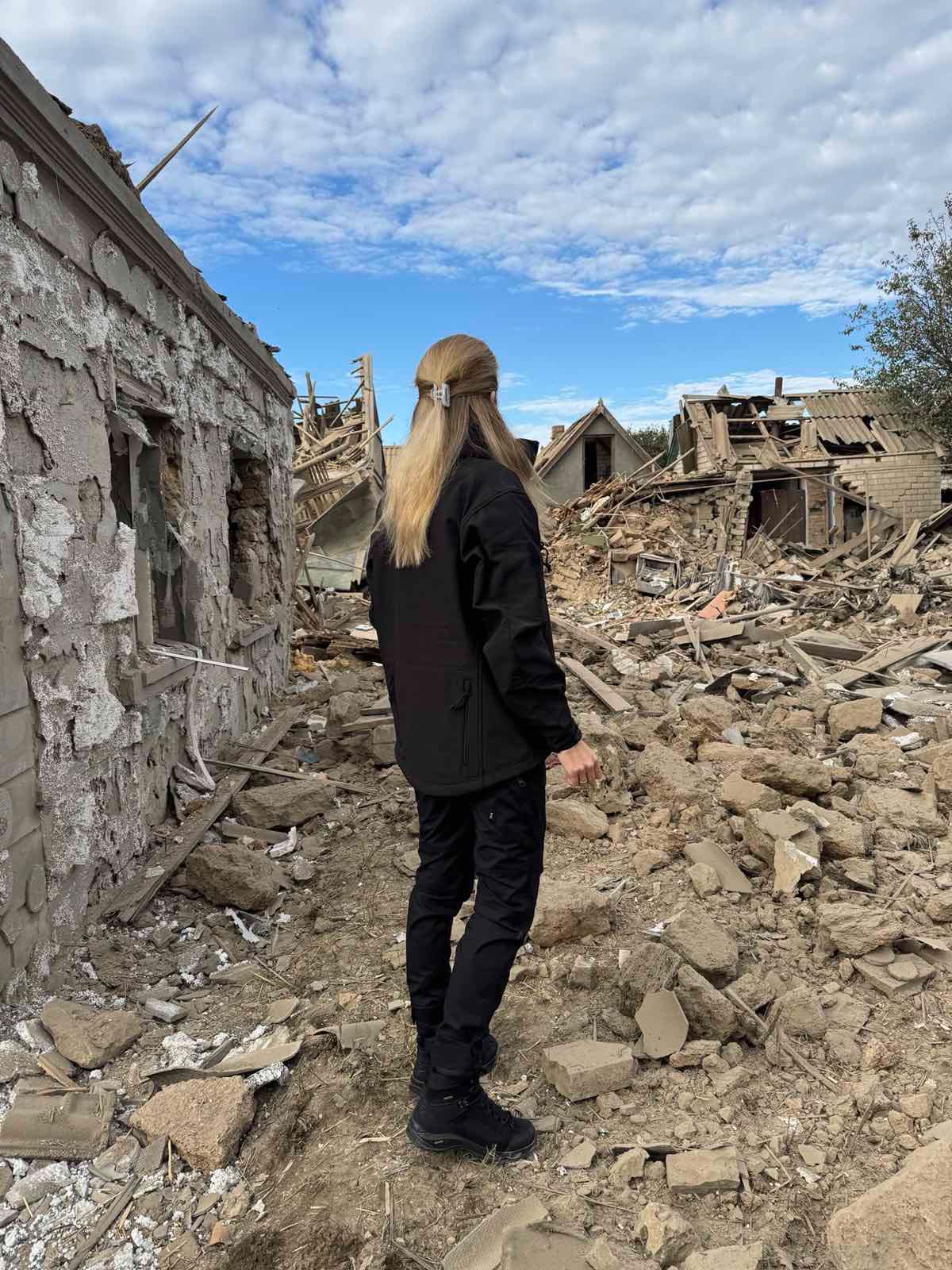
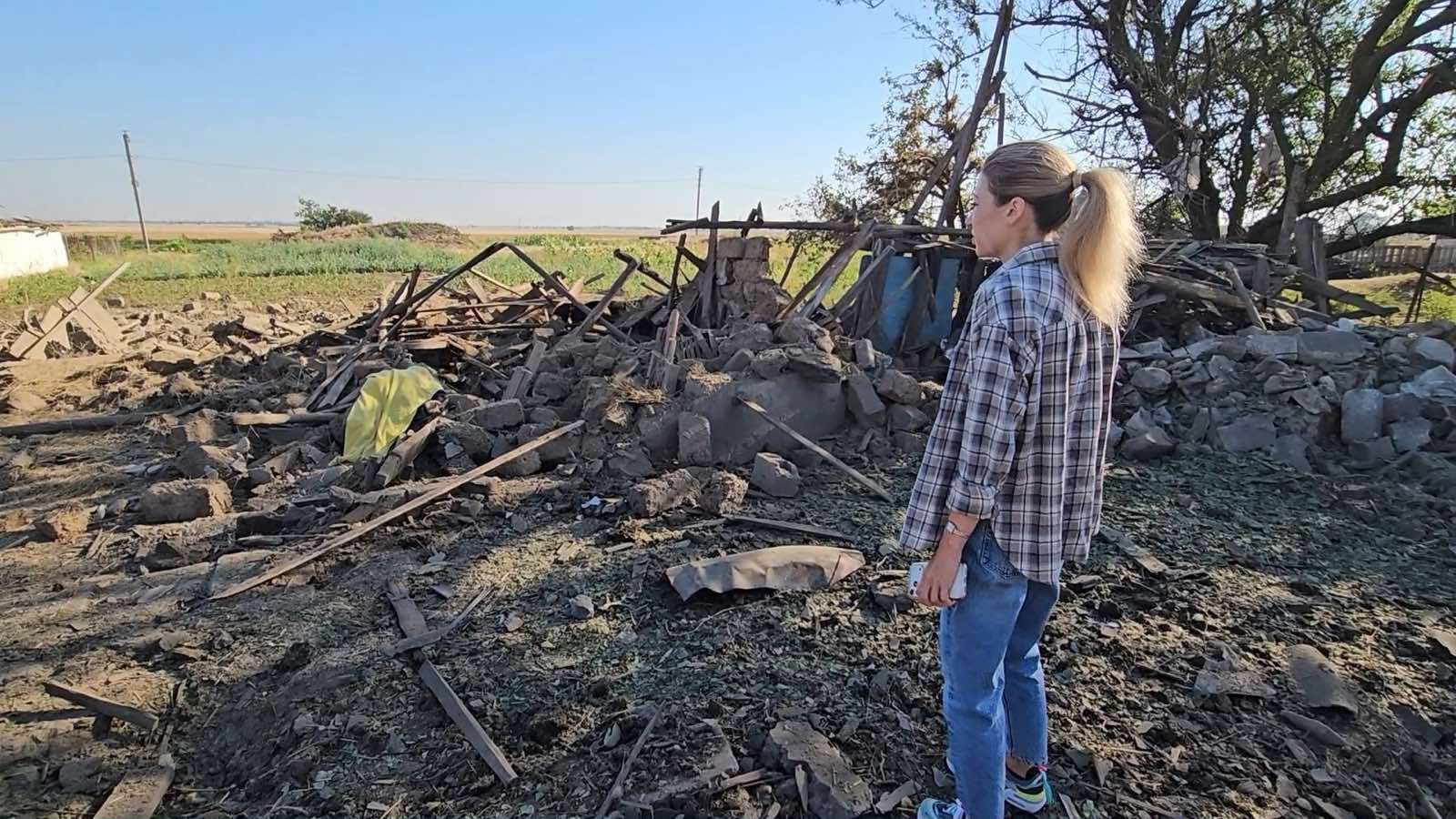
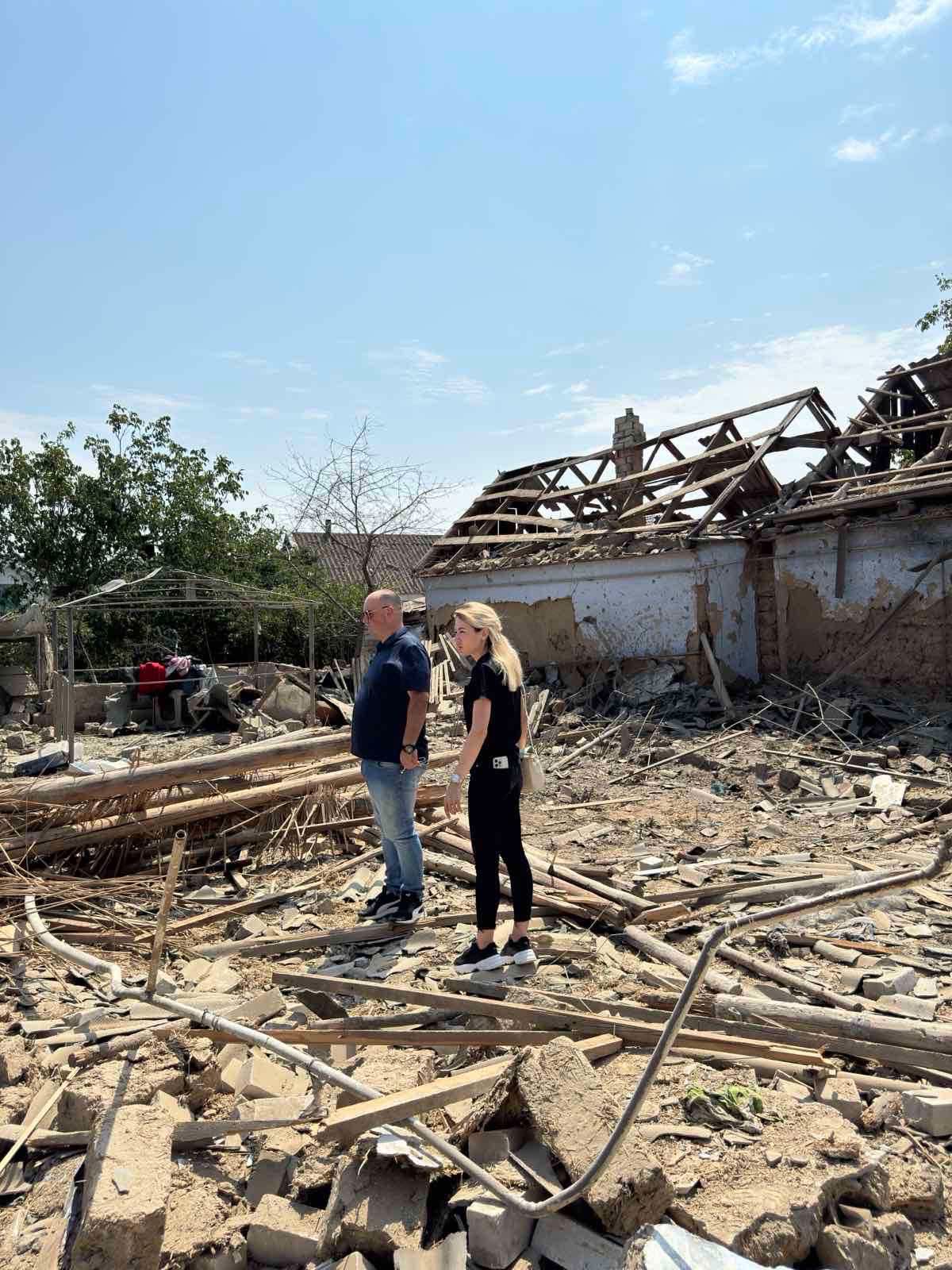
On the morning of 23 July, the Russians once again struck Kherson with KABs. The air strike injured a 69-year-old Kherson resident who was standing on the balcony of his apartment. He sustained a closed traumatic brain injury, acoustic trauma, and a shrapnel wound to his foot. We recorded this interview with Olha Maliarchuk, deputy head of the Kherson Regional Military Administration (RMA) for defence, just after she returned from the strike site. It was she who provided first aid to the injured man.
- "Buildings have been shattered, a school has been damaged, and people have been injured," she says, describing what she saw. "Thank God, no one was killed. But the destruction is extensive and, unfortunately, relentless. Efforts to deal with the aftermath of the strike are currently underway."
- We see in the news that the enemy shells the Kherson region every day, terrorising it. What is behind these attacks?
- It is one hundred per cent the terrorisation of civilians, an attempt to exert pressure and break our resilience. The Russians claim on their social media channels that they are striking military equipment, dual-use vehicles and so on. But in reality, these are ambulances, State Emergency Service and police vehicles, and civilian cars that they simply destroy. They strike ordinary homes and hospitals. This morning, we attended the funeral of our colleague who was driving to work the day before yesterday when an FPV drone hit her car, and we lost her... In other words, in the Kherson region, we live one day at a time. We do not know whether tomorrow will come for each of us, or what may happen in five minutes. The enemy behaves despicably. I do not even have the words fit to print to describe their conduct.
- How do you govern the region under such conditions? How do you live and pull yourself together in general?
- It is a choice that is no choice at all. We simply have no other path. Someone has to do it. What other option do we have? Turn around and walk away? No, each of us must fight on our own front. First and foremost, an enormous burden falls on the military. The state helps both them and civilians. Everyone decides for themselves whether to be here now and work as effectively as possible.
- What personally drives and motivates you to do this?
- Ukraine, victory, the future of our children and our survival as a nation. I cannot even imagine not fighting.
You know, under such conditions, you begin to appreciate things you hardly noticed before. You wake up — that is already good. If you manage to sleep for more than six hours, that is simply wonderful. Living under such conditions, you begin to notice these small joys in life. For example, when I return from work in the evening, I can stop and look at how beautiful the sky is. And if there are lots of stars, it is absolutely wonderful. Yes, explosions are going off all around you. But you look up at your starry sky and savour the moment. Just as you savour the moments when you have an opportunity to drink coffee with friends and hug your son.
- When people read news about the Kherson region, what they most often see are figures: the number of attacks, damaged or destroyed buildings, people injured and, unfortunately, killed. What remains out of sight?
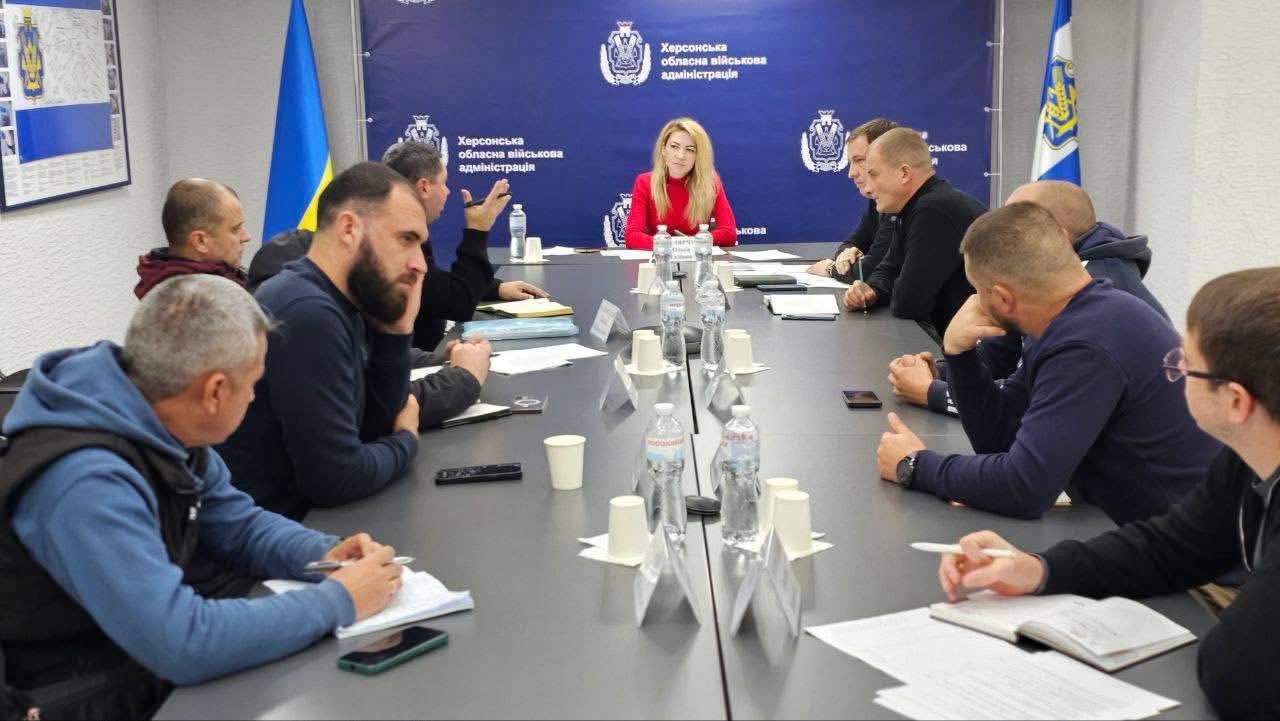
- Unfortunately, many people do not see the actual work being done to protect our population. There are things that cannot be discussed publicly. When the enemy carries out provocations and constantly attacks, including with FPV drones, people sometimes get the impression that the authorities do nothing but issue statements. But that is not true. An enormous amount of work is being done around the clock. We all live in Kherson. A huge number of meetings are held, and visits to the scenes of attacks are mandatory. Every area of work is kept under full oversight, beginning with our head and extending to us, both the deputies and the departments. This is the colossal work of a great many people who will never be written about. Because we are the authorities. Because that is not a popular story. As a result, the focus shifts: the local authorities, rather than the enemy, are blamed. But first and foremost, this is about the actions of Muscovy. It is Muscovy that is doing this! We are also fighting it, living under shelling, shopping in the same stores and walking the same streets as everyone else.
You know, I came from the volunteer movement. When we, as volunteers, started approaching the administration about the needs of the military, support for the families of the fallen, social guarantees and so on, they suggested: ‘So let’s strengthen our team, improve communication and work it out together!’ I decided then that this was probably the right thing to do. So, I first became a freelance adviser on military affairs, and then an adviser to the head of the Regional Military Administration in Mykolaiv region.
When Oleksandr Serhiiovych Prokudin took office in the Kherson region, he invited me to join his team in the same area. It was a challenge and a great responsibility. But I understood that there was no other way: if we want change, we have to work for it. Yes, it is not popular. Even now, we say: Come and join us; we have plenty of vacancies! If you write to us on social media saying that we are doing things wrong, then come and show us how they should be done. The response is: "No, because then we will be subjected to online abuse." As if we are not subjected to it already! But someone has to do this work. It is extremely difficult emotionally. To us, every death is not merely a statistic. We genuinely take it to heart. You are constantly thinking about what else can be done. As soon as an attack occurs, Oleksandr Serhiiovych calls; we establish the circumstances and decide how to respond. And this happens constantly. There is no steady, routine work here. Everything in the Kherson region moves at an extremely fast pace.
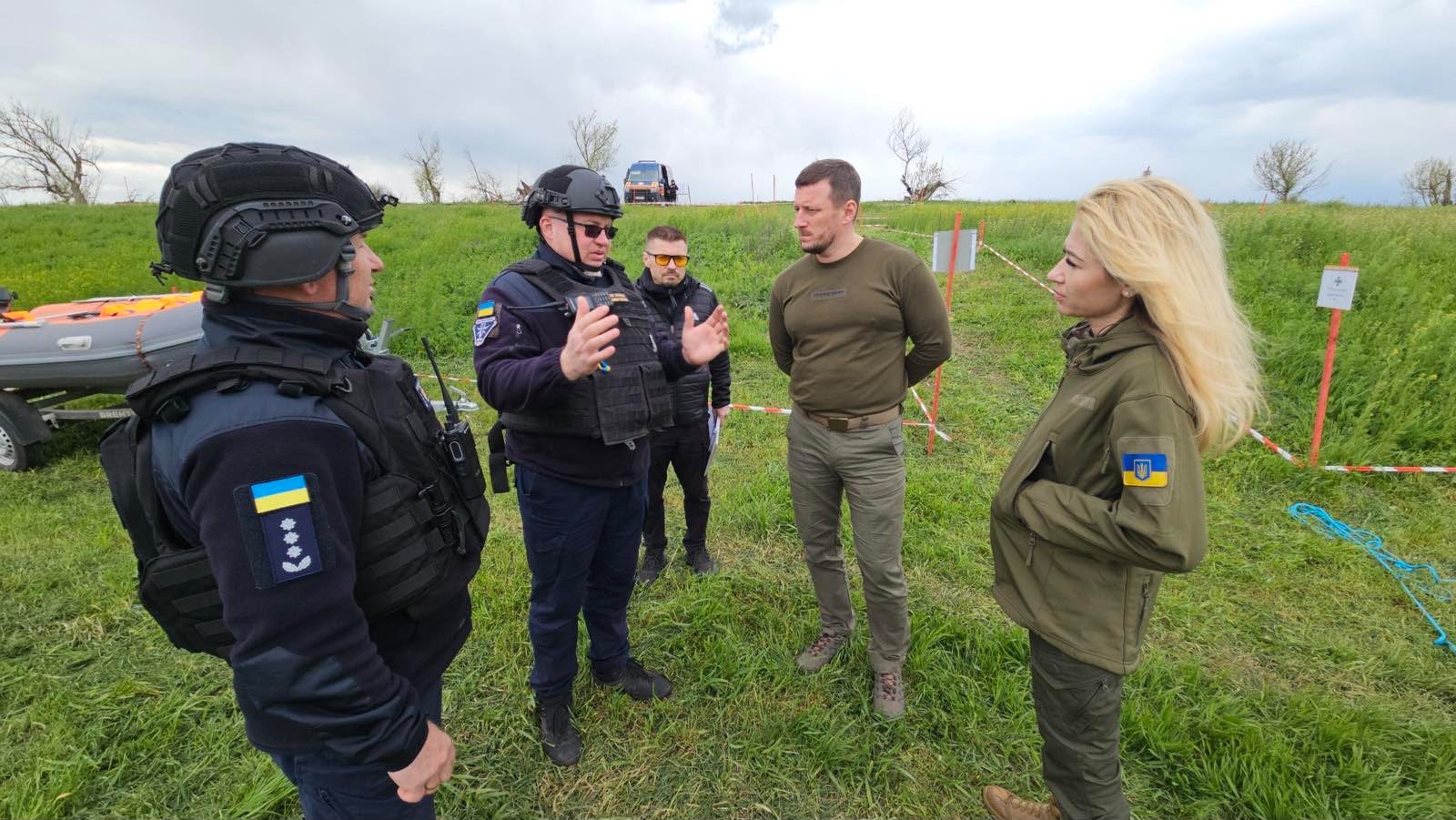
- The situation in the Mykolaiv region is still calmer now than in the Kherson region. Were you not afraid when you moved to Kherson?
- No. But it was difficult to explain to my son why I was doing it. When the full-scale invasion began in 2022, I told my entire family that I was staying and had to be here. My area of work is the military, so I need to be close to them. The difficult part was reaching a point where they accepted my choice.
My only fear was letting down the head of the Regional State Administration, because he had brought his team into a highly demanding area of work. I am the deputy head responsible for defence. Our region is on the front line. It was extremely important to me not to let anyone down and to be genuinely useful and effective in this job. Although you can hardly call it a job, because this is our life here.
- How has the security situation in the Kherson region changed over the past year?
- It remains as tense as ever. In some respects, it has become more difficult because the nature of the threats has changed. Previously, there was more shelling by artillery, mortars and tanks, as well as air strikes. Now, a large number of different types of UAVs have been added, terrorising people and bringing grief. In other words, the nature of the threat itself has changed. Yes, we are strengthening our countermeasures. This involves not only electronic warfare but also a comprehensive range of measures that is constantly being updated. For obvious reasons, I cannot disclose the details.
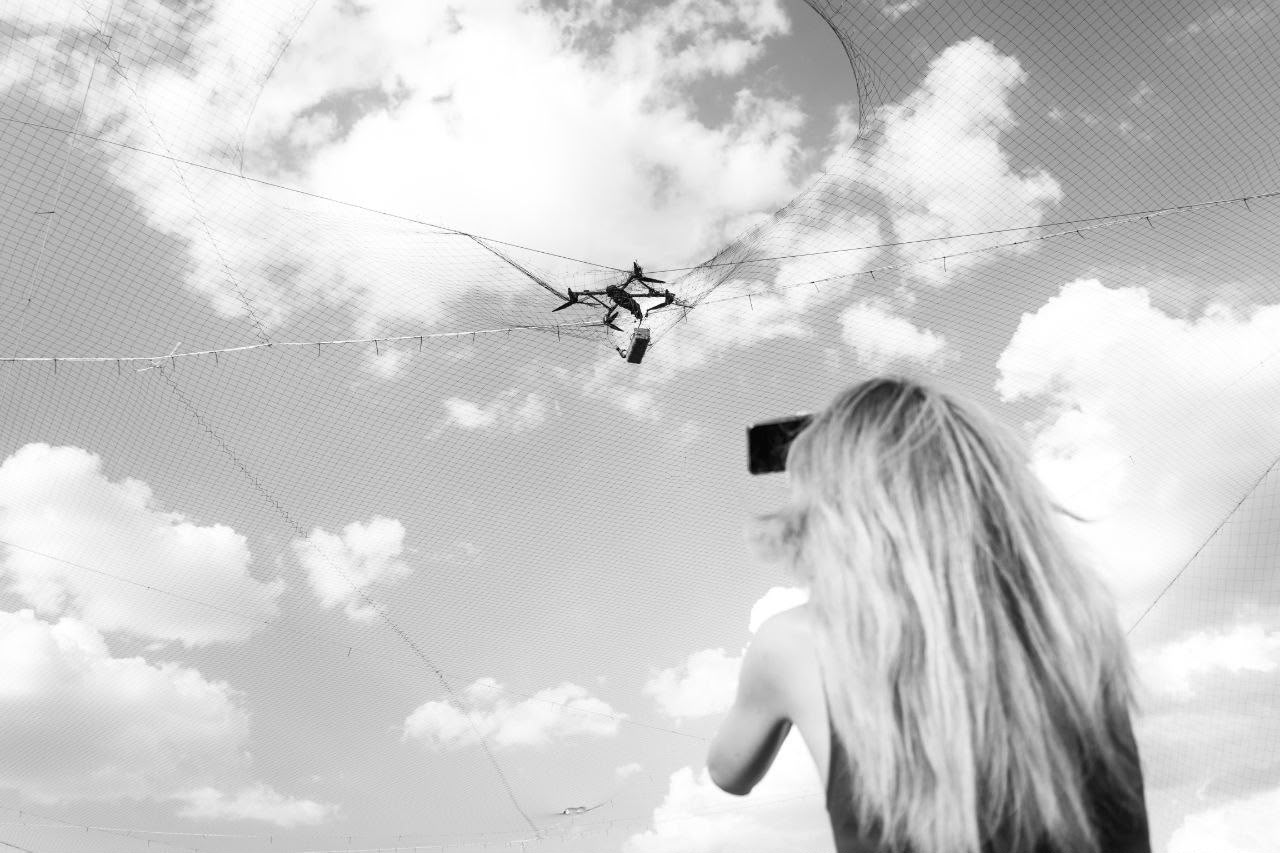
- Videos posted by local residents can be found on social media in which they say that "the most popular quest in Kherson today is making it from home to work and back." In other words, it takes a great deal of effort simply to survive. What recommendations can be given to Kherson residents to improve their chances of survival amid constant shelling and drone attacks? Responding to air-raid alerts and heading to shelters is an obvious one. What else can they do to protect themselves?
- The most important thing is not to forget that we are living through a war. Sometimes you hear people say, "We have grown accustomed to the war." But that is wrong. People must always take care of their safety. We have created a Telegram channel called Radar. Our military developed it to provide information about shelling, drone movements, and so on. People need to monitor the information. They must also understand that it is dangerous to walk across open areas. They need to know where the shelters are, always carry a first-aid kit, and know how to use it. People must take care of themselves.
Various recommendations can be given, but every person must clearly understand that responsibility for their own safety and how they respond rests in their own hands. We are doing everything that depends on us. In particular, we are installing mobile shelters, expanding their number and repairing existing ones so that people have somewhere to take cover. Many hospitals in the Kherson region are already operating underground. In general, many critical institutions in the region have had to move their operations underground. We are constantly improving anti-drone protection and covering all roads. In other words, a great deal is being done, but people must also take responsibility for their own safety.
- Do you have any information on how many Kherson residents use shelters? Is that number changing? In Kyiv, for example, the number of people seeking relatively safe places has risen noticeably as attacks have intensified.
- It is the same here: when attacks intensify, people begin responding more actively. They also follow the two-wall rule. It all depends on the intensity of enemy attacks and on each individual, who has to decide whether to go down to a shelter or remain at home. Sometimes people film attacks, which is extremely dangerous. By doing so, they put both themselves and those coming under attack at risk. The enemy constantly monitors everything that is happening. The Russians then post the footage on their Telegram channels and write things such as: "We thank our informants for filming this so well. We can see that we hit the target." In the Kherson region, people must take responsibility for every such recording they make public.
- Where we are, the Security Service of Ukraine pays such people a visit.
- Here, all law enforcement agencies hold the appropriate preventive conversations with them. But most people generally understand and know that such videos must not be posted. Yet some still do otherwise. I do not know why. Perhaps to get more views.
- Is training currently being provided to civilians to help them prepare for life under constant threat? Tactical medicine courses, for example?
- Constantly. We work extensively with various civil society organisations. The Red Cross is also involved and provides assistance, and not only with first aid. In fact, everyone who can help gets involved. It is not enough simply to know what to do – these procedures must be practised and drilled continuously. You never know where your help may be needed, at what moment or how you will have to respond. For example, I always carry gloves, tourniquets and a bandage in my bag. I also keep them in my car. Most of us carry these first-aid supplies. When I walk through Kherson, I notice that people have them. It is about taking responsibility.
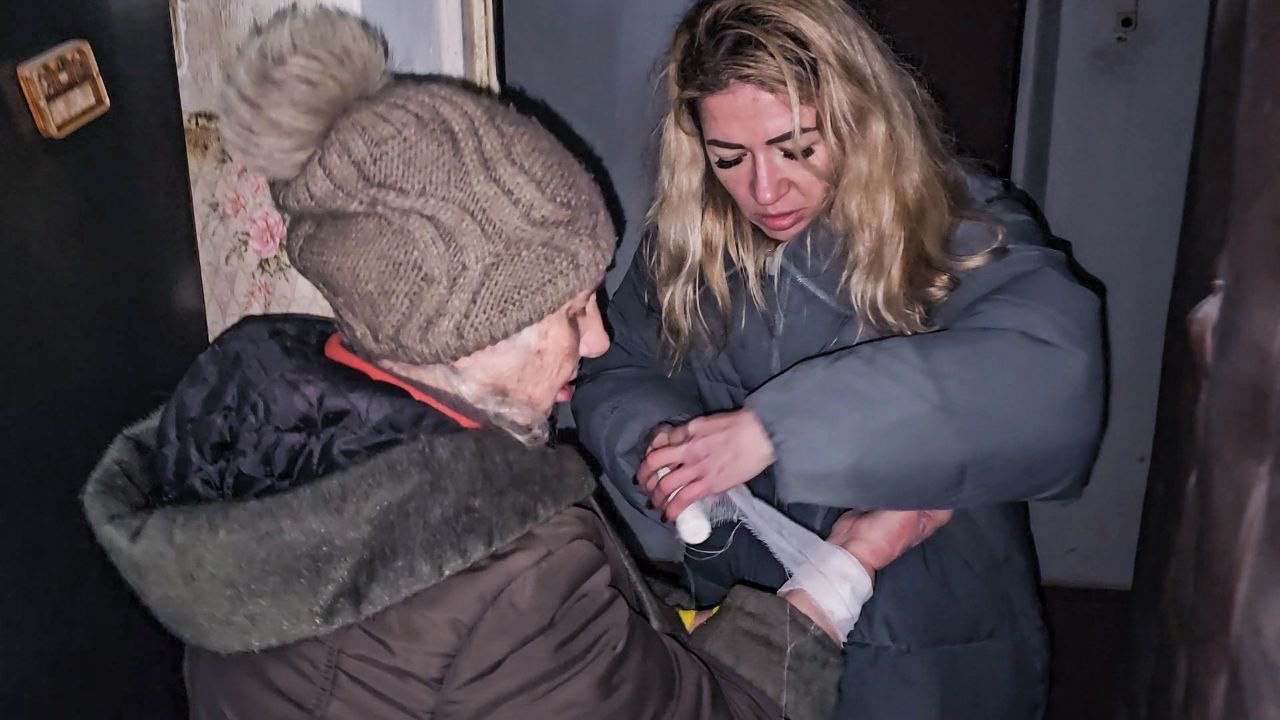

- Do you personally ever have to use these supplies?
- For example, today, after the KAB strikes, I went to the scene. Once again (I have lost count of how many times), I provided aid to an injured person. A man had sustained a shrapnel wound – his leg was badly lacerated. I had to apply a dressing and secure it. The ambulance arrived fairly quickly. I handed him over to the medics.
- As I understand it, the situation means that your plans and routes are constantly changing. What does your typical working day look like?
- There is no stability from one day to the next. Of course, there is always a schedule; there are meetings you have to attend, and constant communication with the military and all the relevant agencies in order to step up the pace of work, strengthen our capabilities, and so on. But ultimately, your time is not your own. I had other activities planned for today, but KABs struck, so I went to the scene because the aftermath of the attacks had to be dealt with.
You may have already arrived home, made yourself some tea, and picked up a chocolate bar when the phone rings and you have to get ready quickly and leave. I always have clothes ready, so I can simply "jump into them" and rush out. Such calls can come in the middle of the night as well. On the one hand, it may seem like Groundhog Day, but the only constant is the tension. As I said, we work around the clock.
- But everyone needs some respite. How do you manage that?
- There are times when you can at least catch your breath. I "programme" myself to make sure I still find some time. For example, I make a point of reading at least a couple of pages of a book, watching the news or some programme. You really do need to switch your brain to something else simply to survive. You have to look for some resources. Although it is a "floating" option, it is present.
- What are you reading at the moment?
- Ayn Rand’s "The Fountainhead."
- Does it help you take your mind off things?
- Yes. But the book is intense too. It was recommended to me. It is challenging, but very interesting. I have to finish it. If you undertake something, you have to see it through.
- I wanted to ask you about Oleshky, because today it remains one of the most painful places on the map of the Kherson region. A month ago, Tetiana Hasanenko, head of the Oleshky City Military Administration, said that about 1,700 residents remained there, including more than 40 children, but it was impossible either to leave or enter the city. The community is located directly on the line of contact. The situation is catastrophic: there is no electricity, gas, drinking water or food. Do you know what is happening there now?
- You know, the situation is not this difficult in that city alone. It affects the entire left-bank part of the Kherson region. However, as soon as we realised that our people in Oleshky were being subjected to genocide, the head began raising these issues everywhere, at every meeting and with every institution, to get them involved and provide assistance. A number of measures are being taken to help local residents leave. But it is extremely difficult because the enemy is using our people as a "human shield." They do not let them leave, intimidate them by claiming that Ukraine is carrying out the attacks, and tell them that everyone here has already forgotten about them. That is not true! We have not forgotten. The left bank is our land; it is Ukraine. Believe me, a tremendous amount is being done to make it possible to help them.
- Back in late April, we sent enquiries about Oleshky to government agencies and the Red Cross, which responded fairly quickly: "The ICRC is currently holding talks with the relevant authorities on both sides to obtain more detailed information about the situation in Oleshky and the humanitarian needs of the civilian population. At the same time, through its safe cross-border movement programme for civilians, the ICRC continues to help vulnerable people in the area reunite with their families on both sides of the front line, working directly with the relevant individuals." How are you currently working with them on this issue?
- We are in constant communication. Everyone is trying to help and get involved at their own level. Mykola Kuleba, the founder of Save Ukraine, is also providing a great deal of assistance.
You see, everything here works as part of a combined effort – I cannot say that any one person is handling it. Many people are involved in evacuations from Oleshky. Some things succeed; others do not. Sometimes we know that people are due to leave, but then the Muscovites simply derail everything, and nothing can be done. Or they refuse to allow humanitarian vehicles carrying food and medicines to enter – in other words, the basic necessities for survival under those conditions.
- I read that the occupiers do not even allow people to bury the dead...
- That is right. It is horrifying when reports come in that a body has been lying in the street for a long time and animals are tearing it apart. What is happening there is something we have probably only ever seen in films. Someone tells you what is going on, and you seem to understand it all, register it in your mind, and even try to imagine it, but you cannot, because how can something like that be happening in real life?! Unfortunately, it is; this is how people are living. The most horrifying thing is that they are not allowed to leave and are being held, as I said, as a "human shield." At the same time, they are also subjected to repression – their homes are seized, they are intimidated, their phones are searched, and they are interrogated. It is extremely difficult both physically and emotionally. This should not be happening in the civilised world. Oleksandr Serhiiovych also appeals to international organisations and uses every platform to urge them to speak about the Kherson region and respond.
- Do those who are successfully evacuated from the occupied territories remain in the Kherson region, or do they leave the region?
- It varies. Some remain, while others go to another region or abroad. It is each person’s individual choice. Our task, when someone reaches out to us, is to step in and help.
- Which stories of Kherson region residents have affected you the most during your time in your current position?
- You know, I can’t single anyone out, because every person here in the Kherson region is unique in their life experience. Everyone has their own pain. It’s hard to hear the stories of people who lived here under occupation – how they survived and helped one another. The same goes for the stories of the young men who were the first to stand up and defend Kherson. All in all, there are plenty of such moving moments every day.

- Ukrainians, particularly those who have lived under occupation, often speak about the enemy’s brutality and say that the occupiers are inhuman. What does this mean to you?
- They truly are not human; they are monsters! I cannot even call them animals. There is still no word in existence that can adequately describe the Muscovites. What is it that you lack in your own land?! They have an enormous and relatively wealthy country, but only the major cities enjoy anything resembling prosperity. Everywhere else is, excuse me, a complete shithole: no gas, no electricity, outdoor toilets, and so on. Yet for some reason, they are all imbued with this sense of grandeur. But what is so grand about them? That you cannot even open your mouth because you will immediately be rounded up, sent to prison, or simply beaten, killed, and buried somewhere?! That you are effectively slaves who are unable and unwilling to rise up?! They have no desire to stand up for themselves. They do not consider that life could be different. Why come barging in here when you cannot put your own house in order?! Think about what prisoners of war say. For example, those captured in the Mykolaiv region at the beginning of the full-scale invasion were shocked by how well we live. But instead of prompting them to reflect on their own lives, it infuriates and enrages them. In other words, they have no questions for themselves. They also say that the Kherson region is like a training ground for them: they train here and then move on to the front. To them, it is perfectly normal to drop an explosive on an elderly woman or man riding a bicycle, take a photograph, and claim that the person was some kind of undercover agent. And then there are children playing in courtyards! Unfortunately, there have been tragedies when they have been deliberately targeted. You are flying the drone and can see whom you are dropping the explosive on! How can anyone do that?! But what is there even to say?! They are simply monsters! Words fail me. You know, when we win, I think many Ukrainians will want to grab every one of them by the throat.
- Do you think about when all of this might end?
- I do. Of course, I am also exhausted, and like everyone else, I want us to achieve victory as soon as possible. We dream about it. I am certain that it will happen. But I am a realist, so I understand that it will not happen very soon. We can see what is happening and how the enemy behaves. Nevertheless, we must win. We genuinely have no choice. This war between us has continued for so many generations that now we must defeat them for the sake of our children’s future and the future of our nation as a whole. There can no longer be any agreements. We must break them and drive them from our land. Yes, it is extremely difficult. But each of us, in our own place, must do everything possible to bring our victory closer. We must also avoid falling for provocations. If we look back at history, we always unite and fight back during a decisive confrontation, but then infighting begins: someone has failed to share something, someone has offended someone else, and so on. As a nation, we must learn from such difficult moments in our history. We cannot allow divisions to emerge within the country, because the enemy will inevitably exploit them.
Olha Moskaliuk, "Censor.NET"
Photos and videos provided by Olha Maliarchuk


