



Call sign Sviatyi: "When I could no longer bear pain, I asked guys to "knock me out" to avoid drawing enemy’s attention"
His call sign is Sviatyi, although he was never particularly religious, and after being wounded, he stopped believing in God altogether. He lost both legs in the war. His fellow soldiers spent nearly ten hours evacuating him from right under the enemy’s nose, while he applied his own tourniquets and endured searing pain so as not to give away their position.
After the amputation, he learned to walk on prosthetic legs, underwent difficult rehabilitation, and adapted to a life in which people on the street look first at his legs and only then into his eyes. While for many people the war might have ended there under such circumstances, he made a different decision: he returned to the military. Today, he serves with the ApexPredators interceptor drone unit of the 1230th Engineering and Technical Regiment of the Support Forces, shooting down Russian drones.
Our conversation is not only about his injury, prosthetic legs, or the war. It is the story of a young man who speaks candidly about losing his faith, phantom pain, brotherhood, and a choice that, after everything he has endured, seems almost impossible: putting on a military uniform again.
– Tell us what you did before the full-scale invasion.
– I worked as an electric and gas welder. Before that, when I was 20, I decided to undertake compulsory military service – I simply wanted to. However, the COVID-19 pandemic began at the time, so my conscription was postponed several times. Eventually, I was called up. I began my service with the 5th Separate Signals Regiment and later transferred to the 30th Separate Mechanized Brigade. I served for a year and a half and was discharged in the autumn of 2021. Just three months later, the full-scale invasion began.
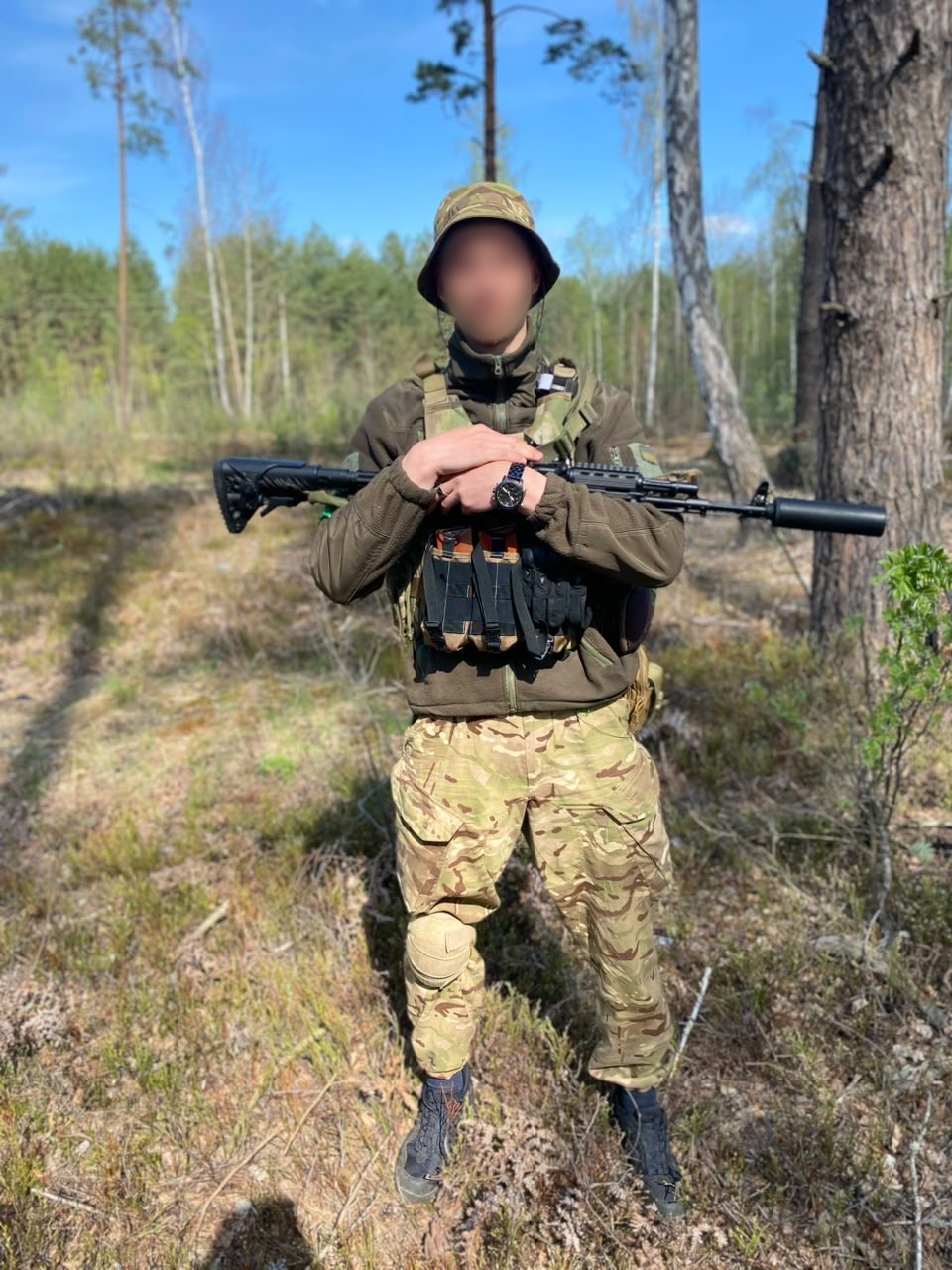
– Where were you on 24 February 2022?
– At home. I had the day off. At first, it was difficult to believe what was happening. But from the news and what my relatives in Kyiv told me, I realised the true scale of the events. The next day, we were called in to work and told what to do in an emergency: which documents we should have with us and how to prepare to leave. Then we were sent home. A colleague and I stopped outside a shop, had coffee to toast our victory, and went to the military recruitment office.
– Did they take you immediately?
– The thing is, even before my compulsory military service, I had been issued a "white ticket" because of a sports injury...
– So how did you manage to enlist?
– If you have the will, anything is possible in our country. At first, the recruitment office did not want to take me. They sent me home. Then they sent me home again. The third time, on 28 February, I arrived with my belongings and said, "Either you take me, or I will go and join the guys myself." So they took me. We were transported to where the brigade was being formed. We spent some time training and then deployed to the Lyman direction. At the time, I served as the group’s sapper.
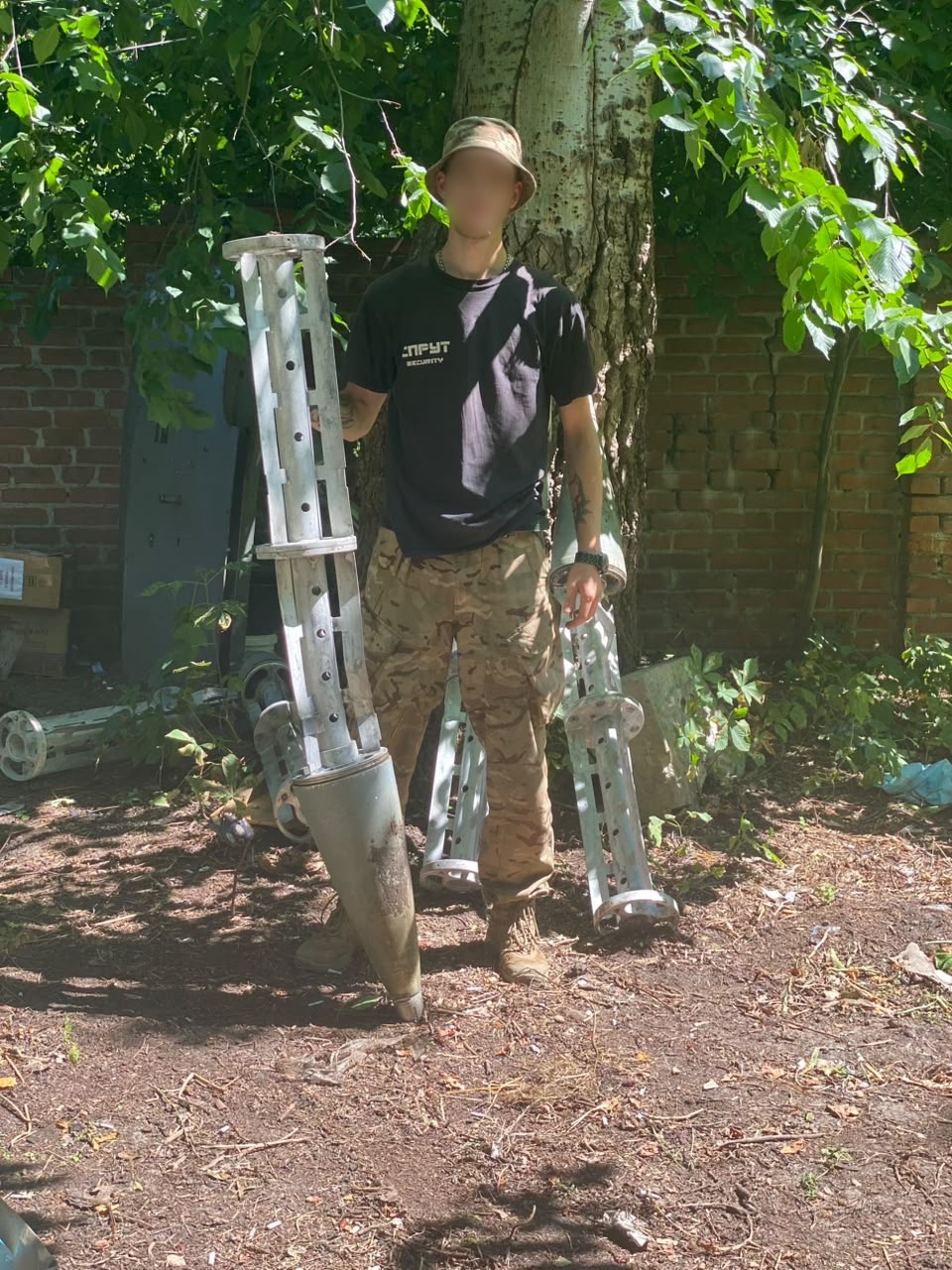
– What was your first combat mission?
– To put it bluntly, we were "thrown into the meat grinder." Two or three days before we moved into the positions, the Air Assault Forces had withdrawn from them. In other words, there was already nothing to be done there. We went in with no combat experience. We stayed there for five or six days. During that time, about 80 tonnes of shells were fired at us. They hit us with everything they had. The enemy was 300–400 metres in front of us, as well as to our right and left. Behind us was a river...
– What weapons did you have? How did you return fire?
– We were well armed: Javelins, NLAWs and RPGs. But we had very poor fire support – we had no artillery at all.
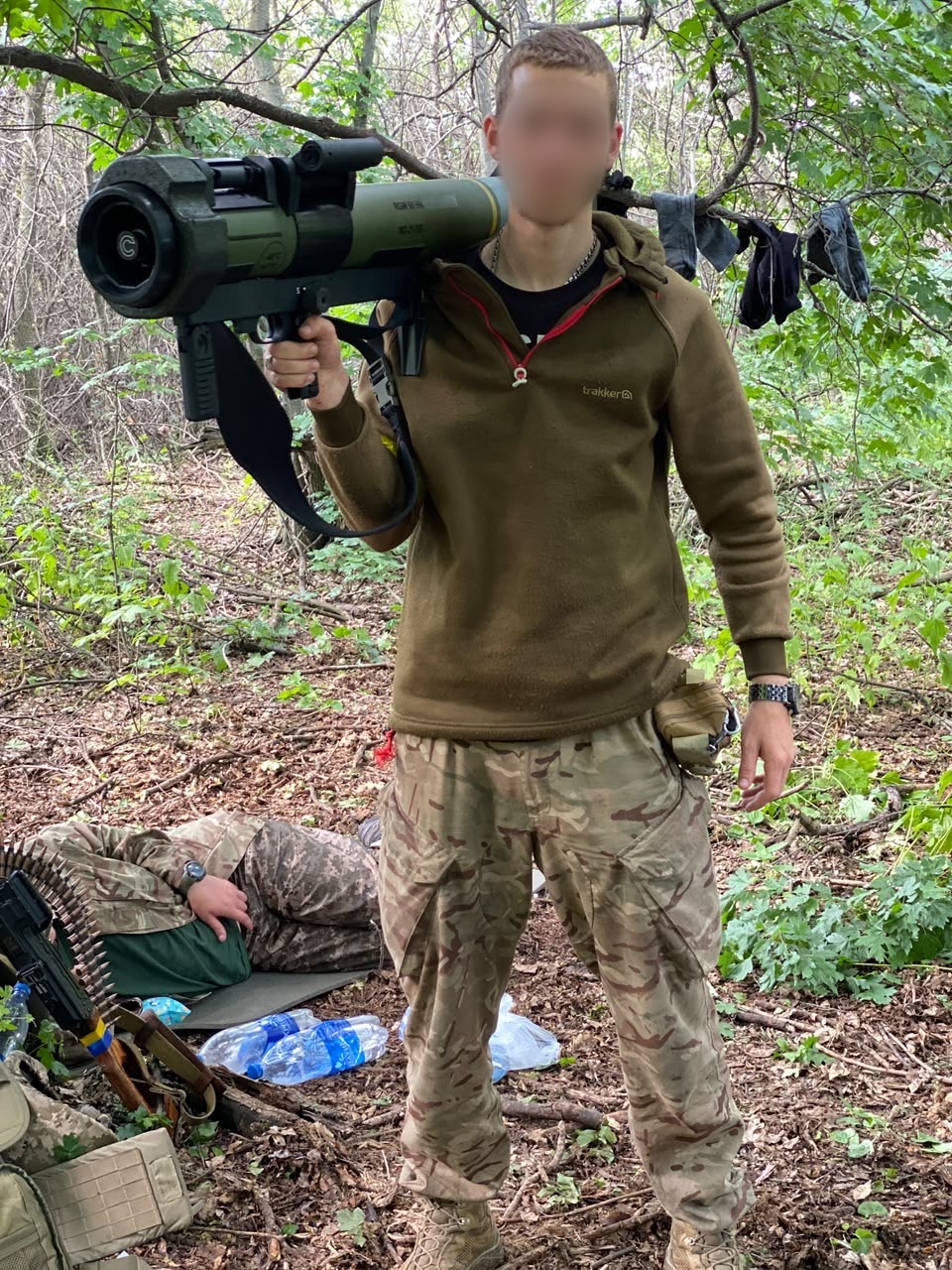
At the beginning of the full-scale war, there was still no fully developed strategy regarding where, how and when units should be deployed and who should be where. There was a tank about 50 metres away from us on the same line. We did not particularly want it firing from our position because the return fire came down on us as well. We told them, "You can stay here, no problem. Just do not fire off rounds for no reason. If enemy vehicles start advancing, then of course you need to engage them." On the second or third day, the tank crewman was wounded, and the tank was withdrawn. We remained there. At dawn on the day we were due to leave, an assault on our positions began. We engaged the attackers. The anti-tank crews were supposed to be one to one and a half kilometres behind us, but they had taken off. So we had to defend ourselves. It was ineffective. When two tanks and three IFVs advance on you, there is not much you can do with an RPG.
– How did you manage to withdraw?
– We were ordered to fall back. But there was no information about where to go, how we were supposed to withdraw, or whether anyone would meet us. We moved back towards a village about 700 metres away. On its outskirts, we met an elderly man. We asked him how to get out. He said, "Head further left. There will be a bridge you need to cross. If the bridge is already gone, go through the swamp." He showed us which way to go and said, "If you go further left or right, the swamp may suck you in. But if you follow the route I showed you, you will be fine." We offered to take him with us. He said, "I will not leave my wife!"
We came under heavy fire throughout the withdrawal. As we crossed the swamp, we saw Russian vehicles that had become stuck there. We then realised that the Russians were tracking us through our radios, so we submerged them in the swamp. When we reached the far side, our artillery was stationed there. The artillery crews did not know we were withdrawing. We tried to contact the command by phone so that the guys could somehow be warned and we would not end up shooting at one another. We continued towards the river for another half-hour. The shelling forced us to split into groups. We were fortunate that a boat came to pick us up. We were ferried across one at a time. Some guys from a neighbouring company swam across. Some drowned. It was cold, and everyone was under immense stress. One man began to drown, and another jumped in to save him. Both of them died...
After crossing the river, we walked for about 30 kilometres. That was how we withdrew. We then spent a day or two recovering. After that, we returned to the river and established defensive positions there. We defended the area to prevent the enemy from advancing further.
– Your first mission was an extremely difficult one. What were you thinking about at the time?
– We were driven by sheer resolve and patriotism, by the need to defend our country. At first, we were highly motivated, although that changed over time. Probably because of the commanders’ attitude towards their personnel and the senseless orders they gave.
– You were later deployed to the Kharkiv region, correct?
– Before that, we were withdrawn to Dnipro for two weeks to recover because we had not left the "zero line" for a long time. After that, we deployed to the Kharkiv region. We waited several days for our vehicles and weapons to arrive. In general, we held back the enemy’s advance and took a direct part in liberating territories.
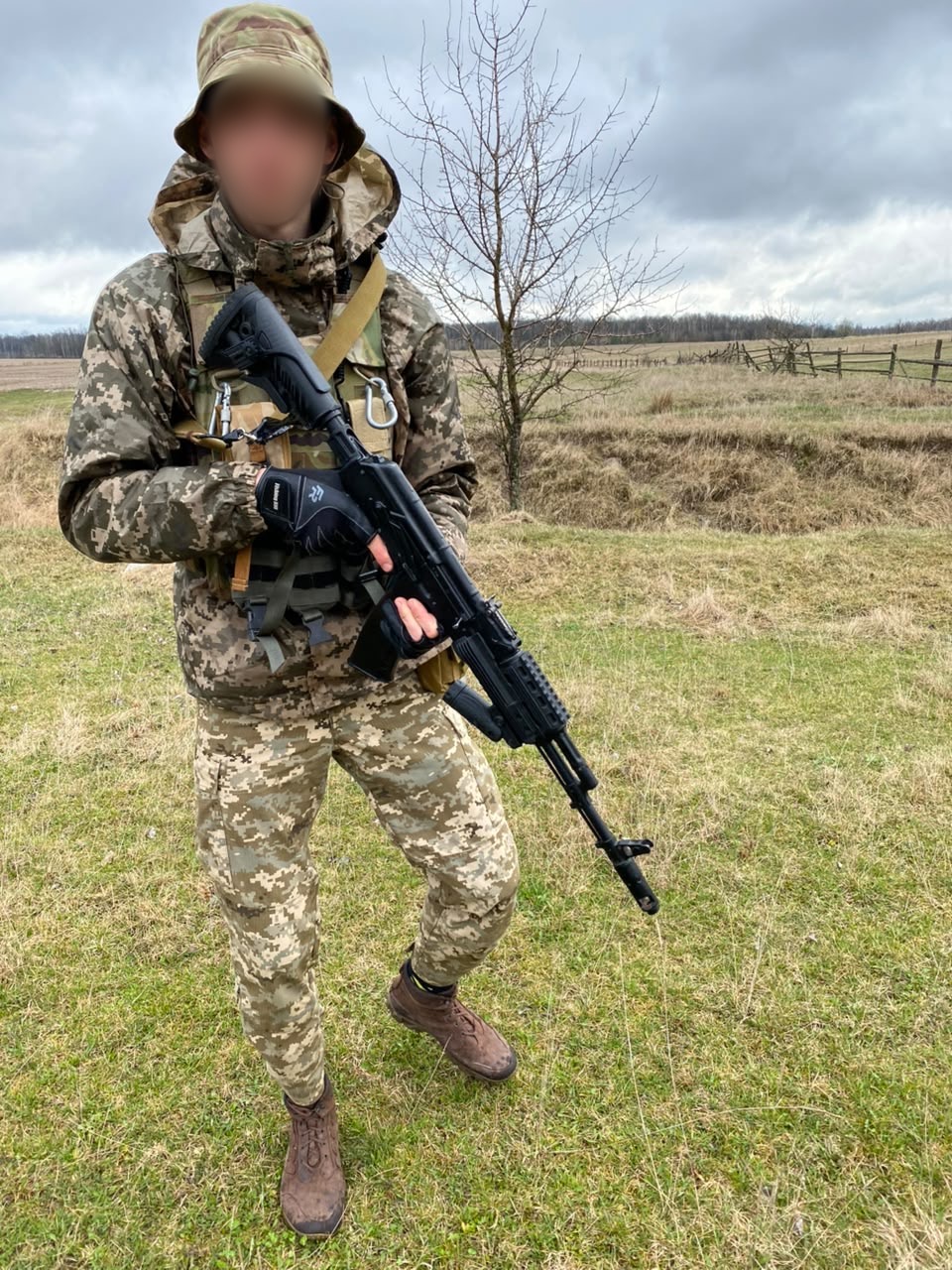
– You were wounded there. How did it happen?
– A Territorial Defence Forces brigade was stationed at a neighbouring position. Towards evening, we heard over the radio that one of their men had sustained a shrapnel wound and needed to be evacuated. What had happened was that two of them had gone on a reconnaissance mission without orders, deciding to set up an ambush for enemy vehicles. They split up. One of them triggered a tripwire or stepped on something and was wounded. The other could not evacuate him on his own. They contacted their unit and said that he needed to be carried out. The command replied that the evacuation would not take place until morning. So they contacted us. They explained what had happened and asked who could help. My leave was due to begin the next day. I thought, "I will go and help the guy, and then I can go home with a clear conscience." I arrived at their position, and we introduced ourselves. I said, "Let us first discuss what we will do in the event of an ambush, artillery fire, and so on." We agreed on a plan and set out for the place where the wounded man was lying. We covered two or three kilometres along the line of contact. We were moving "blind" because we had no communications. Along the way, I found mines and tripwires – I knew that the forest was heavily mined. We reached him and examined him. We did everything necessary: properly cleaned and dressed the wound. I gave him a painkiller. We placed him on a stretcher and began carrying him out. It was around 9 p.m. or shortly after. We had gone about ten metres when I triggered an explosive device. The blast threw us apart. I felt the pressure wave and realised that I was the one who had triggered it. I began administering first aid to myself by applying a tourniquet to my leg. The severity of the injury made it rather difficult, but I managed to put it on and tighten it. Then I did the same with my other leg. By then, the guys had realised what had happened and began helping me with tourniquets, wound packing and bleeding control. We had no communications, so they began making a route along which we could be carried out. They returned at around four in the morning. Throughout that time, I had to keep my emotions under control because we were very close to the enemy, within about 100 metres, and could not let them realise that we were there. I took off my body armour, picked up my rifle and put the magazines in my pockets. A sniper with the call sign Did, who was about 50, hoisted me onto his back, and we set off. It was dark, and we had no flashlights. We had been walking for about half an hour when we realised that we were lost. Did said, "God willing, we will make it out. If not, we will ‘go’ together." Eventually, we found the way and reached their positions. I was given a pack of medication to prevent sepsis. My guys arrived and began evacuating me. They carried me on a stretcher. At our central position, our company medic treated my wounds and gave me pain relief. The guys then carried me another kilometre and a half to the river. We crossed it, and I was transferred to a pickup truck. It was around six in the morning. Under fire, we sped to the ambulance waiting for us. At that point, I thought I should contact my sister. I eased into the news so as not to shock her, making a few jokes, but she asked why I was calling so early and whether something had happened. I replied, "I am on my way to the hospital." I handed the phone to the medic and lost consciousness because even the tourniquets could not completely stop the bleeding, and I was losing blood. There were two tourniquets on my right leg; a third had snapped, and one on my left. I regained consciousness on the second or third day after surgery.
– Until you lost consciousness in the ambulance, had you remained conscious the entire time?
– Yes. At one point, when I could no longer bear the pain, I asked the guys to "knock me out" so as not to draw the enemy’s attention. They replied, "No, we need to see how you are doing so that we can assess your condition." I endured it for a while longer and then tried to knock myself out, but it did not work.
– Do you remember the moment you saw what had happened to you?
– When I was wounded, I was neither in shock nor unable to comprehend the situation. I already understood that my legs could not be saved. The only question was whether I would survive. I thought I would be left there because the bleeding would not stop. Three or four hours had probably passed since I was wounded: the left leg was hanging only by skin and a few muscles, while the right one was severely lacerated by shrapnel. When I touched my legs, they were already cold. It felt as though they were no longer parts of my body. The evacuation lasted almost ten hours, so, as I said, everything was clear.
Fortunately, I had a good doctor in Poltava who fought until the very end to preserve as much of my limbs as possible.
– Is your amputation high?
– The amputation on my right leg is high. The left is below the knee.
– How did you undergo the prosthetic fitting process?
– There was an interesting story behind it. After I had spent more than a week in hospital and undergone my third operation, I received a call informing me that I had been placed on the waiting list for prosthetic fitting in Slovakia. A few days later, they called back and said, "We are not refusing you, but the waiting list is very long. At present, we cannot say when we will be able to fit you with prostheses. You will have to wait. It would be better for you to look for other options yourself." We began making enquiries. We considered going to Israel, but it would have cost around ten million hryvnias. Then my sister found some people in the United States who provided prosthetic care. They said, "Let us know when you are ready, and we will begin planning. We will see whether it works out."
I underwent rehabilitation in the Lviv region at my own expense. Then I received a call from the United States saying they were ready to accept me. The five of us who were travelling to the United States for prosthetic fitting were brought together in Lviv. We travelled to the United States via Poland. Literally the day after we arrived, all five of us were already standing on prosthetic limbs. They adjusted the prostheses for us, explained how to use them and how to take a step with the bionic knee, and taught us to walk. About two weeks later, they took us to San Francisco to relax and adapt to everyday life. We walked uphill, over rocks and across other terrain. For about a month, various activities were organised to help us reintegrate socially. The Ukrainian community supported us throughout – people helped with the prosthetic fitting and fundraising. It is all extremely expensive. For example, a single prosthetic knee cost $30,000–$40,000, while a prosthetic hand cost $50,000.
– How much did your prosthetic care cost?
– Altogether, around $100,000. Yakov Gradinar and Yura Aroshidze (co-founders of the Protez Foundation charity – O.M.) raise funds, launch fundraising campaigns, and provide prosthetic care.
– Did you not want to be fitted with prostheses in Ukraine?
– At the time, in 2022, there were not enough options available. I contacted Unbroken in Lviv and explained that I needed rehabilitation before being fitted with prostheses. They asked whether I would receive my prostheses from them after rehabilitation. I replied that I might, but I did not yet know because I had not received confirmation from the United States. They responded that, in that case, they would not provide me with rehabilitation, even though the centre also receives state funding.
You know, I have seen guys with Ukrainian-made prostheses, and they leave much to be desired. Yakov often travels to Ukraine, brings doctors together and is willing to share his expertise free of charge, but few people want to develop this field.
– When you returned to Ukraine, how did you adapt?
– I realised that people here were not prepared to see someone wearing prosthetic limbs. In Minnesota, I wore shorts when it was minus 20 degrees, and no one paid any attention to me. When I arrived in Ukraine, it was minus five. I went to a shop, and people looked at me, excuse me, as though I were an idiot and pointed at me. It was extremely unpleasant. I found that reaction harder to deal with than the injury itself. Do they not understand why this happened? It is not my fault that it happened. I did not want it. So I had to wear trousers, even though they were uncomfortable and made me too hot, simply to make it easier for people to look at me.
– Has this attitude among those around you changed over the four years of the war?
– People react a little more normally now, but they still pay attention. It is one thing when a child is curious and does not understand, but quite another when a man in his thirties or forties smiles and points at you. Still, I have come to terms with it. That is the kind of society we have.
– You returned to the war this year. Why?
– People are creatures who can get used to anything. The habit remains, as does the desire for the adrenaline you no longer experience and the sense of brotherhood that cannot be found anywhere else.
– How are you coping physically?
– More than three years have passed since I was wounded, so I have become accustomed to it and adapted. How can I put it... When I do not pay attention to the prostheses, I cannot say that I feel as though I have no legs.

– I interviewed serviceman Artem Moroz, who also lost both legs in the war. He told me about phantom pain. What was your experience with it?
– I had severe phantom pain. At first, I could sleep for only two hours at a time, and only during the day. I was in constant pain, and it felt as though my toes were being twisted. Sometimes I would wake up with the sensation that blood was running down my legs – a sensation my nerve endings had retained. Many people try to cope with it through medication. Around the third or fourth week after being wounded, I stopped taking the drugs. At first, I was constantly under spinal anaesthesia and receiving tramadol and morphine, which eliminate pain and sensation...
– But those are narcotic drugs.
– Yes. That was when I realised that I had to learn to cope with the pain myself and work on myself. So I decided to reduce the dosage first and then gradually stop taking the medication, trying to spend the entire day without anaesthesia. Before going to sleep, I took painkillers and sleeping pills. I needed to sleep because I had no strength and needed to recover. After about a week, I stopped taking them altogether. Of course, it was difficult. I was prescribed medications such as Keyver. I had to endure, overcome, and accept all of it. Even now, I can feel myself bending my knee and moving my toes. If I close my eyes, the muscles perform all those movements. I understand that this will remain with me for the rest of my life.
– You chose an interceptor drone unit, where you initially served as a technician. Why did you not become a pilot straight away?
– I had to learn. I had previously worked with Mavics, but interceptor drones are somewhat different. I am already flying missions. We are already operational. Everything is fine.
– How did your first flight go?
– There was some excitement and anxiety, but overall, I remained calm. It helps enormously that after rehabilitation and recovery, I worked as a tattoo artist. That gave me good fine motor skills, so I found the controls easier to master than many others did.
– What targets do you engage most often now?
– Shaheds and reconnaissance UAVs.
– Has their number changed recently?
– It changes constantly: sometimes there are fewer of them, sometimes more. It varies.
– Has your attitude towards the war changed?
– Fundamentally, probably not. I still believe that Ukraine must be saved. There are fewer and fewer people willing to do it. When I went to fight, everyone in our unit was a volunteer who knew what they were signing up for, why they were doing it, and what could happen to them. Many of those guys are no longer alive. And you can see for yourself what is happening with mobilisation in Ukraine now.
The approaches need to change because, in my opinion, the existing system does not work. This way, we will not be able to staff an army capable of carrying out the missions assigned to it. I want to see fairness and accountability for everyone involved in the mobilisation process. Not everyone is capable of performing the same combat missions. The war is changing, but the main objective is not: to preserve our people in every sense.
– We have a new Commander-in-Chief, whom the president has tasked with reforming the Territorial Centres of Recruitment and Social Support. Do you hope that the mobilisation situation will improve?
– There is hope. Drapatyi is a combat officer with somewhat different views on everything that is happening. Time will tell. The question is whether he can withstand pressure from other quarters. If one person wants change and everyone else does not, you understand what will happen. Look, I knew Zaluzhnyi before the full-scale war, when he commanded Operational Command North. He is a Man with a capital M. He does not have that attitude of, "I am an officer, while you are just a soldier." He has a great deal of humanity. But he was still removed from office.
– Do you ever think about when all of this will end?
– I see it differently now. I have the impression that the war will end either when there are no people left or when the changes that people have been waiting for – and have been giving their lives for since the beginning of the war – finally take place in the country. The issue is not that Ukrainians cannot fight back, but that they are not being allowed to. I know of such cases. We have to face the truth.
– How long are you prepared to remain at war?
– As long as there is hope. If you ask whether I would go and defend the people of Kyiv now, the answer is absolutely yes. But I would not defend those who profit from the war. The guys are dying while those people are increasing their wealth. It should not be this way. People lose their lives, while their families receive nothing because the system failed to account for something. When the servicemen return, there will be changes. They will be painful but ultimately for the better – everyone will be held accountable for their actions and decisions.
P.S. Friends, the 1230th Separate Engineering and Technical Regiment is preparing for winter and purchasing equipment for operations in extreme cold and frontline conditions. You can support the engineers through the official fundraiser launched by the regiment’s Civil-Military Cooperation Service:
🔗Link to the Jar
https://send.monobank.ua/jar/3RtuoSjpZw
💳 Jar card number
4874 1000 3123 8291
Olha Moskaliuk, Censor.NET
Photos provided by the interviewee


