



"To restore Ukraine’s population to its pre-2022 level, every woman would need to have eight children," - Kyiv Perinatal Centre director Dmytro Hovsieiev
Experts have noted a significant decline in Ukraine’s birth rate since the start of the full-scale invasion. This is not merely a demographic issue, but one that concerns the very existence of the nation.
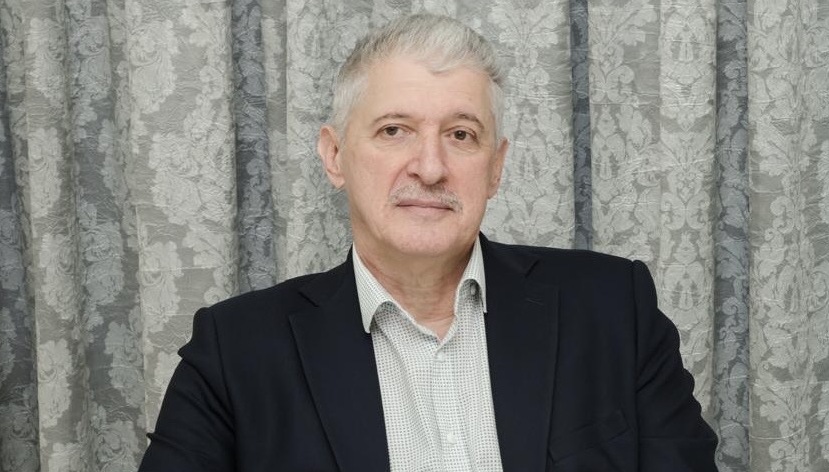
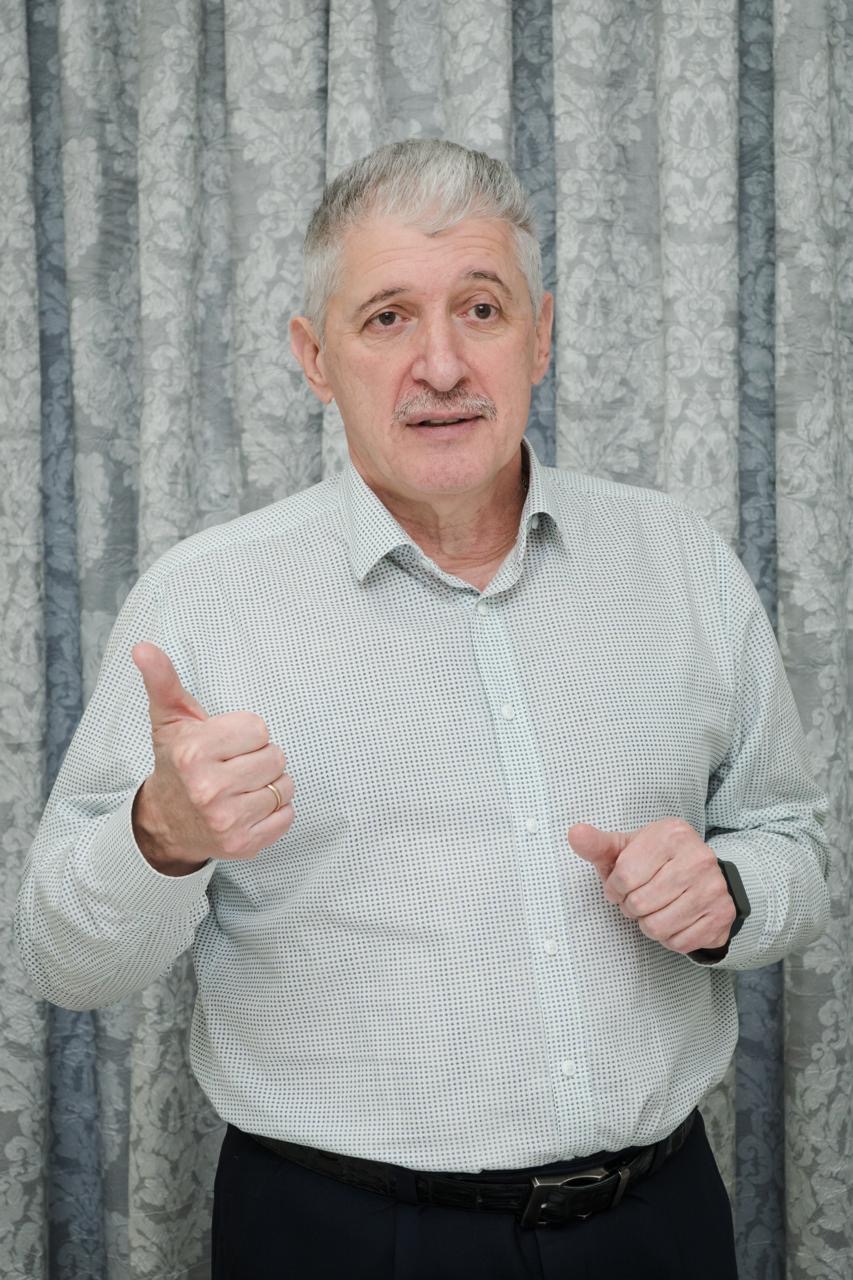
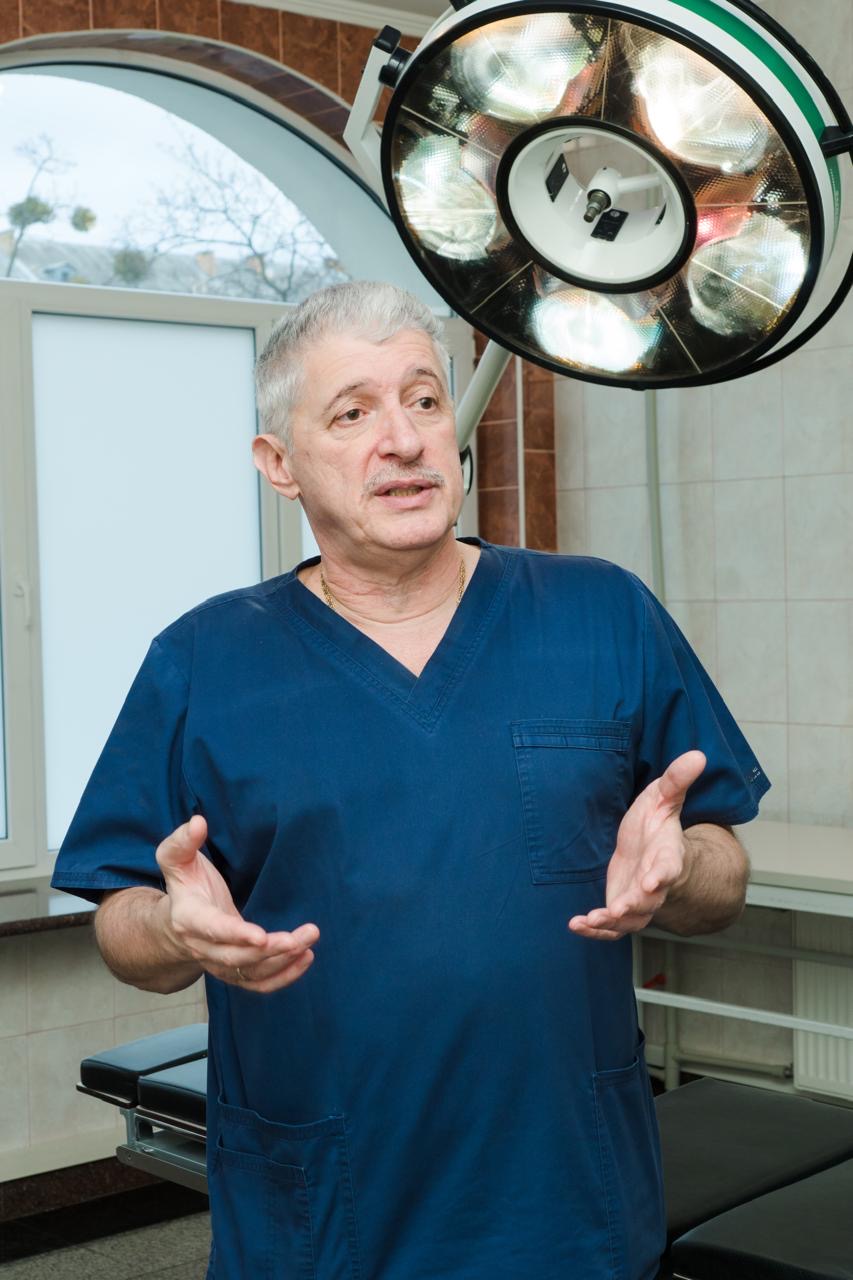
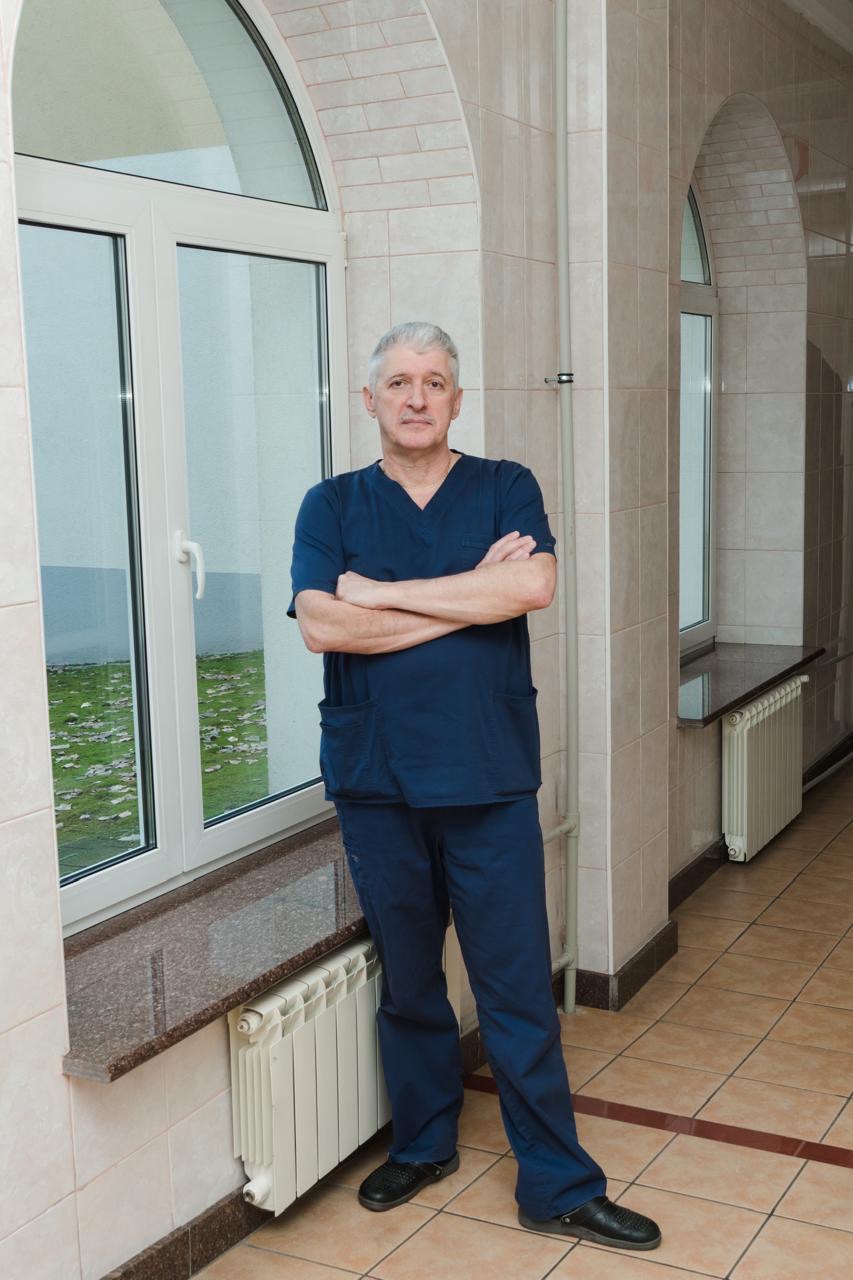
We spoke with Dmytro Hovsieiev, Doctor of Medical Sciences and director of the Kyiv City Perinatal Centre, about women’s fears of giving birth during the war, how the female body responds to the stress under which we all live, the declining number of children, and what this means for the country.
"Children’s voices are heard less and less often in city courtyards," someone will occasionally remark on social media. It is understandable that many families with children left after the start of the full-scale invasion. Increasingly intense and frequent bomb and missile strikes on Ukrainian cities, even deep in the rear, do not encourage them to return. No one wants children to grow up amid air-raid alerts and spend their nights in shelters, although this is precisely how thousands of families who are unable or unwilling to leave the country are living.
The war affects every aspect of our lives. Women who now decide to have a child here, in a country that is constantly under attack, seem like true heroines. Yet they are also the key drivers shaping the demographic situation in the country, which continues to deteriorate. And when you hear that a newborn spent the very first night of their life with their mother and grandmother in the basement of a maternity hospital because Kyiv was under attack, you experience deeply mixed emotions: the joy of a new life is intertwined with the horror that it could be cut short by a Russian missile strike.
There are other consequences of the constant stress under which we all live. Anxiety, nervous strain, attacks, uncertainty, and fear can cause a woman to lose her pregnancy. And how many horrific stories have we heard of a man being killed in the war while his wife or girlfriend was left pregnant? How can such a woman be supported so that she can carry the pregnancy to term, give birth, and find the strength to raise the child?
We discussed all these situations with Dmytro Hovsieiev, who has worked in obstetrics and gynaecology for 40 years, witnesses children being born every day and knows very well what it sometimes takes to bring them into the world.
"FOR THREE YEARS, WE OBSERVED A DECLINE IN THE NUMBER OF PRETERM BIRTHS — WOMEN’S BODIES WERE DRAWING ON THEIR OWN RESOURCES TO PREVENT THEM!"
- Has Kyiv’s birth rate changed during the years of the full-scale invasion? What were the figures in 2021, and how many children are being born now, five years later?
- The highest number of births we ever recorded at Kyiv’s municipal medical facilities was 33,000 a year. That was between 2000 and 2010. Looking at the past two years, 2025 and 2026, the birth rate has declined significantly, to 20,000 births a year. On the one hand, it is clear why so few children are being born and why there are so few women who want to have children. On the other hand, some of the reasons are related to health, while others are what we call social factors.
- At the beginning of the full-scale invasion, you personally did not leave and continued to provide care to your patients. You even moved into the maternity hospital...
- On 24 February 2022, when everyone was leaving Kyiv, and panic was all around us, an ambulance was on its way to our maternity hospital to collect a baby with a congenital heart defect. We had scheduled surgery for that day for a woman whose examination had revealed a heart problem in the foetus. It could not be postponed or rescheduled... The operation went ahead despite everything. Immediately after the caesarean section at our maternity hospital, the baby was taken by ambulance to the Children’s Cardiology and Cardiac Surgery Centre, where our colleagues operated on the newborn that same day. She had a critical congenital heart defect – transposition of the great vessels. For most doctors, evacuation was not an option at the time. We had to do our jobs.
- But, to be frank, many hospitals stopped operating, and their chief physicians left...
- What I am saying is that, for most doctors who can truly be called doctors, there was no "stop." There were no circumstances that made it impossible for them to provide care, and they did not refuse anyone because of the situation. This applies not only to obstetricians and gynaecologists, but also to our other colleagues who remained at their posts.
As for our patients, once hostilities began near Kyiv, those women who were able to leave the capital did so. But some pregnant women were afraid to travel far and feared being left without medical care. They called us or came directly to the maternity hospital. This created a large community that remained here at the hospital for a long time alongside the members of staff who had stayed. During that period, the staff was effectively on indefinite round-the-clock duty.
- How long did that last — a month?
- Longer. We only gradually began going home in May. Until then, we could not leave the people here...
- How many births did you attend during those months before you began returning to your normal operating routine?
- From 24 February until the end of May 2022, we attended 515 births. On the day the bombardment and all that unrelenting horror began, we not only operated on women whose procedures had been scheduled, but also performed emergency operations and delivered babies in the basement. We used operating theatres located in the safest parts of the building. They were completely surrounded by sandbags so that, in the event of an attack, nothing would interrupt an operation or delivery. All of this was both dangerous for everyone and an enormous responsibility for the doctors providing care. Two days after the start of the full-scale invasion, a missile struck the building next to the maternity hospital. In fact, it may have been aimed at us: it flew past our facility and hit a residential building. Everyone realised that this was no joke, that this was a real and horrific war...
- A few days later, the maternity hospital in Mariupol was attacked...
- It had always seemed that a medical facility was taboo, a place that decent people would regard as inviolable even during a war. I remember reading and seeing how red crosses were painted on roofs so that the buildings would not be targeted with bombs. But for the inhuman creatures who attacked us, the red cross instead became a target. I am certain that everyone who pressed a button to launch a bomb or missile at a medical facility will be held personally accountable.
- Zhuliany Airport is nearby. Did you consider moving everyone somewhere else?
- Well, perhaps we did have such thoughts, but where could we go? We had to keep everyone safe here. Thank God, our basement and semi-basement premises were effectively able to accommodate the entire maternity hospital. We set up an operating theatre, a neonatal unit, and many other facilities there. That allowed us to continue working. Of course, it was difficult. We used everything we had. We tried to make the women as comfortable as possible and ensure that we were able to provide care.
On what may have been the very first day of the full-scale invasion, a woman came to us with placenta previa and intermittent bleeding. She could not be moved anywhere. Her husband was with her. Incidentally, he was a foreign national rather than a Ukrainian, and they spoke English to each other. The couple effectively lived with us for two months before the child was born, with the expectant mother remaining under constant medical supervision. Our international team waited for the baby. We succeeded. After the birth, the family left the country.
- Did you discharge women after they had given birth? Or did they say, "I’m not going anywhere! I’m afraid. I’m staying here"?
- Many women did not want to go home after giving birth. They stayed with us and waited for the situation to change. It was warm here in the maternity hospital because we have our own boiler house, and the centralised water supply was never interrupted. We already had our own generator at the time (today, each branch has two) so that, in the event of an emergency, equipment that must operate continuously could continue working. We also had a stock of pellets and were already thinking ahead about what we would do if they ran out and where we could obtain firewood. We were prepared to operate autonomously. We always maintain reserves, and they helped us then. That is why women remained with us after giving birth. They felt safer staying close to medical staff with their tiny babies.
We formed three or four teams that could provide care regardless of whether they were officially on duty. As the director, my task was to ensure that we had medicines and food, because everyone had to be fed and treated. We organised all of this within the first few days.
There is one night from that period that I still remember because my own reaction surprised me. I fell asleep and, through my sleep, heard what seemed to be several explosions. At night, it is very difficult to tell whether a sound is an explosion or some other loud noise. Then I heard a scream. My first thought, of course, was that something had happened to someone. I ran to the admissions department and saw a woman who was already in labour. What I had mistaken for explosions was the sound of car doors slamming, while the screams that had made me think someone had been injured were from the woman pushing as she gave birth. But in my half-asleep state, I was terrified that something terrible had happened. Those events affected the psyche so profoundly and rewired it so quickly that childbirth, something our facility has handled throughout its entire existence, did not even occur to me as the most likely reason for someone to arrive. I was expecting wounded people, a mass influx of casualties after an explosion, but certainly not an ordinary delivery!
- What were you most afraid of at the time?
- Faced with such a severe ordeal, one might have expected a sharp surge in preterm births. We expected pregnancies to be cut short because women were under severe psychological strain and that we would be unable to keep them emotionally balanced even with the help of psychologists. Everyone tried, as far as possible, to reassure our pregnant patients that everything was under control and that the situation should not affect their condition... Pregnancy is an entirely different psychological state in itself, filled with anticipation and anxiety about the life to come. That is true even under normal circumstances. And if a woman is in a maternity hospital, it means she has some complication or that either she or her baby has a health problem, and we cannot send her home. And then there is a war, with things flying overhead, gunfire and explosions all around... It is extremely difficult to keep a pregnant woman emotionally balanced under such circumstances. But the most remarkable thing is that, despite everything I have listed, we did not see the expected surge in preterm births! We later calculated the number of complications, and the rate of preterm births at our facility fell from ten percent to five percent in 2022.
When I spoke with psychologists, they told me that this effect does, in fact, exist. Initially, the pituitary-adrenal axis is activated, keeping the body in a state that enables it to counteract all the shocks affecting it. We observed this decline in preterm births for three years! But it cannot last forever.
The statistics have now returned to pre-2022 levels.
During the first year of the full-scale invasion, the effect was so pronounced – the rate of preterm births fell from ten percent to five percent – that even we were surprised. The figure then began to rise slightly. By 2025, it was back to eight or nine percent, close to ten percent of all births. It has remained at that level this year.
I think scientists will study this effect.
We produced an article based on a large study of publicly available data from across Ukraine concerning complications and rates of perinatal and maternal mortality specifically associated with obstetric complications, excluding the direct effects of hostilities, trauma, injuries and everything else. And it can be said that their incidence has increased. It has been rising throughout the years since 2022.
And let us admit it to ourselves: we have grown accustomed to air-raid alerts and attacks. It is a tragedy, but when you live with that tragedy for a certain period, your perception of it naturally becomes entirely different. It has become the backdrop to our lives.
But we must understand by now that the demographic issue is no less important than supporting the military or helping the wounded. We always say that we must hold the country’s borders and save as many people as possible. And – very importantly – we must have children, for whose sake Ukraine is now being defended on the front line.
"TO RESTORE UKRAINE’S POPULATION TO ITS PRE-2022 LEVEL, EVERY WOMAN WOULD NOW NEED TO HAVE EIGHT CHILDREN. CLEARLY, THAT IS IMPOSSIBLE"
- In the 1990s, Ukraine already experienced a period when deaths outnumbered births. We do not know how many people have been killed now because the figure is not disclosed, but we see the cemeteries and understand that the numbers are, in fact, enormous. How do you assess the demographic situation in the country?
- Given the number of people currently remaining in Ukraine, every woman would need to have eight children for us to restore at least the population potential we had before the start of the full-scale invasion. I have heard such estimates. But that is impossible. I see a different solution. I am confident that most people who have gone abroad will return when the hostilities end and when they feel safe. They will return, and then we can expect the situation to improve... Rather than the 1990s, I would refer to 1986. After the Chornobyl disaster, the birth rate began to decline sharply. The demographic situation only began to recover closer to 2000. I think it will be the same this time. But back then, Ukraine’s population did not decrease. Now it has declined significantly. I want to believe that those who left will return, but I am not certain that everyone will. And will those Ukrainians who could potentially provide that demographic impetus return – those who will go on to have children once they are confident that there are jobs and security here? Those families and the children born to them would replenish Ukraine’s population. Then we could speak of some kind of demographic boost.
I do not know how much should be paid upon the birth of a child, but what mothers receive now is clearly not enough to encourage people to have children overall. That is how it seems to me. It is clear that raising children is difficult under the conditions in which we live, and it is clear that the safety of their babies is mothers’ foremost concern today. That is understandable. But our country’s borders must be restored to those of 1991, and Ukrainians must live within those borders. For that to happen, those Ukrainians must exist – they must be born, those Ukrainians who will live tomorrow in the best country in the world. I am certain of that and have always believed it. The demographic problem is, in fact, a shared one – it is very much a shared problem for the government, the president and medical professionals alike.
- Are there currently any measures to encourage people to have children?
- The programmes that existed previously are still operating. The amount paid upon the birth of a child has been increased. But I am afraid that this is not the only factor women consider when deciding whether to have a child. First and foremost, of course, they consider safety.
- Do women come to your doctors seeking abortions and say that they do not want to give birth because of the war?
- You know, I cannot even say that the number of women seeking to terminate pregnancies has increased significantly here. If anything, the opposite is true. If a woman comes to an inpatient facility, she already requires a surgical abortion. But there are different methods of preventing pregnancy. First and foremost, there is contraception. I think women have become better informed and have more opportunities to protect themselves.
But if it has already happened, every conversation with a woman about her decision to terminate a pregnancy becomes a kind of battle... Of course, circumstances vary. Sometimes a woman’s age is the reason she does not want to give birth.
- Didn’t they once call a 30-year-old woman an "elderly primigravida"?
- We used to write "advanced maternal age" for women as young as 27. I have never considered it necessary to define the optimal age for having a child... My position is that pregnancy should be a conscious decision and parenthood should be a conscious choice. That is my principled position, and it has remained so throughout my life.
- Women are increasingly giving birth after the age of 40 as well, because screening tests are now available that can detect even genetic conditions in time. Older women give birth to healthy children.
- That is true. And it should not be surprising. Medicine has advanced considerably. It can help a woman become a mother whenever she chooses.
"A WOMAN WHOSE HUSBAND HAS BEEN KILLED WHILE SHE IS EXPECTING A CHILD IS HELPED MOST BY THE WORDS ‘WE ARE HERE FOR YOU’ AND BY KNOWING THAT HER DOCTOR IS, FIRST AND FOREMOST, HER FRIEND"
- After the start of the Russian-Ukrainian war in 2014, there was a case in which a mother carried and gave birth to twins using biological material from her son, who had been killed without having children of his own. More than once, I have heard commanders say that servicemen who do not have children should preserve their biological material so that their wives could later use it. There have been cases in which a wife gave birth to her husband’s child after he was killed... What is your view on this?
- From a medical perspective, it is possible. Biological material and embryos can be frozen without any difficulty. But from a moral and ethical perspective... You know, I always put myself in the position of the parents or, for example, the wife. Their son or husband is going to war, and we are supposed to ask him: "Would you like to preserve your genetic material, just in case?" It is as though we are conditioning him to think that he might not return. You see, such options must be available. But I do not know how to raise this with someone... Or who should be the one to suggest it...
- First and foremost, it must be his decision.
- Yes. He must know that it is possible and that it is the right thing to do. But how do you say it?.. As both a father and a man, I do not know how to say to someone going to the front: "Let us leave a small part of you here, just in case, and if you do not return, we will use it"? I do not know; I could never bring myself to say that. But this option must be available. The material must be stored with absolute reliability, and there must be an option to use it subsequently. These options do exist, incidentally. Both public and private centres provide such services. Even the National Health Service of Ukraine has a service package covering the necessary costs. But the ethical aspect of this issue is extremely delicate. Families have come to me to ask what can be done and how. When they ask themselves, of course, I explain everything in great detail: how, where, what and why.
- Over the past few years, I have personally known of several cases in which a child’s father was killed while his girlfriend or wife was in the early stages of pregnancy. The family and friends did everything possible to help her carry the pregnancy to term. Have you had cases in which it became known that the child’s father had been killed while the woman was in the early stages of pregnancy?
- Yes, and quite a few.
- How do you work with such women? What words do you find for them? It is extremely difficult... Any word may prove inappropriate.
- This primarily requires the work of a psychologist. A woman who has found herself in such terrible circumstances is helped most by the words: "We are with you, we will do everything possible to ensure that your pregnancy has a successful outcome, and we will be here for you." Those words help her through this period of uncertainty: what will happen tomorrow?.. When a pregnant woman trusts her doctor, when she sees him not only as a doctor but also as a friend, someone who can offer advice and whom she can consult not only about her health but also about matters in her life, in my view, this is more important to her than strict medical instructions. The relationship between doctor and patient as partners comes to the fore, rather than one between a patient and a doctor who dictates the conditions under which the pregnancy, delivery and breastfeeding must proceed. A pregnant woman experiencing loss is surrounded by emptiness; she hears and sees nothing. Naturally, it is extremely difficult for her to absorb our explanations about the need to take medication at particular times and other instructions. That is precisely why the doctor must become a partner and friend who remains by her side throughout — during the delivery and afterwards. Many women who have gone through this return after their pregnancies and seek advice when necessary. Continuity of medical care provided by a particular doctor is so important today that the alternative system (involving outpatient care, inpatient care and other levels) no longer works. A person chooses a doctor whom she trusts based on her impression of them, their mindset and various other criteria. And she goes through life with that doctor.
- But that is difficult for the doctor.
- It is. Thank God, we have organised our work so that we have two psychologists on staff. Today, one could say that they work around the clock. There are so very many situations requiring their intervention. Previously, these primarily involved losses – severely ill babies or pregnancy loss – but today, we are dealing with genuine PTSD, panic attacks and everything associated with them. In most cases, this is what creates the need for support, rather than problems related to medical complications.
Today, many women who arrive to give birth may be without their husbands. He may simply be unable to obtain leave on that particular day. To be honest, it is difficult every time to ask whether the unborn child has a father. We may not know what emotional state the woman is in when she does not know where her husband is or whether he can be with her. These are all extremely delicate questions.
- A woman’s birth partner may not only be her husband, the child’s father, or one of her relatives, but also a female friend... Whom do women want by their side?
- Even before the COVID pandemic began, we introduced the "Home Birth" programme, which is still operating. People wanted to give birth in an environment that felt as much like home as possible, with medical instructions and rules being as unobtrusive as possible. We are not talking about violating any rules – no, that is not what this means. A woman has the right to choose how she gives birth, where she gives birth, and who her birth partner will be – and these choices make the birth proceed very differently. In the year before COVID, we had up to 5,000 births annually, and 500 of them took place under the "Home Birth" programme. That is a great many – ten percent. Today, such cases are rare. But a woman chooses as her birth partner someone with whom she feels comfortable. That is extremely important. And it does not always have to be her husband. No, it may be a female friend or someone who has a particular psychological influence on the woman. And it genuinely works. As doctors, we monitor the progress of the delivery in any event, despite it being part of the "Home Birth" programme. We monitor cervical dilation, the baby’s condition and the overall situation. But a comfortable environment, created in part by the presence of someone with whom the woman feels at ease, can both relieve pain and provide stimulation when necessary. In such circumstances, the birth proceeds as physiologically and naturally as possible. I do not believe there is anything frightening about that.
During her first pregnancy, a woman is frightened because something new is happening to her. She hears countless stories about childbirth. When she enters the delivery room and sees the delivery chairs and gleaming medical instruments, that alone may cause her to panic. Naturally, everything depends on her preparation and how consciously she has approached her pregnancy. Today, pregnant women attend lectures and visit maternity hospitals – we hold an open day every day, which never happened in the past. A woman comes in and says: "I want to see where and how this happens. Please show me so that I can decide whether to choose your maternity hospital." And she has that right. We take her and her husband by the hand and show them around. But some women are unprepared. We cannot force them to come to us before they give birth and say: "Look!" No, that impulse must come not from outside, but from the heart and soul. Women choose the partner who will be beside them and the doctor who will deliver the baby. This is extremely important and places considerable responsibility on us as doctors.
"CARING FOR PRETERM BABIES IS VERY EXPENSIVE"
- From what you see now, are there more first-time mothers whose child then remains their only one? Does a woman say: "I do not plan to have any more children; one is enough, and even that is an achievement"? Or are there more women giving birth to a second or third child? Are there any statistics on this?
- I have not heard the words "I will not give birth again" for a long time. A very long time!
- But women used to say that, didn’t they?
-They did. You know, today we can say that childbirth can be comfortable. Many women who read this may disagree with me. But the pain relief options available during childbirth today cannot be compared with what existed even 40 years ago, when I began working. The most effective form of pain relief used at the time was the woman’s own deep breathing. If anyone says that childbirth is not painful, that is untrue. Childbirth is painful. Accordingly, if various methods of pain relief are available, they should be used. I am not referring only to epidural or spinal anaesthesia. Breathing and physical exercises can and should also be used. Even having a loved one present during the birth is itself a method of pain relief. When all these methods can be practised, it is generally possible to say that childbirth can be comfortable. That is why I almost never hear: "That was the last time I gave birth; I never want to go through that again." Perhaps that is because I am not present at births as often these days... (he laughs.) But at least the women who come to me do not say: "I want just one child and no more." I have not heard that for many years, around 20 years. On the contrary, it seems to me that young families now try to have two or three children.
- Have you observed how women’s health has changed over the years and which problems have become particularly pressing now?
- Preventive care for women’s health has been and remains the greatest challenge. Unfortunately, this issue is now further complicated by the circumstances. We tell every woman that she should see a gynaecologist twice a year. Let us be honest: who actually does that? Yet malignant cervical tumours are among the three leading causes of death among women. And the disease is asymptomatic in its early stages. The same is true of prostate tumours in men. We have specialists who can detect these conditions, treatments for them and facilities where all of this can be done – women need only come in so that a doctor can examine them and identify the problem in time. There are so many tests available! There is now even a self-test, meaning that a woman can perform the test herself at home and bring the result to her doctor. Yet they still do not go. Vaccination against the human papillomavirus was once described as a breakthrough in medicine. And now we are already vaccinating girls! It is accessible. We will soon begin vaccinating boys as well. This virus is the one most strongly associated with the development of malignant tumours.
When visual examination was the only option, one could say that the necessary technology was unavailable. Today, it is available. There is no technique used elsewhere in the world that is not also used in Ukraine today. We have everything – absolutely everything. We have the determination, capacity, doctors and experience. People need only come in and get examined. But our favourite principle applies here as well: as long as nothing hurts, everything must be fine...
Taking care of yourself is important and necessary. Particularly at a time when the enemy wants to kill us all. We must survive and remain healthy so that we can rebuild the country and raise new generations of Ukrainians.
- If a woman has lost a pregnancy at an early stage once or twice, is there still a chance that she will eventually be able to become a mother?
- I cannot say that doctors can provide a 100 percent guarantee, but many more women now manage to carry their pregnancies to term. In addition, the ability to care for babies when a pregnancy ends prematurely has improved significantly.
- What does that mean? Are you talking about babies born prematurely? But their weight may be critically low for survival...
- I will repeat the principle adopted in every European country: a baby that has reached a weight of one kilogram must be born alive and must survive. Full stop. The baby must survive! In the past, we used to say that such a baby was too small. Today, we state that this baby must live. Below one kilogram, there can and already is debate concerning opinions, actions, and different assessments. One kilogram corresponds to approximately 28 weeks of pregnancy. In other words, there would still have been three months until a full-term delivery. We must provide the baby with the care it would otherwise have received during those three remaining months in the womb. That is why we keep the baby in hospital for three months: its biological age is calculated not from the moment of birth, when it entered the world, but from the gestational age at which it was born. In other words, the baby may be three months old but has only just reached its full-term due date, you see?
I cannot speak for everyone, but the Kyiv City Perinatal Centre, at least, has everything necessary to care for such a baby and minimise the risk of the child subsequently developing a disability. Yes, it is extremely difficult and very expensive. When it comes to severe cases, specialists in any field of medicine will say that the funding transferred to us by the National Health Service of Ukraine is insufficient. I do not think I am saying anything unusual in that regard. But all of us try to save our patients. And, generally speaking, we somehow manage to stay afloat. But I will emphasise once again: babies born at 25 to 28 weeks of pregnancy are extremely expensive to care for.
- This is a very delicate question: over the years, you must have been deeply affected by some of the stories in which babies only a month old were killed by missile or bomb strikes. We know that this has happened in Kyiv as well. How do you process this?
- It is horrifying, a tragedy...
- A pregnant woman was killed on Zhylianska Street in Kyiv.
- I do not know how the people who press the buttons or make the decisions to launch a missile live with themselves. Although they are not people. They are creatures.
Every case involving a medical facility, a maternity hospital, children or pregnant women shocks me. Maternity Hospital No. 5 in Odesa was recently damaged...
- You once said: "The older I become and the more experience I gain, the better I understand that I know nothing." But perhaps something has changed now; science is advancing, and you are more confident that you know more? Was something previously lacking in medicine, some kind of breakthrough?
- In clinical medicine, it is a cause for celebration when you preserve a pregnancy and help a woman carry it to term, when you help a woman with a severe medical condition carry her pregnancy to term, and both she and the baby survive. When you engage in research... You have to love it deeply and believe that it can genuinely benefit people as a whole. That is something slightly different... Today, I derive satisfaction when, for example, a care pathway or mechanism designed to operate across the entire city is launched and produces a particular result. Today, I derive more satisfaction from having organised and scaled something up. I still perform surgery, although naturally not as often as I once did. But I can say that very few people are capable of performing the operations that my colleagues and I conduct today. We have developed our own techniques and have our own capabilities. Today, women who experience extremely severe complications during childbirth retain their uteruses, survive without massive blood loss, and can give birth again.
Every paper successfully defended by one of my students is a victory. The latest paper produced by my colleagues and me has been accepted by the world’s leading medical journal, The Lancet — for every medical professional in the world, it is the top journal, number one. The paper analysed the state of obstetric and gynaecological care in Ukraine during the war years. It is a very interesting study, and receiving comments from the reviewers was important to us as well. They ask us: "Explain how explosions affect your work, how gunfire affects it?" They do not understand how we live and work under such conditions. This is a different kind of medicine, a different kind of obstetrics, and a different demographic reality. That is why I believe Ukraine is the best country. It is, without question, the country that will soon teach and set the standards and requirements for the entire world, not only Europe. Because I am certain that no one, anywhere, has the experience that Ukraine has.
- It would have been better if we had never acquired it, of course...
- Perhaps this is our path. And we must walk it with dignity. I am certain that Ukraine will not disappear. And Ukrainians will endure. And they will be proud that Ukraine defended all of Europe.
Violetta Kirtoka, Censor.NET


