



From negligence to sabotage: what lines of inquiry are being pursued after ammunition detonated at depots and who will compensate victims
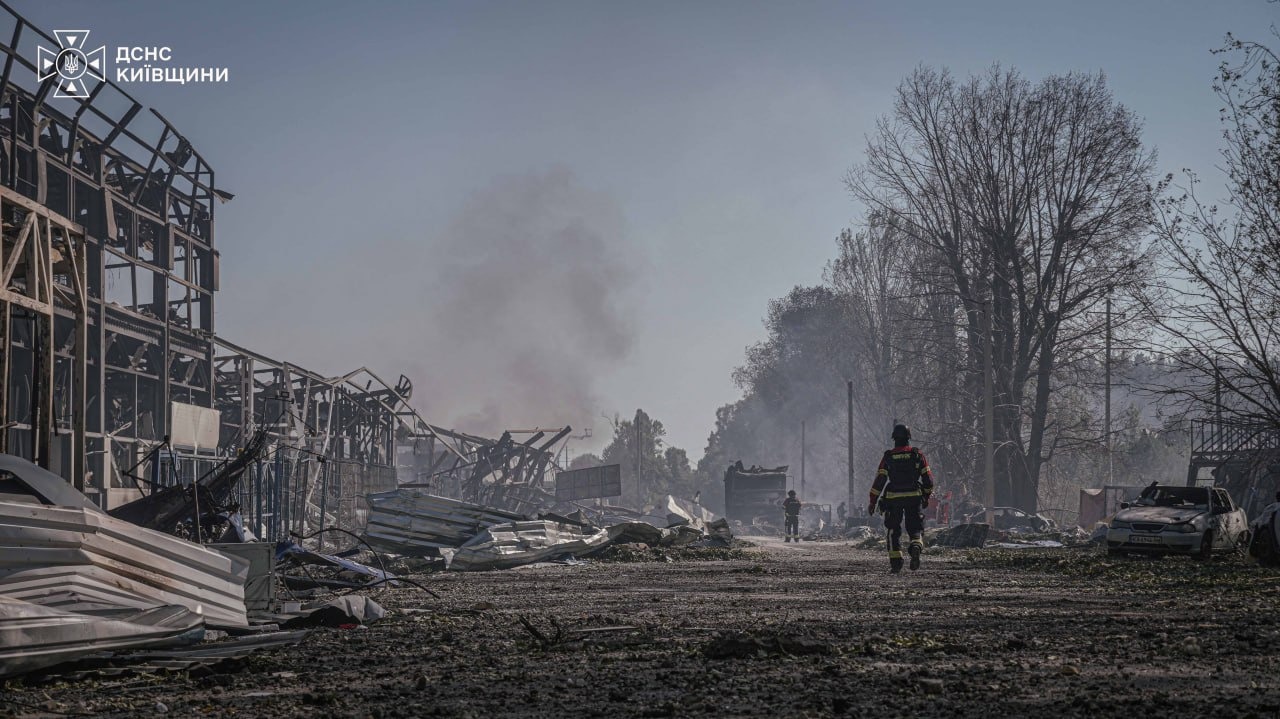
It emerged today that the head of one of the Security Service of Ukraine’s units had been notified of suspicion over violations in the organisation of weapons and ammunition storage in the village of Myla, Kyiv region, where an enemy UAV strike and the subsequent detonation of ammunition killed 35 people and destroyed hundreds of civilian infrastructure facilities.
When these events occurred, the head of state called the location of such a depot amid residential buildings "appalling negligence" and stressed that, after the incident in Vyshneve, where a depot had also been located and the ammunition subsequently detonated, allowing such a situation to recur was absolutely unacceptable.
But why did it happen again just under two months later? And why did a series of explosions occur this summer not only in the Kyiv region but also in other regions? A Censor.NET journalist investigated whether the causes and those responsible had been identified and who would compensate those affected for their losses.
DANGEROUS PROXIMITY
According to the Prosecutor General’s Office, the SSU officer is suspected of the wilful failure by a military official to perform actions required by his official duties under martial law, resulting in grave consequences (Part 4 of Article 426 of the Criminal Code of Ukraine). The Office also recalled that at around 8:10 p.m. on 28 August, Russian forces attacked the warehouse premises of an enterprise in the village of Myla with drones. Some of those premises were used by an SSU unit.
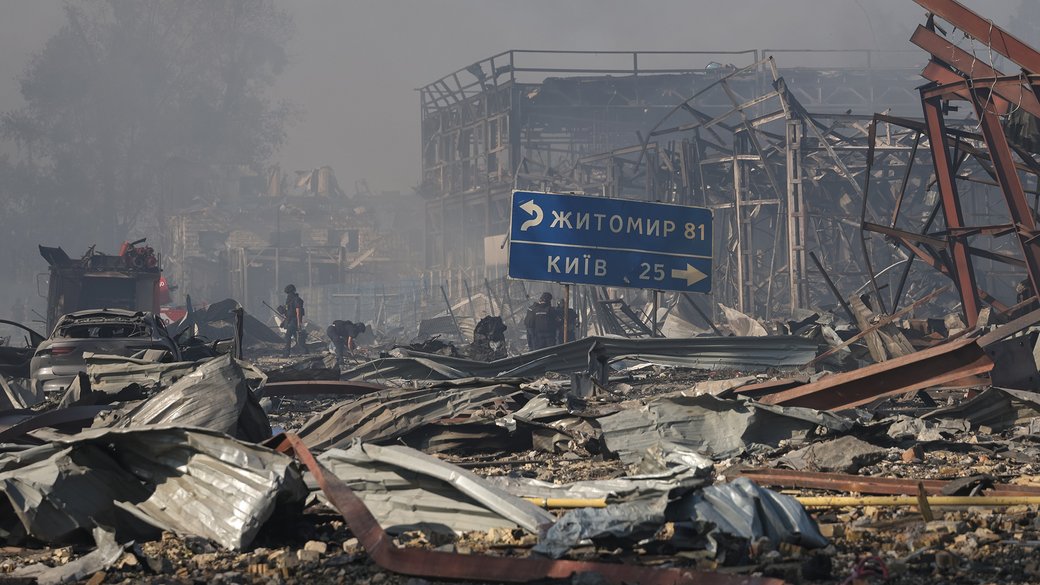
Following the strike, the ammunition began detonating, while explosions and fire spread to neighbouring facilities.
The attack and subsequent detonation killed 35 people, while one person remains missing. Twenty-one people were injured, including two children, police officers and rescue workers.
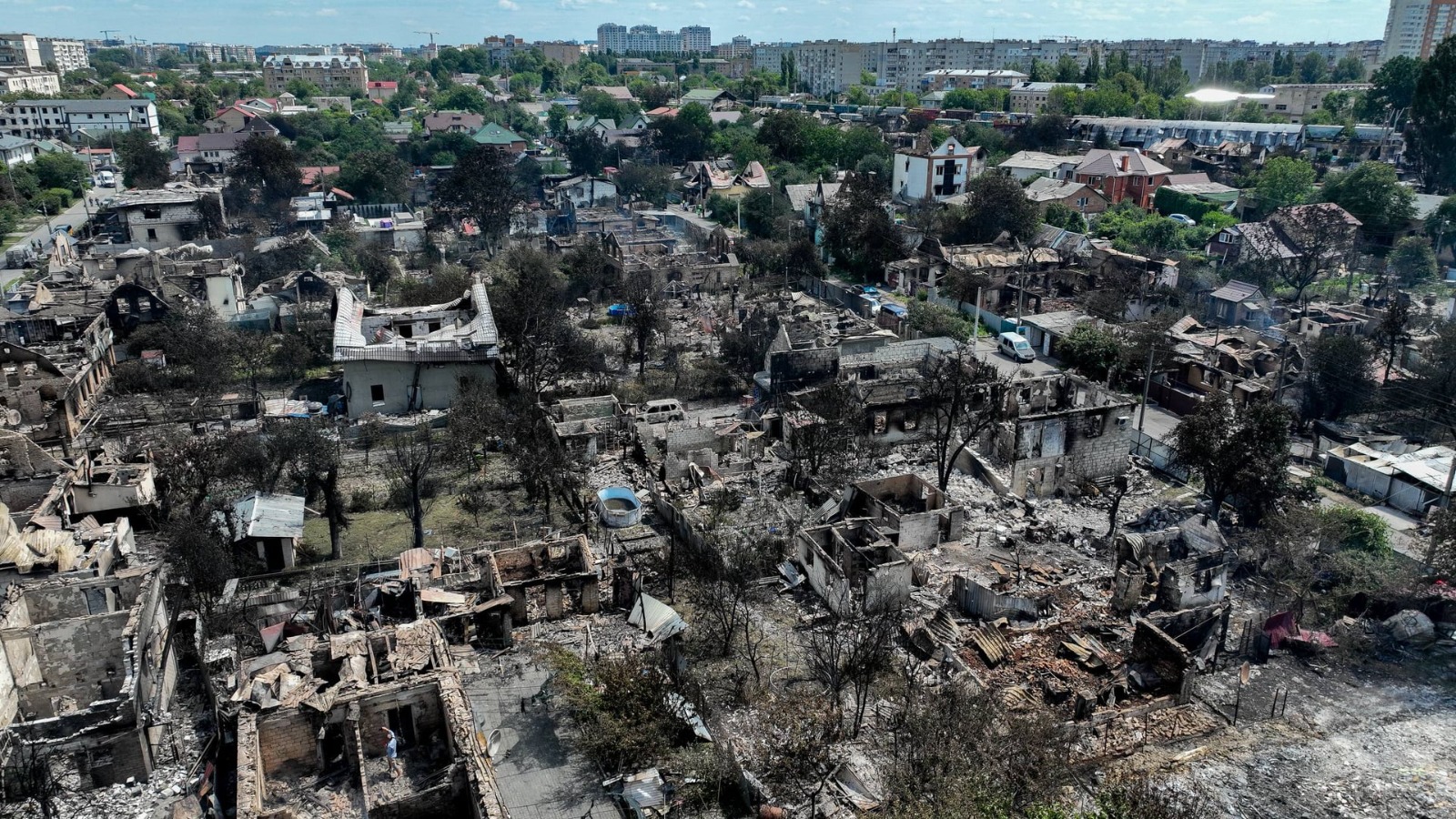
A nearby care home for older people sustained the most extensive damage. Fourteen apartment buildings and 191 private houses were also damaged, with some buildings completely destroyed. Twenty-four vehicles were damaged, including police and rescue vehicles.
"According to the investigation, the suspect, as the head of the unit responsible for storing weapons and ammunition, allowed them to be stored in a former vegetable storage facility.
It has been established that, from the time these warehouse premises were first put into use, they lacked the required certification and did not meet the established safety requirements for storing explosive items.
Moreover, the depot was located less than 100 metres from residential buildings. According to the case file, the requirements governing the permitted quantity and dispersal of ammunition, which were intended to reduce the risk of simultaneous detonation and damage to surrounding facilities, were not observed.
"Following the tragedy in Vyshneve, measures were initiated to decommission the depot and remove the ammunition. However, this work had not been completed as of 28 August," the statement reads.
The Prosecutor General’s Office also added that investigators were examining the circumstances surrounding the failure to ensure proper oversight of the facility’s security and the failure to take measures to strengthen its air defence protection.
Forensic explosives examinations and fire engineering examinations have been ordered as part of the criminal proceedings.
The Prosecutor General’s Office emphasised that investigators were establishing all the circumstances of the incident, as well as identifying other individuals whose decisions, actions or omissions may have affected the scale of the consequences of the Russian attack.

Clearly, one of the questions the investigation must answer is how the enemy learned that ammunition was being stored in the former vegetable storage facility. The same question arises in the case of Vyshneve, where the depot was located on the premises of an enterprise situated near residential buildings. Following the incident in this Kyiv region city, the management of the defence enterprise was detained in July: its former director general and deputy director for production were notified of suspicion of official negligence resulting in grave consequences and loss of life. However, it remains unknown whether investigators have established how the enemy could have learned about the facility and what was stored there. We put this question to the Prosecutor General’s Office.
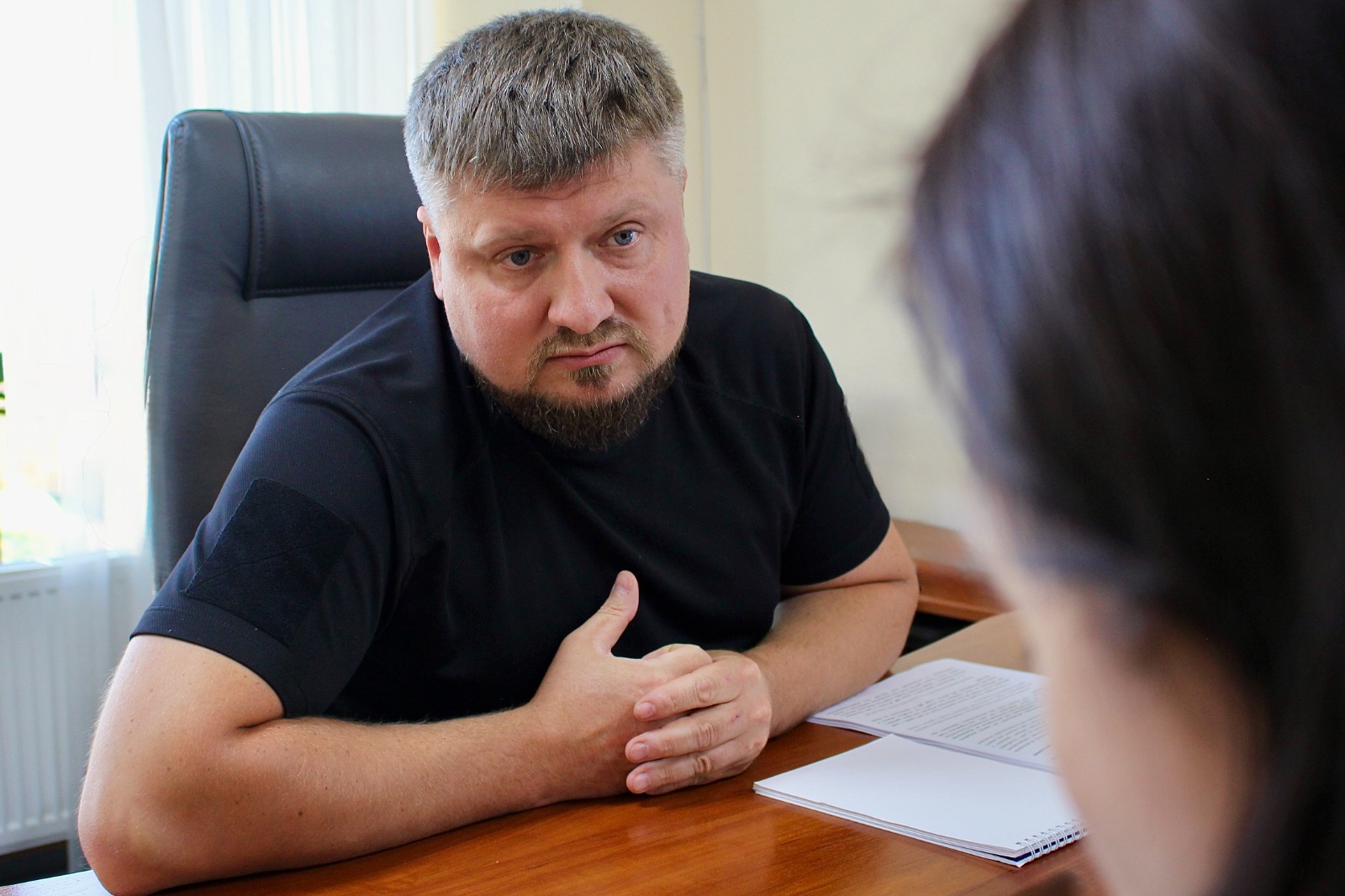
"This is one of the lines of inquiry being pursued in these proceedings. Accordingly, we must investigate not only the enterprise management’s involvement in the commission of the crime but also the protection of information," Deputy Prosecutor General Andrii Leshchenko told Censor.NET. "At present, investigators do not yet have reliable information about how the enemy could have learned of this facility, but they are considering several theories. One is that the enemy continuously conducts monitoring and reconnaissance using jet-powered Shaheds.
They are now equipped with cameras that take photographs and record video of the area, after which specialised enemy units analyse this information. In other words, analysts can examine the footage and determine whether a facility is civilian or military and whether it is a potential target. That is because this method is also used to identify targets for strikes, not only military facilities, but civilian ones as well.
The second line of inquiry concerns the activities of enemy agents on Ukrainian territory.
The third line of inquiry concerns cyber activity, which can likewise produce intelligence without a physical presence, solely through access to data transmission systems and databases from which information about the existence of such a facility in Kyiv region could have been obtained.
Investigators are currently still pursuing all three lines of inquiry."
As an official statement by the Prosecutor General had previously revealed that a large quantity of ammunition had been stored in premises that categorically failed to meet safety requirements and lacked the required permits, we also asked whether any authority was responsible for overseeing such enterprises and depots and conducting inspections there.
The Prosecutor General’s Office confirmed that the premises were indeed not equipped for ammunition storage, which constituted a violation, and that the head and deputy head had been held accountable for it. At the same time, oversight functions are performed by the Ukroboronprom State Concern, of which the enterprise was part. Under applicable laws and regulations, inventories of assets must be conducted at the Concern’s enterprises. The enterprises themselves must report to the Concern on what assets they store, what those assets consist of, and exactly where they are located.
This ensures control over the quantity of such assets, as well as the planning of production processes at the enterprise and logistics planning. Andrii Leshchenko noted that the actions of the Concern’s officials would also be assessed during the investigation. However, investigators must first establish whether they received inventory reports from the subordinate enterprise. "If they received those reports and knew that such weapons were being stored in the immediate vicinity of a populated area or residential buildings, then what measures did they take to remedy the violation?" Andrii Leshchenko explained. "If they knew and took no action, this indicates that there are grounds to assess their actions as part of the criminal proceedings and, if sufficient evidence is available, to notify them of suspicion."
Asked why this had still not been established, he replied: "We cannot notify individuals of suspicion solely on the basis of our own conviction. For a suspicion to be substantiated and based on the factual materials of the criminal proceedings, evidence must be collected, and that takes time.
The period for the pre-trial investigation is two months. Accordingly, within those two months, we collected evidence indicating the presence of elements of a criminal offence in the actions of the enterprise’s management—the director and deputy director. We are now collecting evidence to support our hypothesis and the suspicion communicated to those officials, while simultaneously conducting investigative measures aimed at establishing the role of senior management.
"Following interviews, the examination of documents and the relevant audit, the collected materials will be analysed, and a decision will be made on whether there are grounds to notify anyone else of suspicion
– Why was a potentially hazardous facility located next to residential buildings? Did you investigate those who authorised it?
– No one had actually granted any such authorisation. That is precisely why this is a subject of the investigation. Had the relevant authorisation been granted, it would have directly violated the prohibitions established by applicable law. Therefore, anyone who granted such authorisation could likewise face criminal liability.
The Prosecutor General’s Office told Censor.NET that 14 forensic examinations had been ordered in the case. These include an examination of the weapons, traces and circumstances of their use, an explosives examination, a fire engineering examination, and construction and engineering examinations of properties at the addresses where seven people were killed. The damage caused to the enterprise by the explosion is also being assessed.
Forensic medical reports establishing the causes of death have already been obtained, while the other examinations remain ongoing. The total losses resulting from damaged and destroyed property are to be established through the construction and engineering examinations.
The Prosecutor General’s Office explained that the enemy attack and the detonation of ammunition in Vyshneve had damaged more than 700 civilian infrastructure facilities. No one can yet say how long the examinations of those facilities will take because a great many civilian facilities have been destroyed or damaged since the beginning of the Russian Federation’s full-scale invasion. Each incident is investigated and such construction and engineering examinations are ordered, while forensic institutions conduct them in the order in which they are received.
Responding to a question about who should compensate those who lost property in Vyshneve, Andrii Leshchenko said that if a causal link were established between a specific person’s failure to act or improper performance of duties and consequences such as the destruction of or damage to property, loss of life or bodily injuries, the victims would be entitled to bring a civil claim against that person. The matter would, of course, be decided by a court.
"If that person is unable to compensate for the losses, and we understand that the amount will be substantial, the Civil Code contains a provision under which damage caused by a crime may be compensated by the state if the person who committed the crime is unable to provide compensation," he added.
At the same time, the damage to and destruction of homes, as well as the recognition of individuals as victims in Vyshneve, are also being investigated in separate criminal proceedings over a war crime committed by the Russian Federation under Article 438 of the Criminal Code of Ukraine. Procedural supervision in these proceedings is being carried out by prosecutors from the Kyiv Regional Prosecutor’s Office. A preliminary total of 798 people who sustained material losses, 29 who suffered bodily injuries and seven people who were killed have been recognised as victims.
"We must not forget Russia’s role in what happened, since the attack was carried out by the Armed Forces of the Russian Federation. People recognised as victims in the criminal proceedings being investigated under Article 438 of the Criminal Code may submit claims to the Register of Damage, which operates in the Netherlands. We hope that in the future, after our victory, Russia will pay reparations or compensation, including compensation for the damage caused by this crime," the Deputy Prosecutor General noted.
WHY IS THE REAR ALSO EXPLODING?
My interlocutor emphasised that the relevant directives and orders of the General Staff of the Armed Forces of Ukraine contain an entire set of prohibitions against locating or establishing ammunition depots and arsenals within residential areas. However, why this nevertheless occurs must be established during investigations conducted as part of specific criminal proceedings. One such case concerns the explosions in the settlement of Kurylivka, Dnipropetrovsk region.
In July this year, after the incident in Vyshneve, a video showing explosions amid residential buildings without an air-raid alert having been declared appeared online. There were also reports alleging that the explosions had again been caused by an ammunition depot and that the property of nearby residents had been damaged.
The Prosecutor General’s Office confirmed this to Censor.NET and stated that criminal proceedings had been opened over a possible criminal offence under Part 1 of Article 414 of the Criminal Code of Ukraine (violation of the rules for handling weapons, as well as substances and objects presenting an increased danger to others).
The pre-trial investigation is ongoing, 11 people have been recognised as victims, and the necessary investigative and procedural measures are being conducted.
Details of precisely what happened are not being disclosed in the interests of the investigation. "The only thing I can report at present is that ammunition did indeed explode there. Investigators must now establish which unit or specific individuals moved that ammunition there and for what purpose," Andrii Leshchenko said.
An investigation is also continuing into another emergency that occurred this summer – an explosion followed by detonation on the training ground of a military unit in Khmelnytskyi region – which was reported by the Special Operations Forces.
Criminal proceedings have also been registered under Article 414 of the Criminal Code of Ukraine in connection with this incident.
"The causes of the ammunition detonation must be established. This question should be answered by an explosives examination. Experts are working with physical evidence collected at the scene," Andrii Leshchenko told Censor.NET. "There was no incoming strike in this case, so the lines of inquiry being examined in these criminal proceedings include sabotage, deliberate unlawful acts by military officials, and self-detonation (technical malfunction) of the ammunition.
The investigation is still ongoing. No individuals have been notified of suspicion at this time."
According to the Prosecutor General’s Office, the criminal proceedings have established that civilian infrastructure facilities were destroyed or damaged, including apartment buildings and private homes, buildings and vehicles belonging to enterprises. Military property was also damaged and destroyed.
To establish the extent and value of the damage, the authorities are currently considering ordering explosives and commodity valuation examinations and are collecting the relevant materials for this purpose.
The State Bureau of Investigation (SBI) previously reported that fragments of human remains had been discovered during search operations. We therefore asked whether the remains had been identified and how many people had been killed in total.
"The death of one servicemember has currently been confirmed. Four servicemembers are considered missing. A number of molecular genetic examinations have been ordered to identify the human remains that were discovered, and these examinations are ongoing," the Deputy Prosecutor General said.
This incident differs somewhat from the overall pattern because there was no incoming strike and, according to prosecutors, the depot was not located directly amid residential buildings. Nevertheless, the overall situation involving explosions at depots is alarming because it is not known how many other residential buildings and civilian enterprises have such dangerous proximity.
This information is, of course, sensitive and certainly will not be disclosed to the general public. However, the relevant authorities may need to conduct an audit and establish the full picture to prevent future tragedies instead of responding to their consequences.
This matter does not fall within the remit of the Prosecutor General’s Office. However, as Andrii Leshchenko explained in response to a question about initiating such an audit, a letter on the matter had been sent to the Ministry of Defence. "Our activities are limited exclusively to the subject matter of the investigation in the criminal proceedings. Criminal proceedings investigate the commission of a crime. "We cannot go looking for potential crimes," he noted. "At the same time, recognising that these may not be isolated incidents, we sent a corresponding letter to the Ministry of Defence so that it could use its powers to conduct such an audit or inspection and take measures to prevent similar situations from recurring in the future.
"We are now awaiting not only the outcome of its consideration but also the practical steps that the Ministry will take."
Tetiana Bodnia, "Censor.NET"
Photos by Anhelina Shorokhova, Censor.NET, and sourced online.


