



Call sign Burzhui: One day in captivity, they beat the sh#t out of me so badly that I thought, "When I get home, I’ll come back to kill you, no matter what it costs me!.."
Before becoming the operations duty officer in one of the battalions of the National Guard of Ukraine’s Rubizh Brigade, 28-year-old Pavlo Kryzhanivskyi, call sign Burzhui, had already been through a great deal in this war. Defending the Zaporizhzhia Nuclear Power Plant, hiding in occupied Enerhodar, a year in captivity in various prisons, enduring Russian torture and daily sadism. Then came a prisoner exchange, medical treatment and a return to the ranks of the National Guard.
In recent years, Burzhui has been making up for lost time in 2022, tirelessly eliminating and capturing Russian occupiers. Speaking to a Censor.NET correspondent in Kyiv, he says: "Everything is improving on our side. The workshop is making new munitions, and drone pilots are learning new tricks. Operations duty officers are also learning to act in new, unconventional ways. You can kill a b#stard and bury him in a pit, or you can bring him out, interrogate him, and use that information to plan further operations. From a military standpoint, the latter is much better."

- Pavlo, you are originally from the Zhytomyr region, and your father, grandfather, and great-grandfather were also servicemen. From 2015 to 2019, you studied at the National Academy of the National Guard of Ukraine in Kharkiv. Before the full-scale invasion, you served in Enerhodar.
By the way, as of mid-February 2022, did you believe the invasion would actually happen?
- No.
- Why? You know, people often answer that question by saying: "I just thought they couldn't be that out of their minds."
- Something like that. Besides, they had held a lot of exercises near the border. They said these were just another round of exercises. It was only later, when they recognised the "DPR" and "LPR", that it became clear they would attack.
- For you, the full-scale war began at the Zaporizhzhia Nuclear Power Plant. How did your platoon end up cut off from the main force?
- Because we were abandoned there.
- How did that happen?
- Just like that. We went there because we were serving in a patrol unit. First, we were ordered to report to the nuclear power plant as reinforcements. We took up positions there, and the following night everyone was told to assemble and leave for Zaporizhzhia. But we were told there was actually no transport for us (even though there was). Beds were transported instead of us. They chose equipment over people, and that was it. We stayed there. We were positioned around the nuclear power plant, to the left, to the right, and at the rear.
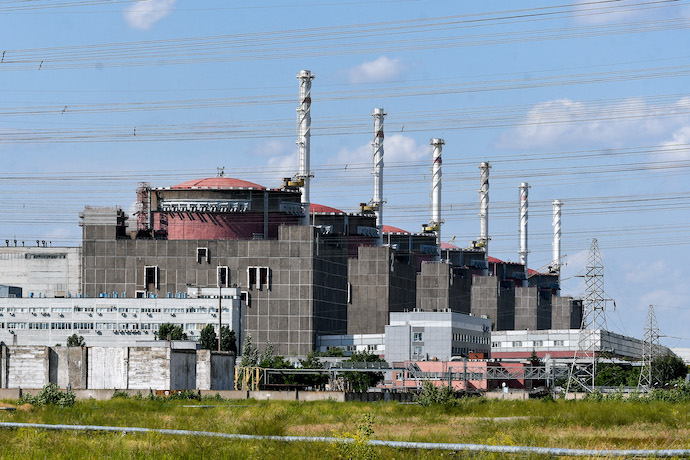
- How did it feel? Everyone remembers Chornobyl. Obviously, these are very different situations, but still. The Russians were advancing, and I imagine they would not have sent fools to take such an important facility.
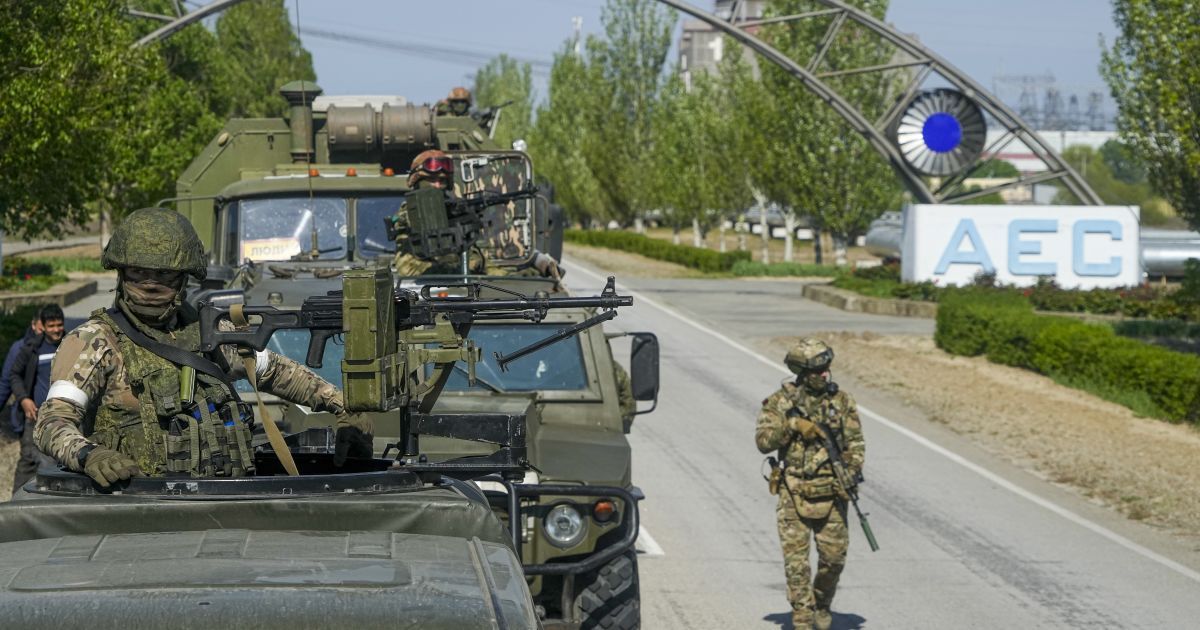
- There were Wagner fighters, Dagestani troops from the 22nd Operational Assault Brigade, which holds the Order of Zhukov, and FSB special forces.
- And how long did you hold out?
- Not long. At that point, we had two "serious" weapons at the nuclear power plant. The first was a scale model of Enerhodar that cost 800,000 hryvnias, sitting in the headquarters. They bought a model instead of weapons (smiles sarcastically — Ye.K.). The second was my RPG-1. And we were facing 10 tanks and 30 BTR-82A armoured personnel carriers. I cannot even put a number on the infantry, because they were running around in the woods.
The first tank advanced, but it was immediately knocked out. Then all the tanks heading towards the nuclear power plant pulled back about a kilometre and started pounding all the buildings and reactor unit No. 4… Thirty APCs and nine tanks are firing, because one tank has been knocked out. Then an aircraft arrives and fires missiles at the same targets.
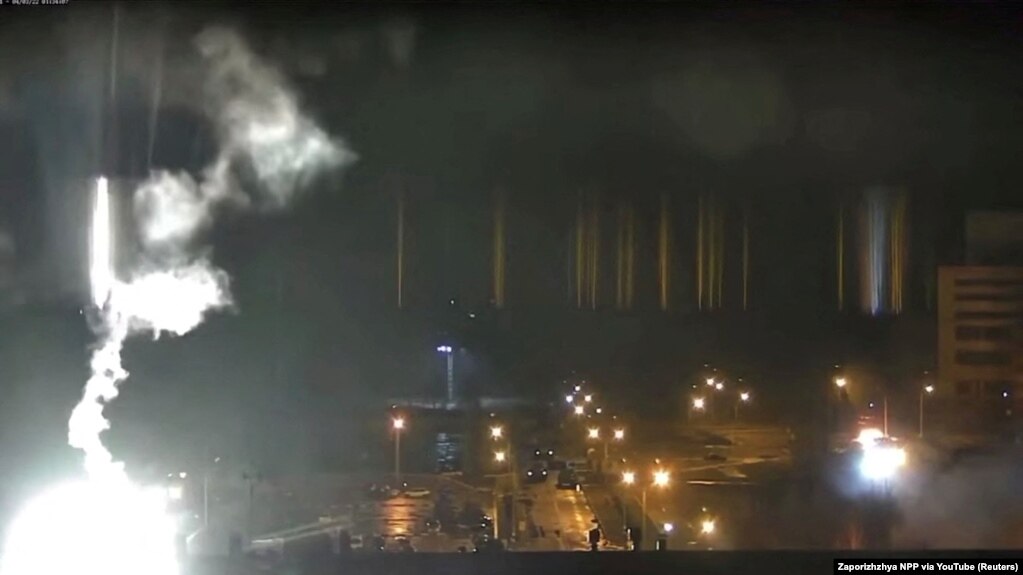
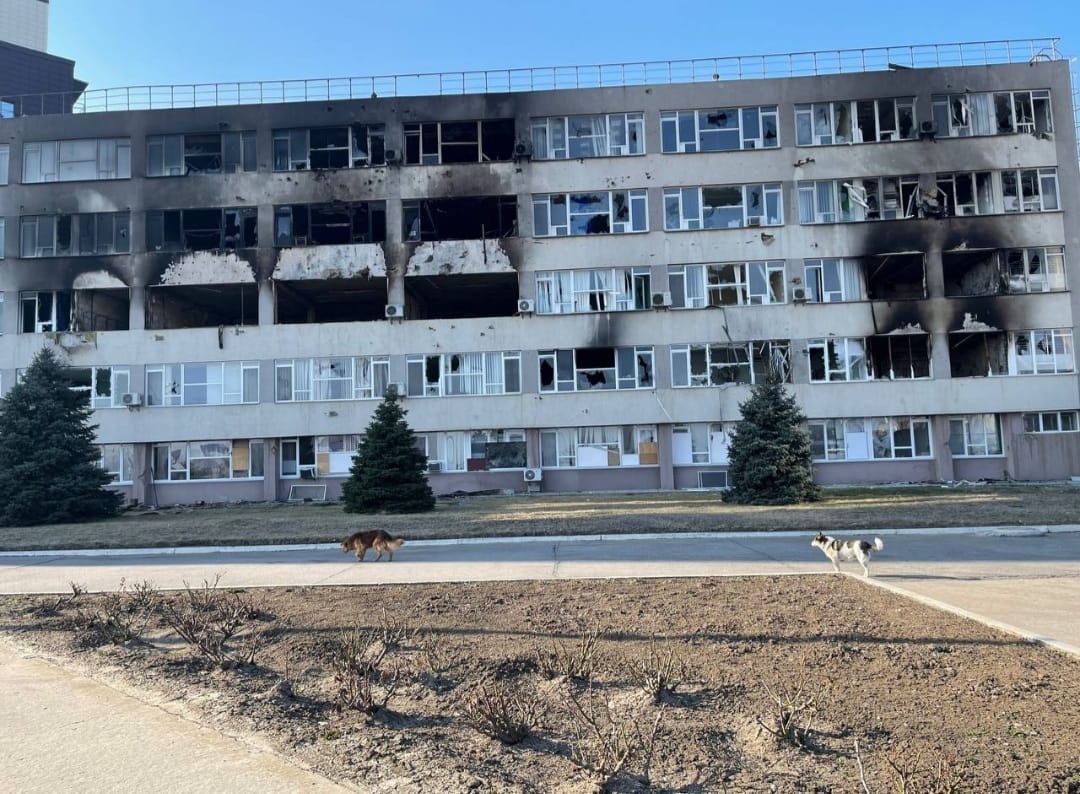

Then an alarm starts sounding, prerecorded in every language in the world, saying there is danger and the firing must stop. And that was it; the firing stopped. The chief of staff was told over the radio that we had to surrender. Then everyone surrendered except a couple of other servicemen and me.
- ....Who made their way from the nuclear power plant to Enerhodar.
- Yes. First through the woods, then into Enerhodar, which had already been captured by then.
- And where did you hide?
- In the apartment of one of the officers I had escaped with. That is where the FSB nabbed us.
- Did someone snitch?
- The taxi driver who drove us turned us in. This guy worked as a taxi driver and also headed the community of Afghanistan war veterans in Enerhodar. He probably remembered how good things had been under the Soviet Union and wanted to go back.
- Do you remember his face? When, God willing, we liberate the city, would you want to go back and look that taxi driver in the eye?
- Of course I remember. I would, if he is still alive.
- How did they capture you in the apartment?
- Within a couple of seconds, FSB special forces in balaclavas burst in. Before we could even understand what was happening, they were already standing there, pointing their weapons at us.
- Where exactly were you held captive?
- In lots of places. First in Enerhodar. We did all sorts of things there. Then we were in Melitopol, in some local prison. Then in Sevastopol. That was interesting, by the way: we were held somewhere very few people had been. It was a model prisoner-of-war camp on the premises of a military unit.
- And what made it a model camp?
- Everything there was as it should be under the Geneva Conventions. Essentially, it was a barracks with bars. Nobody was beaten, and we were fed the same food as Russian soldiers; there was a television and books. Physical force was not used unless absolutely necessary.
- Was that because you were career servicemen?
- No. It was because the Red Cross was due to visit soon. The Red Cross came, and we wrote letters home… Do you know when mine arrived? After I had already returned from captivity!
- Like something out of a film, honestly.
-Exactly. About six months had passed when a letter arrived saying I was in Sevastopol!
So, the Red Cross came and saw that all the rules were being followed, nobody was being beaten, we were being fed well, and everyone had enough to eat; all good. They left, and so did we. They tied us up and put us on a plane. Then we ended up in different places: some in Taganrog, others in Rostov.
- And where did you end up?
- In Taganrog, in the catacombs. The prison had several floors: upstairs, it was all-inclusive, with renovated interiors; downstairs, there were catacombs like those at the Kyiv-Pechersk Lavra.
- It used to be thought that the enemy treated career servicemen more leniently than Ukrainian volunteers. Does your experience support that view?
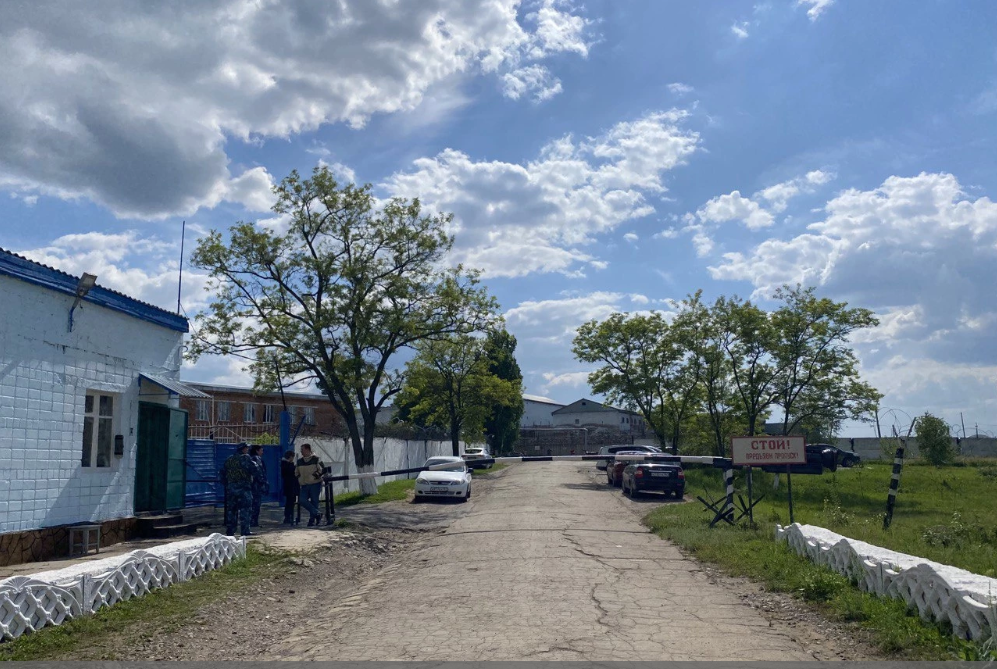
- No, quite the opposite. In late 2022, at the last prison where I was held, in Kamensk-Shakhtinsky in Russia’s Rostov region, they opened a special pretrial detention centre for prisoners of war.

I was held in a punishment cell; I don't know why, supposedly for being the most defiant… For some reason, they think the National Guard is the strongest part of Ukraine's armed forces.
Anyway. While I was there (during those last six months), they beat about eight to ten men to death. Around six of them were civilians they had rounded up in places like Hostomel and Kherson at the start of the war. So, basically, everyone got more or less the same treatment there.
- What conditions were you held in, and what did they feed you?
- The cell measured five metres by two. There were four other people with me, though it varied. Sometimes there were as many as 12 in one cell. We were forbidden to talk to each other. They forced us to sing the Soviet and Russian national anthems and memorise propaganda poems. The cell had single-tier bunks, pushed right up against one another. What made it hard? You weren't allowed to walk around, only stand. So you stood there all day. You were only allowed to sleep from 10 p.m. to 6 a.m.

- That is torture in itself.
- Because you are constantly standing… One of the men held with me had swollen legs, simply from standing and not drinking water. They gave us no water at all. His legs were this big, like a broiler chicken's. And the food was terrible; they gave us either potato peelings in boiling water or something like pasta with milk. There would be 20 grams of milk with a single piece of pasta floating in it. That was it, breakfast. You could just tip the bowl into your mouth, and that was your meal. I lost 20 kilograms during captivity.
- And that prisoner whose legs were like a broiler chicken's — did not even a doctor come to see him?
- You were not allowed to ask for a doctor. If you asked, they would simply take you out of the cell, beat the sh#t out of you and bring you back. So hardly anyone called for a doctor. Luckily, we had a guard from Luhansk who treated us decently. He was on duty once every five days, and on that day you could ask for a needle and thread to mend the uniform they had torn, or ask for a pill. And he would actually bring you a pill, instead of taking you out and beating the sh#t out of you so badly that you would not want anything anymore.
- But he was an exception to the rule. And you waited for him every week?
- Yes.
- Were there sadists among them, people who got a kick out of violence and torture?
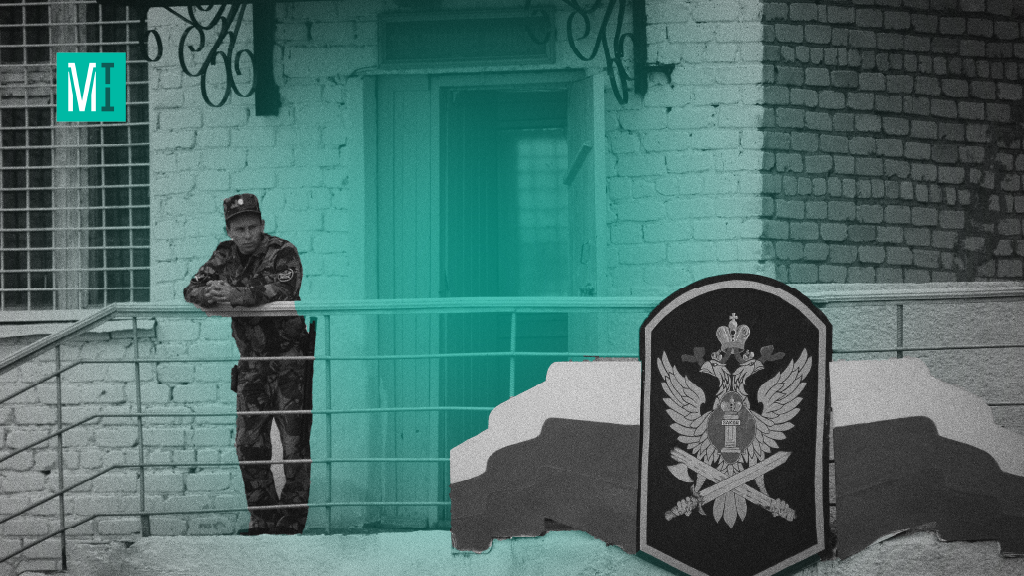
- Of course. There was one guy, maybe 20 years old. He ordered us to strip to the waist. Then the cell door opened, and he said: "Why are you wearing trousers?" — "Because you told us to strip to the waist." That was all it took. He started beating the sh#t out of everyone. I took about two dozen blows with a rubber baton. My left arm and back were completely black. For three days, I could not sleep properly — everything had swollen to an unbelievable size.
- And again, no doctors?
- None. What they feared most was the prosecutor who came on inspection rounds. They also had one main rule — do not hit the face. If your face looked fine, nobody checked any further. Even if someone had been killed — so what… There was an incident: an elderly civilian had a fever of nearly 40 degrees. He urgently needed antibiotic injections… Instead, they just gave him two blankets to keep warm. Then one morning they said: "Well, that's it." And I heard their police arrive, document everything, take photographs, and tell them to carry him out — that was all. Then they came in and said: "Hand over the fourth bowl. There are only three of you now."
They were all sadists. Every trip to the shower… There was a long corridor with 20 guards standing along it, and each one would either beat the sh#t out of you, zap you with a stun gun, or do something else to you. You washed, came out wet, and they all thought it was fun to zap you with a stun gun. It felt horrific…
- Did you ever have ideological conversations with them? I know some of them like questioning prisoners…
- I did. But when you make your arguments and they beat the sh#t out of you again, you no longer want to talk to them. I simply became convinced that they were complete morons who got all their information from Russian propaganda. They did not even try visiting other websites, because they did not want to understand or analyse anything.
- What did they ask you?
- "Why did you attack us?" they asked. I said: "I attacked you? I was in Enerhodar. I did not need anything from you." — "And where were you captured?" — "In Enerhodar." — "Where?" — "At the nuclear power plant." — "What were you doing there? Did you want to blow it up?" — "Blow it up? It was 5 March 2022. What are you even talking about?"
- I know that in captivity you dreamed of returning, rejoining the military and making the Russians "pay their debts" for those prisons.
- Yes, that is absolutely true.
- Were you even sure you would return?
- No. We would talk among ourselves about servicemen who had been in captivity since 2014, with no word of any exchanges. Honestly, in captivity we thought about either home or food. Because you are always hungry. But one day, I was completely f#cking fed up with them. They kept beating the sh#t out of me because I was the only officer in the cell. And I was the only officer in the punishment block. They all loved beating the sh#t out of me. They would split my head open or do something else. And one day they beat the sh#t out of me so badly that I thought: "When I get home, I'll come back to kill you, no matter what it costs me!.."
And as it happened, as soon as I returned from captivity and saw psychologists from the Rubizh Brigade, I immediately asked for the phone number of a classmate I had studied with at the academy. They gave me his number. I called him and asked: "Do you have any positions available? I'm ready!"
- When were you exchanged?
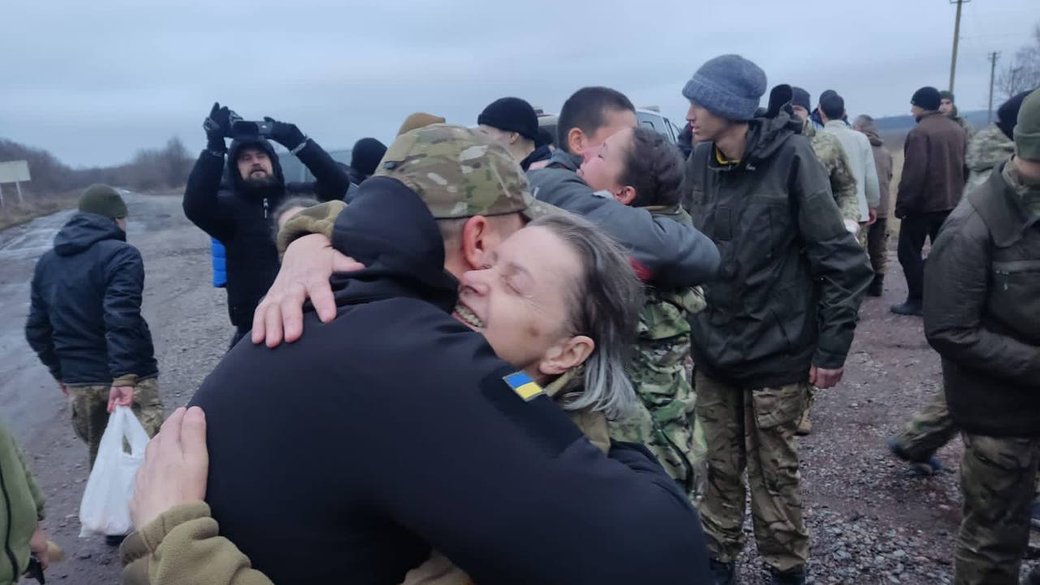
January 1, 2023. On New Year’s Day. Although I didn’t really believe it.
- The best New Year's gift of your life?
- 100 per cent!
- How long did you undergo treatment afterward? And what exactly needed treating?
- Two months, followed by a month of leave. What exactly? Mainly my joints after all those beatings. They had also battered my head.
- How many concussions did you have?
- About five. Personally, the toughest ordeal was coming back and seemingly having full access to normal food again. You want McDonald’s, proper meat... In prison, they gave us food that was scalding hot, and you had a minute to eat it before you had to hand the plate back. That caused inflammation and pus in my stomach, which needed treatment. And then, once I was free, they told me I had to stay on a restricted diet for another two months. I could see people enjoying life, wolfing down burgers, eating and drinking things, while I was still eating porridge. That was quite an ordeal. Thank God, over time the doctors saw an improvement and allowed me to eat something outside the diet at least once a week, because it had become unbearable.
- After treatment, you returned to Zaporizhzhia and then transferred to the Rubizh Brigade. How did your first few months of service there go?
- It was interesting. After treatment, I had no idea whether I would be able to continue serving. I learned about all my health problems, and my eyesight had deteriorated badly: I had only 20% vision in my left eye.
- And how is it now?
- I had corrective eye surgery, so everything is fine.
- What other health problems did you have?
- A purulent stomach infection, pain in my back, neck and joints. Every step I took caused severe pain, all consequences of systematic beatings. I could go three days straight without any sleep. I had anxiety.
- And no sleeping pills helped?
- Not at all… So I called the brigade again and said: "I’m sorry, but I have such a long list of illnesses that you probably won’t be interested in me." And they replied: "Don’t worry, we’ll find you a staff position. Your experience matters."
I transferred, and instead of a staff position, I ended up in the infantry as a platoon commander. There was a decent battalion commander who had organized the battalion’s work well. He started me in the lowest position, assessed my abilities and drew his conclusions from there. From the outset, his condition was: you’ll work, I’ll see how you do, and then I’ll put you in a higher position. And that was basically the right approach, although at first I took offense and said: "I’m being offered a higher position in another brigade. I can transfer there." But then I held myself back, because the team was very good, as were my relationships with the others. Overall, there was cohesion, a friendly atmosphere and the goal of killing f#ggots, that suited me. I suggested: "Let me deploy, even without holding that position, and we’ll see." I deployed. In the end, they told me everything was great and that I was highly capable.
- What do you mean by "deployed"?
- To the area where we were carrying out combat missions. I proved myself there and performed various tasks. At the time, we were in the Siversk sector, opposite the Lysychansk oil refinery. We held defensive positions around the settlement of Spirne. Incidentally, Russian forces were unable to capture it for two years.
- Where did your call sign, Burzhui, come from? Did you come up with it yourself, or did someone else choose it for you?
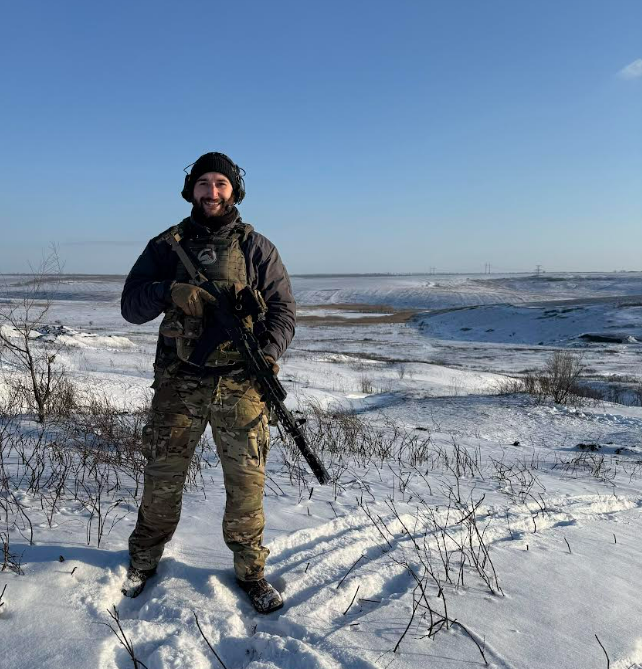
- The chief of staff came up with it. He said I looked like one of the characters in the television series "Burzhui’s Birthday." And it is a military tradition for your unit to give you a call sign, rather than for you to invent one yourself. It should not be connected to either your surname or your first name, so that no one can ever guess it is you. To be honest, I have nothing to do with being a bourgeois (smiles. — Ye.K.). But I liked it. A decent call sign.
- Pavlo, now let’s talk about the role you have served in over the past few years. To an ordinary reader on the home front, the term "operations duty officer of a battalion in the National Guard’s Rubizh Brigade" will mean very little. Even the description of your responsibilities, "coordinates the employment of all forces and assets within the area of responsibility", does not make things much clearer. Let me ask a layperson’s question inspired by films: does this mean you are in some kind of logistics center with lots of monitors and maps, where all the information comes in? Do you not only keep information flowing but also do a substantial amount of operational planning during your shift?
- Except it is not a logistics center in the rear, but a command and observation post. We have to be close enough to maintain direct communications with the infantry.
As for planning operations, we receive information from various sources, analyze it, anticipate the enemy’s likely actions and carry out assigned combat missions. We do not limit ourselves to textbook tactical doctrine: we also devise our own methods and find new approaches. I took part in international exercises, and it turns out, this came as a surprise to me, that our army is currently the strongest in the world. So it turns out that our initiative and our unconventional actions on the battlefield are our ace up the sleeve.
- Describe a typical 24-hour duty shift. What do you do at the command and observation post?
- I arrive at the appointed time and get a briefing on the situation. The outgoing duty officer tells me what happened during his shift and what has changed in the operational situation. He briefs me on completed tasks and what still needs to be done. For example, sending a drone to reconnoiter a particular area of interest. I take over the shift, and the outgoing officer goes to rest. Then a typical day begins. Usually, if the weather is good and we have enough assets, I try to kill some f#ggot.
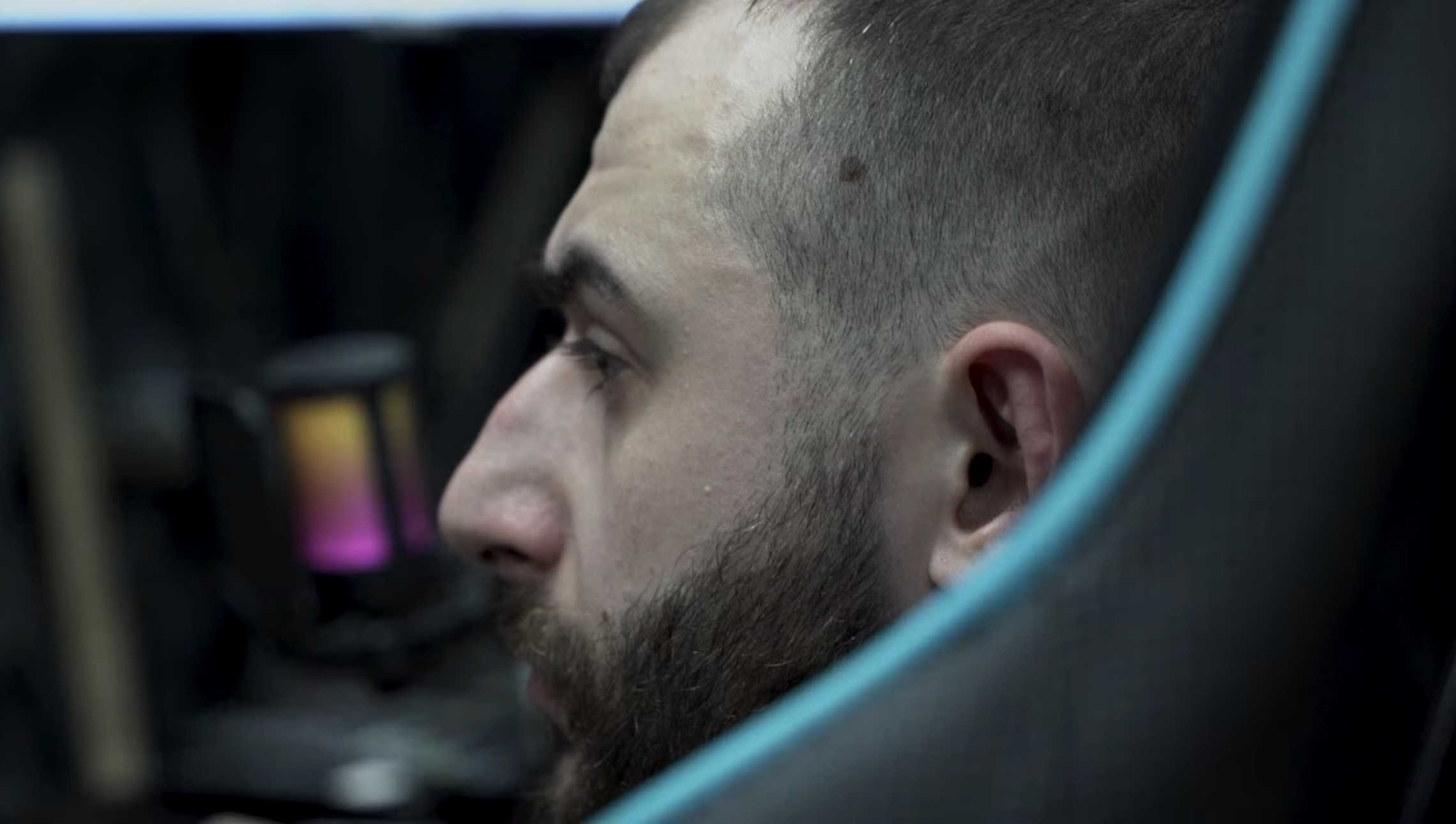
- What do you mean by assets?
- Mainly UAVs. I like heavy bomber drones such as Vampire and Heavy Shot. I really enjoy working with them. And there are FPVs too, of course. You have already heard that our main weapon is a loudspeaker, right? A loudspeaker and creativity. Together, they produce good results.
- I have, but our readers haven’t yet. Tell us about it.
- It is very simple. We attach a loudspeaker to a drone, fly out and offer our enemies the chance to surrender.
- In what language? Sorry for the silly question.
- In Russian, because they really do not understand Ukrainian. There was even a time when I told a pilot: record a message saying, "Russian soldier, surrender and you will live," and so on. Then I could see on the monitor that the guy was not reacting, even though he was standing there unarmed. I asked the pilot: what language did you record it in? "Ukrainian, because I don’t know Russian." "Then repeat after me. We’ll record it in Russian."
We recorded it again, played it and watched this f#ggot look at the drone, listen closely and raise his hands.
- So it worked well.
- Yes. Over roughly six months, during my shifts and on my orders, we took about 160 f#ggots prisoner. And that was only during my shifts — there were other duty officers too. So a loudspeaker is a useful thing!
- Which groups surrendered most often?
- We were fighting marines and convicts. They surrendered readily enough. Because of how they are treated: they are beaten and put in pits. Then some drone flies over, drops, say, a Snickers bar and says: come on out, here is a bottle of water, take the radio and follow the instructions. We will explain where to go, and everything will be all right. And they surrender.
- And for you, is taking an enemy prisoner just as important as killing him?
- Honestly, yes, it is certainly important. But when I joined the Rubizh Brigade, at first I did not want to take anyone prisoner. I wanted to destroy them all, to see them blown apart: arms flying one way, legs another, heads another.
- Did you not feel sorry for them?
- Absolutely not. No pity whatsoever. It just reaches a kind of peak. Like in a video game: you gain experience, and simply killing no longer appeals to you. It becomes more interesting to pull off something better. A kind of challenge, trying to dislodge your opponent. Or capture the enemy through deception or cunning.
- And that "something better" became taking Russians prisoner.
- Yes. Everything is improving on our side. The workshop is making new munitions, and drone pilots are learning new tricks. Operations duty officers are also learning to act in new, unconventional ways. You can kill a f#cker and bury him in a pit, or you can bring him out, interrogate him and use that information to plan further operations. From a military standpoint, the latter is much better.
- Let's return to your typical day, when you have enough assets available. What happens next?
- First of all, I check the approaches to our positions.
- How many monitors do you have for that?
- I personally have two. Plus drone feeds — there can be up to ten of those. I check my area of responsibility. If everything is quiet, I help the infantry and company commanders. They might say they need water or some medication, and we try to send it all out promptly. When the needs are not urgent, we time the delivery so we do not give ourselves away and allow the enemy to locate our position. If there are no requests for assistance, we try to kill the enemy well before they reach our positions, to spare the infantry on the ground any trouble. We usually manage to do that successfully! So some of our infantrymen have not even had to fire at the enemy, because they never made it to their positions.
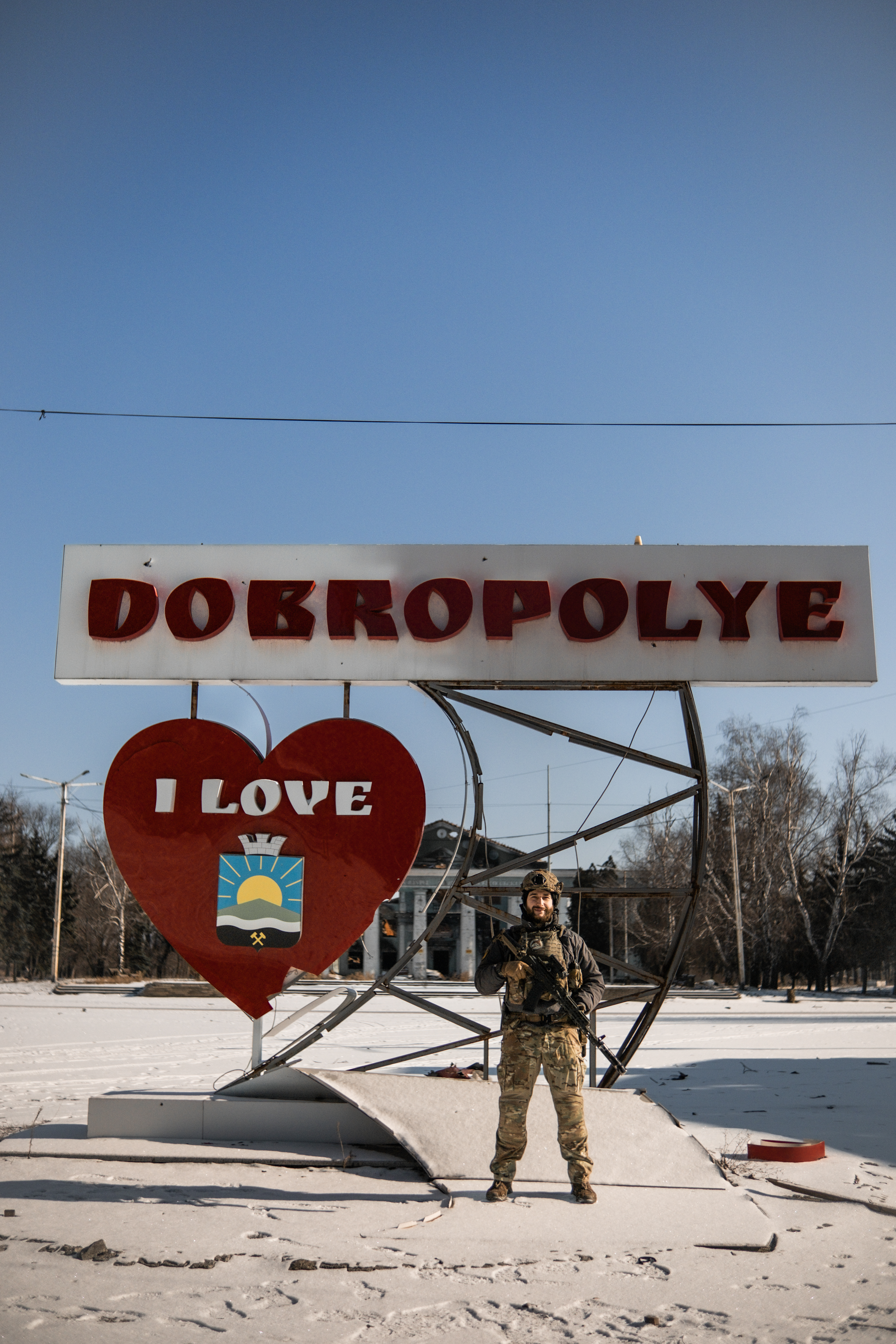
The Dobropillia sector surprised me personally: enemy infantry tried to penetrate deep into our battle formations every day. At one point, we were defending the village of Volodymyrivka, where enemy infantry were constantly infiltrating. This was October 2025, just after the "Dobropillia salient" had formed. Our unit was eliminating 30–40 f#ckers a day there! Can you imagine how many occupiers there were?.. A typical example: I saw one of them come out for a smoke, then go into a cellar looking for food. We started working on him through a loudspeaker: "Come out!" He would not budge. We sent in several fibre-optic FPV drones and gave them a pounding. Then we broadcast another message through the loudspeaker: "Russian soldier, come out with your hands up, and we will spare your life. We're just warming up. You have two minutes to come out with your hands up, or Baba Yaga will blow your shack to pieces."
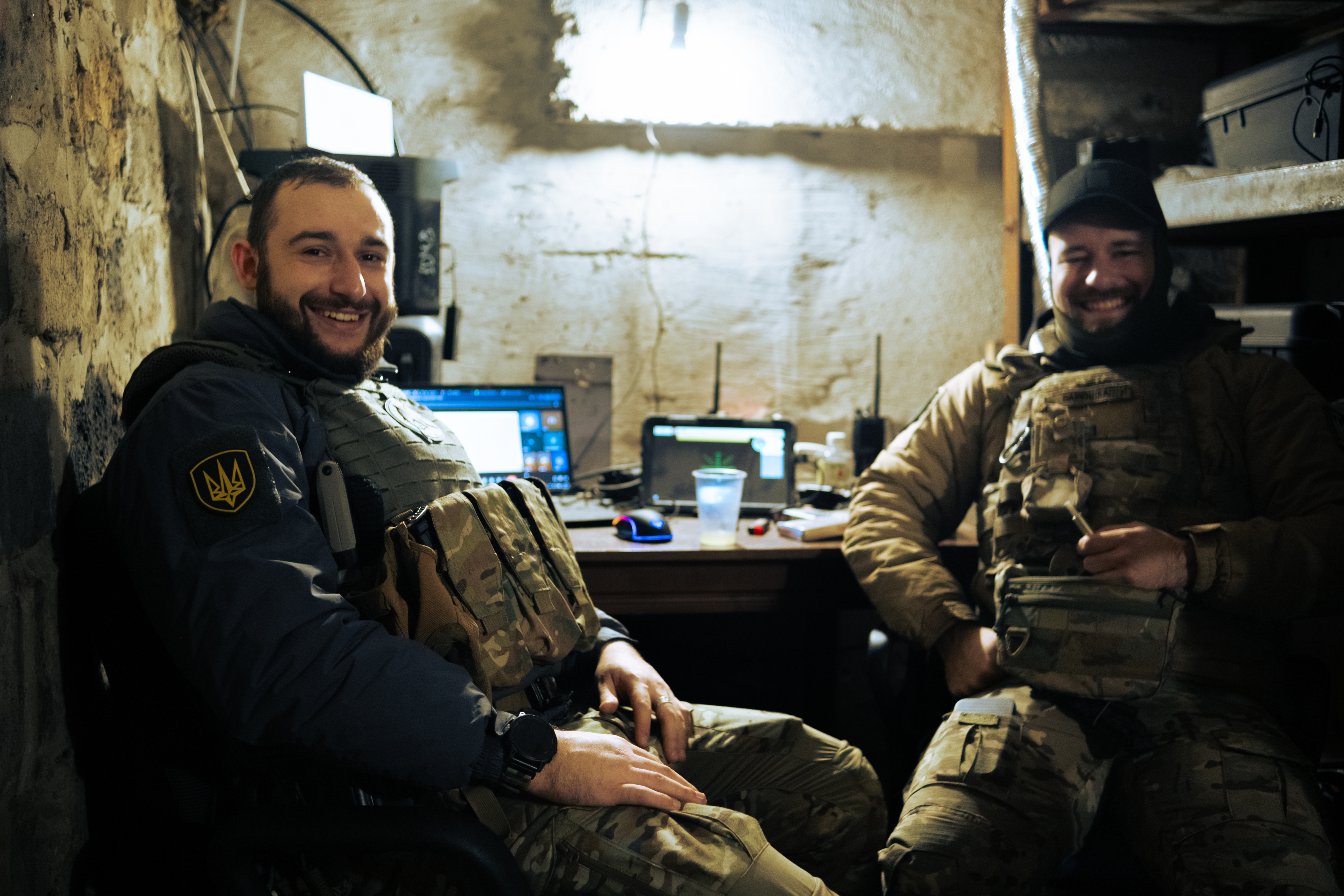
We waited, and two minutes later, 15 Russian servicemen came out with their hands up and surrendered. Two of our vehicles immediately pulled up, picked them up, and back we went. Can you imagine?
- Only now that you have described it.
- There were lots of stories like that. Sometimes we even dropped radios to them from drones. And we would tell a f#cker over the radio: "Go on, point to where they're hiding." He would point: here, here and here. "Right," we would say, "now come out, carefully, so your own side doesn't kill you." At first, the Russians did not care. It was only later that they started tracking those who were surrendering — we learned that from intercepted enemy radio communications.
- Through intelligence?
- Our operations centre has specialists from different sections, including intelligence. They constantly pass on the information they receive. According to intelligence, Russian commanders were yelling at their men: "Where the f#ck are you running off to? You're f#cked!" After that, the Russians would open fire with every weapon they had on those going to surrender. That became the greatest difficulty — getting them off the battlefield.
In 2025, Sky News made a film about the work of Burzhui and his colleagues, which was subsequently nominated for an Emmy Award.
- Did you manage to get them out?
- We did. Sometimes I even told them through the loudspeaker: "Take cover, because your own side is about to hit you…" They would hide and stay there until another loudspeaker told them they could move on. I even had a video: I spotted some f#ckers in the distance, flew closer and broadcast through the loudspeaker: "Surrender. Follow the drone!" He surrendered and started walking. I tilted the drone's camera down, and another one was already standing there. So now there were two of them. They walked towards each other and then continued down the road together…
- What operations did you focus on at night?
- At night, we usually handle logistics and resupply. Our task is to deliver as many supplies as possible by drone to locations near the positions.
- So during the day you target the f#ckers, and at night you help your own troops.
- The enemy is fairly easy to detect at night: thermal camouflage cloaks do not save them. As they move, the cloak heats up, and you see a blotch "flying" across the field. Our bomber drone with a thermal camera takes off immediately, and you can see that cloak very clearly. We have even repelled assaults after spotting four cloaks running back and forth through a tree line beforehand…
- Which duty shift do you consider your most successful?
- There were many productive shifts. But I consider our joint work with Lasar’s Group one of the best. We deployed to positions in Spirne for four months. We communicated very well, and they helped our unit.
Once, I went to see them and said we needed help because we would be pulling out. Leaving and entering positions is the hardest part, because the enemy watches those movements closely. We reached an agreement with Lasar’s Group, and I spent a full two weeks locating enemy UAV launch sites.
Over three nights, we bombed about 10–15 sites together. We really knocked out their surveillance capability! After those successful strikes, we even saw vehicles drive up to the drone operators' positions we had hit to evacuate the survivors. But we caught up with them too.
- What qualities does someone in your role need?
- The ability to handle stress is an absolute must. You communicate with everyone; you are the link in the middle. On one side, there are the personnel you have to direct, giving timely commands, warnings and information. On the other, there are the commanders assigning me tasks. Those below may voice their own ideas, while those above give orders. You have to bring it all together and coordinate it: help out here, repel an assault there. That requires absolute composure and focus. You have to work out quickly which of your assets can reach where, because you have a whole range of assets with different ranges, and understand the munitions: which are best for eliminating the enemy, which for wounding them, and which for striking vehicles. You immediately have to direct the pilot and guide them onto the target. And all of this has to happen right now. Sometimes you start talking like the rapper Eminem: you go here, you go there, didn't copy that, say again.
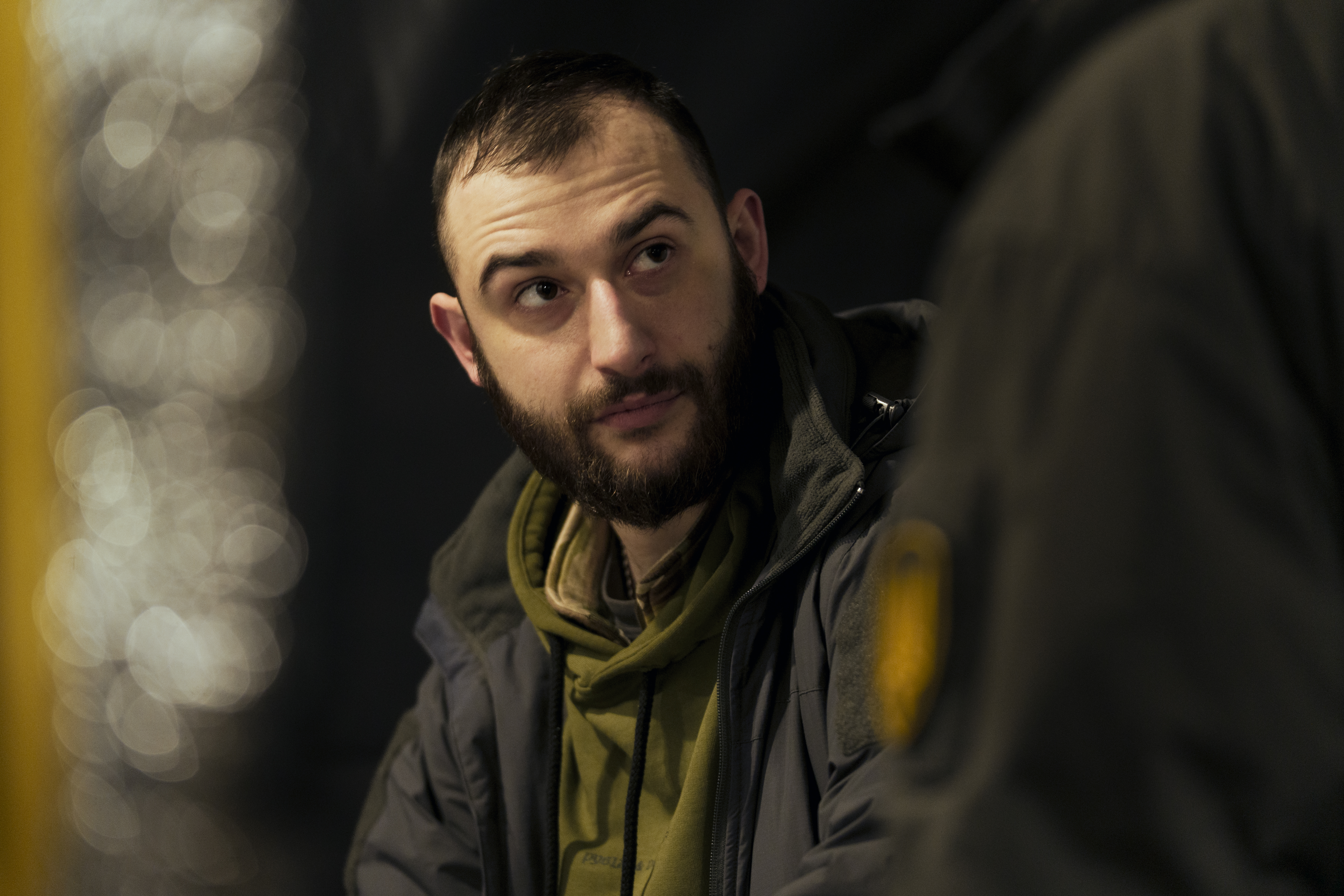

- In Dobropillia, you were wounded for the second time. Where exactly?
- Well, a piece of shrapnel hit me. See how my head is shaved? FPV drones carrying gas flew into the building where we were. I lost consciousness and came round at the medical post.
- What did the doctors say?
- They cut it out, and that was it. I'll live.
- Did the thought cross your mind then: that's it, I'm done fighting?
- No, not at all. Why would it?
- Are you that determined to keep fighting?
- These f#ckers have caused us so much suffering that walking away from it all is impossible. Even when you really want to. The largest country in the world deliberately fires missiles at peaceful people, at civilians, kills women and children, and destroys everything in its path.

I would not be able to live peacefully or feel at ease knowing that there is a war in my country and all my friends are at the front, fighting.
When people start talking about concessions by Ukraine, everyone should first answer one question: what exactly are you doing to ensure this war ends in our favour? I am categorically opposed to concessions too. But unlike all those who simply talk about it, I am fighting. If someone is not at the front, they should be working for the defence industry, making munitions or drones, or at least donating regularly.
We stand to gain nothing from some hypothetical temporary "truce". We need either to stop the hostilities completely or to keep fighting.
- And when do you feel like walking away from it all?
- When you hear about corruption, about someone f#cking stealing money and getting the f#ck out of the country…
- Do you think your brothers-in-arms, returning home after a hypothetical truce, would take action when they see all this corruption? Would they, for example, attend court hearings where these corrupt officials are on trial and press for something?
- I have thought about this a lot, and I still do. Many veterans have health problems. And we know history is cyclical: veterans are usually thrown on the scrapheap, nobody needs them anymore, even though they have experience at the forefront of warfare that is unique. If our state treats them that way, if it does not find jobs for veterans, we will see a return to the so-called 1990s: organised crime will "flourish", and gangs will once again settle scores with those who did not fight but instead embezzled public funds and profited from human suffering.
So… Of course, we do not know how it will turn out, but that is how I see it.
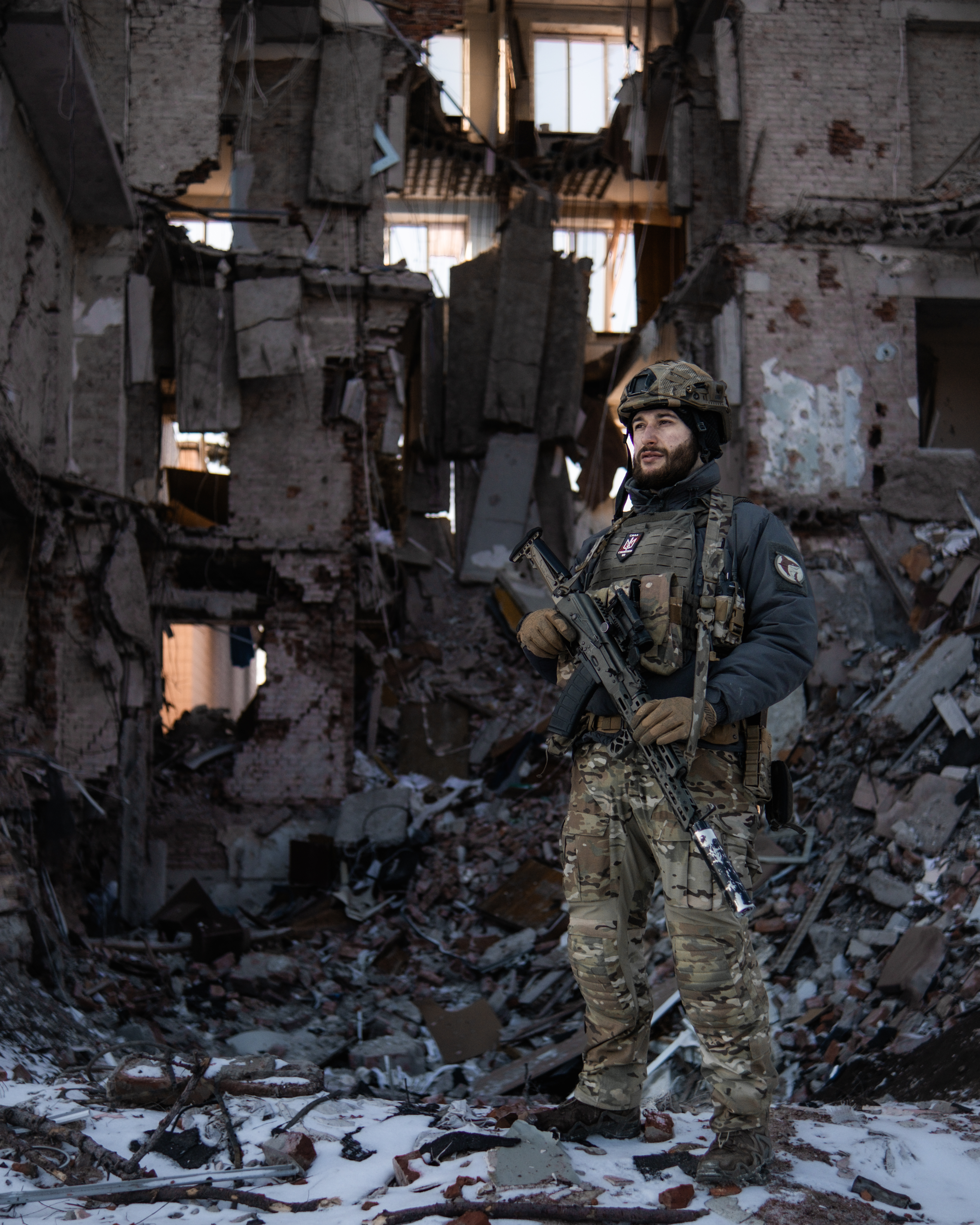
- Will those returning from the front have a strong demand for justice?
- Absolutely. Some will go abroad, knowing the country is going to be f#cked. Most, I think, will want justice, because of all those wounds, the loss of their ability to work, PTSD and other health problems. Almost all veterans have a heightened sense of justice and react strongly to injustice in society. I have that too.
- In your opinion, is the state doing enough today to use the experience of veterans and serving military personnel to strengthen the army and prepare society?
- No. Ukrainian veterans have unique combat and leadership experience that must not be lost. The state could establish a system of courses and lectures for civilians, where serving personnel and veterans share their experience with those preparing for service or wanting to understand the military better. This would allow veterans to continue contributing to society and give civilians practical knowledge from people who have been through the war.
I also believe that, to strengthen the country's defence capability, regular opportunities should be created for military personnel from different branches and specialities to exchange practical experience: bringing together sappers, commanders and representatives of different security and defence agencies to discuss how they tackle similar tasks. Such exchanges would help spread effective practices, avoid repeating mistakes and strengthen the capabilities of the entire system.
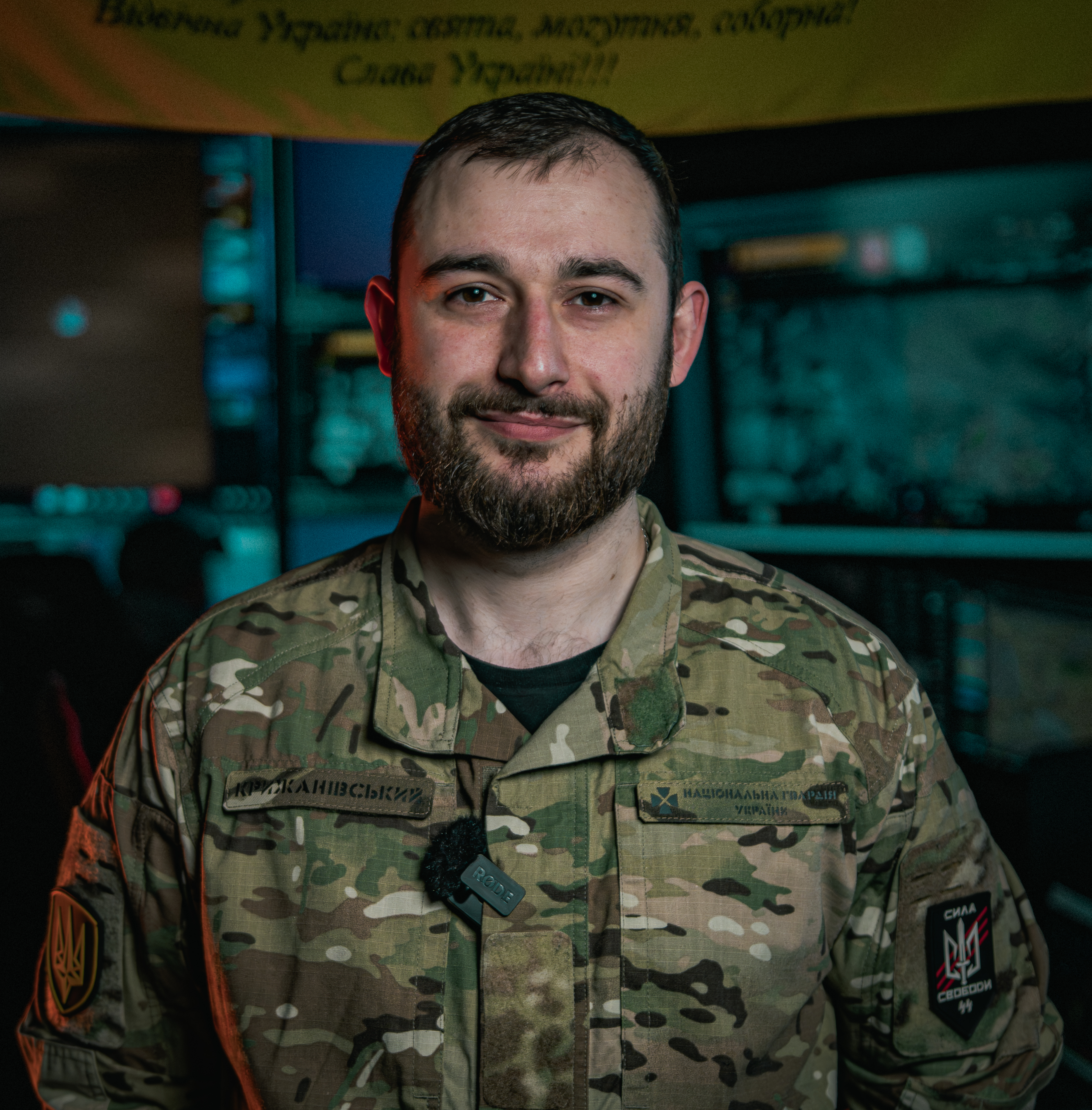
- You are currently undergoing an assessment by a military medical commission in Kyiv. Do you want to go back?
- Yes, of course.
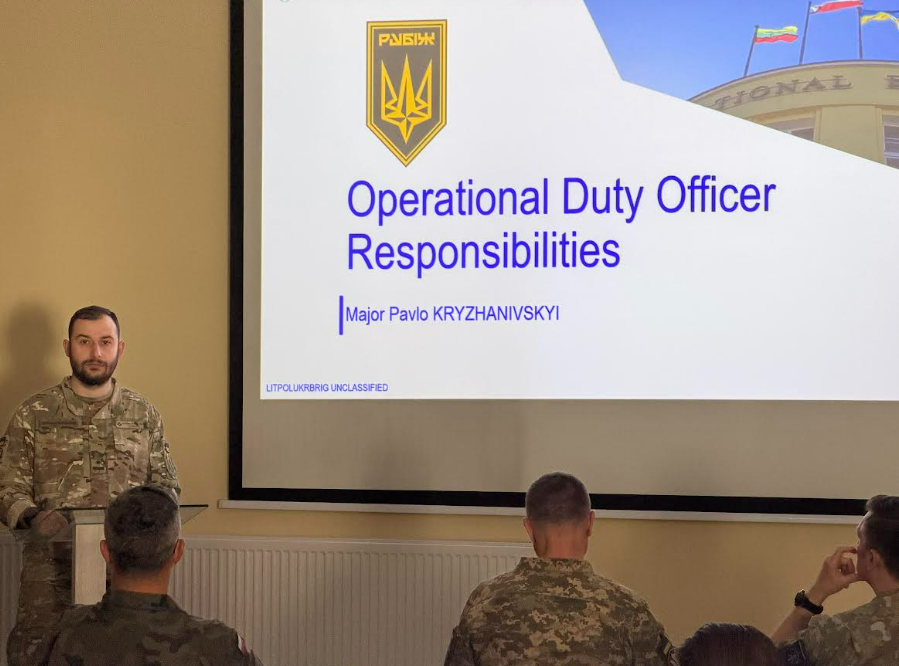
- In August, you took part in the Saber Junction-2026 exercises in Germany, sharing your experience with American troops. Would it be fair to say that, in many respects, you had to retrain your American colleagues because modern warfare has fundamentally changed?
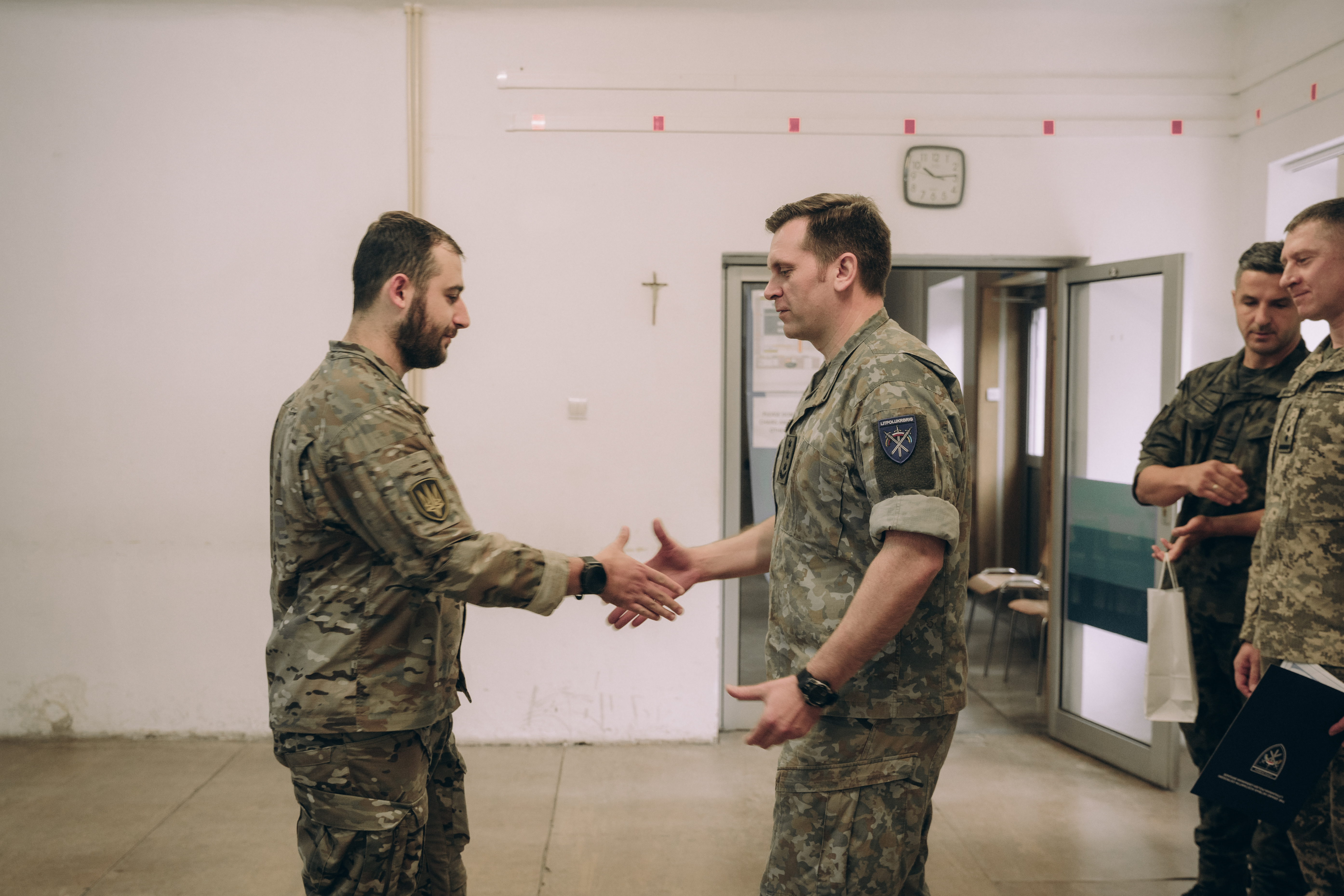
- Let me clarify that straight away. This was not "training" in the usual sense, but work as part of a Ukrainian delegation of advisers at the Hohenfels base. It set a precedent: this was the first time Ukrainian military personnel had been involved specifically as advisers. During the exercises, I worked with the 503rd Airborne Battalion of the US 173rd Airborne Brigade at every level, from platoon to battalion, taking part in both operational planning and assessing the unit's actions in different scenarios. My task was to share current experience of modern warfare and provide recommendations.

What I saw was that the gap between our view and understanding of warfare and theirs was greater than I had expected. Particularly in the use of technology, the employment of their assets, operational flexibility, thinking and understanding the nature of modern combat. What struck me was that they follow doctrine strictly, without deviating from it at all. And that does not fully account for the dynamics of high-intensity warfare.
- Should we be naming specific units? Or do the Russians already know all this?
- I'll tell you more: last year, they detained a man there, apparently a Mexican, who had been hired as a cook by a private organisation and was passing information to the FSB. So we were warned to be careful about what we said near those shops. That is what security is like at these bases, to digress for a moment…
- How did the exercises work in practice?
- The exercises were multinational, with participants from many countries. We were assigned to units and began going out with platoon personnel, company personnel and so on, along with their commanders.
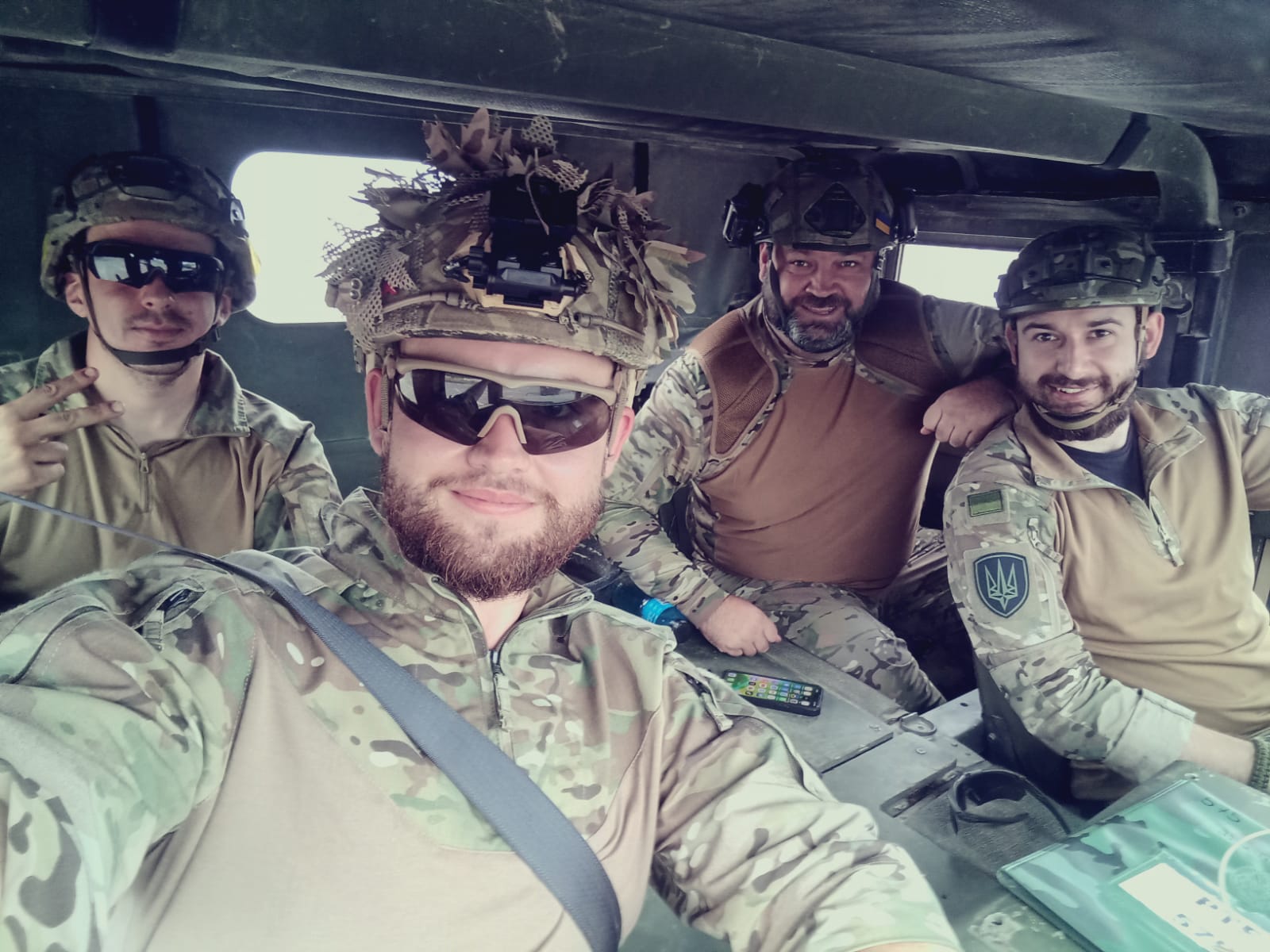
We had an interpreter and an American instructor with us. The instructor brought us up to speed, and then we analysed the situation together with the American troops. They asked: "What do you see? What should be changed?" For example, we made recommendations on setting up command posts. I told them directly what should be changed and how, based on our experience. All our observations and advice were recorded daily. I also want to mention our conversations with our colleagues. We were open to everyone there, talking to a soldier was just as important to us as talking to a general. No question went unanswered.
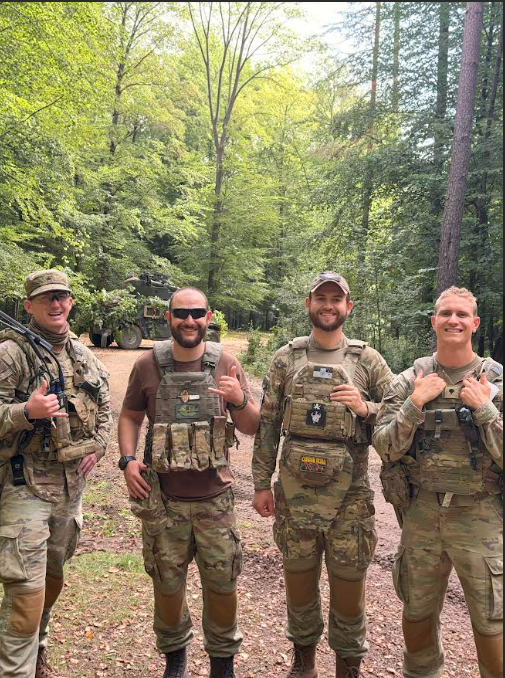
- Indeed, because there are interesting things to learn at every level.
- Yes, absolutely. Of course, people differ: some were open to dialogue, while others were not ready to accept criticism. In my view, modern warfare and the Ukrainian army's experience should be taken more seriously. It is better to learn from other people's mistakes than from your own.
It was like when I was in Poland and said: you need to use FPV drones because they are an excellent, accurate weapon. They replied that they had the M-777 howitzer, unofficially known among our troops as "Three Axes", with Excalibur precision-guided artillery shells. I countered: "But the enemy will be using electronic warfare, which will disrupt your guidance, and they will no longer be accurate." The response was: "That's all nonsense. We'll be fine!" That was that.
You could sense that some American servicemen were convinced that their army was the most advanced and that they should therefore rely on their own doctrines. Some viewed our recommendations with scepticism. They probably trust the system and old standards more than actual combat experience.
Mentality plays a part too. You know how the Germans showed us what the Americans were like? Like this (Pavlo demonstrates the condescending look of someone who considers himself better than the person he is talking to — Ye.K.). With an attitude of "we are the world's number one country, the world's number one army, Trump", and so on. That propaganda really does work on them. Then they think: here comes some Ukraine, which they consider a third-world country. First, it beats us in exercises yet again, and second, it has the nerve to offer us advice.
At the same time, though, we saw considerable interest and engagement in dialogue among the personnel of the platoon we worked with.
- Why do you think that is?
- Because they are at the lowest level: a young commander and young personnel who have only just graduated. They have not yet, so to speak, been steeped in the army's bureaucracy and formalism. Everyone in that platoon knew very well who Azov and the Third Assault Brigade were; they follow events in Ukraine. They are used to thinking for themselves and understand perfectly well that the Ukrainian army's practical experience is far more valuable and important than theory. Incidentally, that platoon "survived" the longest in the exercises.
- Pavlo, what do you think the future holds for Ukrainian military personnel after the war, and where will our experience be needed?
- Once the war in Ukraine ends, I primarily see us working abroad for private military companies as advisers and instructors. At the exercises, I saw that someone who has completed 45 days of basic military training in Ukraine would be somewhat better prepared for modern warfare than a contract soldier who has served in the US Army for two years.
Our combat experience has enormous potential. That applies to intelligence, logistics, command, infantry and artillery — absolutely every area of the military that exists now or will be created in the future, such as UAVs or long-range jet-powered drones. At present, only two armies in the world have experience of conducting warfare at this technological level: Ukraine's and Russia's.
I would advise military personnel who want to develop their careers in defence to learn English. Our experience will be exactly what is needed. Having gone to these exercises, I realised just how much we need English. Of course, having an interpreter is convenient, but a great deal depends on the translation. How accurately you are understood and translated affects everything that follows in the conversation.
By the way, I want to share a useful recommendation. While I was in Germany, Instagram's algorithms showed me the profile of a school called Military English. And it turned out to be incredibly relevant! At the exercises, we constantly heard our American colleagues talking, and naturally, I really wanted to understand them better. Military English has its own specialised language and terminology. I started learning words right there on my phone and tried to work out their meaning in practice straight away. By the end of the exercises, I could understand clearly from certain terms what our task was and what an operation was intended to achieve. Defence, an offensive, assault operations, where to pin down the enemy and where to counterattack or hold a position — it all became clear. For me personally, that experience showed just how important language is.
- The third season of the American series "Special Ops: Lioness" has just come out. An elite US rapid-response special forces unit is deployed to Donbas. They have 24 hours to capture an important figure in Putin's circle. The men and women of the unit are highly confident because they have extensive experience. But even they are stunned by the apocalyptic clouds of enemy UAVs. They begin to see this war differently.
- A number of American officers we spoke and worked with said they were far behind us in terms of how warfare is conducted. There is a gap of about ten years between our armies.
- There is another measure of how different our military experience is from theirs. I had the chance to speak with an American veteran of the wars in Afghanistan and Iraq. He looked at the Memorial Alley in Kyiv, with its photographs of Ukrainian servicemen killed over the years. He told me it was painful to look at, but at least you are fighting and dying for your own land, rather than on foreign soil. Your war feels entirely different…
- Absolutely. They support us in that.
- Pavlo, looking at everything you have been through so far, can you say that the anger towards the enemy that motivates you still outweighs your fatigue and the pain from your wounds?
- Yes. When I was in captivity, I saw what occupied cities turn into. I saw that Soviet-style system. All those security officers who suppress freedom of speech; elections that are nothing but a sham; Putin is wonderful… Who wants to live like that? Nobody.
- Where did you see that?
- In Enerhodar, while I was in captivity. We stood holding Russian flags, wearing caps and T-shirts that said "Youth of Dagestan", at a concert for Russia Day. We were under guard. They had brought us out specifically to mock us. Their television crews were filming…
You know, having visited various European countries and seen this "Russian world", I want to say that Ukraine is the best country. It is worth fighting for. Of course, some people think they can sit the war out or go somewhere else… You can leave, but you will always be a stranger there. Look at what is happening in Poland now, at the cases of conflict over people speaking Ukrainian. Sooner or later, it will happen in other countries too. We have a wonderful country. It has its faults and its strengths. Our country is worth fighting for: the Cossacks fought for it throughout their lives, the Ukrainian Insurgent Army fought for it, and now we are fighting for it. If we lost it, Ukraine would become another region of Russia. Another "Youth of Dagestan". To prevent that, we must cherish our country. Talk alone will not achieve much, and you cannot put your thoughts into someone else's head, but it is worth trying. Perhaps someone will read this conversation of ours and change their mind.
Yevhen Kuzmenko, Censor.NET
Photos: Pavlo Kryzhanivskyi's archive and the author.


