



"We once transported eight casualties. It was extremely stressful. There was lot of bleeding, and those who should have been lying down were sitting up": How 47th Separate Mechanized Brigade’s medical company saves lives
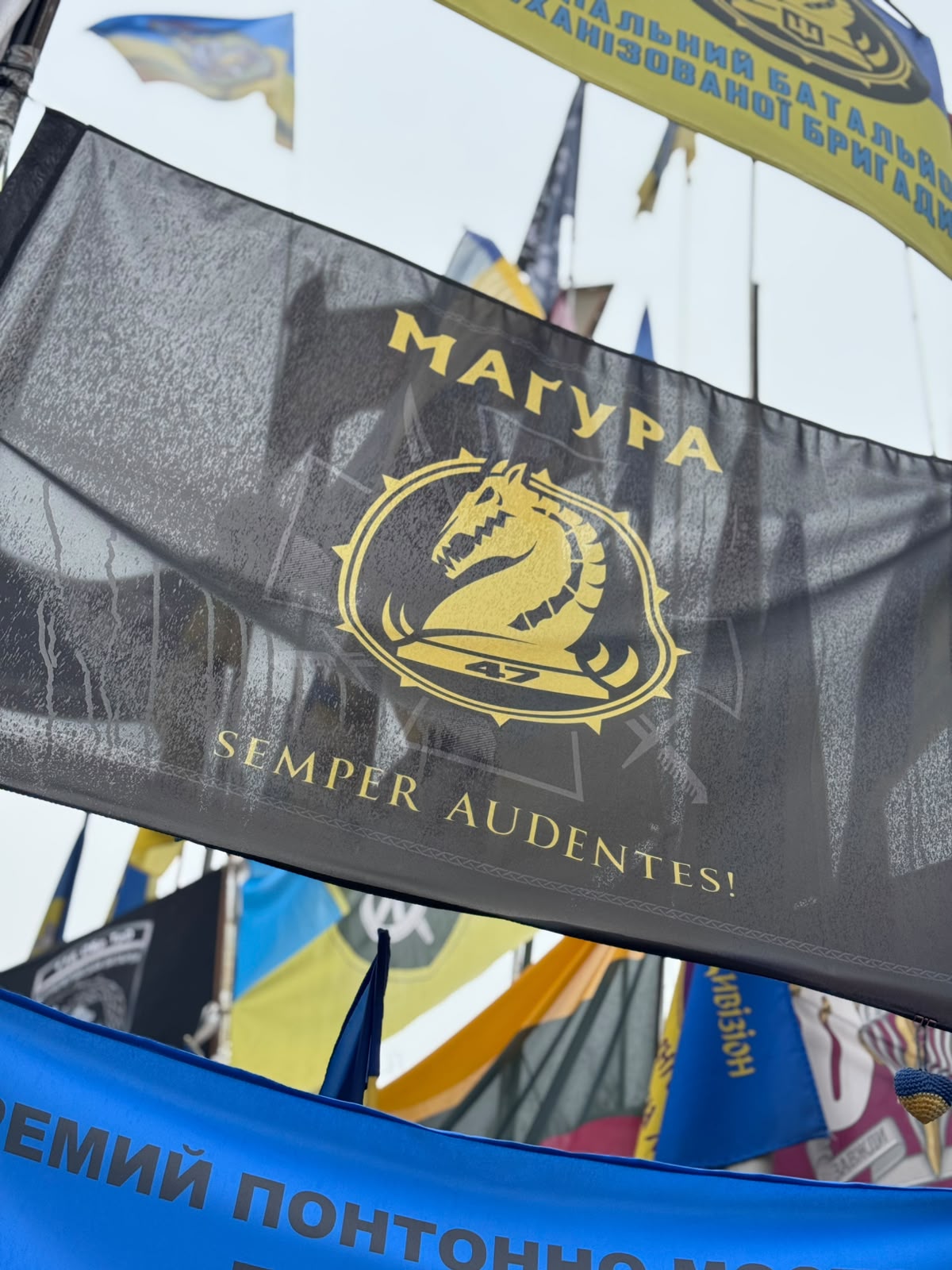
...There are two men in the crew: medical instructor Viktor Buzniuk, 29, and ambulance driver Oleksandr Nikolov, 50. Both serve in the evacuation squad of the medical company of the 47th Separate Mechanized Brigade "Magura" and, despite their considerable age difference, work as one. First, because they have spent several years of war together on different fronts, and second, because they share mutual respect and a warm friendship.
"It is very important," Viktor says, "to work well together, because you have to share living quarters, and you know what works for each of you and what does not. Mutual respect, morning coffee, regardless of the age difference; we are friends. Your crewmate is like you, just in another body."
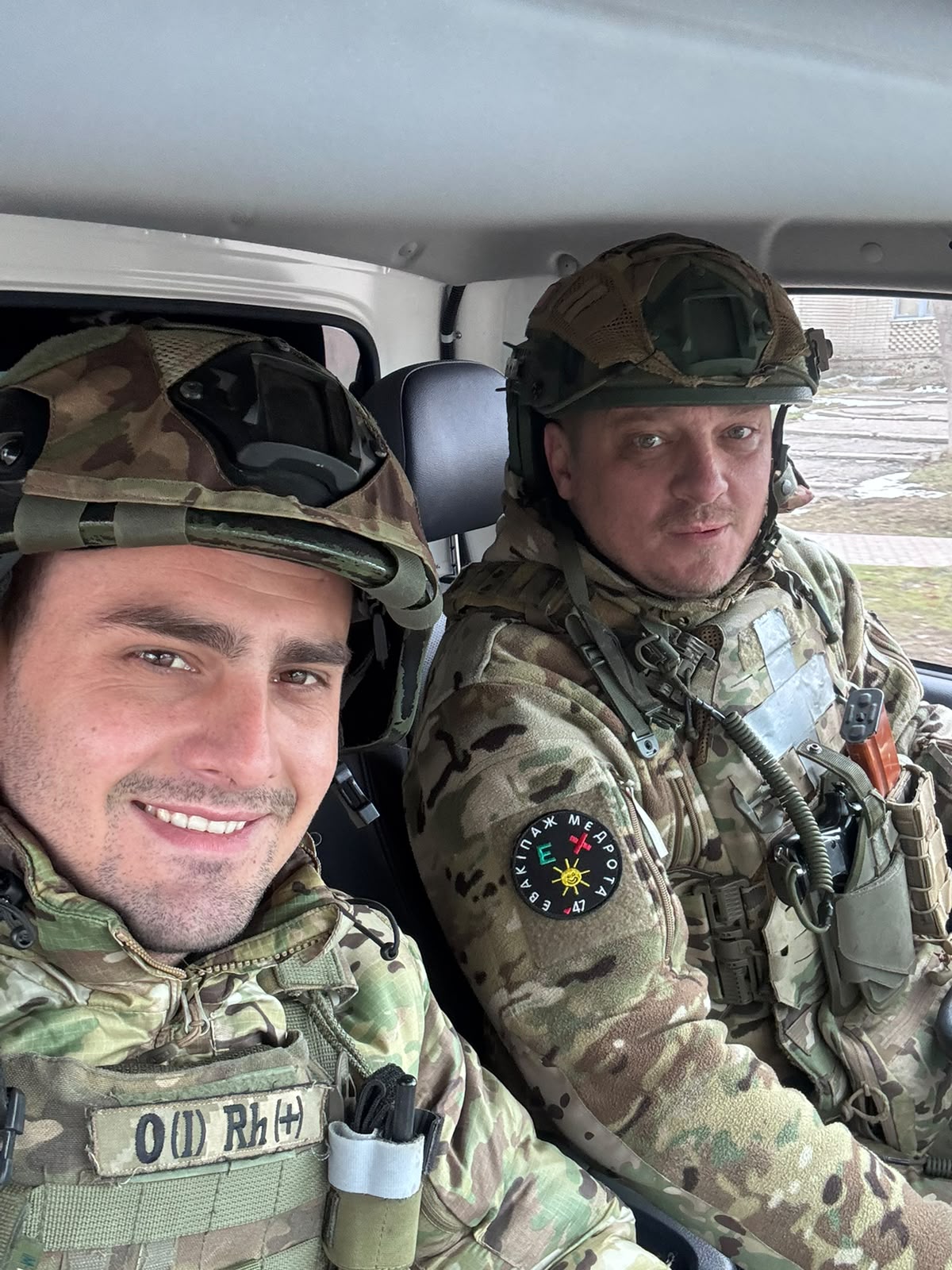
Their crew currently operates in the Sumy region. Censor.NET spoke to Buzniuk about the details of evacuating the wounded and why evacuation vehicles have to be fitted with armour.
- Viktor, there are two people in your crew. At first glance, it all seems straightforward: Nikolov drives, and you care for the casualty being evacuated. But do either of you have additional duties, say, in an emergency? Do you complement each other?
- We can actually cover for each other. If I am unable to provide care, or there are too many wounded, Sasha can help me and look after some of the other guys. And if Sasha feels unwell on the road, this has happened, I can take over at the wheel and get the wounded to their destination. That is one of the advantages of having two people in the crew.
- What is the largest number of wounded you have ever transported in a single evacuation vehicle?
- We once transported eight.
- That is crazy... How did you all fit in there?
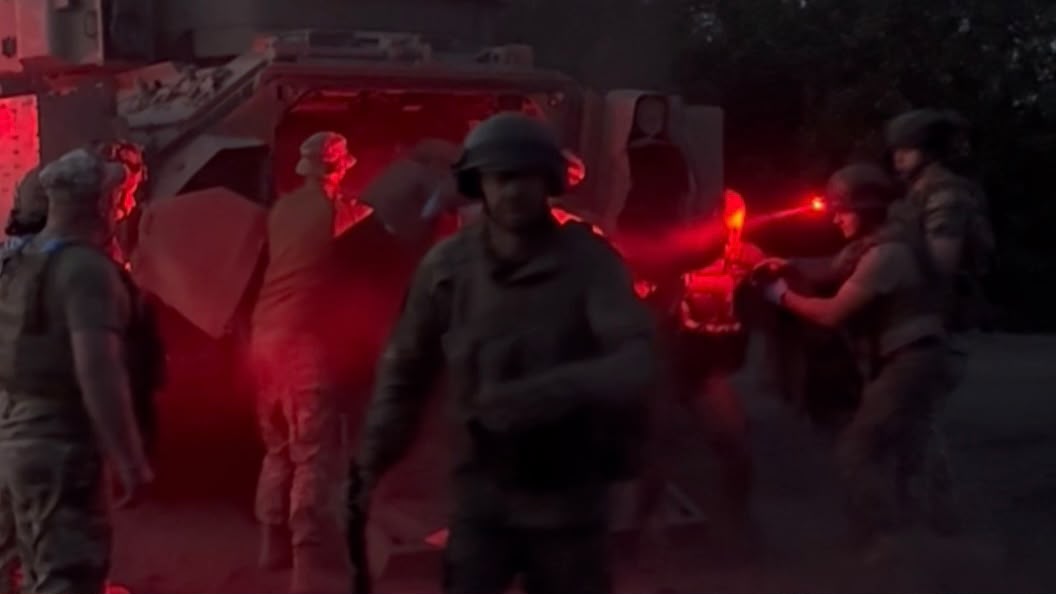
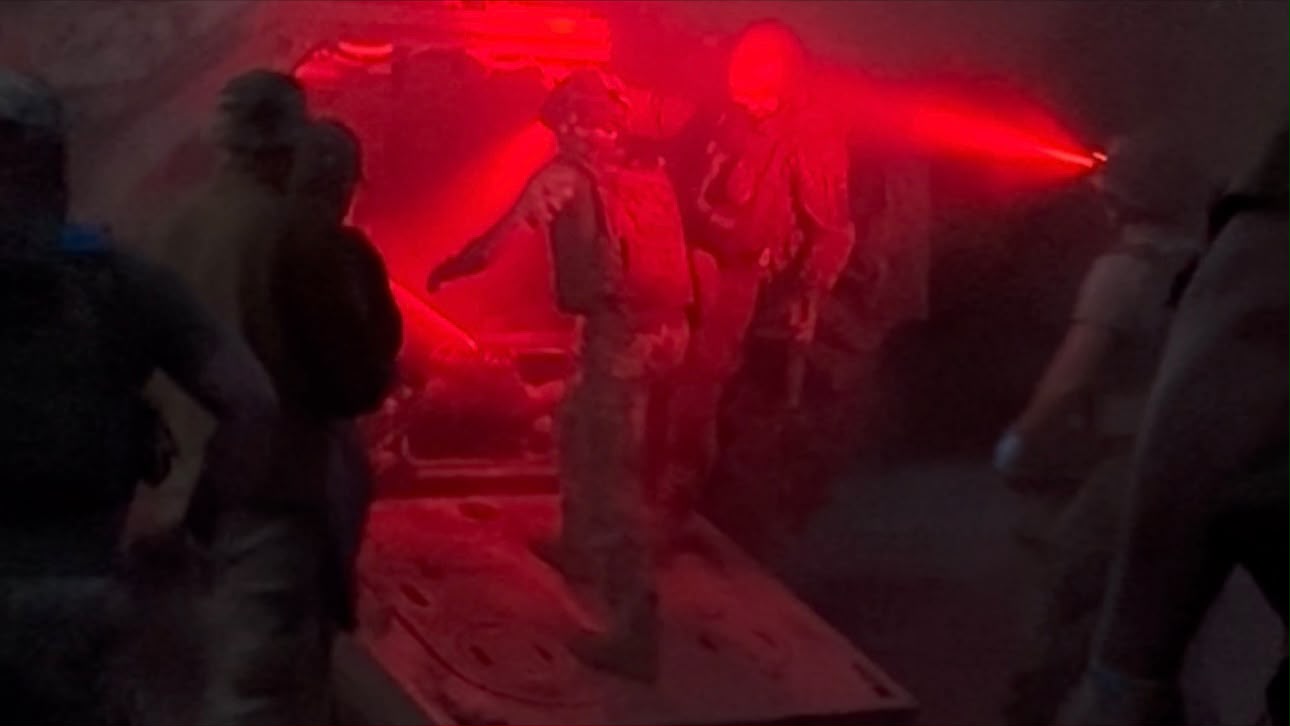
- We could not make another trip because some were seriously wounded, so we took everyone. It was extremely stressful. Those who should have been lying down were sitting up. The guys kept an eye on each other during the journey. And many of them were bleeding...

- Which sector was that in?
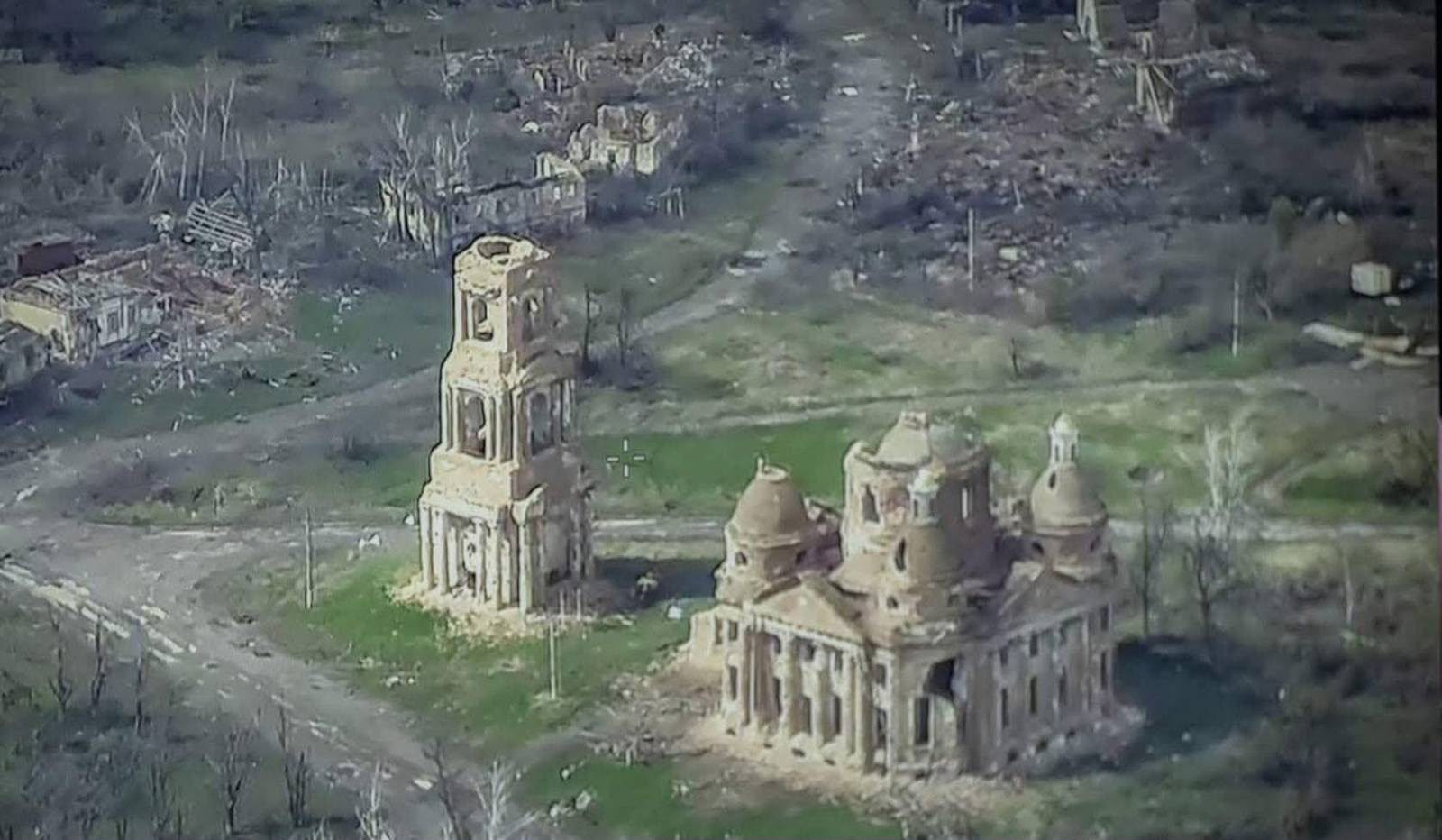
- Mostly in the Donetsk sector, but a couple of times in the Sumy sector too. The route from Yunakivka was difficult. We had to take as many casualties as the vehicle could hold because the journey from Yunakivka to the forward surgical team took two hours or more.
- In the Donetsk sector, were the wounds caused by artillery or mortars?
- There were very frequent small-arms engagements back then. The katsaps were advancing; there were a lot of clashes, and many of the guys had gunshot wounds.
- The crew's task is to get the wounded to the stabilisation point alive. What procedures do medics typically have to perform?
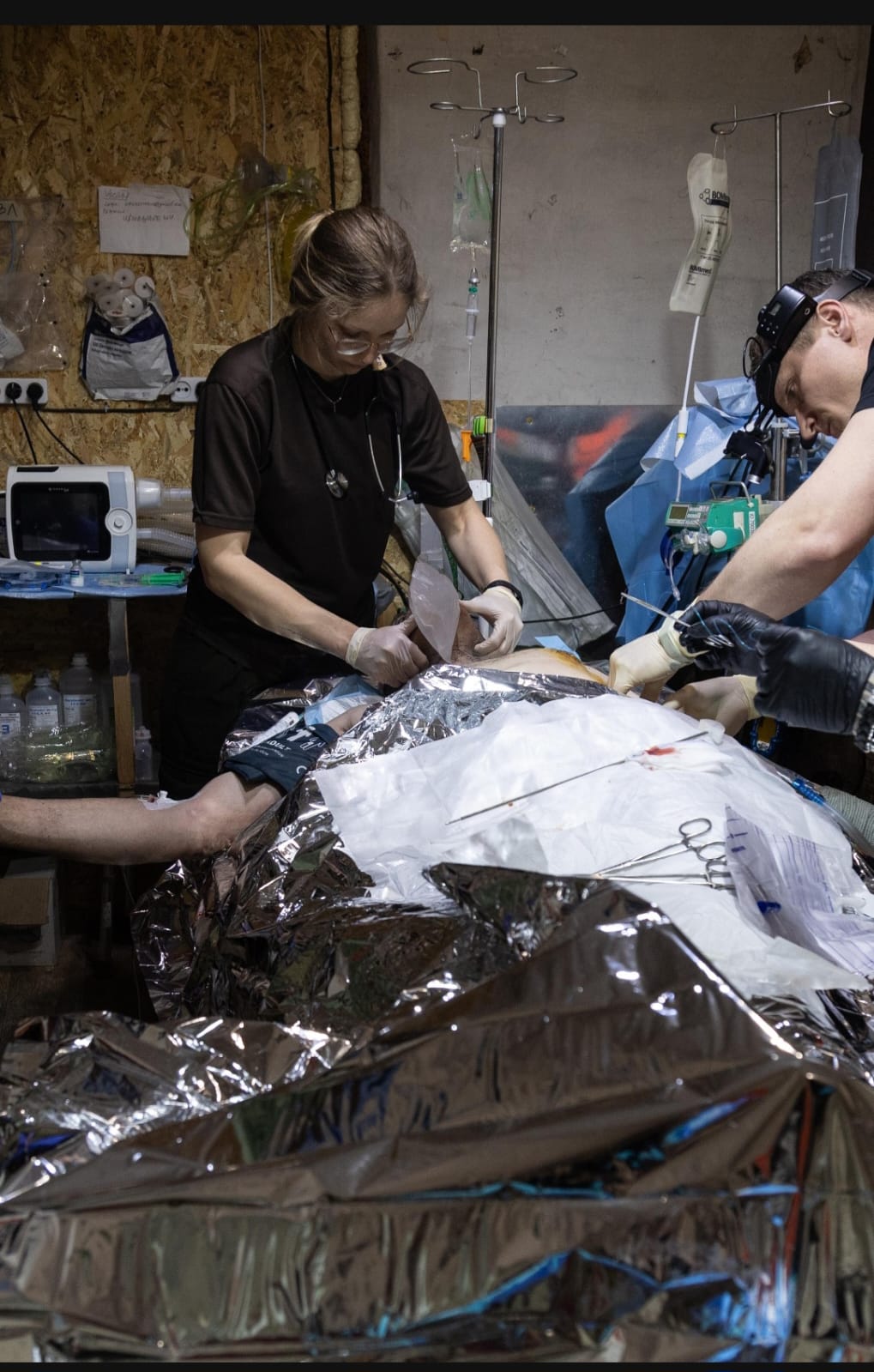
- Since we run training sessions and most of the guys know how to provide first aid, the key is to monitor the wound. If a tourniquet is in place, you check that it is not loosening and tighten it if needed. If it is tight but the evacuation is taking longer, you replace the tourniquet with wound packing to save the limb. And you check for penetrating wounds to the abdomen or chest... The main thing is to keep monitoring the casualty so that he survives and reaches the stabilisation point, where he can receive more comprehensive care.

- Since you have mentioned tourniquets: we at Censor.NET have been interviewing medics since the war began in 2014. For years, there were fierce debates and complaints about tourniquet quality. Medics were unhappy with the tourniquets they were being supplied with. What is the situation now?
- Things have improved a great deal. I cannot speak for other brigades, but our brigade only buys certified tourniquets. They are either Ukrainian-made, such as SICH, or NATO types, all kinds of tourniquets, starting with Soft CEM. They are all certified.
At the start of the war, though, yes, there were a lot of Chinese ones that would loosen on their own. The casualty would bleed without either him or the medics realising it. Things have improved now. And the guys are better trained to tell a counterfeit from the genuine article.
- Let's get back to the crew's work. How often do you have to perform procedures at high speed, on badly damaged roads?
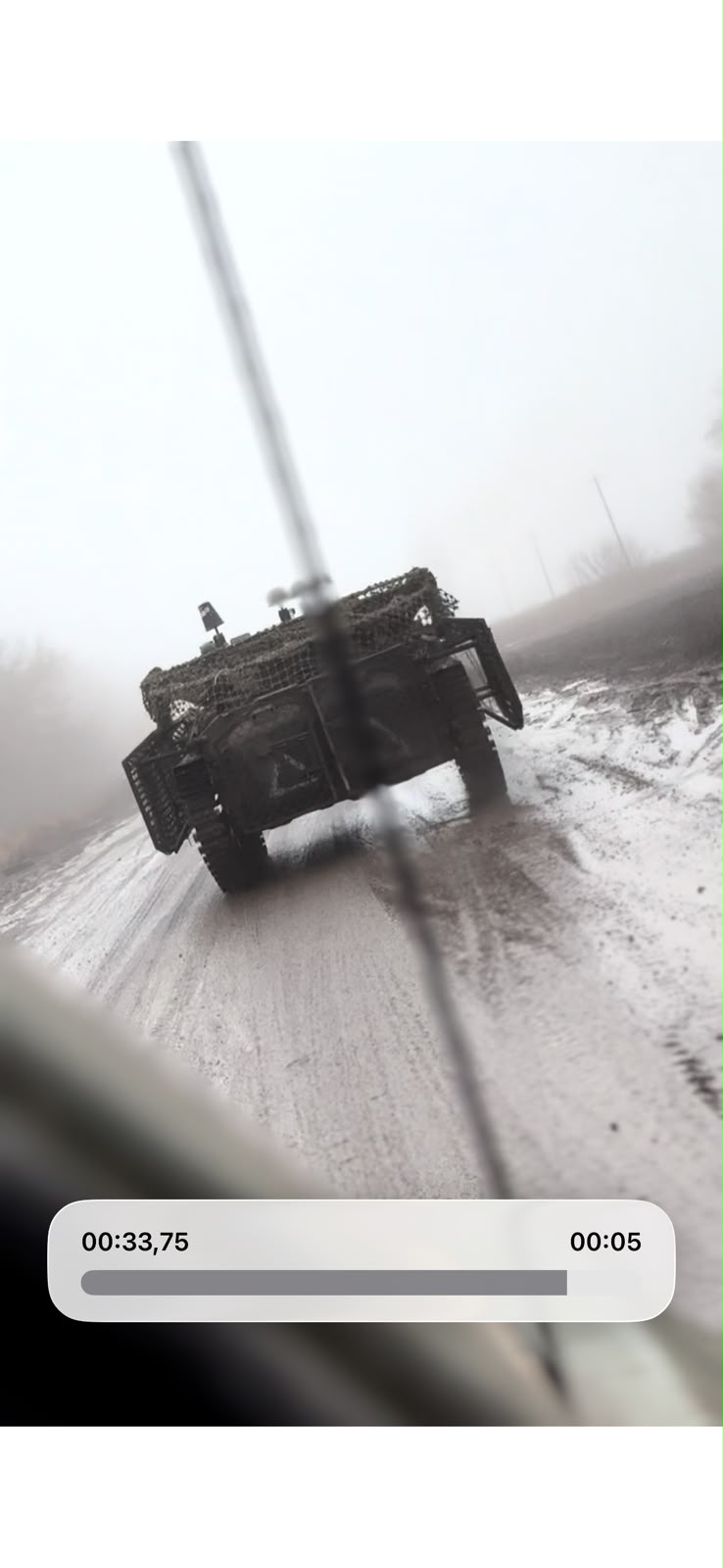
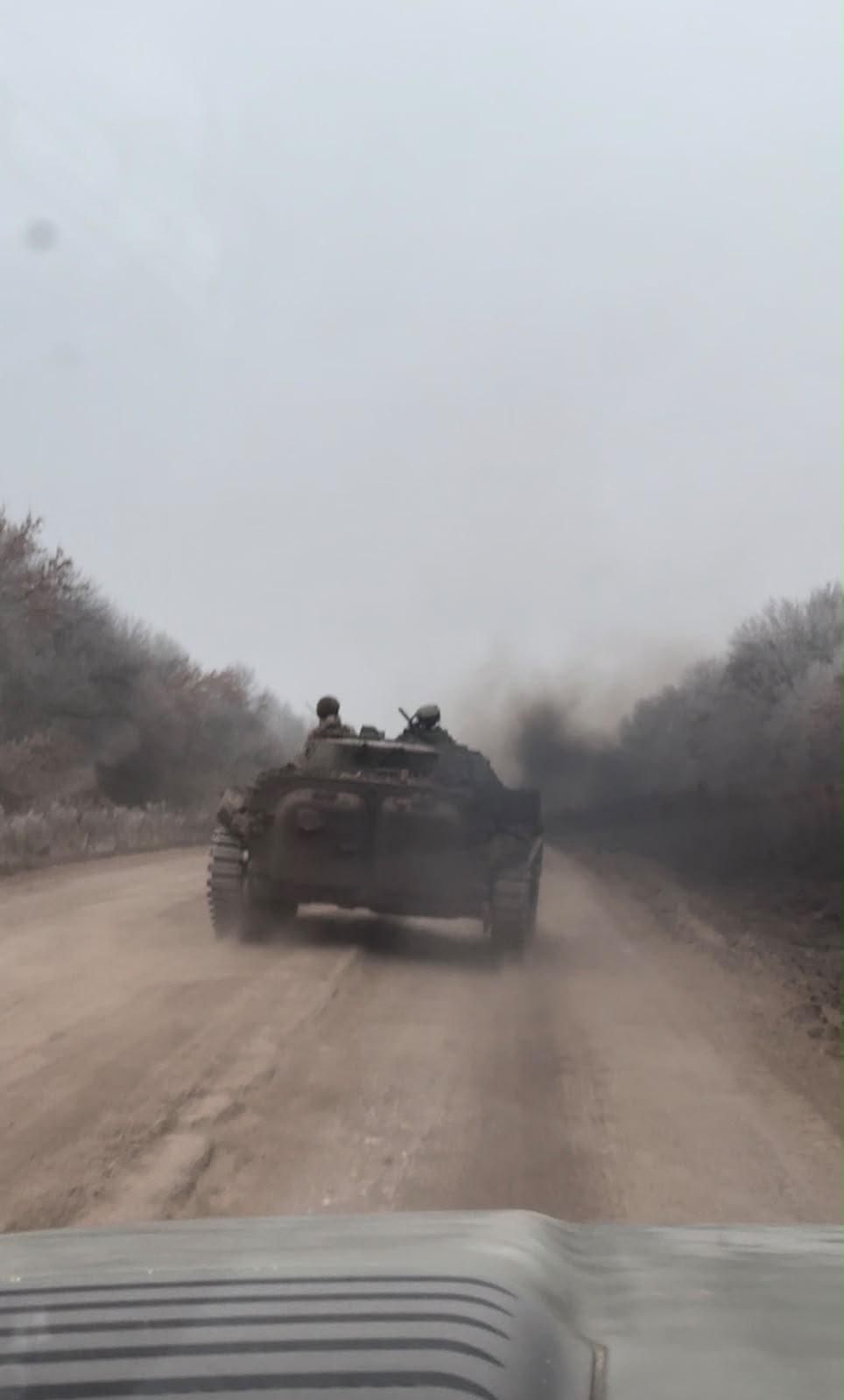
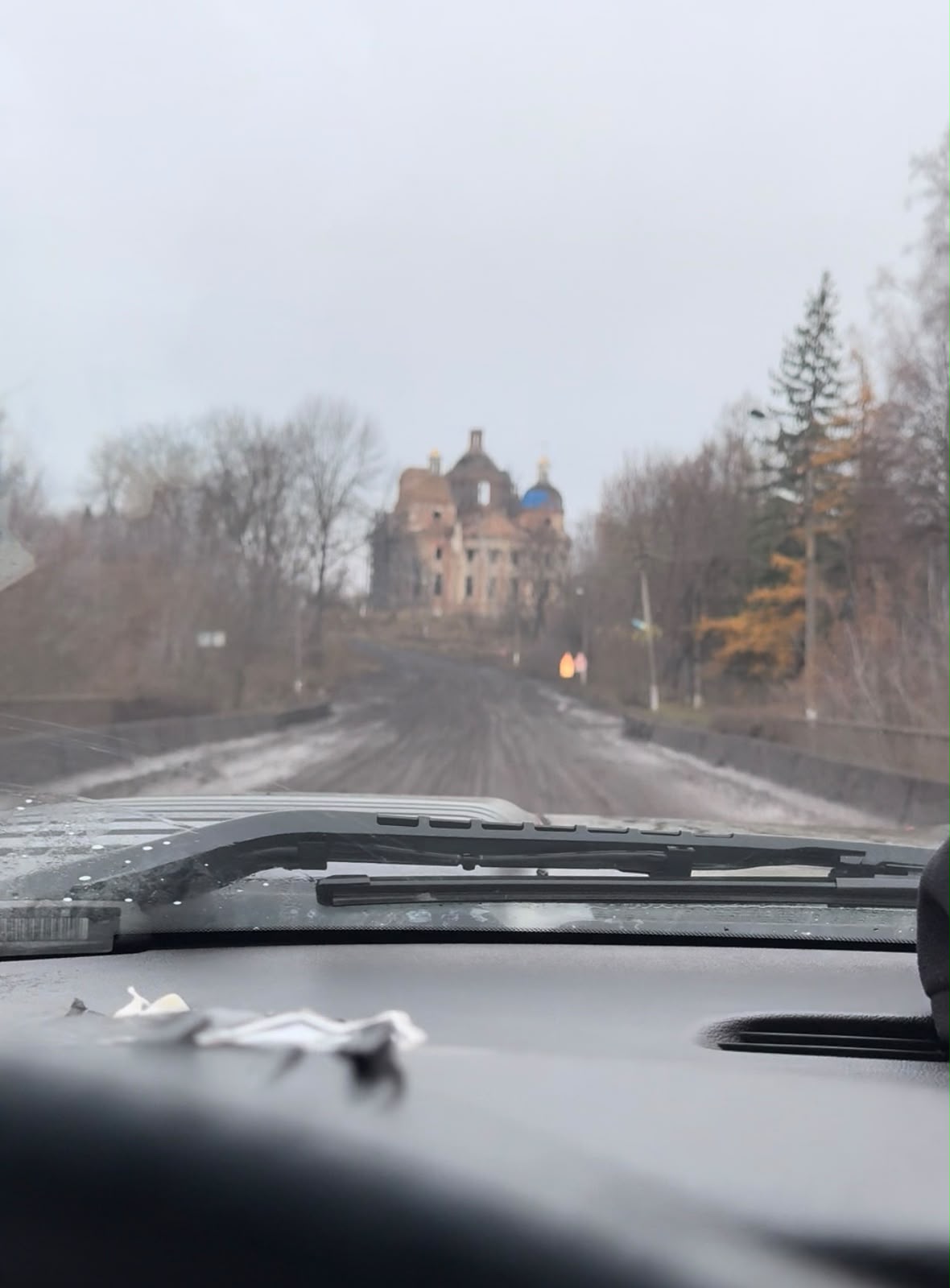

- Not so often over the past six months. Since our rotations take place once every two months, or in an emergency, there have been very few such cases. Generally, though, we have to do it all the time because we need to get the wounded to a hospital or stabilisation point as quickly as possible. And you keep monitoring them throughout the journey.
There have even been times when we had to resuscitate someone on the road at 130 kilometres per hour. But that was on a good road.
- We understand what the wounded go through, but what happens to your own heart rate when you are working in those conditions? Is everything pounding in your head and chest? Or does experience make it easier?
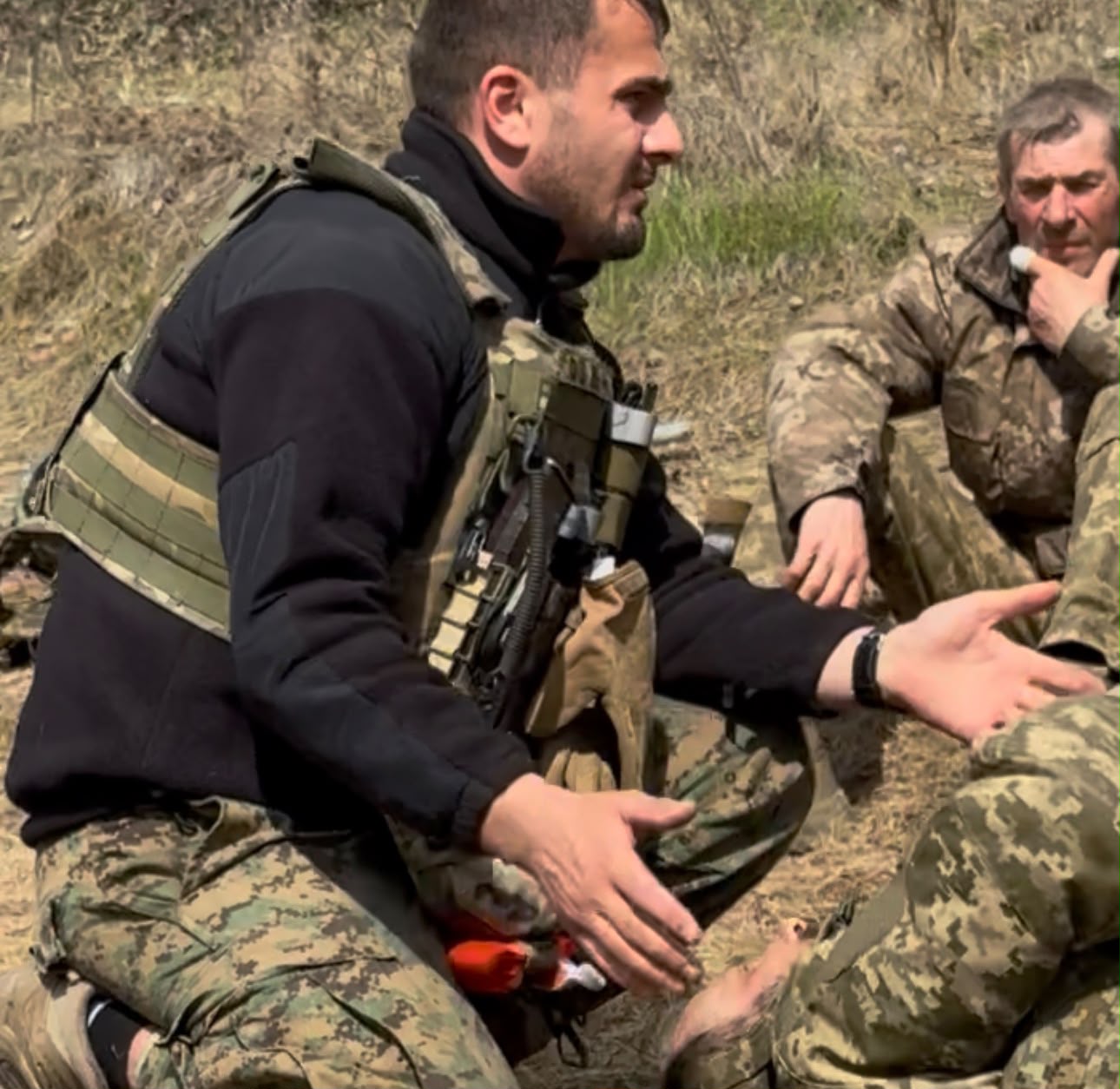
- Keeping a cool head is usually what helps. By now, we have had plenty of practice. You know what to do and how to act. Your mind switches off, your hands take over, and the work gets done. Only after we have delivered the wounded do we process what we have done. Then we might stop for coffee and discuss anything that did not go quite as it should, so we can put it right. We review our actions.
- In a situation like that, you are mostly running on adrenaline, and then, once it is over, the exhaustion hits...
- Yes. You rely more on adrenaline when there are a lot of wounded and only one crew. You understand the responsibility, and that is when the adrenaline kicks in, because you need to treat everyone as quickly as possible without missing anything.
- Imagine someone relatively new joins you. What must a medic be able to do inside an evacuation vehicle? What are the essentials without which you would not let a man or woman work alongside you treating the wounded?
- First of all, they need personal protective equipment. If someone is working with blood, gloves are a must. For their own safety. Those are the things I pay attention to.
And an interest in the work. If someone has no interest in what they do or in developing their skills, it will be difficult to work with them in the long run.
- You are working in the back while Sashko drives at speed. He also has to keep watching what is happening in the patient compartment.
- Yes. He has a monitor in the cab, and I have a camera in the back. He can see how things are going with me. We also have a small window through which we keep in contact. I tell him if we need to stop so I can provide care when someone's condition deteriorates. You cannot do everything on the move, start an IV on a potholed road, for example. So I ask him to stop somewhere on the outskirts. He stops, I quickly deal with the problem, and we carry on.
He also keeps an eye on what is happening in the back. If there are a lot of wounded, their cries can make it impossible for me to communicate with him.
- During an evacuation, you also have to keep the wounded responsive, maintaining contact with them. How do you do that? Have you developed any techniques?
- Since I previously served in a combat unit, I know what questions to ask about a casualty's work to keep him conscious. I already know which unit he is from, so I ask questions that engage him, things only those who have been directly involved would understand. That makes the conversation more interesting for them. They can see that one of their own is beside them. They are interested, they do not pass out, and they want to tell their story and talk about what they have been through. That is how I keep them going until we reach the hospital, where I hand them over to more experienced specialists.
- But they say that however skilled a male doctor may be at psychology, women are the best at maintaining that emotional connection.
- That is beyond question! (Laughs)
- Why is that? Obviously, the average man generally prefers being cared for by a woman. But is there also an element of being "embarrassed" to pass out in front of a woman, and so on?
- Yes, they want to appear more manly. I think that because most of the guys in the military have limited contact with women, they prefer being treated by women... Something kicks in, and they act tougher and endure more; they may hold back their cries. But it also depends on the women themselves and how they talk to the guys.
- Yes, and there are many stories of women keeping severely wounded men conscious with warmth and their own matter-of-fact approach... Viktor, what stages of training did you have to go through to do this work?
- When I joined, I was initially in a support role. The purpose of transferring to this unit was for us to crew an evacuation vehicle, this one or an M113, and pick the guys up directly from the front line. That was our team's idea when we transferred to the medical unit. To do that, we needed skills beyond simply applying a tourniquet, to give the guys a better chance of survival. I went and learned from other crews who had been doing this work from the very beginning. I took my exams, so to speak.
- And now you teach others yourself.

- Yes, we run training sessions very often. The main thing is that, on the one hand, people need the desire and the opportunity to learn, and on the other, people need to be willing to pass on their experience. Unfortunately, a willingness to spend time teaching someone is rare these days.
- The callsign for your crew with Sashko is Echo. Did you choose it yourselves?
- No, it is standard practice: Alpha, Delta, Echo, Charlie. The alphabet.
- How long was your longest evacuation with Sashko? What is your personal record?
- About five hours. That was in the Sumy sector. The guys evacuating equipment from the Kursk region came under attack. First, we rushed them to the stabilisation point because there were so many of them. They were stabilised there and given more comprehensive care, and then we transported them to one of the hospitals in Sumy. But the road was badly damaged, and they had abdominal and head injuries, which meant they really needed to avoid being jolted around. So we drove very slowly, and a route we could have covered very quickly took a very long time.
- You mentioned the Kursk region and the Kursk operation. There are all sorts of comments about it now, especially among people from Sumy and the surrounding region. Some say that if we had not gone barging into the Kursk region, perhaps Sumy and the region would not now be under such relentless pressure, hour after hour. Do you think that is a fair thing to say? There is another view, too: that if we had not launched the Kursk operation, this disaster would have reached the Sumy region sooner...
- My view is this: without that operation, we would not have the fortified areas that are now holding the enemy back. Because of the offensive into the Kursk region, fortified areas were built over a long period, and they were quite good ones. They are what is holding our defensive line together against the enemy now. So I think the operation had a positive effect by prompting the construction of these defensive lines. Without them, it would be much harder to hold the enemy back. What is happening in the city now would have started much earlier. A year or a year and a half earlier.
- Have you and Sashko ever lost a casualty before reaching the stabilisation point?
- No, thank God, that has not happened so far.
- How often did you come close to losing a casualty, but luck was on your side and theirs?
- Probably about four times. In two of those cases, we had to perform resuscitation in the vehicle. But God helped us bring them back.
- How did you feel afterwards? Completely drained?
- Yes. It happened on the road. It was very hard. I got out and immediately felt all my strength drain away... I needed to sleep.
- Did you follow up on what happened to those casualties?
- Yes, of course. I wanted to know what happened to them afterwards, whether my actions had helped or only made their condition worse. They all survived and recovered.
- I have always wondered: do the people you save later try to get in touch and somehow thank the medics who got them to the stabilisation point?
- There were two whom we later met in person. They had been trying to find out which vehicle had transported them, because they did not remember everything that had happened... Sometimes relatives contacted us to thank us in some way.
- With bags of gifts?
- Some coffee or something like that. We also crossed paths in hospitals, because we were constantly transporting casualties, non-stop. They would meet us there and want to thank us somehow...

- I heard that you managed to save lives using a LUCAS mechanical chest compression device, which is uncommon, at least in Ukraine. How did that happen, and what did you think of it?
- In fact, we (nowadays only occasionally, but back then) very often had critically injured patients in the Donetsk sector. The fighting was extremely intense, and we had to perform chest compressions manually. It is very hard because you have to maintain the rhythm throughout. Sometimes the protocol requires you to keep going for 40 minutes without interruption. People kept taking turns so they could rest, because it was physically exhausting. When we later received this device with the help of some kind people, things became much better. It got the heart beating again faster than a person could. People get tired and lose their rhythm, but a machine is a machine. The device worked non-stop. On one occasion, we had two critically wounded casualties. On one table, LUCAS resuscitated the casualty quickly, while on the other, we continued manually, which took longer, so we would not have to move him. We resuscitated him by hand. Another difference was that with a device like this, you could attend to other casualties. We had two treatment tables at the stabilisation point. LUCAS is absolutely first-rate. It is very useful in our work.
- You and Sashko have been working together for a long time... What makes a good crewmate? What does someone have to be like for you to say, "I would not trade him for anyone"?
- First of all, he needs to understand people. When you feel like giving up, he can lift your spirits with a single word.
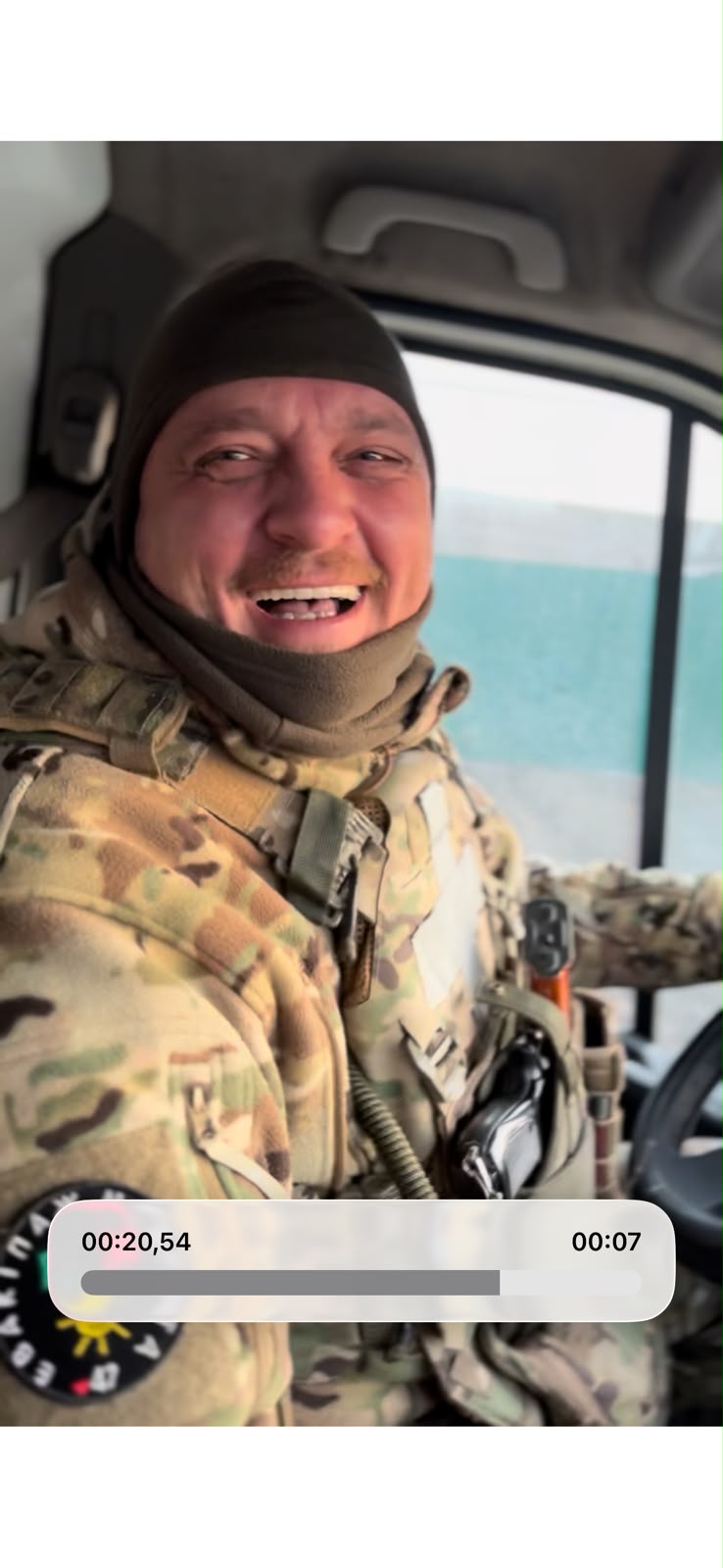
He knows exactly what to say and when to help you pull yourself together. It is very important to work well together, because you have to share living quarters, and you know what works for each of you and what does not. Mutual respect, morning coffee - regardless of the age difference, we are friends. Your crewmate is like you, just in another body.
- Nicely put! How common is a large age gap between crewmates? Is it the norm?
- It happens very often. Almost all our crews are like that. They have stayed together as they were put together at the very beginning. They are used to working with each other now.
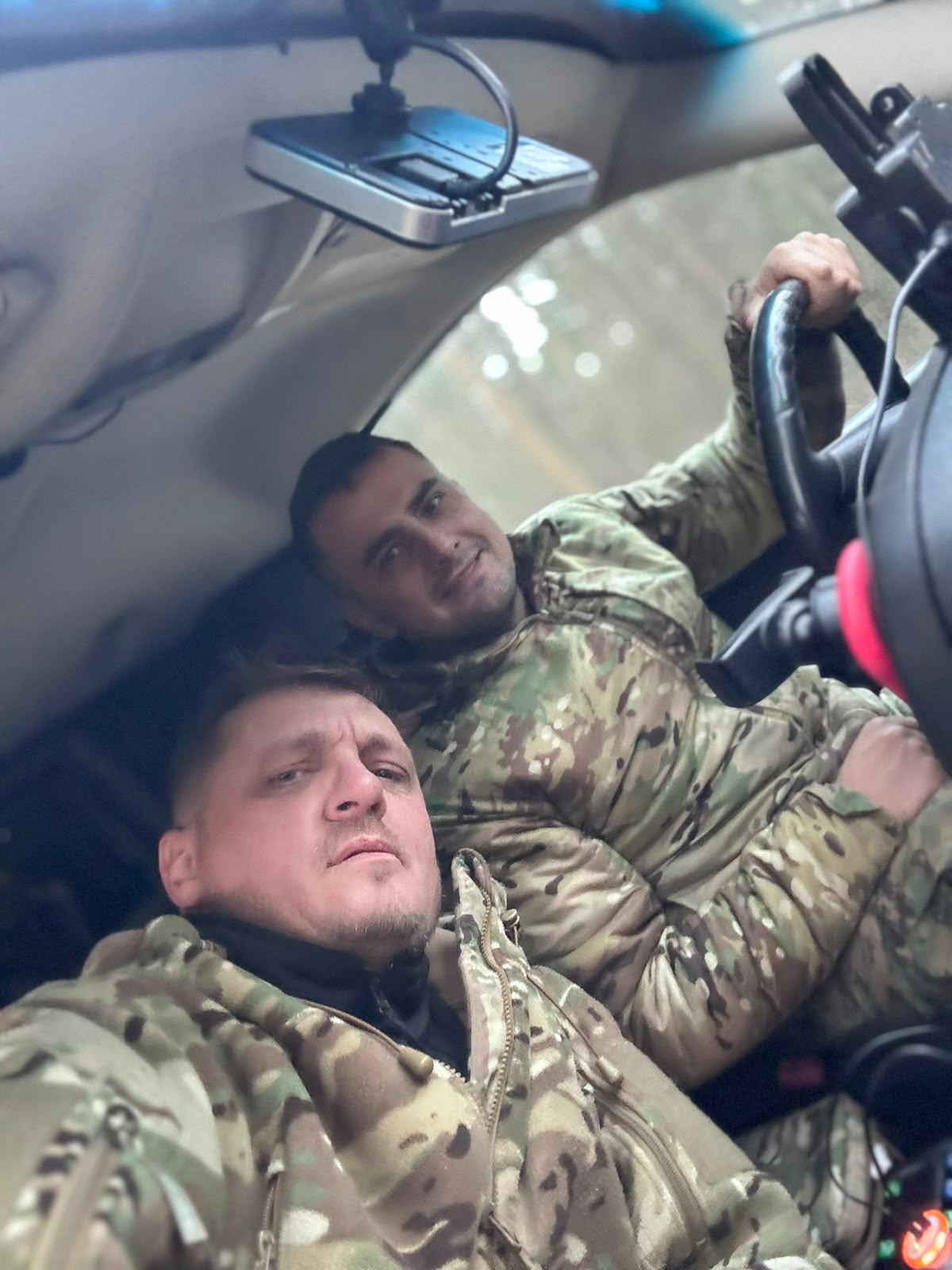
This time, Viktor is at the wheel, while Sashko keeps the camera in focus.
- You have faced danger over the years. What stands out most in your memory?
- The village of Vovche in the Donetsk region. We had an evacuation point there after they took Ocheretyne from us and were advancing towards Myrnohrad. We needed to collect casualties from that point. Our other vehicles were busy. The evacuation commander came up to us and said he had left the point and that wounded men were waiting for us there. We needed to get there and pick them up as quickly as possible, but nobody knew what the situation there actually was. Some said the enemy was advancing very quickly towards another village.
By the time we arrived, small-arms fighting was already underway in the village. We drove down into a ditch; luckily, the vehicle had four-wheel drive. Sasha and I quickly loaded the casualties and drove away...
That was one of our most dangerous runs. We had no idea what we were heading into or what to expect. Before that, a couple of evacuation crews from the 100th Brigade, which had been unable to withstand the pressure, had been killed — shot up. It felt as though we were back in 2022...
- Was "God, please get us through this..." running through your head?
- Constantly. Every bombardment, every trip, especially when the route is also under fire... Every time feels like the first. Experience just teaches you how to act. But it is hard to get used to. If you assess the situation realistically, it is hard.
- After experiences like that, did you ever think, "Damn, I need to switch to a different military role because I cannot cope mentally anymore"?
- No. There are various disappointments and other thoughts. But personally, I have never thought about switching to something else. I have already done other things. The army is the army wherever you go. You need to keep improving at one thing. If you are good at it and making a useful contribution, there is no need to change what you do.
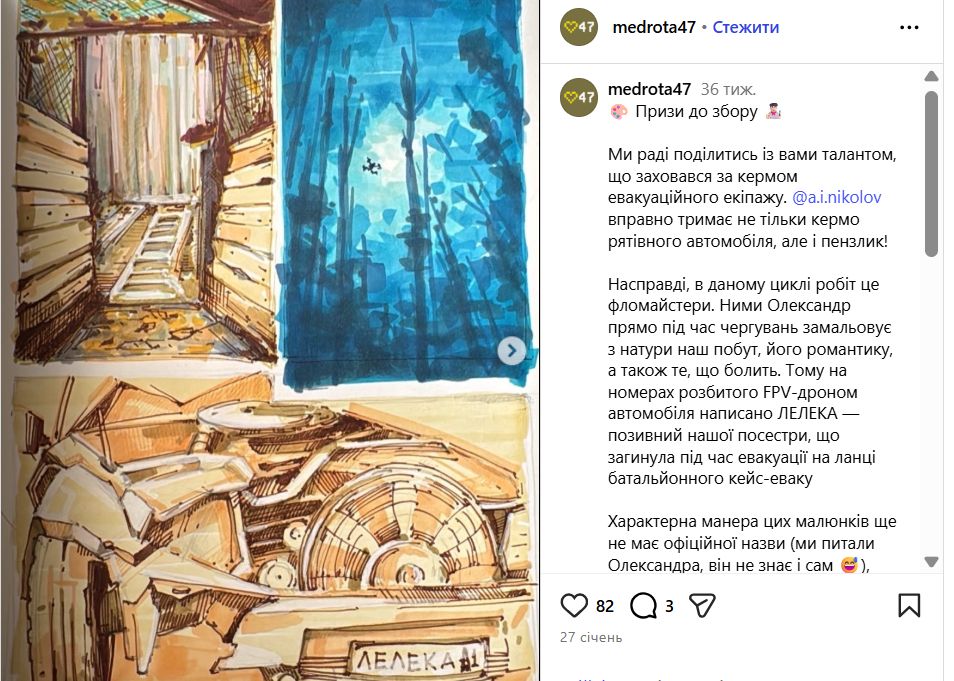
Oleksandr Nikolov combines wartime service with his artistic talent.
- Have you often seen fellow medics burn out? What does that look like?
- They lose the desire to work or overcome their own fear. It is hard to see someone you have worked with become unable to do their job effectively because of emotional burnout. These people need to be allowed to return to civilian life so they can recover among family and friends. Here, they will be of no help to society or the guys. They will only destroy themselves.
- I have heard that when Nikolov sees someone getting dangerously close to that point, he tries to give them a bit of a kick — in a positive sense. A joke, sometimes a harsh one...
- Yes. It really helps bring people back to their senses. Sasha's theatre background comes through — good for him. And his life experience: he knows how to get through to someone. It is very important that he has that experience. He shares it, showing people how to handle things.

Our team is actually quite small. The world does not stand still. But we came here in 2022–2023, and that is how we remember the world. We go to see our families once or twice a year, but we do not really get a sense of how their lives have moved on. So, yes, sometimes it is hard to understand why there is such a gap between military personnel and civilians. Civilians are moving forward; their lives are not standing still. Meanwhile, service members are, in a way, stuck, expecting to return to the world they left behind. But that world no longer exists as it was...
- Overall, what is the hardest part of your crew's work?
- I think it is logistics. A major issue is that not all our vehicles can get to where help is needed. The vehicles are not suited to the conditions ( even though they should meet today's needs). They used to be great; they were suitable. But in the war as it is now, their vulnerability is a serious issue. The suspension and running gear are not up to it. The roads used to be topped up with gravel, but now, because of drones, nobody repairs or resurfaces them. It is dangerous; we understand that perfectly well. So we would like more protection. It is up to the state to ensure that armoured Kozak vehicles are available to our units as well as the National Guard. That is how I see it. I used to serve in the National Guard, so I know how it is equipped, how the police are equipped, and how the Armed Forces are equipped; in the latter, people drive around in old bangers, to put it bluntly. I would like this to be taken more seriously, with both medical and logistics units supplied with better-protected vehicles that can handle difficult terrain.
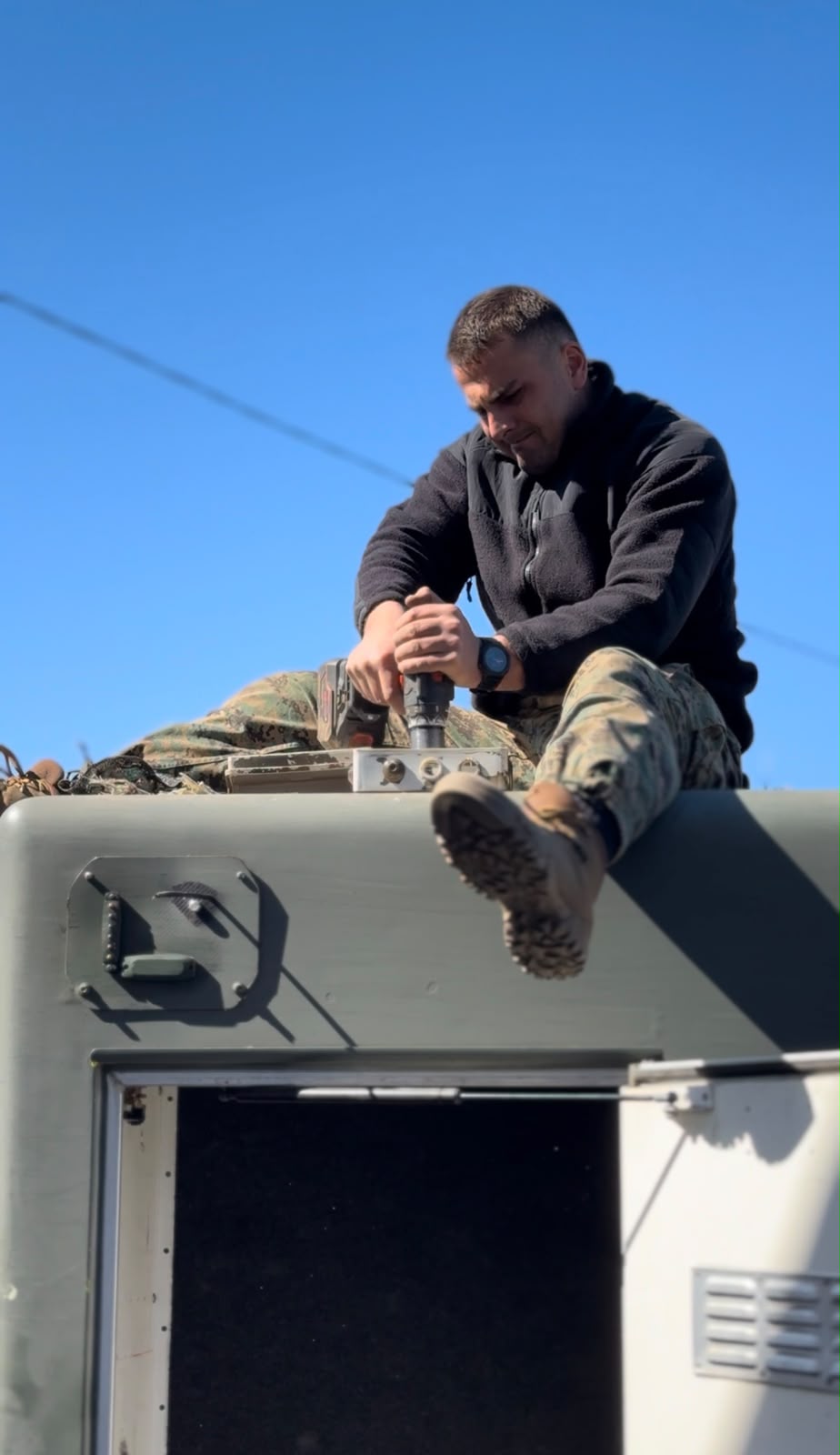
- That is exactly what I wanted to ask about. Previously, you raised money to repair vehicles. On these roads, under emergency conditions, they broke down so often it was almost an epidemic. You still raise money for repairs, but priorities have changed, and your medical company is now raising funds to armour its evacuation vehicles. Please explain why. Are the Russians really hunting our evacuation vehicles? What does that look like in the Sumy region?
- Yes, that is no secret. During one of our shifts, my vehicle was also hit by a drone carrying a shaped charge.
- Did you know the drone was approaching?
- Luckily, nobody was in the vehicle at the time. It was parked. They deliberately aimed the shaped charge at the driver's position and penetrated the vehicle right through.
- How far were you from the vehicle?
- About 100 metres, perhaps less.
- How did you feel?
- At first, I had mixed feelings... We were praying that we could get the vehicle out of there, because there was a bridge and we had to get all the way across. And that it would start, because at first it would not. We needed to go and get a replacement vehicle, then recover the damaged one. At least get it to the village, so someone could come and tow it away.
But, thank God, we managed to drive it out under its own power.
- How much did it cost to get the vehicle back into service afterwards?
- Unfortunately, we never did.
- What if it had been armoured?
- It is hard to say. A shaped charge can penetrate a tank's armour. But armour would help protect us against fragments. It would protect both the casualties and the crew.
- Are there a lot of fragments?
- A huge number. They modify RPG warheads. The warhead itself already produces a lot of fragments, and they glue more fragmentation material onto it. Quite a lot. That is why armouring the vehicle is so important: unless there is a direct hit, the fragments will not tear into the wounded and the medics.
- How much does it cost to fit an evacuation vehicle with armour? Yours, for example?
- Our vehicle is very large. For a standard one, it costs between 200,000 and 250,000 hryvnias per vehicle. We have one armoured vehicle; the rest are not armoured. Kevlar, the material itself, has become more expensive.

- Did you start thinking about adding armour after the evacuation vehicle was hit?
- Yes. There is something else to bear in mind: we are talking about a van. When the guys are travelling in a pickup, they can at least see something flying towards them from behind. But this is a van. The driver can only see what is ahead and cannot always see something approaching from behind.
- Don't you have a Chuika or some other device to monitor enemy activity around you?
- We have a spectrum analyser, but the frequency bands keep changing, and we cannot keep up with the upgrades. It is rather expensive to equip every crew. The equipment is not cheap. There are also a lot of fibre-optic drones that Chuika cannot detect. Many of our fellow soldiers have been killed in this sector specifically by fibre-optic drones. Neither Chuika nor anything else detected them.
- Viktor, what are the main differences between your service in various sectors of Donbas and in the Sumy region?
- When we were in Donbas, I personally felt like an outsider there. The local population was hostile towards us. There were many wounded, but no help from civilians. Mostly, it was: "Don't park here", "Don't leave that there", "Why did you come here?"
Our dear Sumy is completely different. The work is easier too; there is less of it. Everyone is friendly; they are all our people. There are more people on our side who help with repairs too. It is even nice to go for a walk if my family comes to visit. It is a beautiful city.
- Where are you from?
- The Vinnytsia region, but I live in Irpin.
- And Sashko is originally from the Sumy region. Does being on his home ground help him or make things harder? There is little comfort in seeing your home region being pounded...
- At first, it was hard for him to watch. It made things harder. Then I realised he had changed a little and reconsidered what was happening. After all, this place holds all his childhood memories. So when strikes come in and destroy it all, he understandably takes it hard. But over the past six months, perhaps longer, he has actually been encouraging those who are grieving for the city and its people. We have grown used to being here; it feels like home now. Seeing all this destruction - what has been wrecked and where - brings us down. Now he is the one cheering us up, reminding us that this is war...
- Viktor, you are now entering a new stage in your personal relationship. Does that give you additional support?
- Yes, preparing for the wedding takes my mind off the war. I am building my personal life now. It helps to have something else on your mind. Your hands are doing one thing, but your mind is somewhere back home, because there are things to sort out, someone to care for, something else going on. Life is better when it is not all about the war.
- When your wife texts "How are you?" in the morning and you reply, it lifts your spirits...
- It lifts my spirits and motivates me. What you are doing is not in vain. It is not in vain anyway, but now it has a personal purpose too.

- Then, on behalf of our readers, I wish your crew safety from all the nasty things flying and firing out there. That comes first. We will also ask our readers to donate towards armour for you. Thank you for your service, guys!
Please note: anyone wishing to help the 47th Brigade's medical company fund armour for its evacuation vehicles can use the following details:
https://send.monobank.ua/jar/eDKPrw2KM
4874100039575629
https://www.instagram.com/medrota47?stkn=ZHRid2R4OXc1dngx&utm_source=qr
Yevhen Kuzmenko, "Censor.NET"
Photos: Echo crew


