


"We held some very tough positions near Vuhledar, and I never had to force anyone," - border guard Serhii Bezushkevych
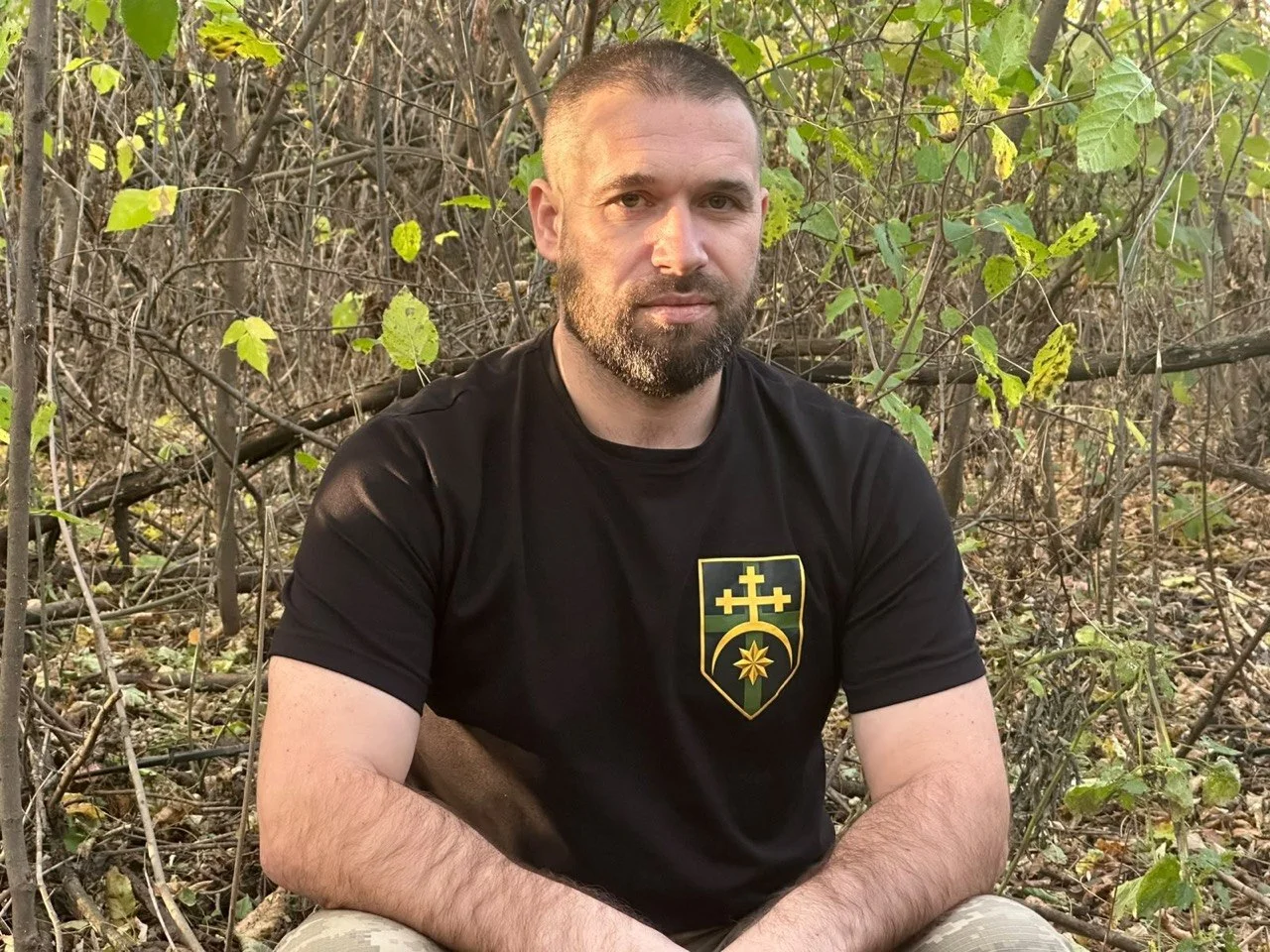
For 43-year-old Major Serhii Bezushkevych, the most important acronym in his life is SBGS. He recalls how fate led him to the border guard service, to which he has devoted more than 24 years. "I’m originally from a village in Volyn. I remember clearly how the other guys and I looked up to the older men in our village when it was time to do our compulsory military service. Back then, the paratroopers and the border guards were the two groups we admired most. We could tell them apart by the color of their striped undershirts — light blue and green. It was considered a real honor to serve in either.
"As fate would have it, I ended up wearing the green striped undershirt. It all started at a training center, and then the service took me to Foros in Crimea, where I protected senior state officials as part of the Border Troops. Perhaps it was then, as the daily responsibility toughened me, that I came to truly love the work. Or maybe that's just how life worked out, and the border chose me."
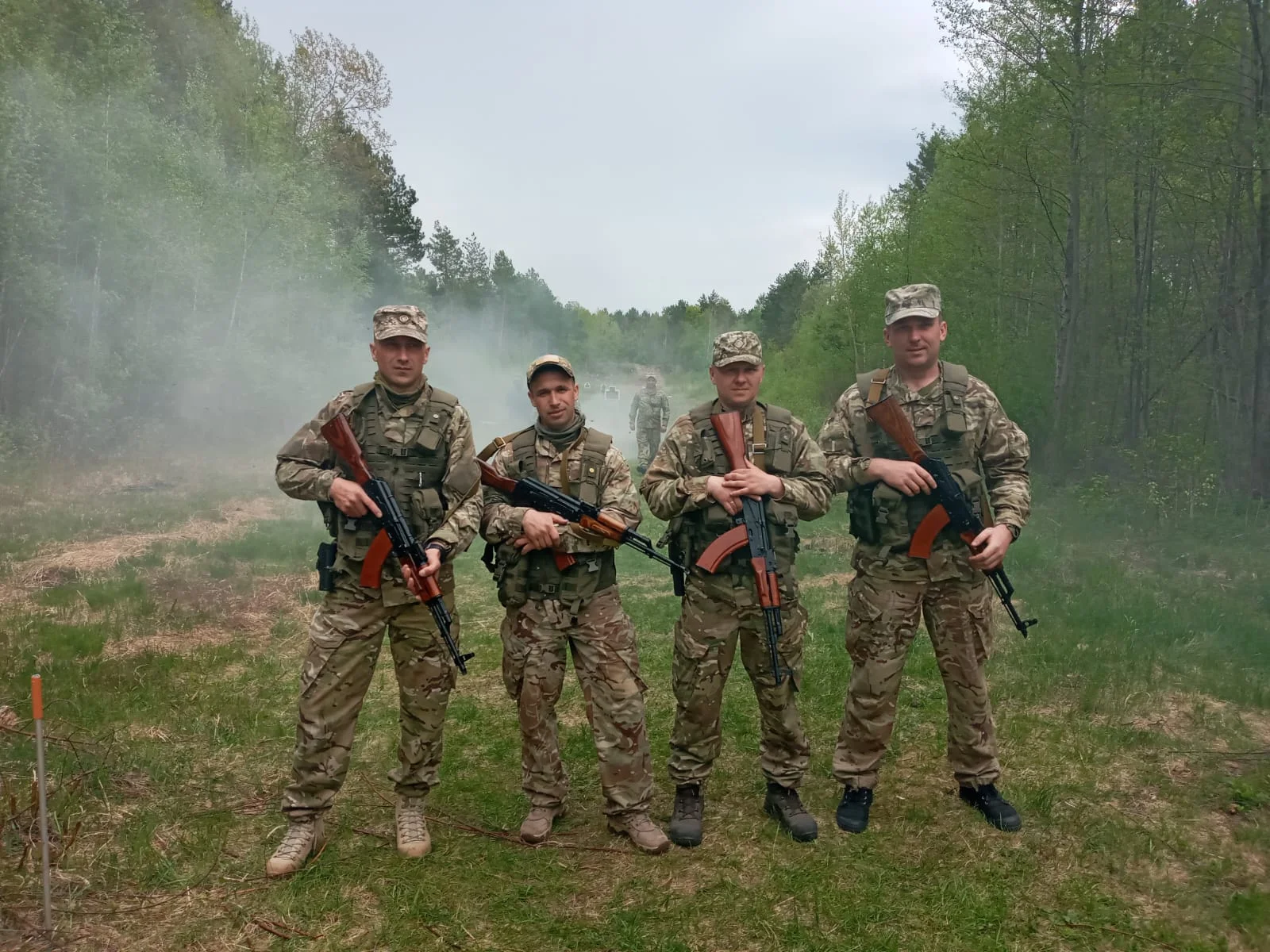
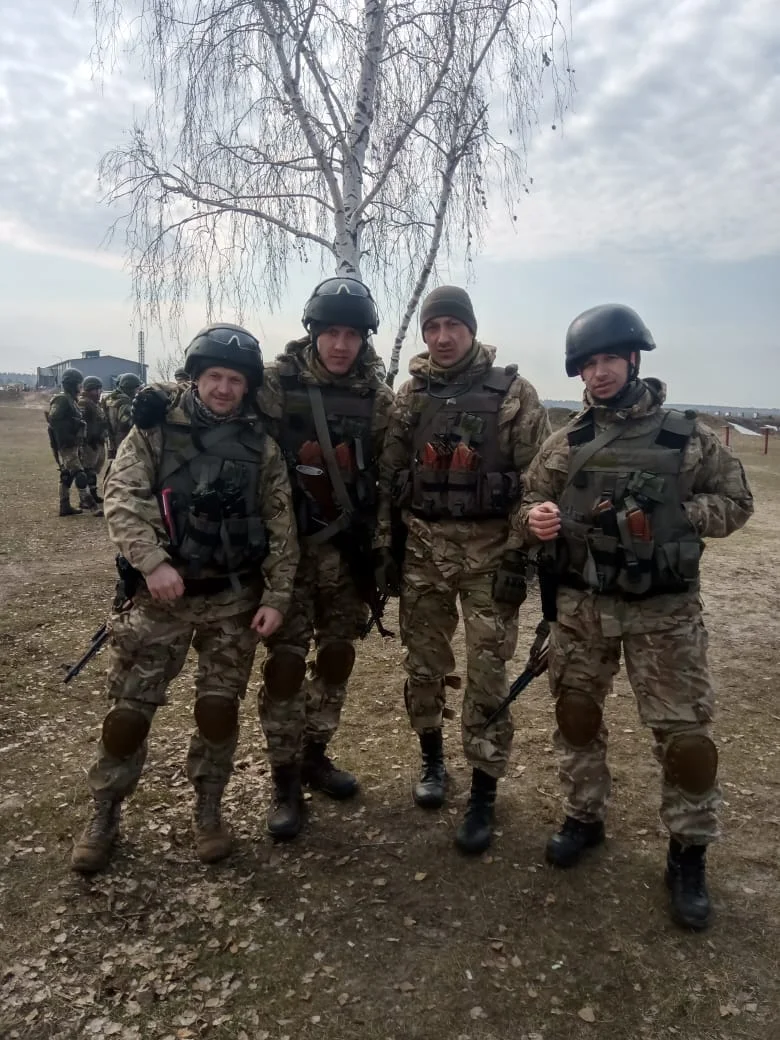
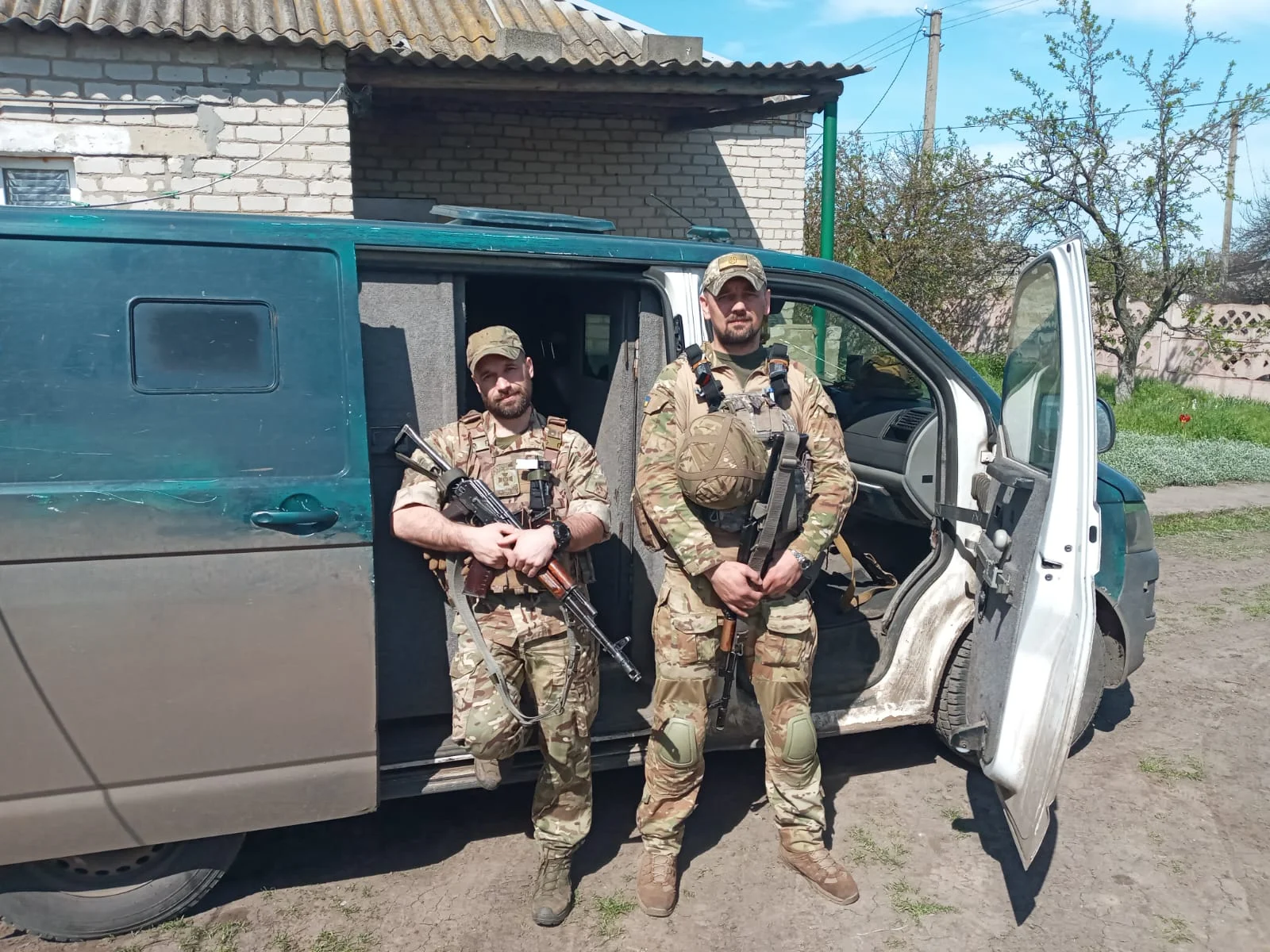
Serhii began his compulsory military service in 2001. In 2003, he signed a contract and later graduated from the Bohdan Khmelnytskyi National Academy of the State Border Guard Service of Ukraine. He was commissioned as an officer in 2018 and went on to serve in his native Volyn, carrying out a range of assignments. He was already commanding a mobile border outpost there when the war came. He went on to see combat in Donbas and the Kharkiv region, where he is now fighting as deputy chief of staff of the Rapid Response Border Commandant's Office of the Volyn Border Guard Detachment.
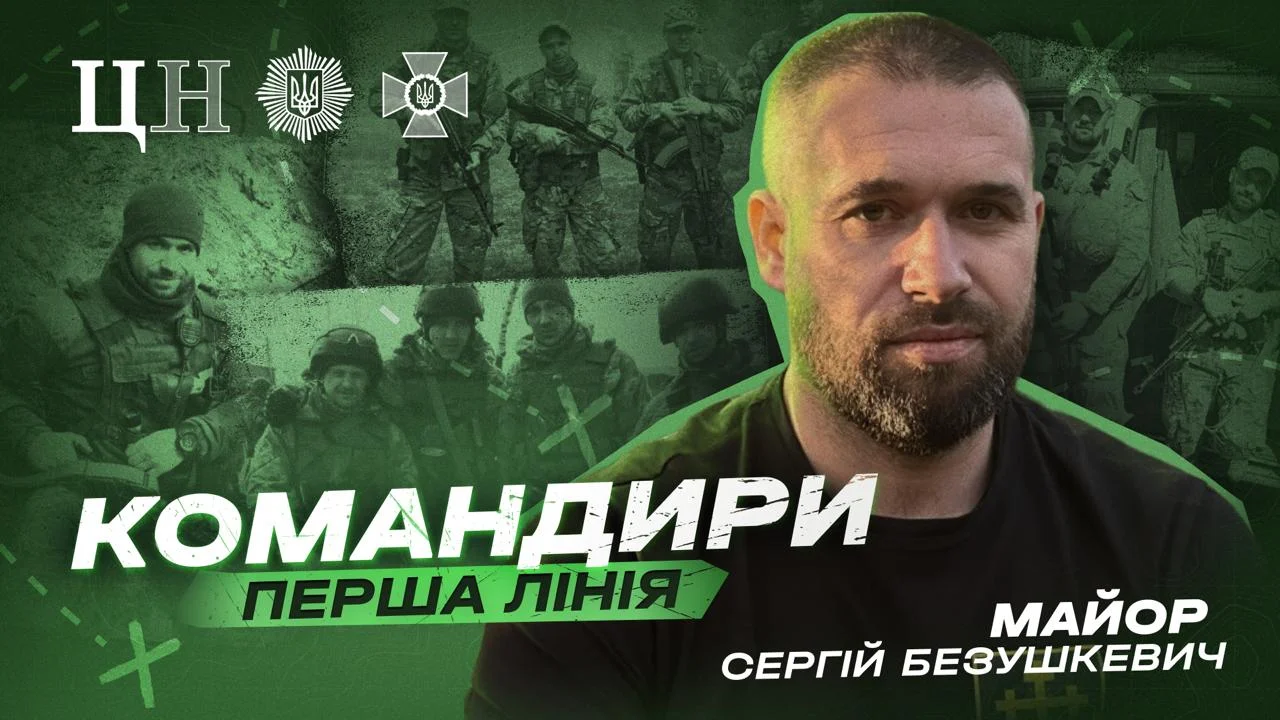
Bezushkevych's interview with a reporter from our publication was the first in a joint project by Censor.NET and Ukraine's Ministry of Internal Affairs about combat commanders in the agencies overseen by the ministry. Through the experiences of commanders and those they lead, the project examines how the war has changed the very meaning of command and what happens to a person whose decisions other people's lives depend on. It looks at the decisions commanders face every day, how the consequences affect their units and the commanders themselves, and how responsibility for others changes their principles, their relationships with people, and the way they see themselves.
– When did you first gain command experience? That was the first question we put to Serhii Bezushkevych.
– Back when I was a squad leader with the rank of sergeant, from 2005 to 2008.
– How does your experience of command back then compare with what you do now? How does command in peacetime differ from command in combat? What skills and qualities matter most for a commander?
– First of all, there's a huge difference in how you talk to people and how you prepare them for combat missions. In peacetime, a commander could react more harshly or even tell someone off. Now, in combat, you have to talk to the guys and prepare each of them mentally. Whenever you get a chance, go see the troops and just talk to them. When I led the unit, we had an exceptionally tight-knit team. Unfortunately, life took us in different directions. Many transferred, and quite a few of our comrades were killed or wounded… But back then, we really were a family. We held some very tough positions near Vuhledar, and I never had to force anyone. Everyone understood their responsibility and stepped in to help without a word whenever they were needed. It was easy to lead them, probably because we'd spent so much time training together, knew each other inside out, and could read each other.
The most important thing, though, is talking to your troops. The more often they see their commander and the more you talk to them, the sooner you earn their respect.
– You've faced plenty of crises as a commander. This is war, after all. Which one has stayed with you the most?
– You know, in an extreme situation, one person will do as they were told, while another might lose their composure…
– …And a third might improvise something that had never occurred to anyone before, including him.
– Exactly. The first time we went to Donbas, I had 14 conscripts under my command, including a guy named Kolia. He was a good kid, diligent, but… Some guys were in better shape, others were more eager to get to work, and he was just an ordinary guy. Then came the fighting, and he showed what he could do in a way no one had imagined. He kept his composure, did whatever he could to help, and repelled enemy assaults. They told him to go, and he went. They told him to move, and he moved. They told him to fire the PK (a 7.62 mm Kalashnikov machine gun - ed.), and he fired it. And he was already wounded by then…
– Can you really tell what someone is capable of before they’ve been in combat?
– You have to see the other side of it, too. A commander is human, and when something goes wrong, emotions can sometimes get the better of you. But being honest with the people under my command has always been a matter of principle for me. When we got back from missions, I'd tell the guys straight, "I'm another link in the same chain. I get orders and assignments from above, and I have to task you with carrying them out." And if everything goes well, that's good. But unexpected things happen. This is war, and we have to adapt immediately and act differently.
– What did you take away from what happened with Kolia as a commander?
– That we don't know how anyone will react. A quiet guy might do something you'd never expect in an emergency… And a big, strong guy might reach a point where he just can't bring himself to act. Because when the enemy is right there beside you, it's hard to fight, to kill, and all the rest of it.
Everyone is different, and we don't know how each person will react… But we try to encourage and support the guys because, as commanders, we need to get results.
– In any situation, a commander has to make the best possible decision and remember that the people under his command are watching. What he does affects both the team's success in the moment and the respect he'll command afterward. Do you agree?
– Yes, absolutely.
– Have you been in situations like that, where you had to make a decision knowing that everyone was watching and that what you did would affect their respect for you?
– Of course. Once we had to go pick up the wounded. It was broad daylight. We had a Hummer at the time. I went to the guys and said, "We need to go." There were people from our unit there as well as members of the Armed Forces. We had to drive 10–15 kilometers across open ground, where we'd be in immediate danger. I made the call anyway. I called the commandant too and said, "Let's do it now." I told the guys, "Let's go now, because things are different in the evening." And it worked out!
– And what would have happened if you'd hesitated, thinking there might be another way to do it?
– We could have taken casualties in our own unit. We might have been unable to get those guys out.
– And afterward, would you have been haunted by the question "Why didn't I do it?" Could the guys have asked each other the same thing?
– Yes, quite possibly.
– Have you ever made a decision in a crisis and then spent a long time (perhaps even to this day) wondering whether it was the right one?
– I think any decision a commander makes could turn out to be wrong. Why? Because we don't know how things will unfold. If we knew what was going to happen, we could make the decision. As it is, all we can do is consider a couple of courses of action, and one of them will work.
– If it's a risky operation and everyone knows in advance that they'll face serious danger, do you consult the troops (given that their lives are on the line)? Or could that make things go wrong, and is it better to simply give them the order?
– If you've earned the troops' respect, there's little you need to explain. You just call them up and say, "Guys, here's what we need to do." Simple.
It's different when the team changes, and you have to build it up. That's when you need to talk things through with people. It's a little harder then.
– …because you're still building rapport with the team. They need to get a sense of who you are, and you need to get a sense of who they are.
– Exactly.
– What’s the largest number of people you’ve had under your command at any point in your career?
– Up to 300. That was after we were pulled out of Avdiivka and more people were transferred to us. I had 130 of my own, and then they put two separate border outposts under my command, with 70 people each.
– How did you feel at the time? Were you proud they trusted you? Or did you think, "God, why do I need this headache?"
– When you’re a senior lieutenant, and they put majors under your command, you probably think what you just said about the "headache" (he laughs – Ye. K.). Something like that. But it turned out fine.
– When a new commander joins a unit, what qualities do the troops look for first?
– A commander has to be frank with the troops, talk to them, and make himself approachable. That’s how you gradually earn their respect. And then, over time, you have to build on it.
– Everyone agrees that a successful commander has to strike a balance between morale and discipline in the unit. Too much familiarity undermines discipline. If you come down too hard, the troops can grow resentful or even hate you. Do you have any rules you live by to avoid those extremes?
– You’re right, you have to find that middle ground… You can’t ban everything. Sometimes you have to look the other way and then talk to the person one-on-one. "You think I don’t know about this? I do." You have to keep that balance. Without discipline, it’s hard. One person goes one way, another goes the other…
– In the British navy in Admiral Nelson’s day, sailors in the lower ranks had a way of making their dissent clear to their officers and signaling that they were ready to mutiny (if things went that far). At night, when no one could see their faces, they would roll cannonballs across the deck. It was a warning. "Officers, there’s trouble coming. Come to your senses!"
Have you ever had to deal with that kind of behavior? Or seen it in another unit?
– No, I wouldn’t say there was any mutiny. Sure, there may have been some dissatisfaction among the troops because some people were happy and others weren’t. As they say, you can’t please everyone. But on the whole, things were good in the unit. There was never a point where I had to keep tabs on everyone. Like I said, you know what’s going on, but sometimes you have to look the other way for a bit, give it time, and then talk to the service member in private. They’ll tell you everything themselves…
– Can a commander use humor with the troops?
– Of course. You have to joke around, or you’ll go crazy.
– What can you joke about, and what’s off-limits?
– Leave people’s families out of it. Something might seem funny from one angle, but you don’t know how the other person will take it.
– Someone in the military told me the key to good leadership is being fair. You can be tough, as long as you’re tough on everyone. You can ask people to do difficult, dangerous things, but you have to be prepared to do them yourself. And there can be no double standards in the unit.
Do you agree?
– Yes. Everything has to be fair. That’s basically how I’ve handled things. Say 30% of the unit is going on leave, and someone comes up and says, "I need more time." I handle those requests case by case. I can let some people go and others I can’t. But you get them together and say, "Petia, Vasia, Kolia, is it urgent for you? I can’t send more than 20 people on leave, but Serhii and Kolia really need to go. Here’s what I had planned, but let’s swap your slots if you’re all right with that." That’s fair.
The same goes for days off. This really matters when we’re resting and refitting between periods of combat. I always keep schedules so everything is fair. The outpost commander submits requests for days off, and I say, "Hold on, this guy’s already been home, and that one hasn’t. Let’s be fair. Everyone wants to go home and see their family." Going home is probably the one joy everyone has.
– What does your job involve? Say you’ve just woken up. What happens next?
– In a combat situation, you wake up, and all kinds of things immediately start going through your head. You think, "Right, here’s the situation. I’ve got guys on the front line. Did their packages get through?" By packages I mean provisions. Everything gets delivered by Vampire drones now.
– Usually at night.
– Yes. Then you think things might flare up here. We also need ammunition, and I’ll have to get it to some intermediate locations later. What’s the weather going to be like today? Which way is the wind blowing? How are we going to move from here? Are we going or not? Do we use an unmanned ground vehicle or take the ATV today because it’s windy? And is the wind coming from the enemy’s side or ours?
Then you start running through the situation in your head and working out what you’re going to do.
– How easily do you delegate? Some commanders (like some managers in peacetime) try to do everything themselves and eventually can’t keep it up.
– That’s what deputies and assistants are there for. If you try to do everything yourself, it’ll be hard. You have to assign tasks, oversee some yourself, and have others monitor the rest. They’ll report back to you on how those tasks were carried out.
– How often do you break established rules?
– We’re always coming up with something new. Sticking to an established routine doesn’t work. You have to do something different every time, from the routes you take to what you do.
– Is that also because the enemy studies your habits and routines, so you’re asking for trouble if you keep doing things the same way?
– Yes, that’s why you have to come up with something new every time.
– Do you make a habit of borrowing ideas or techniques that have worked for other commanders and using them in your unit?
– We share what we’ve learned about drones. We call each other and talk about what’s working for each of us.
– People aren’t born commanders, although some four-year-olds do boss their grandfathers around… Still, most people learn to command as they go through life. Have you noticed a change in yourself, in the way you talk to people? Do you sound more like a commander? And have your friends and loved ones noticed the change?
– My wife probably notices it most. I come home and start saying, "Go there, do this." And she says, "Save all that for when you’re back there" (he smiles – Ye. K.)…
– "I’m not under your command"?
– Yes, exactly.

– They say war changes people, and in unpredictable ways. Has it changed you? If you compare the Serhii who served back home in Volyn before the war with the Serhii of today, what’s changed?
– I don’t know that it has. But people I know, including friends with godparent ties to my family, say I’ve changed.
– In what way?
– I used to joke more, tell stories. Now, I suppose, it doesn’t feel like the right time for that.
I probably have changed. I’ve thought about it myself, too. And there’s a reason. After all, 90% of the situations you deal with are stressful. It’s not great…
– Soldiers say the war has changed their priorities in life. Has it done the same for you?
– I think so. We’ve started looking at life completely differently. In peacetime, I worried about myself and my family. Now, as a commander, I have more than a hundred other people to worry about, too. I have to keep them alive and protect their health. So my priorities have changed completely.
– Thinking about both troops and commanders, can war turn a bad person into someone different at the very least, and into a decent person at best? And can it go the other way, where someone seems decent and then turns out to be less so?
– Like I said, you never know how someone will act. In war, we have to kill the enemy. Some people might really have been lousy in civilian life, but they’ve ended up in a good unit here, and they do their job. What grounds would I have to complain about them as their commander?
– Especially since they might be rethinking their own lives, too.
– I had one service member who sometimes liked to "break military discipline." But he was a good fighter. Whatever task I gave him, he got it done. He went with me into places a lot of people didn’t want to go. But he went with me… So as a service member, as a fighter, I have no complaints about him whatsoever. I always held him up as an example to everyone else.
So it’s a complicated question, and a paradoxical one.
– Serhii, do you look back on any decisions you made as a commander and think you shouldn’t have done what you did? That you’d handle things differently now…
– Yes. You sit there and think, "Why did I do it that way back then? Why didn’t I do it differently?" I suppose that comes with experience. You think you should have handled the situation a certain way and it would have gone much better. But you see, we have technology now, unmanned systems. I might have wanted to do it that way at the time, but we didn’t have those capabilities. So there are two sides to it. Still, whether an operation succeeds or there are mistakes, you always go over it yourself afterward.
– We’ve been talking about you as a commander this whole time. But you’ve had commanders above you all these years, too. What kinds of commanders are easier for you to work with, and which are harder?
– You don’t get to choose your commanders.
– Of course. Still?
– I suppose I had commanders who taught me to do things the way I do now. Before this, I commanded a mobile border outpost, and we went out on all kinds of assignments, manning concealed observation posts, setting up ambushes…
Before that, I served as a sergeant, and they always talked things through with me. I’d regularly go see the unit commander and stop by the chief of staff’s office. They’d give me my assignment. We’d study the maps and discuss how we were going to apprehend border violators. We had options for how to proceed then, too. And what we did worked then, too.
– One day this war will end. Is there anything about it you’ll tell your children, grandchildren or friends?
– You know, when you get older, you remember your grandmothers, your great-grandmothers, your grandfathers. They always said, "The most important thing is that there be no war." But we didn’t understand that back then.
– Right, we’d look at them and say, "What are you going on about? What war?" And they’d seen war in their own lifetimes…
– Yes, and when it ends (it has to end sometime!), I’ll say the same thing. The most important thing is that there be no war. Beyond that, there have been successes and setbacks. Maybe my comrades and I will talk about some of the things we went through in the war… Maybe we’ll cry, because some of those memories are very sad… With family, though, I don’t think there’s any need. Some things are best kept private.
Yevhen Kuzmenko


