


She took Akhmat fighter prisoner. How 118th Brigade soldiers rescued Mala Tokmachka’s last resident
Mala Tokmachka in the Zaporizhzhia region had been in the grey zone for months. Svitlana stayed behind alone, by choice: she did not want to endanger the soldiers who might evacuate her. She survived shelling, drone attacks, and tank fire. She lived in a basement, and the soldiers shared their food with her.
In this video, she recounts how she persuaded a Russian serviceman from Akhmat to surrender; how soldiers of the 118th Brigade led her out of encirclement; and how they spent 25 days making their way back to their own lines, crossing a river three times, hiding from drones and navigating by compass.

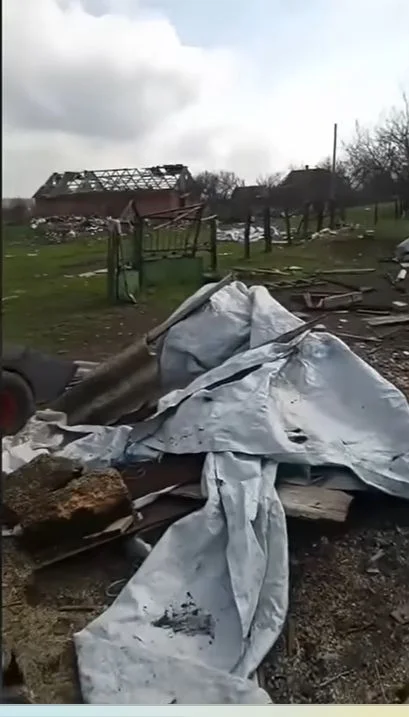
Ruined homes and yards: what remains of the village
— They hit the Shcherbaks’ old house too — destroyed it completely. And Granddad’s house. There’s no one left.
— "Death to khokhols" is written on the wings in felt-tip pen. I found a piece of a wing in the vegetable garden — from the thing that crashed into the house. Everything around here… Look, can you see what’s happened?
"I was afraid of being a burden to the guys"
— I don’t know. Olia says: "Mum, I don’t believe you… You must be pretending." I say: "I was so afraid of being a burden to the guys. Terribly afraid."
I kept thinking: as long as they stay alive. I was just an old woman who had stayed there alone, of my own free will. Why should I put you in danger and have you die because of me? Someone else would have been saving their own life.
25 days to get out of encirclement
— How long did it take you to get out?
— 25 days.
— So it took you almost a month? How did you do it?
— Every morning, little by little, in the half-light — a kilometre and a half to two kilometres. That’s how we went. We’d find a house somewhere and spend the night there. We went as far as Granny Sveta could walk. Towards the end, I got a second wind.
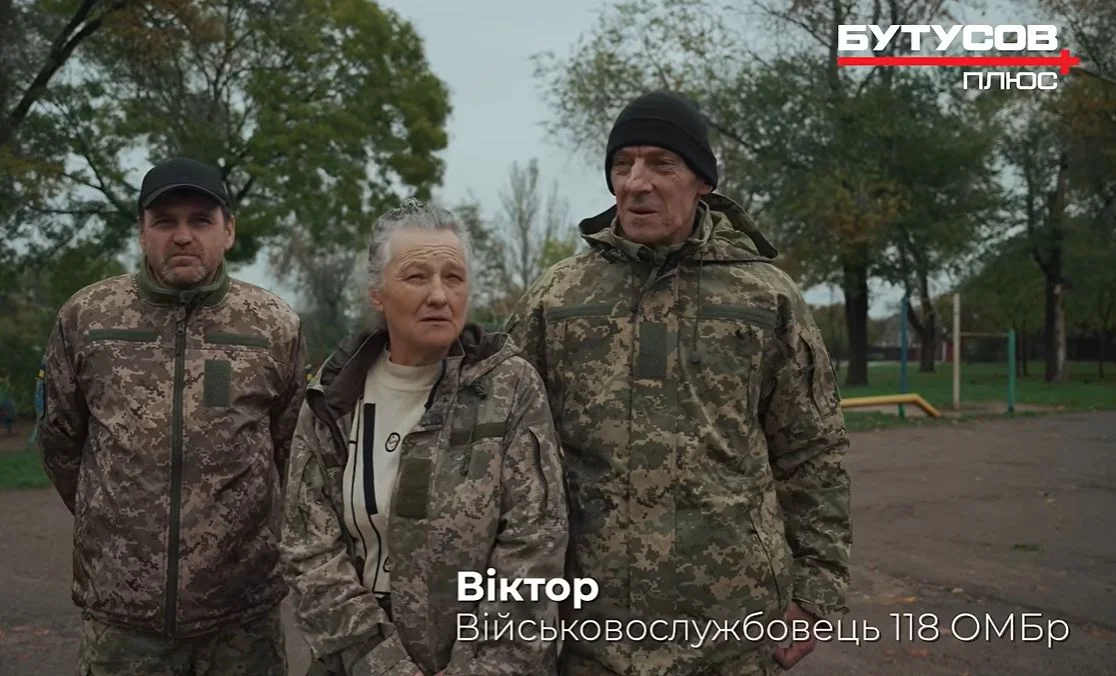
I was so afraid of becoming a burden to the guys. So afraid. I gave myself diclofenac injections so I could keep walking the next day. When there were no injections left, we rested for two or three days.
— I know you had to cross a river.
— Yes, I swam three times.
Three river crossings
— It wasn’t very deep right away there. Or very wide. The water was up to here. The rains had already started. And he says: "Jump, Sveta, I’ll catch you."
"My God," I say, "Vitia, if I jump while you’re wearing body armour, I’ll drown you in that mud." I clambered over, and he pulled me out and gave me his hand. I also had a shovel handle instead of a walking stick — he pulled me out and helped me up.
What an ordeal! The undergrowth was like something out of those Vietnam War blockbusters. We kept going round in circles. We’d tied a strip of tape so we could see where our guys were. They’d told us to use blue.
"Someone’s been through here." — "It was probably wild boar; there are loads of them here." — "No, we’re back in the same place again." There was no sun; it was overcast. That weather really helped us.
So we ended up crossing the same obstacle twice, and swam three times in total. Then we finally thought of using the compass. The compass pointed that way, north, towards Preobrazhenka, and we’d already waded through everything.
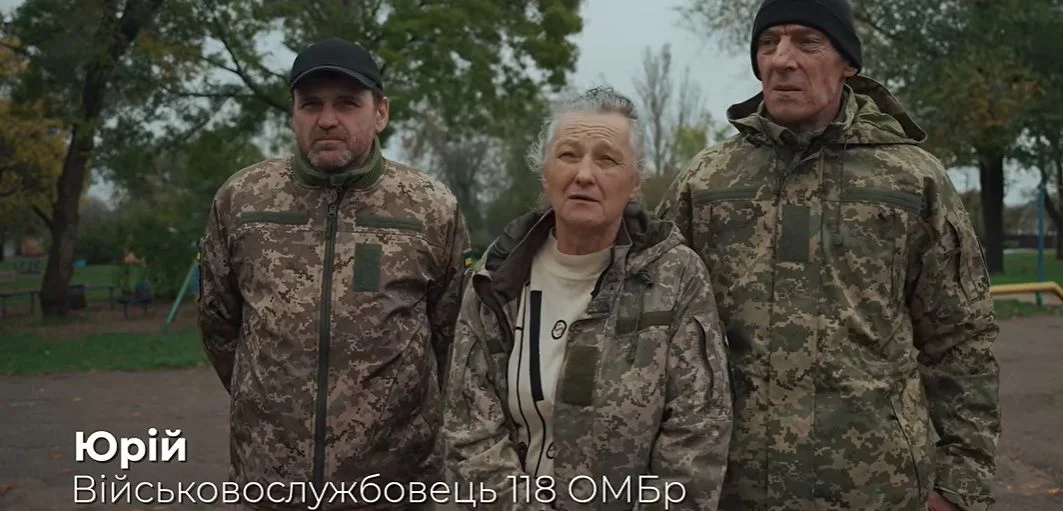
The compass and the route north
— Tokmachka just wouldn’t let us go: "Come back, guys."
— Who had the compass?
— Stef. That’s when we thought of it. While the guys lit a little fire and dried off, I changed my clothes. Once it was light enough to see, we set off.
Basements, night watches and food
The guys went ahead because we had no idea who was where. Maybe someone else was still in the basements. They checked the basements, while Vitia and I brought up the rear.
Then Vitia found two jars of rice. The guys who had been in the basement before us had left a few tins of stewed meat and some water. We cooked a pot of rice over the fire and mixed the meat in. It tasted so good! We did our laundry and washed, too.
We never all slept at once. The guys took turns keeping watch, an hour each. There were five of us — each stood guard for an hour so we wouldn’t be caught off guard and captured like those people they’d caught: some were pelted with grenades, others had their throats cut. Once an hour was up, the next person took over. We were strict about that. The command supported all of it.
Drones in Preobrazhenka
— That drone attack in Preobrazhenka! First one, then another. Vitko and I pressed ourselves against a burnt-out tree. The guys ran to the bus stop and took cover, while the two of us stayed there. He wouldn’t leave my side by then.
We huddled under that charred tree. Where else could we go? Everything around us was wrecked; there was nowhere to hide. Then we heard shouting — our guys, asking: "Is that you walking over there?" — "Yes, it’s us." Vitko and I had already said goodbye to life. Two more drones and we would have been finished.
Meeting the guides
Viktor: We reached our own troops, the guides.
Svitlana: I say, "Guys, I probably won’t be able to walk all that way." And they’re just kids — one is 22, the other 26. They say: "We’ll get you there, Granny."
I told you: my daughter says, "Oh, Mum, you must be as thin as a reed." I say: "The reed had barely stepped through the door before asking for the scales — 94 kilograms. You won’t knock down this sturdy oak so easily! If I’d jumped onto Vitko, I would have drowned him, body armour and all."
— How long did you walk from Preobrazhenka to Tavriiske?
— Half a day.
Viktor: About five hours. That was the longest stretch. The guides kept urging us on: "Run, run!"
Svitlana: Ten people, quite a crowd. Young lads. There was a whole group of us: two guides, and some sick soldiers too.
Viktor: One couldn’t walk — they pushed him in a cart. The other could still get around.
Running under drones
Svitlana: "Why did you bring that little dog along?"
— I forgot to ask your permission!
They told me to leave the dog behind. I’d fallen behind and dashed across the road — I had no strength left. They couldn’t run fast with a wounded man, but I broke ahead.
Then there were drones, and the guys were shooting back. By then, I was running through the vegetable gardens.
Meeting soldiers of the 65th Brigade
The guys from the 65th Brigade met me in Tavriiske. We spent the night there. Our guys were heading towards Orikhiv and sharing their ration packs.
Liosha, call sign Shket — such a little fellow, with an enormous rucksack on his back. He took the trouble to take it off, pull out some food and say: "Here, Auntie, have some supper." He could have used that food himself — he was heading into hell.
118th Brigade soldiers and a ride in the boot
Then we reached our own troops — also from the 118th, but the signals battalion. I stayed there for a week. They made arrangements, put me in a car, in the boot, and covered me with netting. The guys were rotating troops at the positions.
We were hurtling along like a tachanka during the Civil War. I was sitting in the car. The driver tells me: "Be careful, ma’am, our lives depend on that electronic warfare system, or whatever it’s called."
I clung to the netting so I wouldn’t knock anything, bracing myself with my walking stick so that, God forbid, I wouldn’t be thrown onto that thing. Thank God and the guys, we arrived safely. There wasn’t a single drone. They said: "Auntie Sveta, you’re a lucky woman."
"My guardian angel"
Maybe that’s how it is: that’s what my guardian angel is like. I got the guys out and made it there without any trouble. But on the guys’ return journey, ambush drones wrecked the car. They survived by a miracle.
Maybe I have a powerful guardian angel. Maybe I was meant to stay alive. Let people say whatever they like — I don’t care. I know the guys got out alive, without a scratch. And we made it out ourselves.
I’m thankful to have a son like Tolia: he knew what to do and stayed with the guys. He and Vitia covered each other’s backs. He and I are practically married now.
Tell them, Yurko, why are you keeping quiet? Tell them how we hid by that petrol station or garage.
You run and run, then drop onto all fours. "Are you praying?" — "No," I say, "if I sit down, I won’t get up again. So I get down on all fours, and then someone helps me up, or I somehow get up myself."
The guys took turns carrying Senka. Then they went ahead, while we waited by a little bridge with a round pipe running through it.
Mala Tokmachka’s last resident
— As I understand it, you were the last resident of Mala Tokmachka to leave. Is that right?
— Probably. I don’t know.
— There’s also the story of Oleh, another resident of Mala Tokmachka.
— Yes, he was the third person living with us. He was killed. It was on 10 April, before Easter. Easter was on Sunday, and I found him.
I was walking along, thinking: where is he? He said he would come. He wanted a smoke, but there was nowhere to get tobacco. Our guys had been stationed there and had left cigarette ends. He said: "I’ll roll myself a cigarette."
I took my walking stick and went through the vegetable gardens. When I got there, I saw that he’d been killed, his leg blown off. Then I came to my senses and noticed black "gingerbread biscuits" all around the crossroads. How I hadn’t stepped on one and blown myself up, I don’t know. I carefully stepped between them and went home.
Oleh’s death and being alone in the village
My son was bedridden for almost two months then. When he got back on his feet, he set off for Zaporizhzhia by bicycle. In May, the minibus was still running to Tavriiske. He got there; they picked him up — and that was it. I was left alone.
On 19 May, I went to see the guys. Viking and Stef were there. There had been another group too — those guys were killed. Viking and Stef contacted the command. I managed to get through to my daughter over the radio and found out that my son was alive.
There I was, with no one anywhere, like Robinson Crusoe. I’d go one way, then another — the same landscape everywhere, with drones hovering overhead. They attacked me seven times in three hours: two hit my parents’ house, two hit the house, and five fell in the yard. Then they used a tank to finish the job.
Shelling, a basement and fifteen dogs
I quietly moved elsewhere. The guys found me a basement, fitted it out, and helped me. At first, I had nothing to heat it with, but then I came up with a little stove.
A whole pack of dogs followed me around — 15 of them. Back at home, I’d left a pig, goats, ducks and a few chickens. Later, everything that had survived the shelling died.
Packages were dropped to the guys. Viking would come running with a little piece of bread — we’d split it three ways. They sent soups, Mivina instant noodles, whatever was in the packages. The guys left me supplies too, so I could have a hot mug of food.
Then I settled in a little: I found some flour, baked stuffed buns and shared them with the guys, and made borshch. They stood guard.
Then my Tolia came. He made his way from Zaporizhzhia to Tokmachka without anyone seeing him — neither our troops nor the Russians. He stayed with the guys.
A sabotage group and the deaths of fellow soldiers
A sabotage group came in. I heard our guys being gunned down in bursts of automatic fire. They managed to send a warning over the radio: "Guys, we have a problem" — and then it was all over.
In the morning, our drones brought Tolia a weapon, and Tolik spent another two months with the guys, guarding the rear. We spotted the men who had come in. Our drones flew over and located them when they came out to collect a package — they had to get something to eat too. Our guys bombed them. One hid and threw away his weapon. I found him.
The captured Akhmat fighter
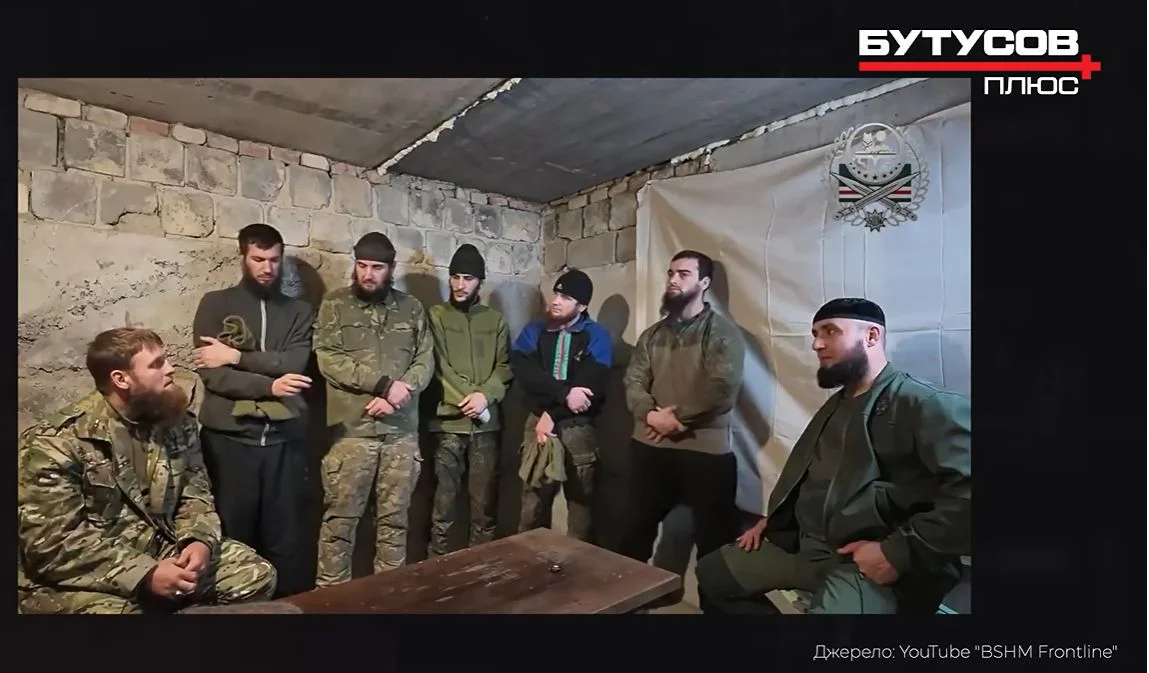
— Under what circumstances were you taken prisoner?
Prisoner: — I met some civilians there and approached them.
— Where did you meet them?
— In Tokmachka. An elderly woman came up to me. I asked her to approach the soldiers and ask them to take me prisoner.
— Did you approach them yourself?
— The elderly woman spoke to the soldiers, came back and said they had agreed. Then I went to them.
— Were you alone?
— Yes.
Svitlana: He told me everything about his family, how he had come in from Novopokrovka, how they had spent a week making their way to Tokmachka, and where they had hidden. My son and I knew the village — everything he said checked out.
When we found out that we were almost surrounded, we said over the radio: "We’re leaving and taking the prisoner with us." Viking reported: "I’m taking a civilian woman and a prisoner, and we’ll be making our way out."
Three days persuading him to surrender
— Did the Akhmat fighter want to surrender himself, or did you persuade him? How did it happen?
— He understood. I went to see him for three days. Do you think he was stupid? He understood that I was in contact with the soldiers. He said: "I’ll surrender." I replied: "I’ll talk to the guys — we’ll see what they say."
The guys said: "That’s it, we’re getting ready, taking everyone and leaving," because that was how bad the situation had become. The guys who had been killed were lying at the position.
Leaving together with the prisoner
We contacted Sichen and Viktor over the radio and told them we were leaving. We waited for them on the hill. We spent the night in a basement, and they reached us in the morning half-light. We stayed there another day; we’d taken Akhmet with us. He was with us for a week.
On the 29th, before leaving the village, we met some assault troops. They were conducting a clearing operation — there was no telling how many enemy troops had moved into the surrounding area. The guys showed us where we could stay: "It’s clear there now; there’s no one there."
We kept in radio contact with the command; everyone knew what was happening. We were ordered to hand over the prisoner. There were two other prisoners there, and the guys said they would escort them out.
Life after getting out: help from the soldiers
I arrived, and no one wanted to help me. I went to Yevropeiska Street, but all they were interested in was: "How did you get out of Tokmachka?" I gave up and went to another Pension Fund office. While they were filling out their paperwork — deciding whether to give me anything or not — what was I supposed to live on?
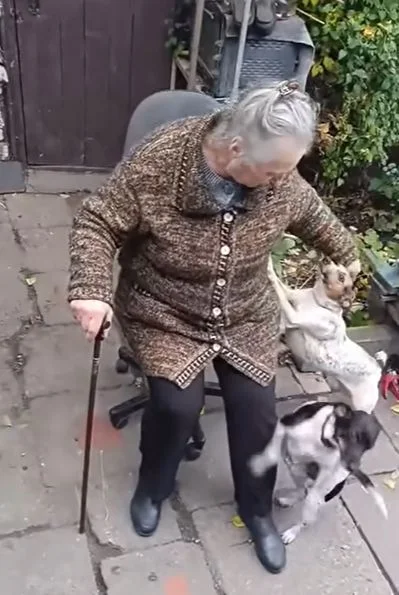
The guys sent me money for a place to live straight away. Otherwise, I’d have been homeless somewhere, wandering through parks, rummaging through bins. It’s good that my children are here. The guys paid for my flat for ten months — I signed a lease. The rent is six thousand. Who’s going to give me that kind of money?
Thanks to the soldiers
The guys who had held out there shared their hard-earned money with me. They helped me get by at first.
I also have some good friends — military medics I met back in 2023.
Bohdan Papadin


