


Omega special forces soldier, call sign Khudozhnyk: "We did not have single case of AWOL"
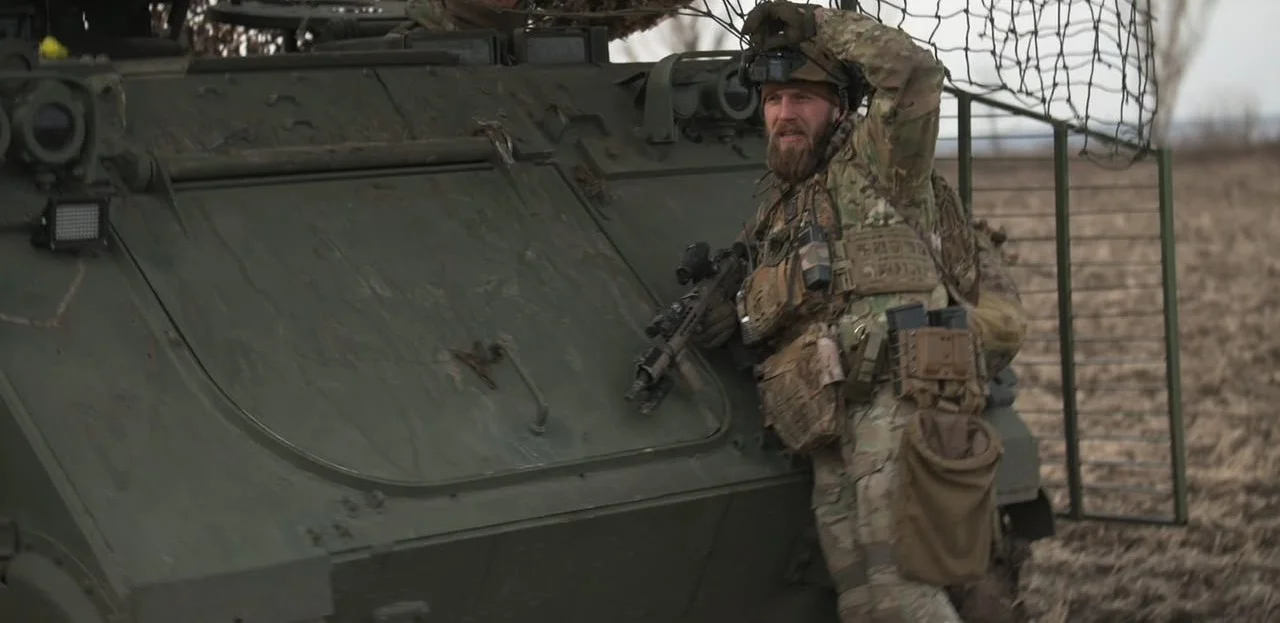
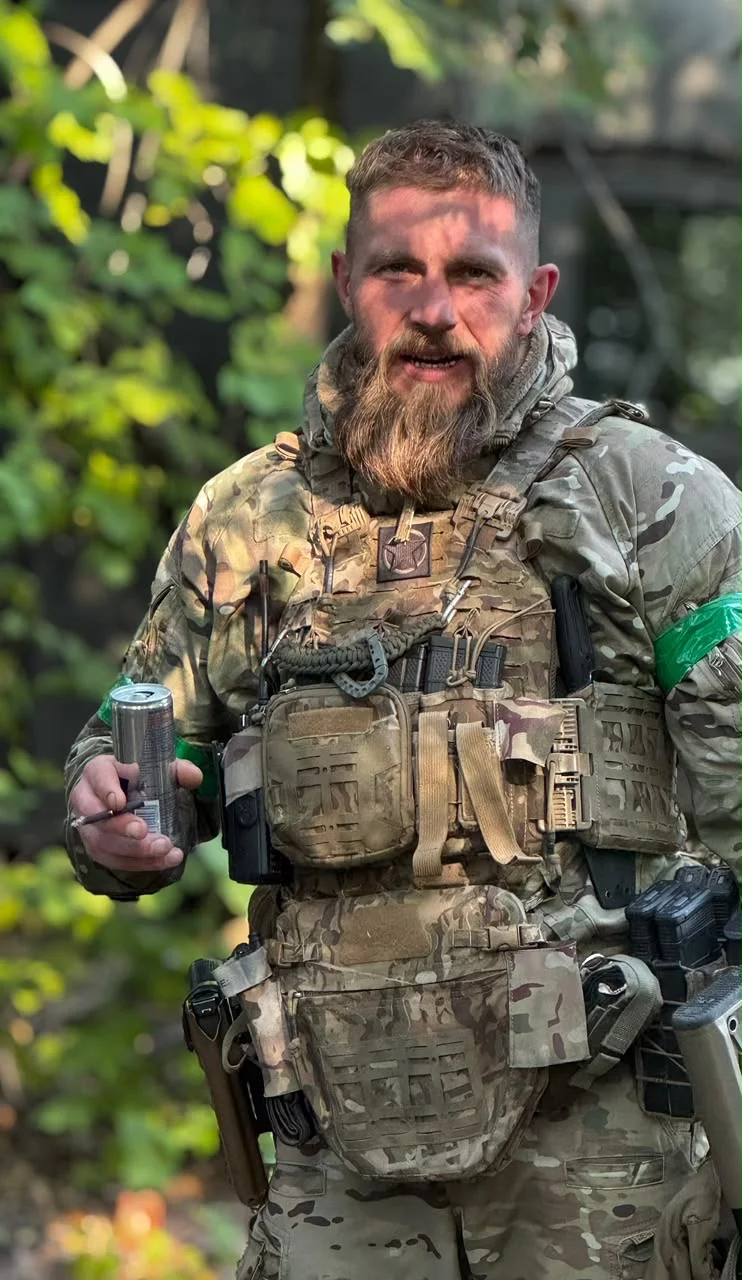
"Your rifle is your paintbrush," a colonel told him in 2014, when the young serviceman first went to war without even knowing what a call sign was for. That was how he became Khudozhnyk. More than ten years have passed since then, the nature of warfare has changed, and the former sniper has risen from a soldier with no combat experience to First Deputy Commander and Chief of Staff of the 1st Separate Detachment of the National Guard of Ukraine’s Omega Special Purpose Center. That is the position he holds today.
In 2014, Khudozhnyk found himself in the Donbas, still not fully understanding what real war was like. Four years later, he set himself the goal of joining Omega, a unit whose training and operations seemed to him at the time to represent the pinnacle of military proficiency. He failed selection on his first attempt, but continued training and eventually achieved his goal. When the full-scale invasion began, he was deployed to places where the country’s survival was being decided: he operated in the Kyiv region, including Irpin and Moshchun, carrying out reconnaissance, assault, and other combat missions.
Two years ago, he took command of a special operations group, and his work became about more than accomplishing missions: it also meant training personnel, making decisions amid uncertainty, and taking responsibility for those going into battle with him. He speaks about this duty without grandstanding: what matters most is that his soldiers are trained, properly equipped, and healthy.
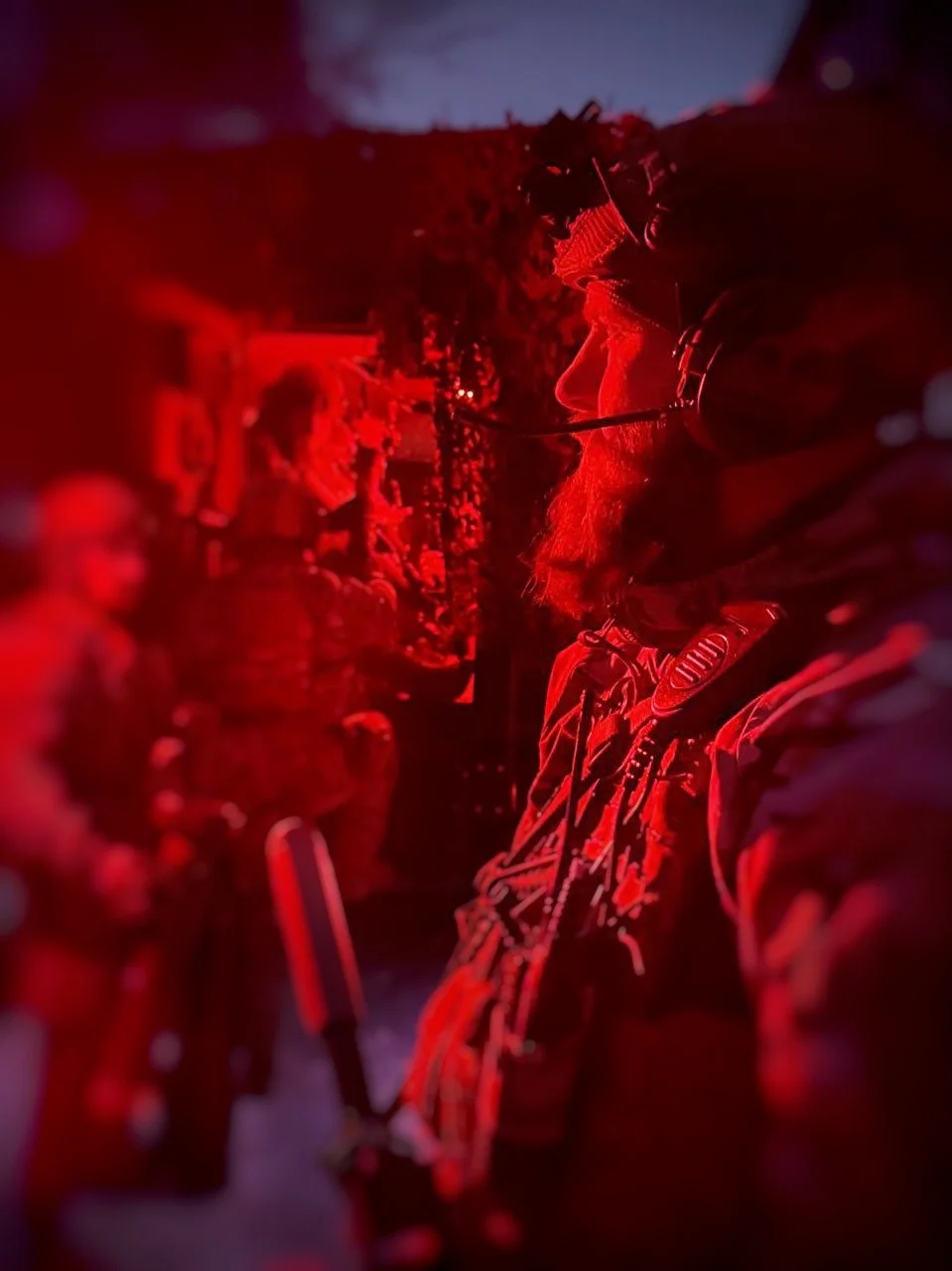
– Why did you go to war in 2014? What was the starting point?
– In 2013, I decided to do my compulsory military service. By then, I had finished my studies and was working. I already had a little teaching experience. Then I received my call-up notice. I told my parents: "I’ll go and serve for a year. We need an army, and I am a man, after all." While I was serving, these events began: Crimea, the offensive in the Donbas. I remember it as if it were yesterday: on April 6, my birthday, I went out on a pass, and then our battalion commander sent everyone a message: "Report back! We’re leaving for Donetsk in the morning. Something’s kicking off." We went, and from then on I knew I had to stay and defend the country. To this day, I continue carrying out missions and fulfilling my duty.
– You started out as a sniper and reconnaissance soldier. Tell us the most interesting story from those days.
– In 2014, I had no significant combat experience. The methods and ways of fighting were different from today. There were no drones; everything depended on observation, vigilance, your own eyes, and your ability to spot the enemy. By that summer, fighting was in full swing in the Donbas. What I remember most from that time is being at an observation post on the outskirts of Sloviansk when an enemy armored personnel carrier drove out at night. The enemy had a device called Luna fitted to those vehicles. Essentially, it is an infrared headlight, an illuminator. It shows up through a night vision device, but you cannot see it with the naked eye. So my partner and I were sitting there; everything was fine, there was chatter on the radio, and then we heard a vehicle operating. We looked in that direction: something was glowing. We could not tell exactly what it was. We reported it to our team leader, who replied that he could not see anything. But we had clip-on night vision attachments in front of our rifle scopes. We took a closer look. The reconnaissance team reported that it was indeed a vehicle. We did not engage it or try to stop it. We observed. But when you have never been in combat before, those first impressions leave you puzzled, and it all feels strange.
– In 2018, you decided you wanted to join Omega. Why?
– It was quite an interesting journey. From 2014 to 2018, I served in a special-purpose reconnaissance company in a military unit. At the time, Omega consisted of separate detachments attached to the territorial directorates. We were based nearby. We would look over and see these guys with their weapons, red-dot sights, suppressors, proper gear, helmets, and tactical headsets. These huge, burly guys walking around. We were young lads under 25, while they were officers, grown men. We watched how they trained, what they did at the training ground, how they moved, and what combat formations they used. We had a multi-story building there where they trained to assault buildings and practiced operating on different floors. I watched how they did it all. For me, it was just wow! I decided I wanted to join the detachment. I trained for a long time. The guys and I worked out, competed, went to shooting sessions, and attended various events. Wherever there was an opportunity to improve my training, whether general military skills, physical fitness, or individual skills, I always tried to take part. I competed in the Ukrainian practical and applied shooting championships and in CrossFit competitions. We took part in multisport events. In other words, I tried to be wherever there was an opportunity. Over time, I improved my physical fitness. When I first tried to join Omega, I did not pass because I fell a few points short. Some time passed, and in the spring or early summer of 2018, I tried a second time. This time, I succeeded. Once all the necessary paperwork had been completed, I was finally transferred to the detachment.
Back then, Omega represented the pinnacle of military excellence to me. I had the drive and desire to get in. Everything was very strict: discipline, training, combat readiness, and so on. The missions here are different, too, since this is a special operations detachment. Very interesting!
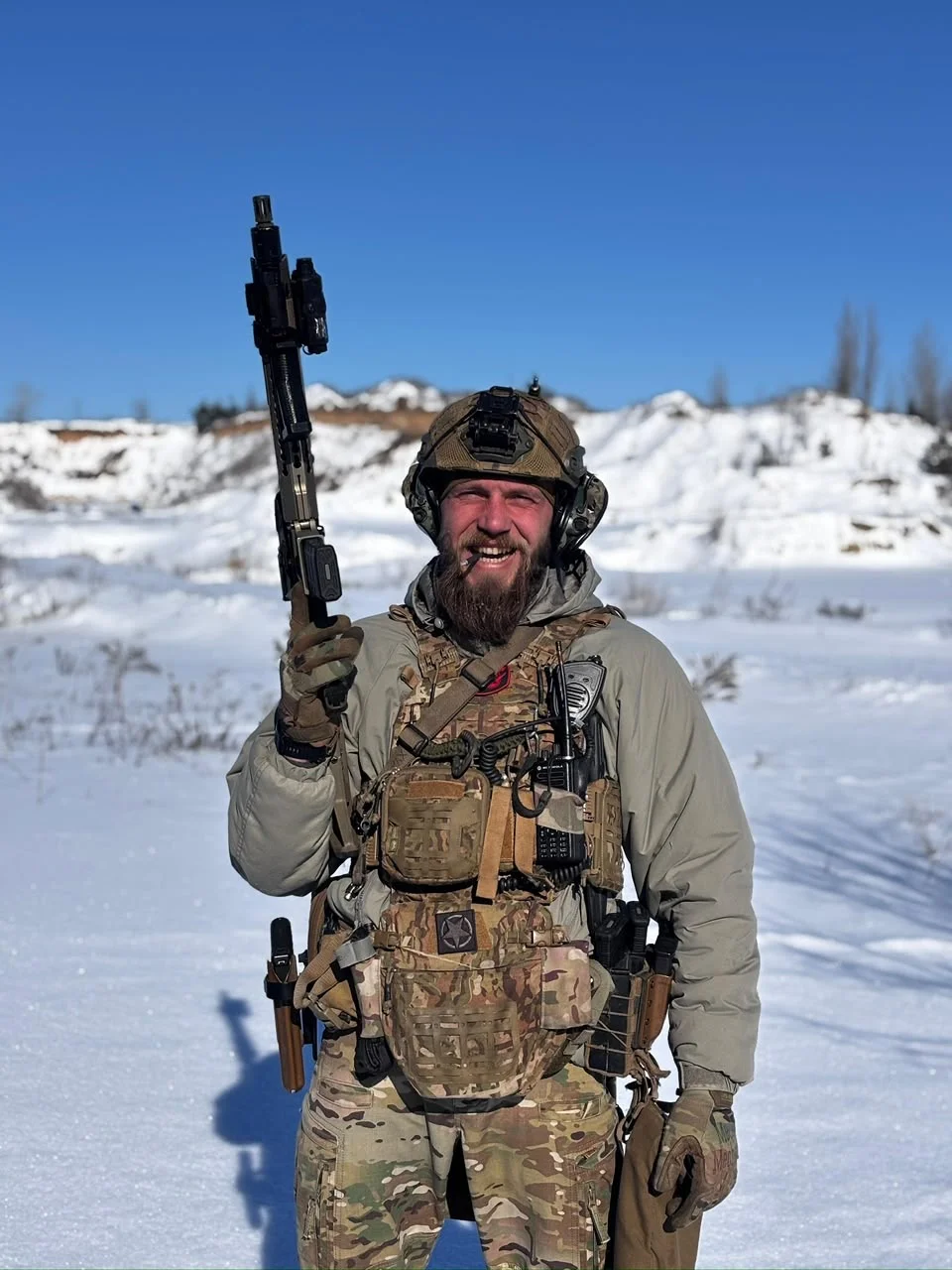
– You joined as a driver. Why was that?
– Because I was a warrant officer, not a commissioned officer. That rank still existed back then. Although I joined as a driver, I intended to take the tests to join a special operations group, because I was carrying out missions even in my existing role. We deployed to the area where special missions were being conducted. The commanders saw my motivation, so I went everywhere with them.
When the full-scale invasion began, they invited me into the group without hesitation. I became eligible for an officer’s commission, so I received it and gradually worked my way up. In 2024, I became commander of a special operations group.
– At the start of the full-scale invasion, you were in Irpin. How do you remember that period? What comes back to you most often?
– You know, when the full-scale invasion began, I could not understand it: we were already at war, so how could things get any worse? What even was this? How was it possible? Then the first day passed, and I had started going out with the guys. Initially, we handled logistics: for the first two days, we delivered supplies and brought in what was needed. For obvious reasons, I will not say exactly where, what we delivered, or what it was for. When we went to Irpin, I was back in my own city. It was a very difficult place to be at the time. We carried out various missions there alongside the Defense Forces.
– So, if I understand correctly, before it happened, you did not believe a full-scale invasion like this was possible?
– We were prepared for that scenario, but it did not fully sink in until the very last moment. When the missiles started coming in, including strikes on military units such as ours, where we had reported after the alarm was raised, that was when the realization came. But that first day was really difficult for me. I think it was for everyone around me, too. The mission seemed clear, but the very realization that all this was happening here and now felt utterly surreal.
First, I headed to Moshchun. The guys and I were operating on one side. Then I left and moved to another location, where I had a mission assigned by higher command. I went in from the other side and spent some time there. Then I returned to Moshchun. Only after that, about a week into the full-scale invasion, did I enter Irpin. Again, with a different group. Back then, no one was thinking about appointments to positions. What mattered most was that you accomplished the mission you had been assigned. Later, while we were there, the guys said during smoke breaks: "Come on, we’re taking you into our group." I joined the second combat group, took up an officer position, and started working with them.
– What missions did you carry out?
– All kinds, from reconnaissance to engaging the enemy with fire, raids, holding the enemy back, and counter-sabotage operations. A special operations group trains across a broad range of skills. Our soldiers now operate everything from UAVs, handguns, and the AR-15 rifles we have in service to crew-served weapons, mortars, and mounted grenade launchers. Some of the guys know how to operate APC turret weapons and anti-tank guided missile systems. Our people have a broad range of skills. We master it all, learn, and teach others. They have to be ready for anything, because the missions can vary. Today, our reconnaissance is working well, everything is airborne, and air defense units are operating. Tomorrow, the enemy may come up with something new; the situation may change, and we may return to close combat, with everything unfolding very differently.

– The special forces soldiers in your unit are called "steel Rexes." Do you feel like one?
– No, I do not. I just do my job and try to do everything I can to ensure that the personnel currently under my command are always trained, properly equipped, and healthy. That they have enough information to do their work and accomplish their assigned missions. And that there is proper communication with them.
"Steel Rex" is a loose description. We are all human here. Yes, perhaps in some respects we are a little better trained than some other Defense Forces units. At the same time, though, the Defense Forces carry out missions that are no easier than ours. We simply have special missions that we can prepare for, or at least have time to understand what is required of us.
– Is it difficult to lead people and bear that responsibility?
– Of course, it is mentally difficult. Before I became an officer, I did what I was told. Yes, sometimes I did things my own way, proposed solutions, analyzed previous actions, learned and assessed potential risks, then carried out my work accordingly. When I became a senior officer and began deploying to positions in that capacity, I started thinking a little differently. You no longer think only about yourself. You have to give instructions to the personnel deploying with you, who will be working as part of your crew. You explain the stages of the mission, what they need to bring, what to prepare, where to run if necessary, where the primary and alternate positions are, where to set reference points, where to fire, and where firing is prohibited. You process a much greater volume of information. And lives depend on your assessments and decisions: not only your own, but also those of the people working alongside you.
Then, when you become a combat group commander, you think about the entire group, which includes several crews, rather than just one crew. You give instructions not only on engaging targets, but also on reconnaissance, movement, and logistics. All of this is closely interconnected.
And when you are appointed commander of a special operations group, you work not only within your own group, but also with the detachment command and other Defense Forces units to your right and left. You conduct reconnaissance on a much broader scale than before. The higher you rise, the more you need to work on your development while also trying to ensure that everything goes as well as possible during missions.
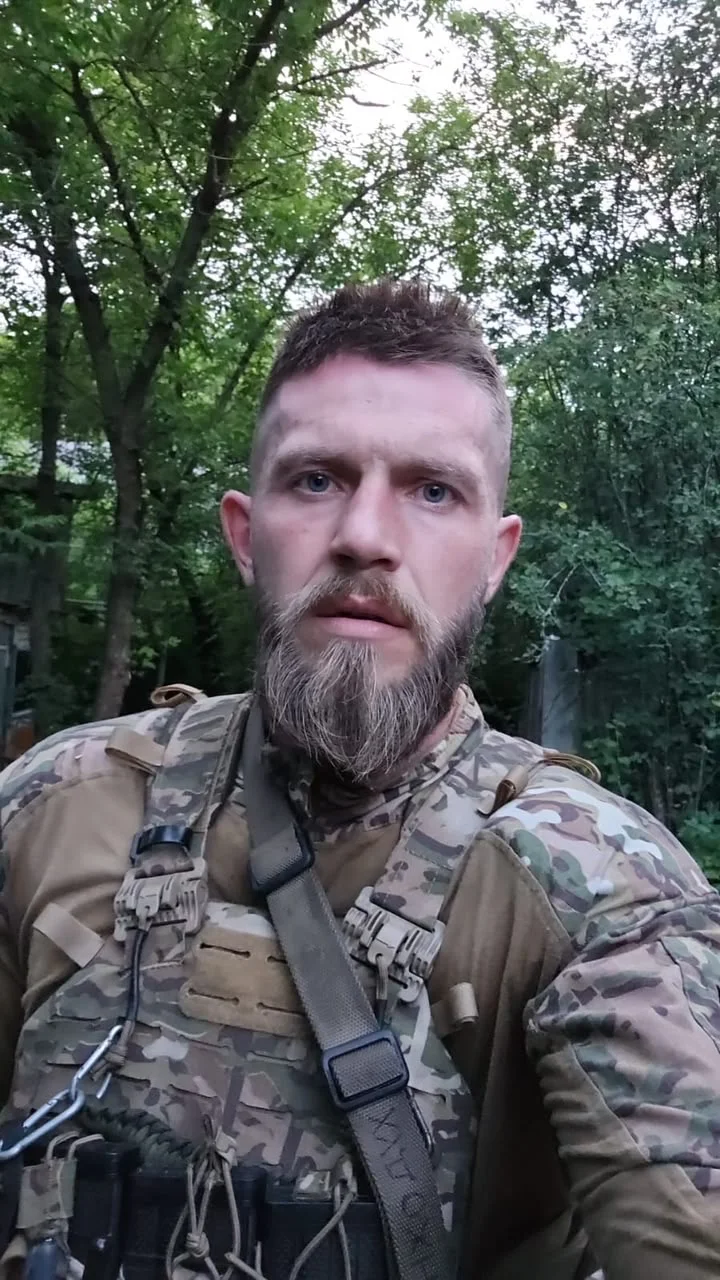
– In an interview with me, Dmytro Vitiaz, now First Deputy Head of the Omega Special Purpose Center, emphasized how important it is to him that soldiers show initiative: they propose solutions themselves rather than simply waiting for orders. How important is that principle in your group?
– Cooperation is easiest when a soldier comes to the commander and says: "We have a problem, but I have some options for solving it." You discuss them and refine them together. When someone brings an initial set of possible solutions, that is already the right approach. I would compare it to a woman making soup. You do not just come to her with one question: "Where’s my soup?!" You make sure she has water, ingredients, and a fire, and ask her to prepare the meal. It is the same here: you come to your superior and propose ways to resolve an issue that he has also been informed about. You form your own view based on the opinions of your personnel. In turn, the guys form their views through discussions among themselves. That is how it comes together as a joint decision. Dmytro Vitiaz was right to say that soldiers need to be intellectually capable and show initiative.
– How do you encourage that initiative? Or should that not be necessary?
– It is important that a person not only wants to show initiative, but also understands their responsibility, is willing to learn, and is ready to make independent decisions within the scope of their duties. We cannot take just anyone. We conduct selection, testing, and interviews. First, candidates work with our psychologists and polygraph examiners; then instructors assess their physical fitness. After that, the candidate meets and speaks with the commander of the special operations group they are being considered for. The commander then decides whether they are a good fit. Sometimes they are not. In that case, they may go and speak to another special operations group commander, who may take them on. Each commander has their own requirements because we have different areas of work: the requirements differ for unmanned aircraft systems, UGV, and special operations. If someone has a broad range of skills and the potential to learn, they are selected and assigned to a position.
– Tell us about the combat operation that left the strongest impression on you. Within the limits of what can be discussed publicly, of course. What made it special for you?
– There was one operation that was quite difficult. We had returned from a deployment to our permanent base, left the combat zone, handed in our weapons, and begun servicing them, sorting out our equipment and putting everything back in its place. We had not even had a chance to take any days off after carrying out special combat missions. Then suddenly: "Alert!" We were told we needed to be in a particular town: "Come over, we’ll plan the mission." We headed there quickly. I arrived at the command post, where I received general information about the upcoming mission. We sat down and started planning. Planning took us two days. We did this together with the Center’s leadership and adjacent units carrying out missions in that sector. I knew I would have to head out on the mission the following morning, but before that I still had to brief my personnel, prepare them, and plan everything within the group. I returned to the guys, we put up a map, and I spent about three hours talking them through everything without a break, from boarding the armored vehicle right through to the final stage of the mission. At the end, I asked whether there were any questions. We also discussed tactical points and details.
In the end, we carried out that mission. Not in full, admittedly, because certain difficulties arose: the enemy was more active than we had anticipated. We were assaulting a multi-story building in one of the central towns in the Donetsk region. We went in and did our work. The enemy set fire to two stairwells there. We accomplished almost everything we had planned: cleared the building, brought in a team to hold it, and then it was time to withdraw. This is what I remember most: the enemy had already begun directing heavy fire at us, and I needed to get my personnel out. It was dark, communications were almost nonexistent, and the signal was barely getting through. We were coming under very heavy fire because they had spotted us as a group. There were quite a few of us, because we also had a fire support group with us. There was a lot to do, and we could not have managed it with, say, eight people. So we were pulling our personnel out. I opened the map and got my bearings. As we withdrew, I ran ahead toward the evacuation point, where armored vehicles were supposed to pick us up. I would run, crouch down, look up at the sky because enemy drones were already very active by then, and look back to count the soldiers. I would contact those bringing up the rear of the column: they were moving. Then I would run another hundred meters. That was how we successfully brought a fairly large group out across open ground at night and evacuated. Although we made a substantial contribution to this tactically important operation, unfortunately, the enemy’s superior forces eventually entered the area anyway. But that mission stayed with me because the planning deadlines were tight, we had little time to execute it, and we had no room to maneuver. We were not permitted to maneuver. We could not go right or left: that was not allowed. That experience really will stay with me for a long time.
– Obviously, you can never know exactly how a mission will unfold, because circumstances can change right before your eyes…
– There is a very good saying: "The plan works until the first shot." If you have a shared understanding of the situation and the mission you need to accomplish, then once the first shots are fired, you carry out the stages discussed in advance.
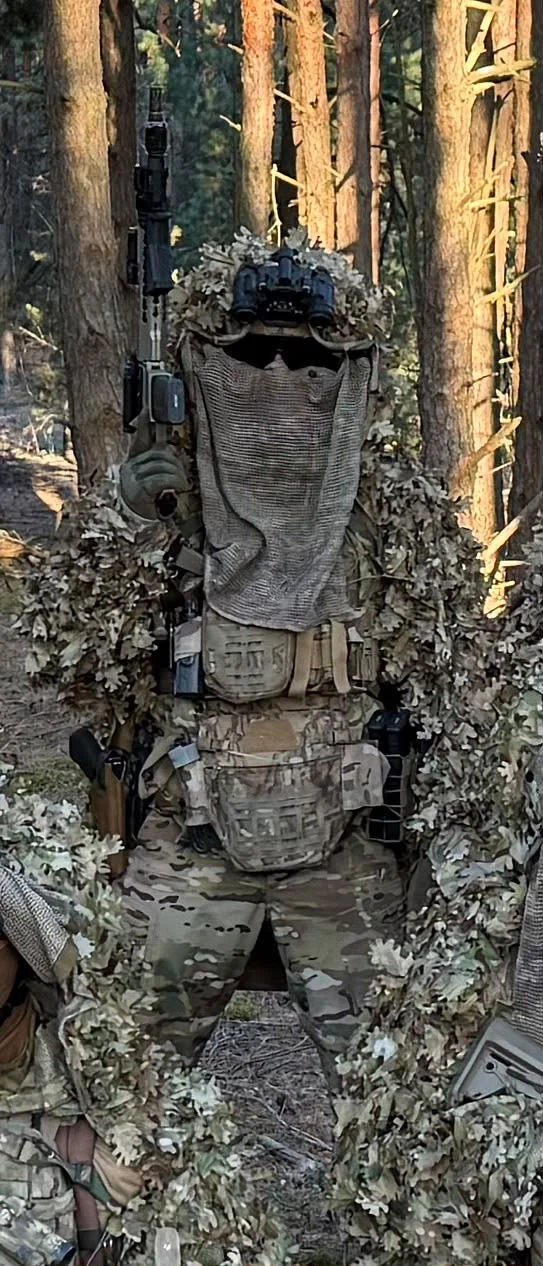
– How do you keep your composure in unexpected moments like these, when unforeseen problems arise?
– That is precisely why we train, conduct exercises, and work on unit cohesion: to prevent situations like these. We work with personnel at every level, from combat group commanders to the detachment commander.
– If someone who knew nothing about your unit asked you to explain briefly what Omega is, what would you say?
– Briefly: we need to be confident that our front, rear, and flanks are covered, and that simply coming here and standing on the sidelines is not an option. This unit is a family where everyone can rely on one another. Regardless of how difficult the mission is, the deadlines or anything else, we must be able to trust every last soldier. We need to share a single goal and work toward it, which is what we do.
– Obviously, warfare changes over the years. How quickly are those changes happening now?
– The dynamics of combat are changing exponentially. We are no longer even talking about years or months: sometimes changes happen every week. The enemy changes its tactics. So do we. We look for approaches, methods, and ways of doing things, and we learn. Unfortunately, the enemy knows how to learn, too. We need to stay ahead of it, thinking several steps ahead and anticipating how events will unfold.
We in the Defense Forces have conducted combat operations, continue to do so, and will keep doing so, because no one else will do it for us. Ukraine will be defended only by those who have a stake in it.
– How would you describe the enemy? What is it like today?
– I will say one thing: we must never underestimate the enemy. It is devious and cunning. Unfortunately, the enemy outnumbers us in personnel and has more equipment and weapons. We must never assume that the enemy is stupid, cannot shoot, does not know where to run, or does not have a radio to report spotting you, and so on. We must always be as prepared as possible to eliminate it.
– Recently, the possibility of a ceasefire has again been raised at the highest level. It is also being widely discussed in society. How do you feel about these conversations? Do you pay any attention to them?
– Of course I do! I am very critical of statements by people who take no part in the fighting and simply comment, tell others how things should be, and so on. As for politics, I do not want to discuss it. I am a military man, so I am essentially apolitical.
As for how I see the situation overall, if we sit back and do nothing, we are screwed. That will certainly not make things better. On the contrary, right now we need to motivate civilians to join up. Especially all those people "waiting for Russia" who are hiding and afraid of military recruitment centers, saying all sorts of things, watching pro-Russian television channels, and setting up little tip-off groups to share where recruitment center personnel might be stationed. If we do not strengthen our combat capabilities, sooner or later our resources may run out. God forbid, there may be none of us left. Unfortunately, that is gradually happening: many are being killed. For me personally, this is a very emotional issue.
– How do you encourage those who are afraid? What can motivate them to join the Defense Forces?
– That is precisely why we, as a special operations detachment, select our personnel. People know about this. They come to us voluntarily. Thank God, we have not had a single case of anyone going AWOL since the very beginning, or indeed throughout the Center’s entire history. There is not a single person in our detachment who would allow themselves even to think about running away. That says something.
– What personally motivates you to keep fighting today?
– I will put it this way: I am proud to have had the opportunity to defend the country and the Ukrainian nation as a whole. Right now, we are making the future safer for our children and the generations who will come after us. Yes, it is difficult. Yes, the situation is critical. But it is wrong to expect someone else to do everything for us. Standing on the sidelines? That invites contempt. At a time like this, under the current circumstances, I cannot allow myself to sit it out somewhere. I will not criticize all men who are not going to fight. But everyone who has the strength and the will, and wants to continue living in Ukraine, must get to work.
– Do you think about victory today?
– From a military perspective, victory for me personally would mean saving as many lives as possible, both military and civilian. God willing, the country’s territorial integrity will be restored, and the people living in the temporarily occupied territories will return to Ukraine. For me, the most painful subject, one I cannot discuss calmly, is children. The thought of children being killed or held captive turns my stomach. My mind simply cannot comprehend it!
Olha Moskaliuk
Photos provided by Khudozhnyk


