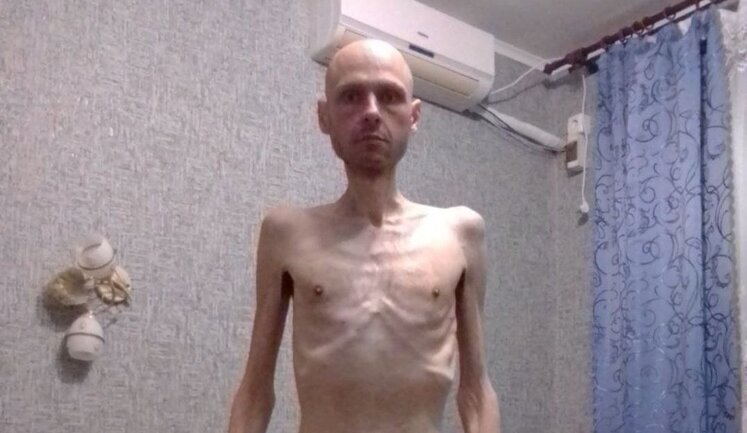
The health sector in Ukraine showcases both challenges and innovations. Recently, Volodymyr Tsema-Bursov, a soldier of the 56th Brigade, revealed his struggle with severe health issues after captivity. In a groundbreaking event, Ukraine successfully performed a bone marrow transplant on a 2-month-old baby, marking a significant advancement. However, ongoing political unrest and conflicts have led to critical shortages in cancer treatments, as highlighted by President Zelensky. Meanwhile, domestic initiatives like the creation of an efficient automatic endoscope washer show promise in advancing Ukraine’s medical capabilities. These stories underline the persistent struggle for health care in a turbulent socio-political landscape.
What are the major health challenges faced by Ukraine now?
Ukraine faces significant health challenges, including insufficient medical resources due to ongoing conflicts, shortages of equipment and medications, and the impact of political instability on health services. Cancer treatment, in particular, has suffered from resource constraints, making it difficult for many patients to receive necessary care.
Who is Volodymyr Tsema-Bursov and what happened to him?
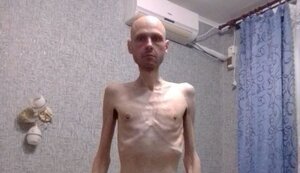
Volodymyr Tsema-Bursov is a soldier from Ukraine's 56th Brigade who spent 20 months in captivity. During this time, he lost a significant amount of weight and developed several health conditions, highlighting the harsh conditions faced by prisoners in conflict zones. His story sheds light on the severe health impacts experienced by soldiers and civilians caught in the conflict.
What is the significance of the recent bone marrow transplant in Ukraine?
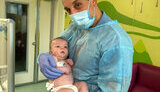
For the first time, Ukraine successfully conducted a bone marrow transplant on a 2-month-old child. This landmark medical achievement demonstrates the advances being made in pediatric care within the country and signifies progress in complex medical procedures being performed domestically, bolstering Ukraine's healthcare capabilities despite broader challenges.
How has Russian aggression impacted health services in Ukraine?
Russian aggression has severely disrupted health services in Ukraine, with direct impacts such as damaged facilities, displaced medical personnel, and strained resources. These challenges make it difficult for the healthcare system to adequately serve the population, exacerbating pre-existing conditions and creating barriers to timely and effective treatment, especially for chronic diseases like cancer.
What technological innovation has recently emerged in Ukraine's healthcare sector?
Ukraine has developed an automatic endoscope washer that meets the technical efficiency of global counterparts. This domestically produced device is an example of innovation within the healthcare sector, aiming to improve hygiene and safety standards in medical facilities while reducing dependency on costly imports. Such innovations are crucial for enhancing healthcare delivery under challenging circumstances.