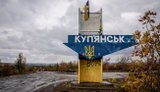
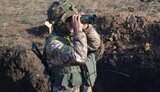
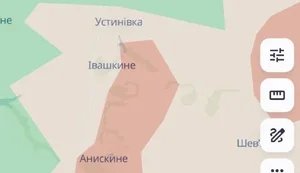
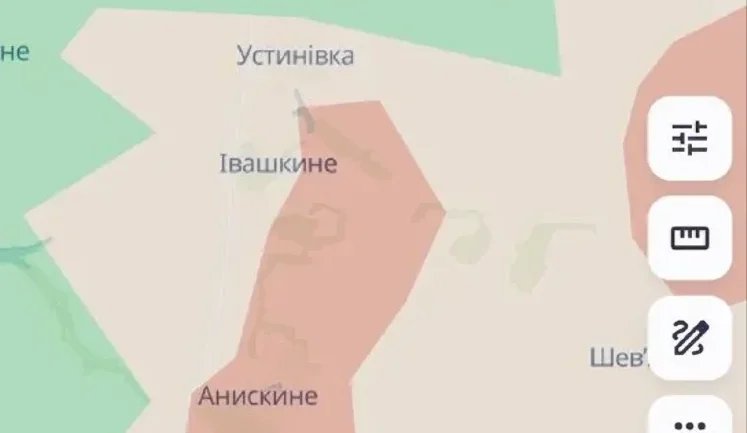
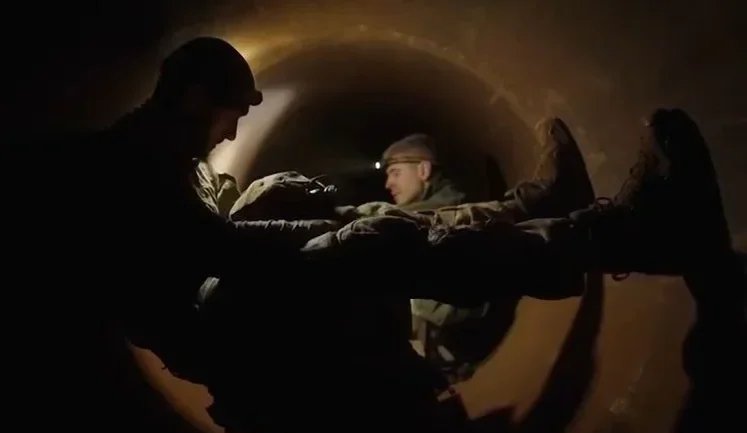
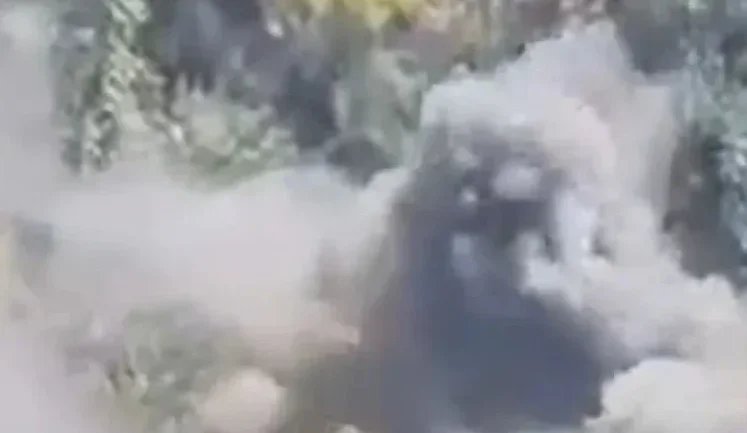
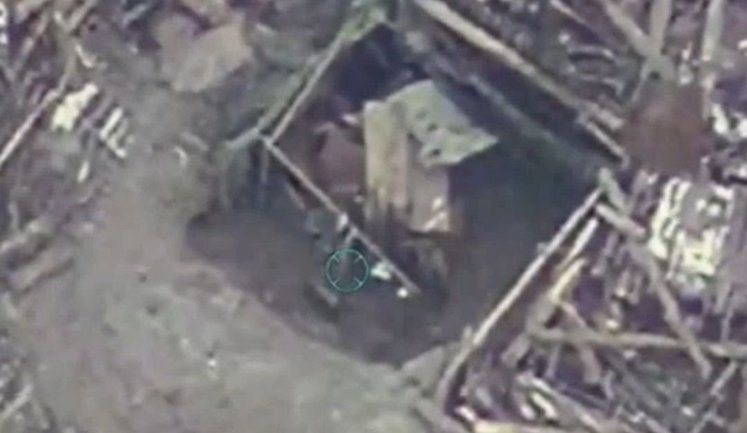
In the Kupiansk District of the Kharkiv region, Ukraine's defense efforts are making headlines with pivotal operations like "Veles" by the Khartiia regiment, showcasing advanced military tactics underground. As the conflict intensifies, Russian forces strive to secure positions near Radkivka, employing motorcycles and ATVs for rapid assaults. Ukrainian drone operators have dealt significant blows, successfully targeting camouflaged ammunition depots and Russian artillery units. Such developments underscore the strategic importance of drone technology in modern warfare. The Kupiansk sector remains a focal point of military action as both sides adapt tactics to the terrain and weather conditions.
How did Operation "Veles" impact Russian logistics near Kupiansk?
Operation "Veles" significantly disrupted Russian logistics in the Kupiansk area by leveraging underground tactics to reach and strike critical supply lines, forcing Russian forces to reconsider their foothold and positioning in the region.
What challenges do Russian forces face in approaching Ukrainian positions in Kupiansk?
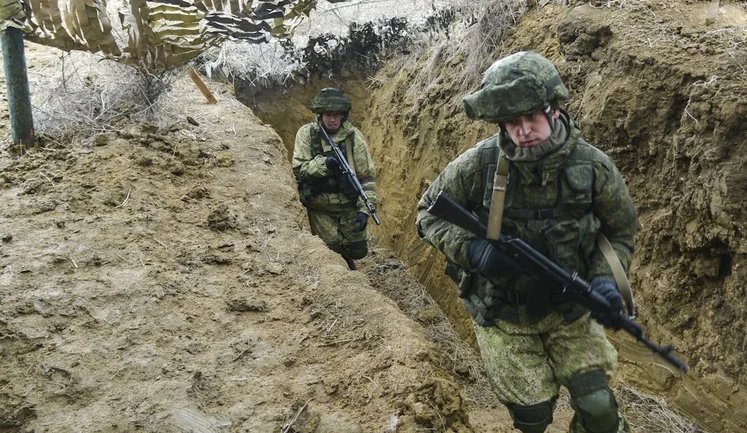
Russian troops face challenges such as increased visibility due to fallen leaves and the need for rapid assaults using motorcycles and ATVs to navigate open terrain, as Ukrainian defense continually adapts to mitigate these threats.
What role do drone operators play in the Kupiansk sector conflict?
Drone operators from various Ukrainian brigades play a crucial role in the Kupiansk sector by locating and destroying enemy positions, such as camouflaged ammunition depots, thus providing tactical advantages and minimizing enemy advances.
What has been the outcome of Ukrainian defense efforts in the Kupiansk district?
Ukrainian defense initiatives have resulted in regaining control of significant territories in the Kupiansk district, disrupting enemy advancements, and capturing enemies during strategic operations like the famous "Veles" underground maneuver.
How have Ukrainian troops used underground tactics in Kupiansk?
Ukrainian troops, particularly the Khartiia regiment, utilized underground logistics routes, originally gas pipelines, to conduct stealthy operations, transport supplies, and evacuate personnel, demonstrating innovative strategies in confined battle spaces.