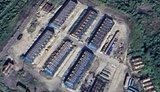
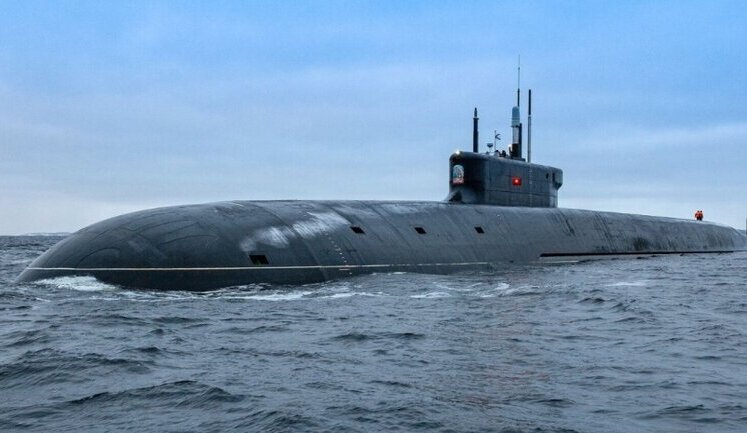
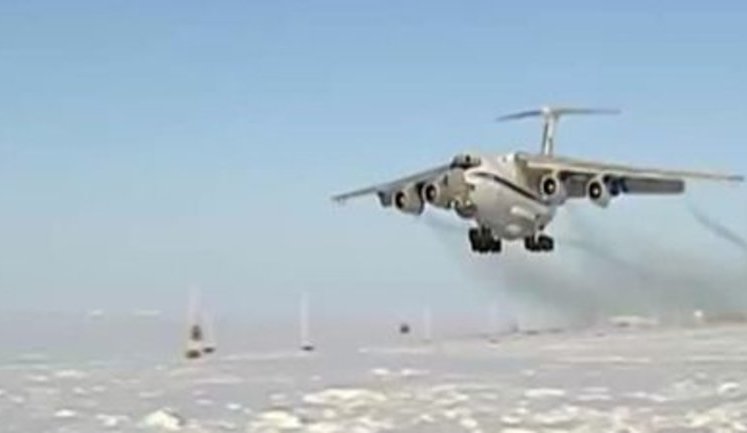
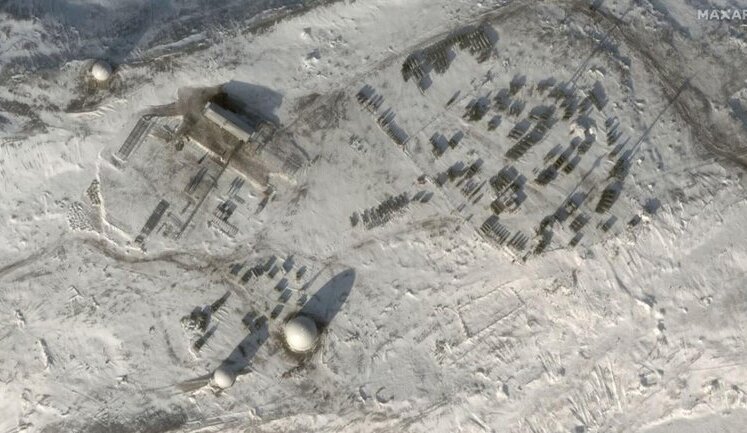
The Arctic is increasingly becoming a focal point in global security discussions. Russia's recent steps to fortify its nuclear test site in Novaya Zemlya amid concerns over Ukrainian UAV attacks underscore the growing military tensions in the region. Meanwhile, Germany's Defense Minister Boris Pistorius has announced the deployment of warships to patrol these northern waters, highlighting fears over Russia's military expansion. Denmark is also engaged in discussions regarding US security interests, particularly after Donald Trump's administration expressed concerns. These developments come as Russian military activities in the Arctic continue to escalate, driven by the quest for resource security and geopolitical influence. As global warming makes Arctic resources more accessible, nations are ramping up their presence, turning the High North into a potential flashpoint for East-West tensions. Monitoring these dynamics is crucial for understanding the ongoing geopolitics surrounding the Arctic region.
Why is Russia increasing its military presence in the Arctic?
Russia is strengthening its military presence in the Arctic primarily to secure its interests in the rich resources that are becoming more accessible due to global warming. The strategic importance of the Arctic has increased as the ice melts, revealing potential new shipping routes and untapped resources like oil and gas. Additionally, Russia seeks to fortify its defense capabilities in response to perceived threats from other nations' activities in the region.
How is Germany responding to the Arctic tension?
Germany has decided to deploy warships to patrol the Arctic waters in response to the growing Russian military presence in the region. This move, announced by Defense Minister Boris Pistorius, is part of Germany's strategy to ensure security and stability in the Arctic amid rising geopolitical tensions. The deployment reflects concerns over the military build-up by Russia, which poses significant challenges to the region's security dynamics.
What are Denmark's security interests in the Arctic?
Denmark's security interests in the Arctic are multifaceted, focusing on maintaining stability, protecting its sovereignty, and addressing the implications of other countries' military activities in the region. Given Greenland's location and its strategic importance, Denmark is also considering discussions with the United States on Arctic security, particularly in light of changing dynamics and potential threats as expressed by various stakeholders, including the previous Trump administration.
What role did Ukrainian pilots play in the Arctic?
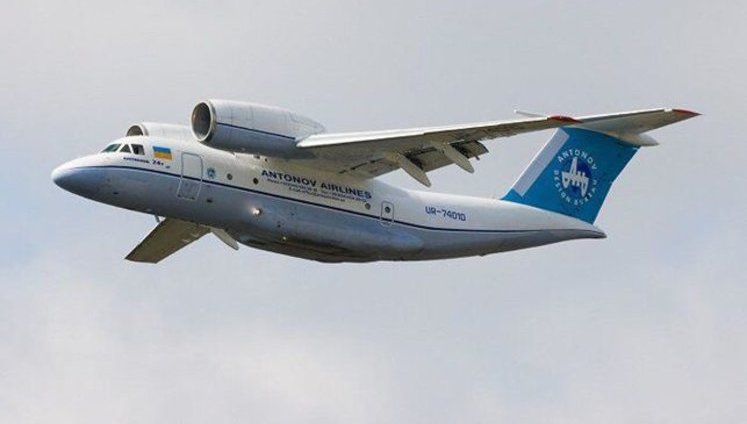
Ukrainian pilots have made significant contributions to Arctic operations, particularly through their involvement in a special NATO mission. They demonstrated exceptional capabilities by successfully navigating extreme Arctic conditions to deliver crucial supplies to a Danish military base in Greenland. Their expertise ensured the base remained operational despite challenges in fuel supply and adverse weather conditions. This operation highlighted the unique skills and resilience of Ukrainian pilots in challenging environments.
How does global warming affect Arctic geopolitics?
Global warming profoundly impacts Arctic geopolitics by making the region's mineral and energy resources more accessible as ice melts. This shift is prompting countries to enhance their presence and assert claims over these newly available resources. The opening of new shipping routes further increases the region's strategic importance, intensifying competition and raising potential conflicts among nations seeking to capitalize on these emerging opportunities. As a result, the Arctic is transforming into a crucial geopolitical theater.