ENG




12625 visitors online
The ongoing "Mindichgate" scandal has unveiled corruption schemes involving high-profile individuals, sparking significant controversy in Ukraine. Investigative journalists have reported on a large-scale corruption network linked to energy sector deals and money laundering, implicating former officials and businessmen. The Ukrainian National Anti-Corruption Bureau (NABU) and the Specialized Anti-Corruption Prosecutor’s Office (SAPO) have been pivotal in bringing charges against those involved. Key figures like Timur Mindich and Oleksandr Tsukerman are under scrutiny, with extradition requests pending against them. This scandal threatens Ukraine's aspirations for EU integration, highlighting the urgent need for robust anti-corruption reforms.
What is the "Mindichgate" scandal about?
The "Mindichgate" scandal is a major corruption case in Ukraine involving allegations of money laundering, bribery, and illicit deals within the energy sector. It involves high-ranking officials and businessmen, including Timur Mindich, and is linked to the illegal development of luxury properties and other financial misdeeds.
Who are the key figures in the "Mindichgate" investigation?
The main figures implicated in the "Mindichgate" investigation include businessmen Timur Mindich and Oleksandr Tsukerman, as well as various former government officials. Notably, there were also mentions of figures tied to the Presidential Office in relation to the scandal.
What impact does "Mindichgate" have on Ukraine's EU aspirations?
The "Mindichgate" scandal poses a significant threat to Ukraine's EU membership aspirations due to the unresolved high-profile corruption cases. These ongoing issues hinder efforts to demonstrate effective governance and a commitment to comprehensive anti-corruption measures essential for EU integration.
How have anti-corruption agencies responded to "Mindichgate"?
The National Anti-Corruption Bureau of Ukraine (NABU) and the Specialized Anti-Corruption Prosecutor's Office (SAPO) have played crucial roles in investigating and prosecuting those involved in the "Mindichgate" scandal, including serving notices of suspicion and pursuing legal actions both domestically and internationally.
What legal actions are involved in the "Mindichgate" case?
In the "Mindichgate" case, numerous legal actions have been undertaken, including the issuing of notices of suspicion, extradition requests, and significant bail arrangements. There are ongoing international legal proceedings and sanctions that have become pivotal in addressing the implicated individuals' actions.
How has the media covered the "Mindichgate" scandal?
The media has extensively covered the "Mindichgate" scandal, with numerous reports on corruption schemes, trials, and investigations. Journalists have played a crucial role in bringing attention to various aspects of the scandal, contributing significantly to public awareness and understanding of its complexities.
What role does Timur Mindich play in "Mindichgate"?
Timur Mindich is a central figure in the "Mindichgate" scandal, allegedly involved in large-scale corruption and money laundering activities, particularly in the energy sector. His actions and those of his business associations are subject to ongoing investigations and legal proceedings.
What are the "Mindich tapes"? What do they reveal?
The "Mindich tapes" are recordings that have surfaced, allegedly revealing conversations that implicate key figures in the "Mindichgate" scandal. These recordings have brought to light issues of corruption and undue influence within high levels of Ukrainian politics and business.
What challenges do Ukrainian prosecutors face in the "Mindichgate" case?
In the "Mindichgate" case, Ukrainian prosecutors face challenges such as international extradition hurdles, proving complex money laundering schemes, and overcoming political pressures. Ensuring thorough investigations and sufficient legal evidence to prosecute those involved effectively are also critical challenges.
Have there been any confessions or whistleblowers in the "Mindichgate" scandal?
To date, there have been substantial investigations and document releases, but specific details about confessions or whistleblower cases remain undisclosed. Extensive inquiries into financial dealings and political ties continue to uncover the depth of the scandal.
w117_header_alt Mindichgate
 Over UAH 1 billion in bail posted for Zelenskyy’s senior officials: Some funds provided by shell companies – media In the "Mindichgate" and "Forest Gump" cases, more than UAH 1.1 billion in bail has been posted for former and current senior officials from the entourage of President Volodymyr Zelenskyy. These include former Presidential Office officials, MPs from the Servant of the People party, former... 11 268 47 Previously in trend: Mindichgate Forrest Gump operation
 Year of Bihus.Info investigations into "Mindichgate": How associates of Yermak, Chernyshov and Mindich hid wealth during war Investigative journalists from Bihus.Info have published a summary of a year of investigations into the large-scale Midas corruption scandal (Mindichgate). Their reports on the development of the elite Dynasty cottage community in Kozyn helped law enforcement expose a criminal group involving... 7 876 23 Previously in trend: Mindichgate Mindich’s new tapes Dynasty construction
 Bail totalling over half billion hryvnias has been posted for those implicated in "Mindichgate" scandal: that would be enough to buy 25,000 FPV drones, – ZN.UA Last year, NABU and SAPO served notices of suspicion to several high-ranking officials and their accomplices involved in various episodes of the Midas case, which centers on energy sector corruption and money laundering. This year, anti-corruption agencies announced the exposure of new schemes... 15 514 30 Previously in trend: Corruption in Ukraine Mindichgate Forrest Gump operation
 Mindich gave cash to Mudra, implicated in "Forest Gump" case, for Halushchenko’s bail – SAPO Businessman Timur Mindich, a figure in the NABU "Mindichgate" case, provided former Deputy Head of the Presidential Office Iryna Mudra with the cash needed to post bail for former minister Herman Halushchenko. 17 831 40 Previously in trend: Mindichgate Forrest Gump operation
 Israel has not yet responded to requests for extradition of Mindich and Tsukerman – Klymenko Head of the Specialized Anti-Corruption Prosecutor’s Office Oleksandr Klymenko said that Ukraine has not yet received a response from Israel regarding the extradition of Timur Mindich and Oleksandr Tsukerman, who are implicated in "Mindichgate." 2 799 59 Previously in trend: Mindichgate
 Former prosecutor and Mindichgate figure Basov (Tenor) served with new notice of suspicion – NABU The National Anti-Corruption Bureau of Ukraine (NABU) and the Specialized Anti-Corruption Prosecutor’s Office (SAPO) have served a new notice of suspicion in the Midas case on Dmytro Basov, the former Executive Director for Physical Protection and Security at Energoatom, who appears in the case... 1 733 6 Previously in trend: Mindichgate
 Supply of substandard bulletproof vests: court orders supplier linked to Mindich to pay nearly 100 million hryvnias "MILIKON UA" LLC, a company linked to businessman Timur Mindich, has been fined 97.4 million hryvnias for supplying substandard products. 3 037 24 Previously in trend: defense procurement Mindichgate
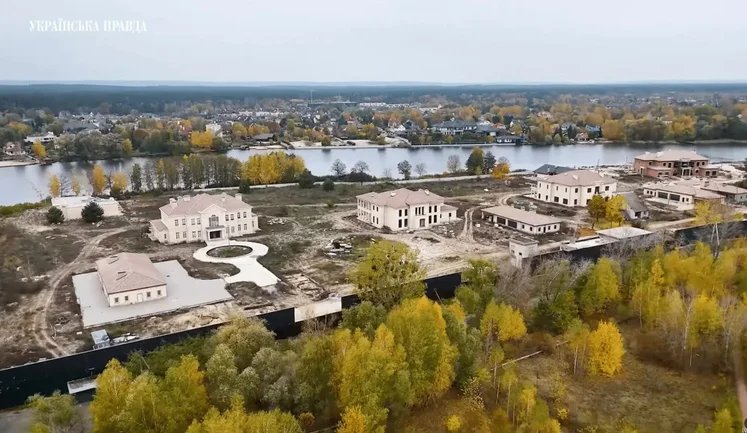
 Properties belonging to individuals involved in "Dynasty" case have been put up for sale: they have not yet been seized, - media Some of the assets of a company whose corporate rights have been frozen due to the involvement of suspects in the NABU/SAPO case concerning the illegal development of the "Dynasty" housing cooperative have been put up for sale. This concerns luxury property in a gated cottage community near... 7 118 41 Previously in trend: Mindichgate Dynasty construction
 Businessman Vasyl Veselyi was not detained, suspicion was not reported - Prosecutor’s office Businessman Vasyl Veselyi, whom the media refer to as the "overseer" of the "Sens Bank" owned by the Presidential Administration, was subjected to investigative procedures, but he was not detained. 1 316 15 Previously in trend: Mindichgate Mindich’s new tapes
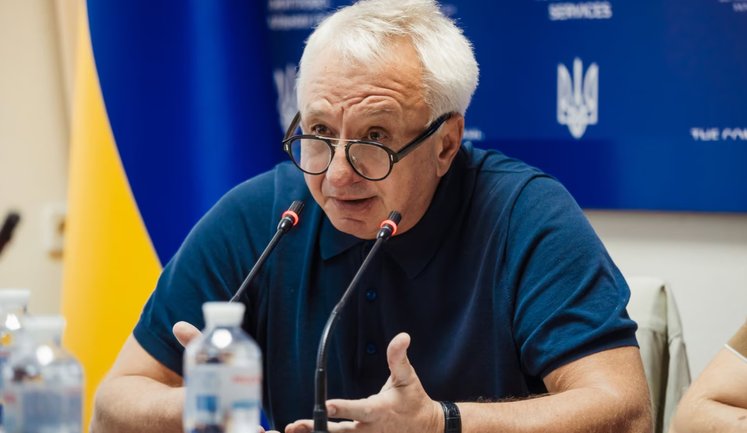
 Media established that MP Kucherenko is mentioned in "Mindich tapes": he called the journalists "degenerates". VIDEO Oleksii Kucherenko, First Deputy Chair of the Verkhovna Rada Committee on Energy (Batkivshchyna faction), may have had contacts with individuals implicated in the energy sector corruption case (Midas). 6 355 32 Previously in trend: Mindichgate Mindich’s new tapes
 SSU has detained businessman Vasyl Veselyi, who appears in "Mindich tapes," - media The Security Service of Ukraine has detained businessman Vasyl Veselyi, whom the media have described as the "overseer" of "Sense Bank" on behalf of the Presidential Office. 4 180 41 Previously in trend: Mindichgate Mindich’s new tapes
 SSU detained businessman Vasyl Vesely, who appears in "Mindich’s tapes", - UP The Security Service of Ukraine has detained Vasyl Veselyi, a businessman and former advisor to the chairman of the supervisory board of Sens Bank, who is mentioned in the "Mindich tapes." 35 0 Previously in trend: Mindichgate
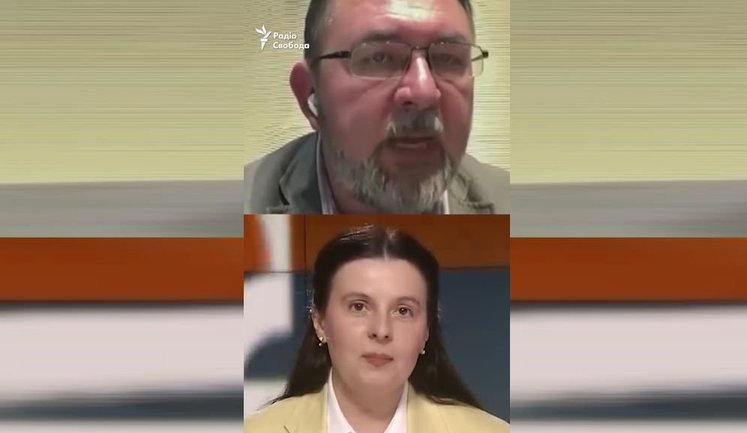
 "Servant of People" Poturaiev became angry over questions about "Mindichgate": "When there’s frozen shit coming out of the taps instead of water, you won’t have time to dwell on questions about Yermak and Mindich". VIDEO The issue of supplying Ukraine with the scarce PAC-3 missiles for the Patriot air defence systems is a far greater public priority than discussions about domestic political corruption trends. According to Censor.NET, this was stated on Radio Svoboda by Mykyta Poturaiev, a Member of Parliament... 10 711 116 Previously in trend: Mindichgate
"Mindichgate" and notice of suspicion against Yermak could jeopardize Ukraine’s EU accession – Die Zeit The corruption scandal involving Andriy Yermak, the former head of the President’s Office, is causing problems for Volodymyr Zelenskyy and could jeopardise Ukraine’s aspirations to join the EU. 4 151 50 Previously in trend: Mindichgate Notice of suspicion for Yermak
 Midas case figure Tsukerman sues Zelenskyy: he seeks cancellation of imposed sanctions Oleksandr Tsukerman, a defendant in the ‘Midas’ case, is seeking, through the Administrative Court of Cassation, to have the sanctions imposed on him by the National Security and Defence Council—which were introduced by President Volodymyr Zelenskyy—declared unlawful and revoked. 3 904 50 Previously in trend: Mindichgate
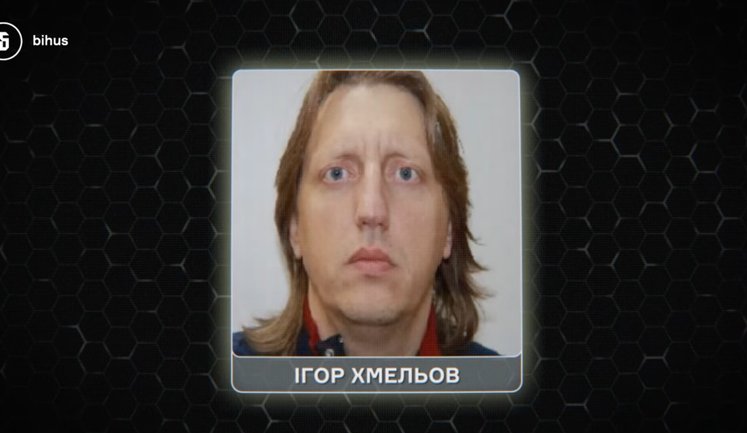
 Mindich’s business partner Khmelov bought up land and hotels near Bukovel for $4.5 million during war, - Bihus.Info. VIDEO Ihor Khmelov, a business partner of oligarch Timur Mindich and a former senior manager at the defence company Fire Point, has been buying up land and holiday complexes near the Bukovel resort on a massive scale since 2022. The land plots alone, at current prices, could be worth around $4.5 million. 5 812 37 Previously in trend: Mindichgate
 Mindich — I know him, but I do not know many other figures in case, Yermak says. VIDEO Andriy Yermak, former head of the President’s Office, has confirmed that he is acquainted with Zelenskyy’s oligarch Timur Mindich. 1 502 11 Previously in trend: Mindichgate Notice of suspicion for Yermak
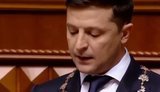 Seven years since "Each of us is president": how Zelenskyy’s inauguration promises have stood test of time. VIDEO Today, 20 May 2026, marks exactly seven years since Volodymyr Zelenskyy officially took office as President of Ukraine. His 2019 inaugural address was built around a scathing critique of the old political system and promises to rid the country of corruption once and for all. 4 408 51 Previously in trend: Mindichgate Yermaks tapes
Mindich has taken legal action against Zelenskyy: he is seeking lifting of sanctions imposed on him Tymur Mindich has filed a lawsuit against President Volodymyr Zelenskyy with the Administrative Court of Cassation. 8 041 101 Previously in trend: Mindichgate
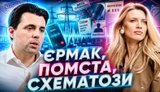 Yermak, scheming and petty revenge: interview with former head of "Ukrenergo" Kudrytskyi // Uncensored. VIDEO Mindich’s recordings reveal not only a corruption scandal in the energy sector, but also a crisis in public administration: individuals with no official positions were able to influence ministers, state-owned companies, law enforcement agencies and personnel decisions within the energy sector. 2 864 4 Previously in trend: Mindichgate
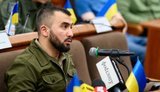 Zhumadilov confirmed at Temporary Investigation Commission that he had met and spoken with Mindich and Umerov about bulletproof vests Arsen Zhumadilov, head of the Defence Procurement Agency, confirmed that in March 2025, he met with Rustem Umerov, then Ukraine’s Minister of Defence and current Secretary of the National Security and Defence Council, and Tymur Mindich, a businessman suspected of corruption, and discussed... 3 736 12 Previously in trend: defense procurement Mindichgate Mindich’s new tapes
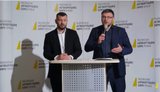 Kryvonos and Klymenko stated that they were only ones who knew all details of Operation Midas All information regarding Operation Midas was known only to NABU Director Semen Kryvonos and SAPO Head Oleksandr Klymenko. 2 794 14 Previously in trend: Mindichgate
 NABU is investigating corruption in both energy and defense sectors. Specifically, regarding Ukrainian weapons manufacturers, - Kryvonos Anti-corruption authorities are conducting investigations in the energy and defense sectors. 1 116 2 Previously in trend: Mindichgate Notice of suspicion for Yermak Dynasty construction
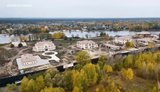 "We need to move forward": Chernyshov demanded continuation of "Dynasty" construction in March 2022 – NABU After the start of Russia’s full-scale invasion of Ukraine, construction of Dynasty did not stop but continued even more actively. 7 074 16 Previously in trend: Mindichgate Dynasty construction
New series of "Mindich tapes": Derkach-Halushchenko duo, construction of Khmelnytskyi NPP, "Energoatom". VIDEO In the fourth instalment of the new"Mindich tapes" recordings, the main figures are Zelenskyy’s oligarch Tymur Mindich and his accountant Oleksandr Tsukerman, as well as those implicated in the "Midas" case—Herman Halushchenko, Ihor Myroniuk and Ihor Fursenko—and former presidential adviser... 6 719 34 Previously in trend: Mindichgate Mindich’s new tapes
"Mindichgate": Tsukerman’s driver said on tapes that he urgently left Ukraine, media reports Mindichgate figure Oleksandr Tsukerman urgently left Ukrainian territory in October 2025. 3 183 2 Previously in trend: Mindichgate Mindich’s new tapes
 Mindichgate figures Myroniuk and Basov discussed importance of SAPO deputy head Syniuk – media Mindichgate figures Ihor Myroniuk and Dmytro Basov discussed Deputy Head of the Specialized Anti-Corruption Prosecutor’s Office Andrii Syniuk. 3 672 8 Previously in trend: Mindichgate
 How did Tsukerman and Mindich manage to flee Ukraine?: third series of "Mindich tapes" published. VIDEO The question of how Oleksandr Tsukerman and Timur Mindich, key figures in the NABU and SAPO ‘Midas’ operation, managed to leave Ukraine before the searches took place and charges were brought has remained unanswered for over six months. 14 685 75 Previously in trend: Mindichgate Mindich’s new tapes
 "Everyone to Pokrovsk": new "Midas tapes" reveal plans by authorities’ entourage to settle scores with NABU detectives // Uncensored. VIDEO Maryna Danyliuk-Yarmolaieva, in a new episode of the Uncensored project, analyzes a new wave of the so-called "Midas tapes", recordings of conversations involving government representatives which, according to the author, point to corruption schemes during the full-scale war. 7 519 19 Previously in trend: Mindichgate Mindich’s new tapes
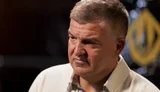 Fire Point co-owner Shtilerman appears in ’Mindich tapes’, — Honcharenko. VIDEO Denys Shtilerman, co-owner of Fire Point, appears in the "Mindich tapes." 4 871 25 Previously in trend: Mindichgate Mindich’s new tapes
Office of President’s "overseer" Veselyi influenced Sense Bank financial monitoring decisions regarding number of gambling operators – Zhelezniak Businessman Vasyl Veselyi, whom media outlets call the Office of the President’s "overseer" at Sense Bank, influenced the bank’s financial monitoring decisions regarding a number of gambling operators. 1 603 5 Previously in trend: Mindichgate Mindich’s new tapes
NABU should all be sent to front: conversation between "Mindichgate" figures Tsukerman and Fursenko. VIDEO Oleksandr Tsukerman and Ihor Fursenko (Roshyk), figures implicated in the ‘Mindichgate’ scandal, discuss the NABU’s surveillance of them. 14 504 73 Previously in trend: Mindichgate Mindich’s new tapes
 "Obedient as dog": new shocking fragment of Mindich tapes about Energoatom // Uncensored. VIDEO Journalist Maryna Danyliuk-Yarmolaieva analyzes a new part of the so-called "Mindich tapes" released by MP Yaroslav Zhelezniak. The materials concern alleged corruption schemes at Energoatom and the mechanics of controlling electricity sales through "their own people." 11 644 19 Previously in trend: Mindichgate Mindich’s new tapes
"As long as Vova is in place, we will live": fragment of conversation between Tsukerman and Fursenko Ukrainian MP Oleksii Honcharenko has published a fragment of a conversation from the "Mindich tapes" between figures in the "Midas" case, Oleksandr Tsukerman and Ihor Fursenko. 19 462 81 Previously in trend: Mindichgate Mindich’s new tapes
 Conversation between Khmilov and Tsukerman released: As soon as peace comes – funding stops immediately MP Oleksii Honcharenko has released new excerpts from conversations between Fire Point co-founder Ihor Khmilov and the individual in question, Oleksandr Tsukerman. 35 704 171 Previously in trend: Mindichgate
 "Common fund for Vova" and profiteering on blood: new shocking Mindich tapes // Uncensored. VIDEO What exactly the new Mindich tapes reveal, and why this scandal may have far more serious consequences than just another corruption story, is analyzed by Maryna Danyliuk-Yarmolaieva in Uncensored. 10 480 53 Previously in trend: Mindichgate Mindich’s new tapes
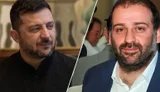 Mindich’s defense sees signs of "information manipulation and pressure" in tapes released by media The lawyer of Timur Mindich, a figure in the Midas case and Zelenskyy’s oligarch, has commented on new data about his alleged phone conversations that have appeared in the public domain in recent days. The defense says it was not given access to the "tapes." 1 752 29 Previously in trend: Mindichgate Mindich’s new tapes
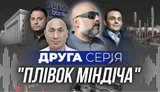 Media published second episode of new "Mindich tapes": what was Yermak’s role. VIDEO In the second episode of the "Mindich tapes," journalists found out how a group of private individuals, through ties to former head of the Presidential Office Andriy Yermak and Zelenskyy’s oligarch Timur Mindich, gained control of state-owned Sense Bank and the country’s largest chemical plant,... 13 101 53 Previously in trend: Yermak’s influence Mindichgate Mindich’s new tapes
 Mindich and Umerov discuss appointment of new ambassador to U.S.: "Stefanyshyna can’t do it, she has suspicion" Zelenskyy’s oligarch Timur Mindich and then-Defense Minister Rustem Umerov discussed replacing the ambassador to the United States. 4 634 24 Previously in trend: Mindichgate Mindich’s new tapes
 Mindich and Umerov discuss personnel changes in government: "What’s the Cabinet like? Nothing." In July 2025, Zelenskyy’s oligarch Timur Mindich and the then Defence Minister Rustem Umerov discuss personnel changes within the government. 8 057 45 Previously in trend: Mindichgate Mindich’s new tapes
New "Mindich tapes" released: discussions on replacing government, US ambassador and mysterious "Project 23". VIDEO MP Yaroslav Zhelezniak has released new "Mindich tapes" featuring a conversation between president's friend Timur Mindich and the current Secretary of the National Security and Defence Council, Rustem Umerov. 11 788 43 Previously in trend: Mindichgate Mindich’s new tapes
 Fire Point company on mention in new "Mindich tapes": "This is blatant lie, NABU must confirm authenticity" Fire Point co-owner Denys Shtilerman has reacted to the media publication of the new "Mindich tapes" and called it "another information attack." He appealed to the NABU with a request to confirm the authenticity of the "tapes." 9 463 105 Previously in trend: Mindichgate Mindich’s new tapes
Mindich filed lawsuit against Zhelezniak because MP’s words "cause him significant distress" The defence team has received Timur Mindich’s lawsuit against MP Yaroslav Zhelezniak seeking protection of his honour, dignity and professional reputation. 9 730 112 Previously in trend: Mindichgate
 Little houses built on blood. How Mindich, "Vova" and "Andrei" made money from war and schemes // Uncensored. VIDEO The new Mindich tapes – shocking details about how people from "Kvartal" divided the budget and made money for their own houses. 7 280 58 Previously in trend: Uncensored Mindichgate Mindich’s new tapes
 Public Anti-Corruption Council under Ministry of Defence has issued statement regarding ’Midas’ case and company ’Fire Point’ The Public Anti-Corruption Council under the Ministry of Defense of Ukraine has issued a statement regarding the "Midas" case and possible connections involving the company "Fire Point." 9 196 64 Previously in trend: Mindichgate Mindich’s new tapes
 This is story about how their own began to "turn in" their own, - Nikolov on new "Mindich tapes". VIDEO The publication of new "Mindich tapes" may be linked to a possible desire by suspects in the case to strike deals with National Anti-Corruption Bureau of Ukraine and Specialized Anti-Corruption Prosecutor's Office by "giving up" their associates. 4 933 8 Previously in trend: Mindichgate Mindich’s new tapes
 Authenticity of new "Mindich tapes" is to be determined by law enforcement agencies, — Umerov’s press office Law enforcement officials must verify the authenticity and relevance of the recordings from the new "Mindich tapes." 3 596 55 Previously in trend: Mindichgate Mindich’s new tapes
 Major Telegram channels are ignoring new "Mindich tapes" and attacking NABU, - Zhelezniak A number of anonymous Telegram channels ignored the news about the release of the new "Mindich tapes," instead publishing posts accusing the Bureau of "totalitarian practices." 3 079 42 Previously in trend: Mindichgate Mindich’s new tapes
Page 1 of 6
more news