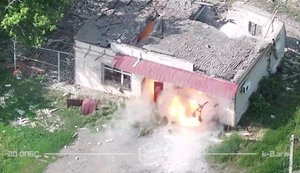
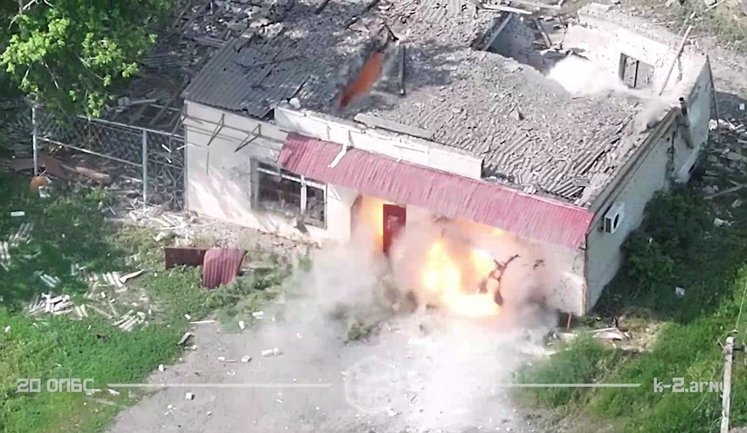
Coffee has become an unexpected focal point in dramatic wartime news stories. Recently, K-2 drones targeted enemy forces at a café location, showcasing the unpredictable settings of modern warfare. Meanwhile, the historical case of Elena Bolotova highlights the darker side of coffee, where it's alleged that a poisoned cup led to the demise of a separatist leader in Moscow. These incidents reflect coffee's presence in conflict as both a commonplace object and a tool within political narratives. As tensions continue, the role of everyday items like coffee can shift from mundane to pivotal, overshadowed by the broader implications within Ukrainian and global politics.
How are drones used in coffee-related conflicts?
K-2 drones have been deployed in conflict zones where enemy forces were present in café-like settings. These drones are used to eliminate hostile equipment and personnel, revealing how seemingly ordinary locales become strategic targets in warfare. This usage underscores the role of drones in modern conflict, adapting to the dynamics of urban settings.
What is the connection between coffee and political intrigue?
Coffee has been implicated in political intrigue, as in the case of Valerii Bolotov's alleged murder. Poisoned coffee was purportedly used to assassinate the leader at a business meeting, highlighting the beverage's potential role in covert operations and political assassination, demonstrating that everyday items can be leveraged in high-stakes situations.
What significance does the café location have in drone attacks?
The choice of a café as a location for a drone attack highlights the blending of civilian and military environments in modern warfare. This setting reflects how combat strategies must adapt to urban landscapes, where such locations become unexpected yet crucial arenas for military operations, thus impacting local civilian life and businesses.
What are the implications of using drones in urban settings?
Using drones in urban settings, like cafés, poses significant implications for conflict management and civilian safety. Drones can precisely target hostile elements, yet their presence in populated areas raises concerns about collateral damage and civilian casualties, complicating the ethical and tactical dimensions of modern military engagements.
How has coffee played a role in historical conflicts or power struggles?
Historically, coffee has found its way into various conflict narratives, including alleged poisoning cases, as with Valerii Bolotov's death. Such incidents illustrate coffee’s role beyond a mere beverage to a potential medium for executing political and strategic maneuvers, impacting power dynamics and influencing historical outcomes.