Political parties worldwide are undergoing significant changes. In Ukraine, the "European Solidarity" faction announced a split with Oleksii Honcharenko, marking a pivotal moment in its political journey. Meanwhile, in Hungary, Viktor Orbán has retained leadership of the Fidesz party despite recent electoral challenges. This highlights his enduring influence within the party's ranks. Additionally, the potential dissolution of the Sovereignty Protection Office by Fidesz may reshape Hungary's political landscape. Polls in Ukraine suggest a growing inclination towards military-associated political entities, emphasizing a shift in public trust towards these figures in a post-war context. The global political landscape is in flux with these evolving party dynamics.
What was the decision made by the European Solidarity faction regarding Oleksii Honcharenko?
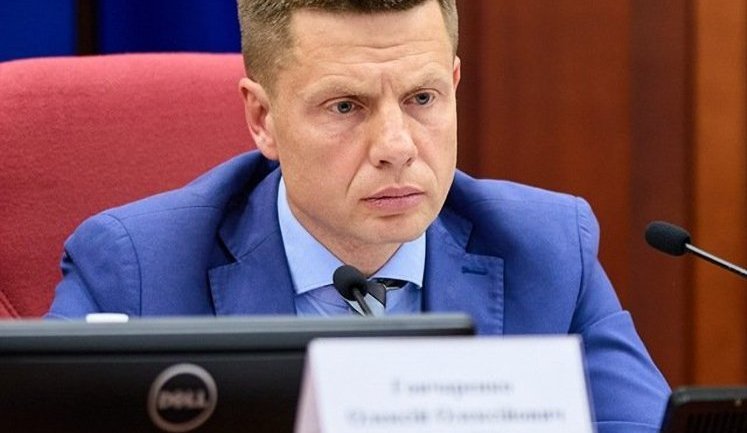
The European Solidarity parliamentary faction decided it can no longer continue a shared political path with MP Oleksii Honcharenko. This signifies a significant shift within the faction, marking a separation from a key political figure and reflecting internal differences that have possibly influenced this decision.
How has Viktor Orbán's reelection as Fidesz leader impacted Hungarian politics?
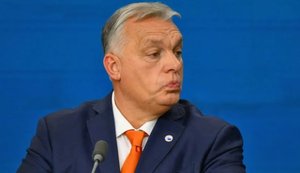
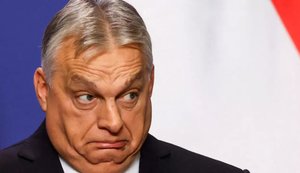
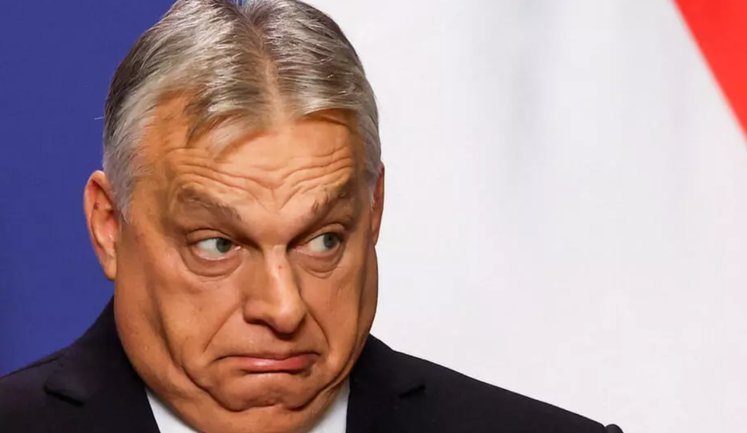
Viktor Orbán's reelection as leader of the Fidesz party reaffirms his central role in Hungarian politics despite recent electoral defeats. His continued leadership could steer party policies and strategies, potentially influencing Hungary's domestic and foreign policy directions.
What legislative changes are being pursued by Hungary's Fidesz party regarding the SPO?
The ruling Fidesz party in Hungary has submitted a bill aimed at dissolving the Sovereignty Protection Office, a move indicating a significant pivot in its domestic policy framework. This proposed dissolution reflects ongoing adjustments within the party's approach to governance and international relations.
What are the recent trends in political party preferences in Ukraine?
Recent polls in Ukraine indicate a rising preference for parties associated with military figures, suggesting a shift in public confidence towards leaders with military backgrounds. This trend points to a potential reconfiguration of the political landscape as citizens increasingly trust the stewardship of military-influenced political entities in transitional governance.
Why is the potential dissolution of the SPO significant in Hungary?
The proposed dissolution of the Sovereignty Protection Office by Fidesz marks a pivotal change in how Hungary deals with national and international criticisms, especially those directed at previous policies under Viktor Orbán's administration. It highlights ongoing restructuring efforts aiming at reshaping the country's bureaucratic and foreign policy apparatus.