



Hungary wants to eliminate Orban’s structure that criticized Ukraine and EU
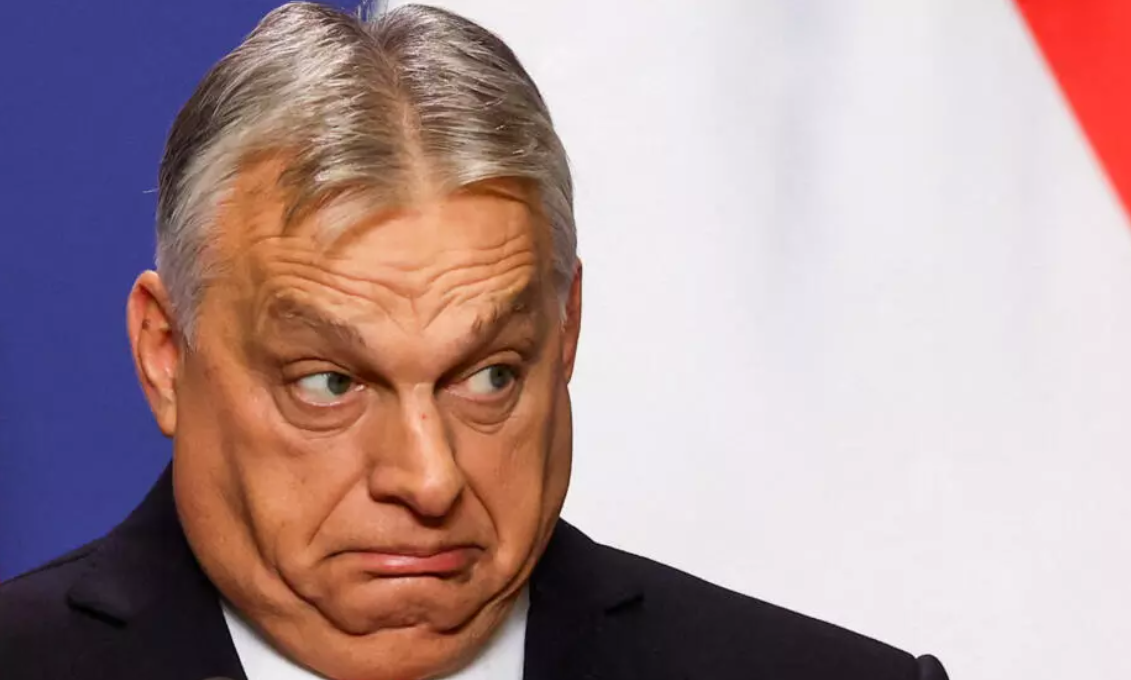
The ruling Fidesz party has submitted a bill to the Hungarian Parliament to dissolve the Sovereignty Protection Office (SPO), which was established during the government of Viktor Orbán.
According to Censor.NET, Reuters reports on this.
The organization was founded in 2023 to monitor the risks of so-called "undue political interference" by foreign organizations.
The organization was described as a tool for suppressing the opposition
Critics of the SPO have repeatedly claimed that the organization was in fact used to exert pressure on journalists, civil society organizations, and political opponents of the government.
The bill notes that the agency did not perform any actual government functions.
"The Sovereignty Protection Directorate does not perform any actual government functions, and its creation served solely political purposes and interests. The true purpose of the Sovereignty Protection Directorate was to exert pressure on citizens, certain organizations, and the media for political ends," the document states.
The agency promoted Orbán's views on Ukraine and the EU
The organization's primary focus was on preparing and publishing research that reflected the political stance of Viktor Orbán's government on key issues of international and domestic policy.
In particular, the discussion focused on attitudes toward Ukraine, migration policy, and Hungary’s relations with the European Union.
In its reports, the SPO frequently accused opposition politicians, journalists, civil society activists, academics, and nongovernmental organizations of promoting "foreign interests."
The organization's operations effectively ceased following the change in government
According to Reuters, the Sovereignty Protection Agency stopped publishing reports just a few days after Viktor Orbán's defeat in the election.
The new government, led by Péter Magyar, has begun reviewing a number of decisions made by the previous administration and working to restore relations with the European Union.


