ENG




14056 visitors online
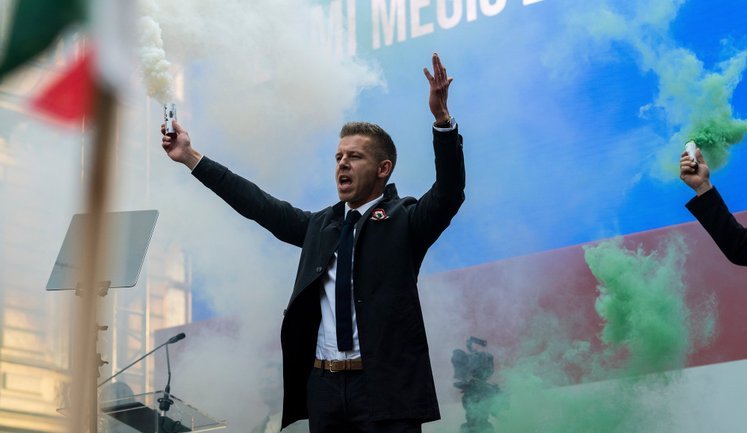
Hungary has been at the center of significant political and diplomatic discussions in 2026. Prime Minister Péter Magyar announced plans to amend the constitution, which would affect the tenure of the current President. Concurrently, Hungary's position on the European Union’s enlargement process, particularly regarding Ukraine, has been under intense scrutiny. Magyar argued for the protection of the Hungarian minority's rights in Ukraine as a precondition for supporting Ukraine’s EU membership discussions. Additionally, Hungary expressed willingness to extend EU sanctions on Russia, signaling shifts in Budapest's previous policies. These moves underscore Hungary's crucial diplomatic role in regional stability and EU integration dynamics.
What is Hungary's position on Ukrainian conscription avoidance?
Hungary is open to granting asylum to individuals avoiding conscription. Prime Minister Péter Magyar does not align with the European Commission’s views on denying temporary protection to Ukrainian men of draft age, highlighting Hungary's independent policy stance regarding the war in Ukraine.
How is Hungary influencing Ukraine's EU accession process?
Hungary has stipulated that Ukraine must protect the rights of the Hungarian minority in Zakarpattia before supporting its EU accession talks. This stance reflects Hungary's insistence on securing cultural and educational rights for Hungarians in Ukraine as part of broader EU membership negotiations.
What are Hungary's recent political reforms concerning its presidency?
Prime Minister Péter Magyar is proposing constitutional amendments to potentially remove President Tamás Szujók. These reforms are part of broader political shifts in Hungary aiming to consolidate Magyar's government's policies and political agenda, which includes refining executive powers.
What changes in foreign policy has Hungary made under the new leadership?
Under Prime Minister Péter Magyar, Hungary has shown a readiness to support the extension of EU sanctions against Russia, marking a significant policy shift. These changes signify Hungary’s intention to align more closely with EU-wide policies and restore trust with its European partners.
Is Hungary involved in facilitating dialogue between Ukraine and Russia?
Prime Minister Péter Magyar has indicated Hungary's willingness to serve as a venue for peace talks between Ukraine and Russia. This offer aligns with Hungary's strategic diplomatic engagements, emphasizing its potential role in fostering dialogue and conflict resolution in the region.
News Hungary
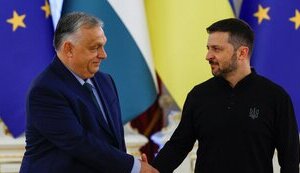
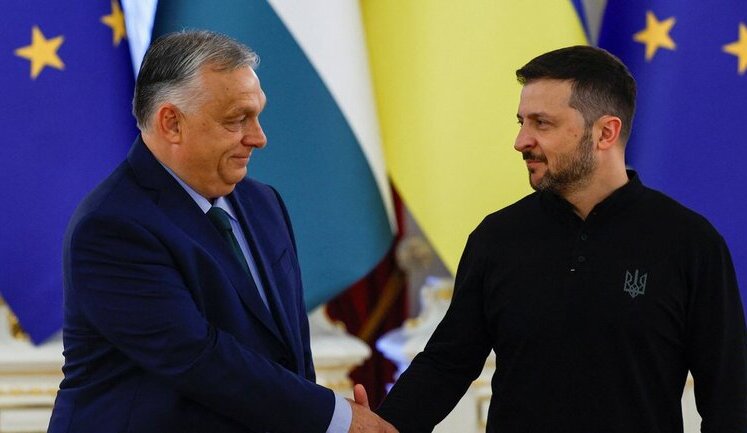
 Hungarian PM Magyar announces meeting with Zelenskyy on October 16 Hungarian Prime Minister Péter Magyar has announced a meeting with Ukrainian President Volodymyr Zelenskyy in Brussels on October 16. 845 7 Previously in trend: Relations between Ukraine and Hungary
 On October 12, Hungary is expected to approve opening of EU negotiation clusters for Ukraine On Monday, October 12, European Union ambassadors may agree on negotiating positions regarding the opening of the second and third clusters of negotiations on Ukraine’s accession to the EU. Hungary is prepared to support this decision provided that the Verkhovna Rada adopts amendments to... 419 2 Previously in trend: Ukraine’s Membership in the EU
 Hungary has given ’green light’ for opening of two more clusters for Ukraine, - Sybiha Hungary has lifted its veto on Ukraine’s further progress in negotiations on accession to the European Union. Budapest has given the ‘green light’ for the opening of clusters 2, ‘Internal Market’, and 3, ‘Competitiveness and Inclusive Growth’. 1 082 10 Previously in trend: Ukraine’s Membership in the EU Talks with Hungary on minority rights
 Hungary to grant protection to Ukrainian men liable for military service – European Commission Hungary has refused to apply EU restrictions on granting temporary protection to Ukrainians with outstanding military service obligations. 2 277 30 Previously in trend: Ukrainian refugees Relations between Ukraine and Hungary
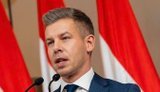 Hungary may unblock two clusters of negotiations on Ukraine’s accession to EU, - Financial Times Budapest is prepared to unblock the start of the negotiation clusters on Ukraine’s accession to the EU, but has set a condition. The Hungarian side’s key condition is that the rights of national communities be safeguarded. 1 020 11 Previously in trend: Ukraine’s Membership in the EU
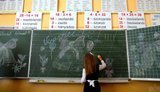 Draft law on education in languages of national minorities has been introduced in Rada: Prime Minister Magyar welcomes this decision A bill on the education of national minorities has been registered in the Verkhovna Rada. Its passage is expected to help lift Hungary’s veto on unblocking two clusters in the EU accession negotiations. 2 664 53 Previously in trend: Talks with Hungary on minority rights Relations between Ukraine and Hungary
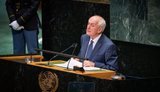 Ukraine is fighting for freedom, just as we did in 1956 – Hungarian President Baka at UN András Baka, President of Hungary, recalling the Soviet troops’ suppression of the 1956 Hungarian Revolution, stated that Ukraine is fighting today for the very same freedom that the Hungarians once fought for 2 141 12 Previously in trend: Relations between Ukraine and Hungary
Hungary has withdrawn from ’Carpathian Eight’, - Péter Magyar The Prime Minister of Hungary, Péter Magyar, has stated that his country is not participating in the ‘Carpathian Eight’ initiative, which was launched by Ukraine to strengthen cooperation between the states of the Carpathian region. 8 114 48 Previously in trend: Relations between Ukraine and Hungary
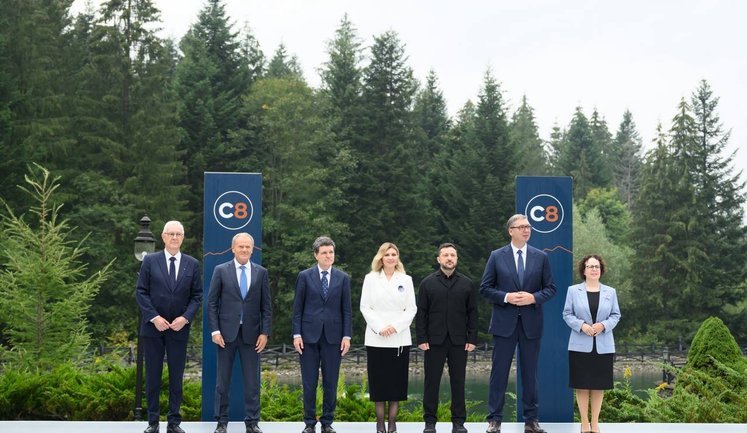
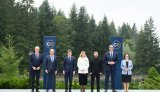 ’Carpathian Eight’ meeting has begun, - Zelenskyy. VIDEO President Volodymyr Zelenskyy has announced the launch of a new format, the C8 – the Carpathian Eight – involving Ukraine and seven European states. 7 227 35 Previously in trend: Carpathian Eight
 EU Court has dismissed claim by previous Hungarian government seeking to block revenue from frozen Russian assets intended to aid Ukraine The Court of Justice of the European Union has dismissed a claim brought by the previous Hungarian government, which sought to block the transfer of proceeds from frozen Russian assets to Ukraine via the European Peace Fund. 898 0 Previously in trend: Use of frozen assets of Russian Federation Hungary opposes support for Ukraine
 Ukraine submits new proposal to Hungary on meeting between Zelenskyy and Magyar Ukraine has submitted a new proposal to Hungary regarding a meeting between Volodymyr Zelenskyy and Peter Magyar. 1 962 9 Previously in trend: Relations between Ukraine and Hungary
Hungary again blocks opening of Clusters 2 and 3 for Ukraine in EU accession talks – media On Tuesday, September 8, the Council of the EU Working Party on Enlargement (COELA) again failed to approve the screening results for negotiating Clusters 2 and 3 for Ukraine due to Hungary’s obstruction. 2 753 17 Previously in trend: Ukraine EU accession
 Hungarian government has recognised Russia as threat and announced shift away from Orbán’s foreign policy, - media Hungary’s new government has declared Russia a "threat", marking a significant departure from the pro-Russian foreign policy championed by former Prime Minister Viktor Orbán. 1 747 6 Previously in trend: Relations between Ukraine and Hungary Hungary-Russia cooperation
 Zelenskyy congratulates Hungary on national holiday and invites Magyar to Kyiv Ukrainian President Volodymyr Zelenskyy congratulated Hungarian Prime Minister Peter Magyar and the Hungarian people on their national holiday, Saint Stephen’s Day, and said he would be pleased to welcome the head of the Hungarian government to Kyiv. 654 2 Previously in trend: Relations between Ukraine and Hungary
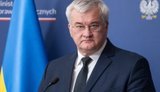 Sybiha called Hungary’s closure of Oschadbank case "end of Orbán’s lies" Ukraine’s Minister for Foreign Affairs, Andrii Sybiha, described the closure by Hungarian law enforcement authorities of the case concerning the transport of Oschadbank’s funds and gold as "the predictable end to Viktor Orbán’s lies". 1 105 9 Previously in trend: Hungary detained Ukrainian cash collection vehicles
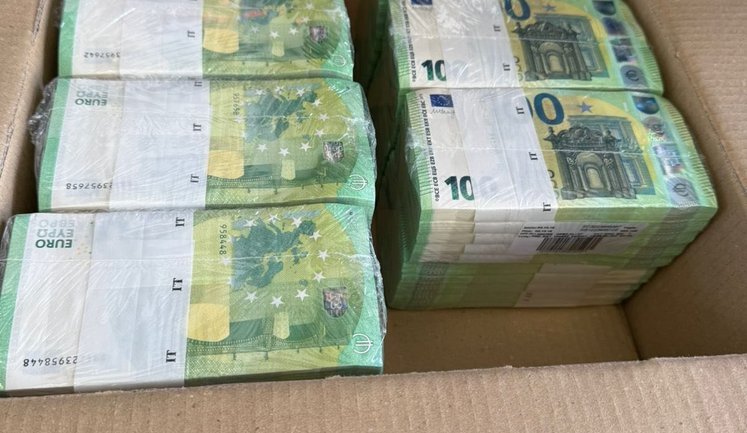
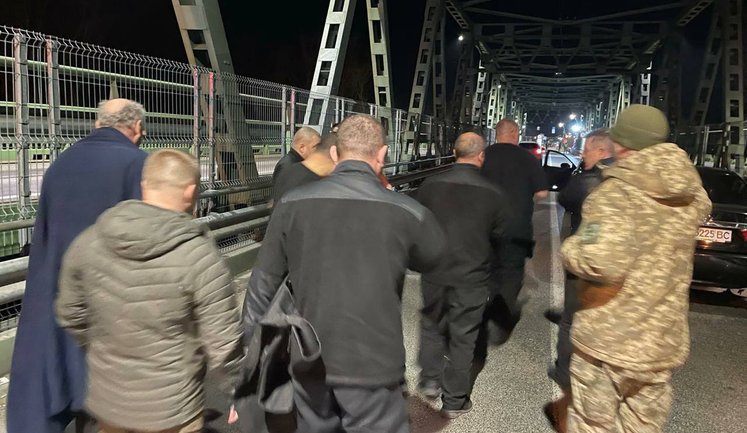
 Hungary has closed case against Ukrainian cash collectors: lawful origin of $40 million, 35 million euros, and gold has been confirmed In Hungary, criminal proceedings have been dropped against Ukrainian cash-in-transit operatives who were detained in March whilst transporting tens of millions of dollars, euros and gold. The investigation established that the funds and precious metal were of lawful origin and that there were no... 1 398 12 Previously in trend: Hungary detained Ukrainian cash collection vehicles
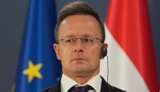 Szijjártó case under investigation in Hungary: He faces up to three years in prison Hungarian law enforcement agencies are investigating a case involving the possible acceptance of a bribe by former Foreign Minister Péter Szijjártó. 3 374 17
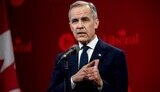 Canada condemns massive Russian strike on Ukraine and missile incident in Poland Canadian Prime Minister Mark Carney condemned Russia’s massive overnight attack on Ukraine on 30 July and the incident involving a Russian missile that entered Poland. 670 2 Previously in trend: Massive rocket attack
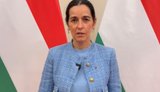 Hungary condemned Russia’s strike on Latvian consulate and drone incidents over Romania Hungary has strongly condemned the Russian strikes, which damaged, amongst other things, the building of the Latvian Honorary Consulate in Sloviansk, as well as the drone incursions into Romanian airspace. 2 404 3 Previously in trend: Shelling of Sloviansk shot down of drones in Romania
 Hungary’s Prosecutor General, appointed under Orbán, has resigned, - media Hungary’s Attorney General, Gábor Balint Nagy, who was appointed during Viktor Orbán’s government, has tendered his resignation. The new Prime Minister, Péter Magyar, had previously called for his dismissal. 780 1
 Opening of clusters 2 and 3 for Ukraine postponed until September due to Hungary’s position Today, July 22, during a meeting of the Council of the EU Working Party on Enlargement (COELA), Hungary refused to approve the screening results for negotiating clusters 2 and 3 for Ukraine and Moldova. The next attempt is scheduled for September 1. 1 418 11 Previously in trend: Ukraine’s Membership in the EU
 "We’re slamming door in Russians’ faces": Hungary’s defence minister announces change of course Hungarian Defence Minister Romulusz Rusin-Sendi has stated that Budapest must restore the trust of its NATO allies and change its approach to relations with Russia. According to him, the country has already taken the first steps in this direction. 3 611 10 Previously in trend: Hungary-Russia cooperation
 Hungary’s Commissioner for Fundamental Rights, Imre Juhász, has arrived in Ukraine, - Lubinets. VIDEO Imre Juhász, Hungary’s Commissioner for Fundamental Rights, has arrived in Ukraine. 857 9 Previously in trend: Relations between Ukraine and Hungary
Hungary agrees to opening sixth cluster in Ukraine’s talks with EU – media Hungary has agreed to the opening of the sixth cluster on external relations in the negotiations on Ukraine’s and Moldova’s accession to the European Union. 1 194 6 Previously in trend: Ukraine’s Membership in the EU
Hungarian intelligence agencies spied on EU officials through the embassy, - Politico The intelligence services of Hungary used their diplomatic mission in Brussels to gather information on EU officials. The spy ring was most active between 2013 and 2016. 2 252 6 Previously in trend: Exposure of Hungarian intelligence spy network
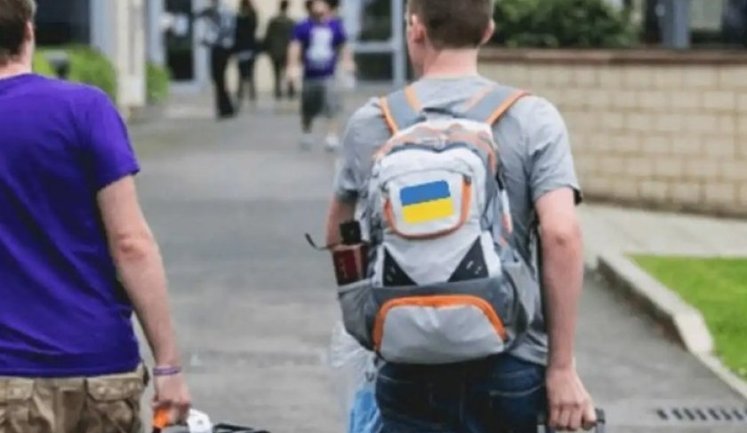
 Hungary will grant asylum to those who come to avoid conscription, - Magyar Hungarian Prime Minister Péter Magyar stated that he does not support the European Commission’s proposal that Ukrainian men of draft age should not be granted temporary protection. 7 077 92 Previously in trend: Relations between Ukraine and Hungary Ukrainians abroad
Mágyár is proposing constitutional amendments to bring about resignation of Hungarian President The Prime Minister of Hungary, Péter Magyar, has announced his intention to amend the constitution in order to terminate the powers of President Tamás Sulyok. 1 919 13
 Magyar wants to meet with Zelenskyy in Berehove, Zakarpattia: I’d be happy to go there Hungarian Prime Minister Péter Magyar has expressed a desire to meet with Ukrainian President Volodymyr Zelenskyy in the city of Berehove in the Zakarpattia Oblast. 3 223 33 Previously in trend: Relations between Ukraine and Hungary
At EU summit, clause on Ukraine’s rapid accession, proposed by Hungary, was removed Hungary influenced the final text of the European Council summit on Ukraine. 10 522 89 Previously in trend: Ukraine EU accession
EU accession: Hungary has expressed doubts about rapid opening of remaining clusters with Ukraine Hungarian Prime Minister Péter Magyar expressed doubts, on his part and on the part of other countries, regarding the possibility of urgently opening the remaining clusters with Ukraine. 2 344 21 Previously in trend: Ukraine EU accession
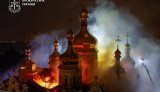 Hungary has condemned Russian attack on Kyiv-Pechersk Lavra Hungary has condemned the Russian attack on Kyiv, during which the Kyiv-Pechersk Lavra and the Assumption Cathedral were damaged. 1 169 0 Previously in trend: Cultural heritage protection
 Orbán was re-elected as leader of Fidesz party following election defeat The former Prime Minister of Hungary, Viktor Orbán, has been re-elected as leader of the Fidesz party, which suffered a defeat in the parliamentary elections in April. 1 635 18 Previously in trend: Elections in Hungary
 Russian violinist Repin’s performance in Budapest has been cancelled, - Foreign Ministry In Budapest, thanks to the efforts of the Ukrainian Embassy in Hungary, a performance by the Russian violinist Vadim Repin as part of the opening of the Hungarian National Philharmonic Orchestra’s concert season was cancelled. 2 009 16 Previously in trend: Relations between Ukraine and Hungary
Hungary has agreed to start of Ukraine’s negotiations with EU following agreement on protection of national minorities, – Magyar Hungary agreed to the start of substantive negotiations on Ukraine’s membership of the European Union only after Kyiv had officially incorporated the requirements regarding the protection of the rights of Hungarians in Transcarpathia into the EU Action Plan. 3 614 40 Previously in trend: Ukraine’s Membership in the EU Hungary’s position on Ukraine’s EU membership
 Budapest reveals details of agreements with Kyiv on protecting rights of Hungarian minority that will unblock Ukraine’s accession to EU Hungary has published its conditions regarding the protection of the rights of the Hungarian minority in Ukraine, which, according to Budapest’s position, affect the start of negotiations on Ukraine’s accession to the European Union. 8 857 92 Previously in trend: Ukraine EU accession
Hungary is ready to support extending EU sanctions against Russia for another year, - Bloomberg Hungary is ready to support the extension of European Union sanctions against Russia for one year. Such a move could mark a significant shift in Budapest’s stance on EU sanctions policy. 594 0 Previously in trend: EU sanctions against Russia
Hungary wants to restore trust in relations with Ukraine, - Foreign Minister Orban Hungary is committed to restoring trust in its relations with Ukraine and is ready to work toward developing bilateral dialogue. 1 475 8 Previously in trend: Relations between Ukraine and Hungary
 We are opening new page in Ukrainian-Hungarian relations, - Sybiha Ukrainian Foreign Minister Andrii Sybiha announced the opening of a new chapter in relations with Hungary. 1 272 15 Previously in trend: Relations between Ukraine and Hungary
 Hungary lifts 17-month veto on start of Ukraine’s EU accession talks - FT The new government of Hungary has agreed to unblock the progress of Ukraine and Moldova's applications for EU membership. 2 557 54 Previously in trend: Ukraine’s Membership in the EU
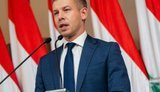 Ukraine and Hungary reach agreements on expanding rights of Hungarian minority, Magyar says Hungarian Prime Minister Peter Magyar has said that Kyiv and Budapest have reached a comprehensive agreement on expanding the language, educational, cultural and political rights of the Hungarian minority in Zakarpattia. 7 191 85 Previously in trend: Talks with Hungary on minority rights
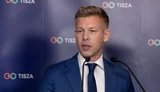 Hungary will not give up Russian energy supplies: Magyar explains why Hungary has no plans to stop purchasing Russian energy resources in the near future. 3 867 28 Previously in trend: Hungary buys Russian oil
Magyar stated that Hungary could serve as venue for talks between Ukraine and Russia Hungarian Prime Minister Péter Magyar stated that his country could serve as a venue for negotiations to end Russia's war against Ukraine. 2 387 18 Previously in trend: Peace negotiations
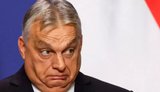 Hungary wants to eliminate Orban’s structure that criticized Ukraine and EU The ruling Fidesz party has submitted a bill to the Hungarian Parliament to dissolve the Sovereignty Protection Office (SPO), which was established during the government of Viktor Orbán. 1 248 3 Previously in trend: Hungary’s position on Ukraine’s EU membership Anti-Ukrainian statements in Hungary Hungary-Russia cooperation
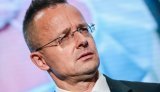 Hungary’s new government takes on Szijjarto’s team: layoffs begin at Foreign Ministry The new government of Hungary has begun a major shake-up at the Ministry of Foreign Affairs, dismissing staff who had previously worked with the ministry’s former head, Péter Szijjártó. 2 906 11 Previously in trend: Hungary’s blocking of EU decisions
Hungary has lifted its veto on payment of €40 billion to EU countries for arms supplies to Ukraine, - Politico Hungary’snew government has lifted its veto on the partial reimbursement to EU countries of the cost of weapons they send to Ukraine, bringing an end to a two-year deadlock caused by Viktor Orbán’s previous government. This decision allows the first €6.6 billion to be released immediately. 2 764 9 Previously in trend: Weapons supplies for Ukraine
Hungary will not send either soldiers or weapons to Ukraine, - Magyar The newly elected government of Hungary has no intention of changing the country's previous course and continues to refuse to provide Ukraine with any military support. 2 862 55 Previously in trend: Relations between Ukraine and Hungary
 Merz backs launch of talks on Ukraine’s accession to European Union German Chancellor Friedrich Merz has backed the start of negotiations on the first cluster of Ukraine’s accession to the European Union. He said disputes between Kyiv and Budapest should not affect the process and should be resolved separately. 3 078 34 Previously in trend: Ukraine’s Membership in the EU
 Magyar is ready to meet with Zelensky as early as next week Hungarian Prime Minister Péter Magyar has stated that he is ready to meet with President Volodymyr Zelenskyy early next week if the issue of minority rights is resolved. 1 456 14 Previously in trend: Relations between Ukraine and Hungary
Page 1 of 16
more news