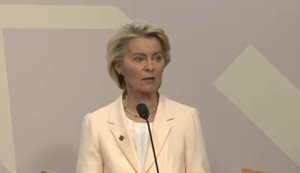
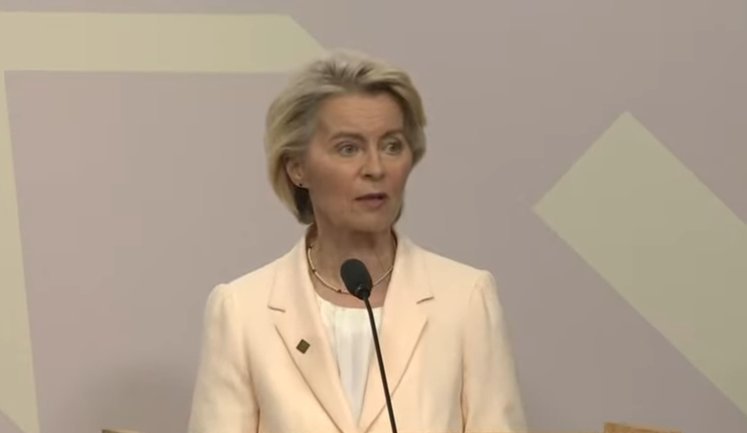
Hungary's decision to block a pivotal €90 billion EU loan to Ukraine is creating significant tension within the European Union. This move comes as EU leaders, including European Commission President Ursula von der Leyen, affirm their commitment to ensuring Ukraine receives this critical financial aid despite Hungary’s obstruction. Hungarian Energy Minister Gábor Czepek has stipulated the reopening of the "Druzhba" oil pipeline before any EU loans are sanctioned. In response, Ukrainian President Volodymyr Zelenskyy and other European leaders are actively seeking strategies to circumvent Hungary's veto. Discussions are ongoing about potential legislative initiatives that could bypass the necessity for unanimity in such financial decisions, thereby weakening Hungary's leverage. The situation underscores the broader geopolitical tensions and the EU's struggle to maintain solidary support for Ukraine in its time of need.
Why is Hungary blocking the €90 billion EU loan to Ukraine?
Hungary is blocking the €90 billion EU loan to Ukraine because it wants the "Druzhba" oil pipeline to be restored. Hungarian officials demand either the resumption of the pipeline's operation or inspector access, threatening to prevent financial aid unless these demands are met. This stance has sparked controversy and criticism from EU leaders who are committed to supporting Ukraine amidst ongoing geopolitical tensions.
What are the implications of Hungary's veto on EU decisions regarding Ukraine?
Hungary's veto significantly disrupts the EU's financial support process for Ukraine, potentially delaying or preventing the disbursement of urgently needed aid. The blockade exacerbates existing political tensions within the EU and raises questions about member states' capabilities to act cohesively in geopolitical matters. It also pressures other EU countries to strategize on how to bypass such vetoes in future decisions.
How is the EU responding to Hungary's veto on the Ukraine loan?
The EU is exploring legislative measures that could override Hungary's veto, considering options that do not require unanimous consent from member states. This includes promoting initiatives under qualified majority voting to ensure Ukraine receives the necessary financial support. The EU aims to uphold its commitment to Ukraine while addressing intra-union conflicts over such critical decisions.
What is the "Druzhba" pipeline and its relevance to Hungary's veto?
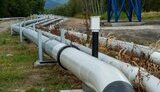
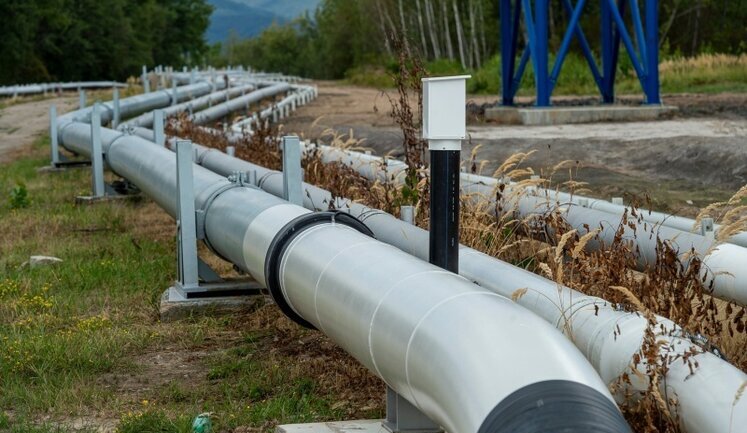
The "Druzhba" pipeline is a significant oil transit route connecting Russia to Central Europe, including Hungary. Hungary's veto on the EU loan is contingent on the revival of this pipeline, reflecting Hungary's reliance on continuous energy supplies. The situation highlights the intertwined nature of energy politics and financial aid within EU decisions regarding support for Ukraine.
What did Ursula von der Leyen say about the blocked loan?
Ursula von der Leyen, President of the European Commission, reaffirmed the EU's commitment to fulfilling the promised €90 billion aid to Ukraine despite the challenges posed by Hungary's veto. She emphasized that the EU is actively working to overcome these obstacles to ensure continuous and robust support for Ukraine during its ongoing crisis.
What actions are European leaders taking to counter Hungary's veto?
European leaders, including President Zelenskyy, are engaging in diplomatic efforts and strategic planning to circumvent Hungary's veto. This includes seeking alliance and influence from other EU member states like Germany, discussing legislative workarounds, and exploring new policies to maintain aid flow to Ukraine, thereby demonstrating steadfast support for Ukraine during pressing times.