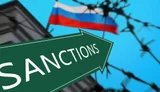
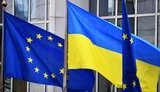
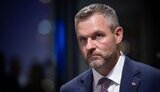
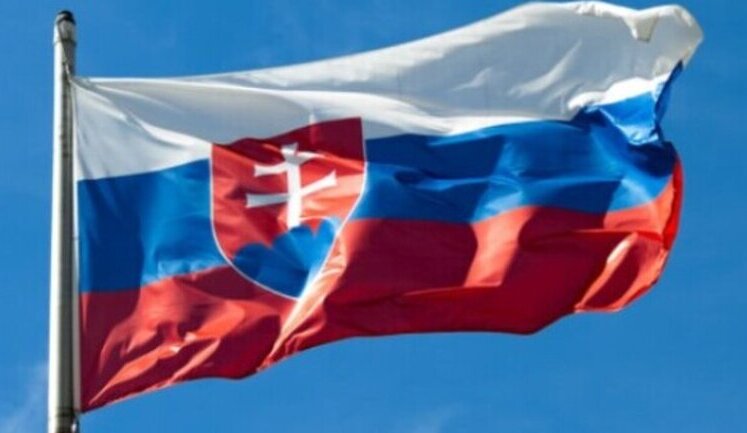
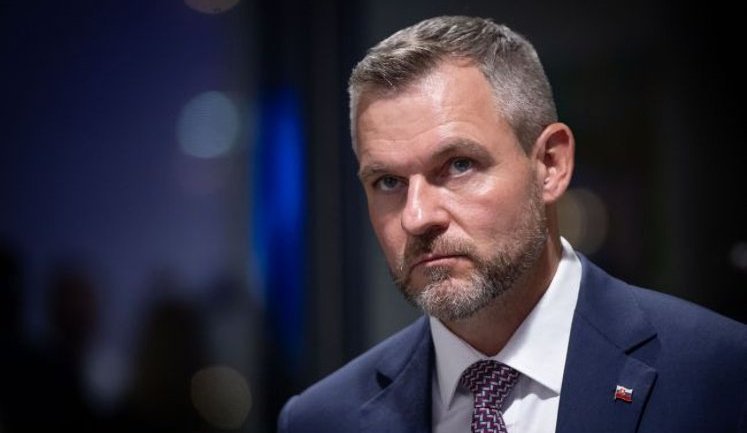
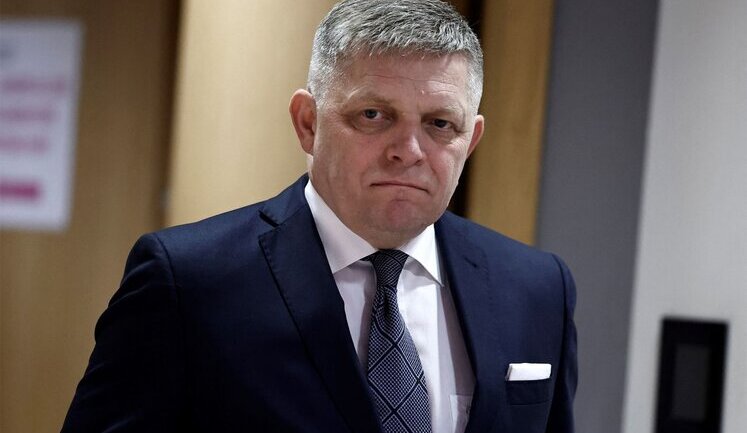
Slovakia has been making headlines for its role in blocking EU decisions related to Ukraine support, raising tensions within the European Union. The EU's pursuit of non-veto legislative initiatives aims to bypass the vetoes from both Hungary and Slovakia. Slovak President Peter Pellegrini has publicly expressed concerns about EU funds being used for Ukraine's arms purchases, fearing escalation of the conflict. Additionally, Slovakia has opposed using frozen Russian assets for Ukraine's military funding, aligning with its economic concerns and long-term energy agreements. Prime Minister Robert Fico's insistence on respecting Slovakia's interests, particularly concerning gas imports from Russia, underscores the complexity of EU decision-making processes and regional dependencies.
Why is Slovakia blocking EU decisions on Ukraine support?
Slovakia has expressed concerns about EU funds being used for Ukraine's military purchases, suggesting it could prolong the conflict. Additionally, economic interests, such as energy agreements, influence Slovakia's stance in the EU decision-making process.
How is the EU planning to bypass Slovakia's veto?
The EU is promoting legislative frameworks that can circumvent the veto process. This involves seeking measures that do not require unanimous agreement, thereby reducing the impact of vetoes from member states like Slovakia and Hungary.
What is Slovakia's stance on using frozen Russian assets for Ukraine?
Slovakia opposes the EU's plan to utilize frozen Russian assets to finance Ukraine's military spending. This position reflects broader political and economic considerations that Slovakia deems crucial for its national interests.
What conditions has Slovakia set for unblocking EU sanctions against Russia?
Prime Minister Robert Fico has demanded that Slovakia be allowed to import Russian gas until 2034, as per its agreement with Gazprom. This is tied to broader economic conditions Slovakia seeks in exchange for unblocking EU sanctions against Russia.
What has been the impact of Slovakia's actions on EU unity?
Slovakia's actions have highlighted divisions within the EU, particularly concerning foreign policy and energy security. The need to balance member states' economic interests with collective political goals remains a significant challenge for EU cohesion.