



EU seeks ways to bypass Hungarian and Slovak vetoes on Ukraine support - Euronews
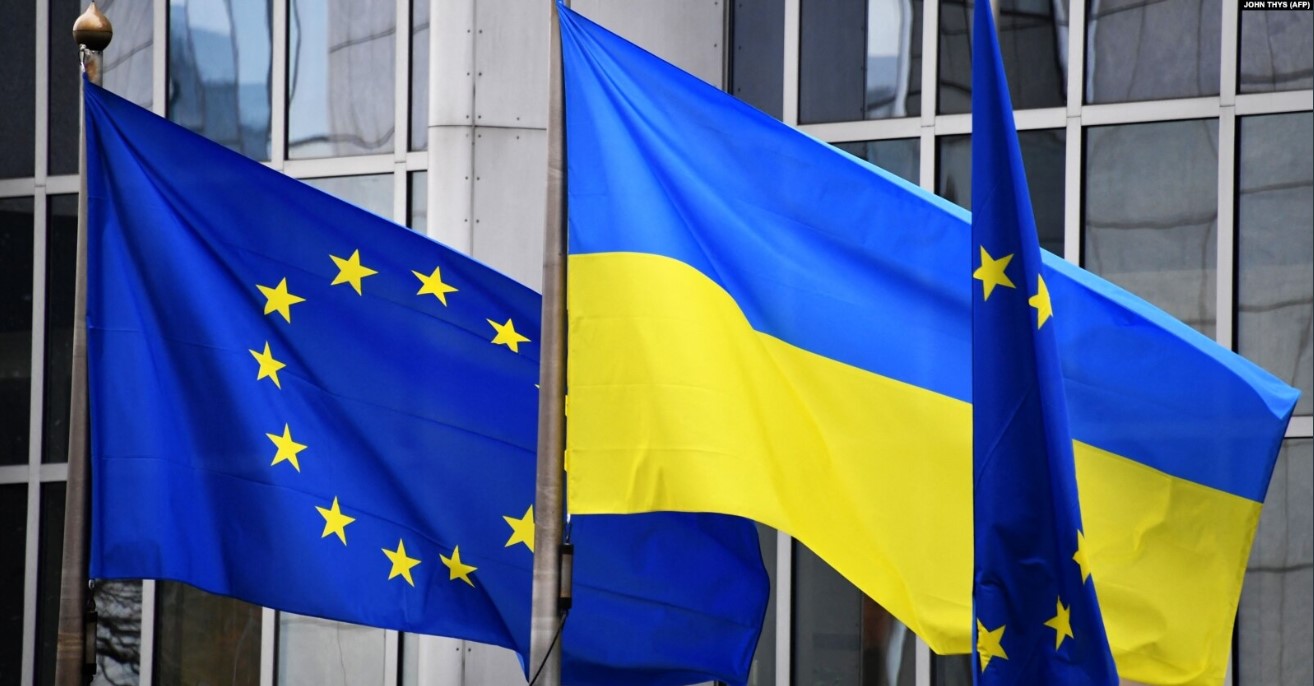
The European Union has recently been promoting legislative initiatives that are not subject to veto, in an attempt to overcome resistance from Hungary and Slovakia, particularly on issues related to support for Ukraine.
This was reported by Euronews, according to Censor.NET.
As the publication notes, at this month's EU summit, the bloc's leaders resorted to a tool that until recently was considered unthinkable: issuing joint debt backed by a joint budget to finance aid to Ukraine. This made it possible to avoid the need for a unanimous decision by all member states.
The EU is increasingly seeking alternatives to the national veto, particularly due to Hungary's policy, which has made this right a key instrument in matters of Ukraine's financing and European integration. To approve joint debt by 24 countries without the participation of Budapest, Prague, and Bratislava, the European Union applied the principle of "enhanced cooperation" provided for in EU treaties.
In addition, the EU recently invoked Article 122 of the Treaty on the Functioning of the EU, which allowed a qualified majority to extend the freeze on Russian assets indefinitely.
Daniel Hegedus, regional director of the German Marshall Fund, told Euronews that EU leaders are openly seeking to circumvent a possible veto by Hungary and Slovakia by putting important decisions to a qualified majority vote. At the same time, he said, this approach is not a "sure thing" either legally or politically.
According to Euronews, since 2011, EU member states have exercised their veto 46 times on 38 issues. Hungary has used its veto most often, 19 times. Poland ranks second with seven vetoes, while Slovakia has blocked two decisions, both this year.
Most EU statements in support of Ukraine were adopted on behalf of the "EU-26" without Hungary's participation, but this does not change the fact that for key decisions requiring unanimity, each member state retains the right of veto.
German Chancellor Friedrich Merz and French President Emmanuel Macron support the idea of changing the rules of voting in the EU, but this requires amendments to the founding treaties, which Hungary is likely to oppose. Against the backdrop of systematic blocking of decisions, Brussels, according to diplomats, is increasingly looking for "creative" legal mechanisms for decision-making.


