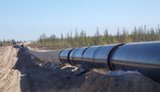
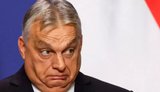
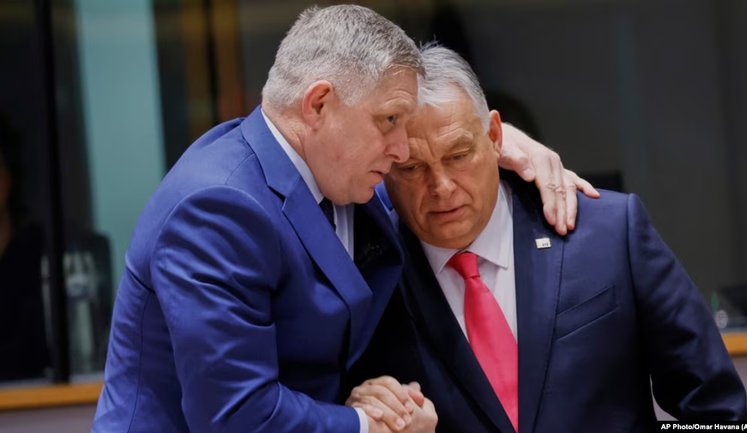
The Druzhba pipeline, a crucial artery for oil transit in Eastern Europe, faces significant disruptions as Russia announces plans to halt oil flows to Germany beginning May 1. This decision follows escalating tensions involving Ukraine, Hungary, and Slovakia over energy politics. While Ukraine initiated testing for oil supplies to Hungary, Hungary's Prime Minister Viktor Orbán is demanding the pipeline's reopening, threatening consequences otherwise. Meanwhile, Slovak Prime Minister Robert Fico's government has expressed dissatisfaction with the EU's handling of the situation, hinting at potential shifts in political alliances. As Ukraine plans repairs, the EU's role remains ambiguous, underscoring the geopolitical complexities surrounding the Druzhba pipeline's future.
What led to Russia's decision to halt oil transit via the Druzhba pipeline?
Russia's decision to halt oil transit through the Druzhba pipeline to Germany is part of a broader geopolitical maneuver amidst ongoing tensions with neighboring countries and within the EU. While official reasons have not been fully disclosed, it's seen as a response to sanctions and political pressures from these entities. This interruption affects energy supplies to significant parts of Europe, further exacerbating the regional energy crisis.
How is Ukraine responding to the halt of oil transit via the Druzhba pipeline?
Ukraine is planning technical tests and intends to resume oil supplies to Hungary via the Druzhba pipeline despite disruptions. Ukrainian President Volodymyr Zelenskyy announced plans for pipeline repairs, emphasizing commitment to regional energy stability. However, tensions with Hungary and Slovakia remain high, with both countries urging the resumption of oil transit, suggesting geopolitical complexities and diplomatic strains in negotiations.
What are Hungary's demands concerning the Druzhba pipeline?
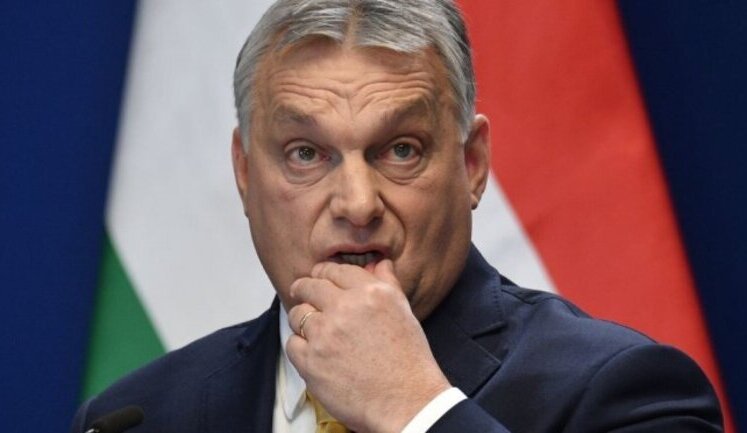
Hungary, under Prime Minister Viktor Orbán, demands the immediate reopening of the Druzhba pipeline for Russian oil supplies. Orbán's administration has expressed readiness to take countermeasures if demands are not met, intensifying diplomatic strains with Ukraine. Hungary argues that the EU's financial decisions should consider Hungary's energy security needs, threatening actions that could affect regional political alignments and energy agreements.
What role is the European Union playing in resolving the Druzhba pipeline issue?
The EU's involvement has been primarily diplomatic, seeking to mediate disagreements between Ukraine and Hungary regarding the Druzhba pipeline. While EU officials have stated that the current shutdown does not threaten energy security, they remain cautious not to enforce directives on Ukraine regarding resuming Russian oil transit. Nonetheless, the EU continues to engage in discussions to avert escalations and find a peaceful resolution.
Why are Slovakia and Hungary united in their stance on the Druzhba pipeline?
Slovakia and Hungary's unified call for resuming oil transit through the Druzhba pipeline stems from shared concerns over energy security and economic impacts. Both countries rely heavily on this pipeline for oil supplies and fear that continued disruptions could harm their economies. The cooperation between these nations reflects a strategic alliance, aiming to leverage collective bargaining power in negotiations with Ukraine and the EU.