ENG




21645 visitors online
Senator Lindsey Graham and the US Senate have pushed forward a bill to tighten sanctions against Russia, citing attacks on American businesses in Ukraine. This move, celebrated by Ukrainian President Volodymyr Zelenskyy, signals strong international support for Ukraine's defense efforts. The sanctions aim to pressure Russia into negotiation and are seen as crucial by the US and the EU, despite some hesitations within Europe over larger sanctions packages. Meanwhile, countries like Canada and the UK continue to enforce strict sanctions to thwart Russia's military and economic activities. As tensions remain high, Ukraine prepares its 22nd sanctions package, emphasizing the global effort to end the war and support Ukrainian sovereignty.
Why are new sanctions being imposed against Russia?
The US Senate, driven by Senator Lindsey Graham, is tightening sanctions to pressure Russia due to its latest attacks on American businesses and continued aggression in Ukraine. Sanctions aim to weaken Russia's war capability and push for diplomatic negotiations.
How does Ukraine perceive the new US sanctions bill?
Ukrainian President Volodymyr Zelenskyy views the new US sanctions as a powerful signal of support, increasing international pressure on Russia and assuring Ukraine of its Western allies' commitment to its sovereignty and defense against aggression.
What is the European Union's stance on the new Russia sanctions?
While the EU discusses altering its sanctions strategy, moving towards targeted measures, there remains a strong consensus that continued pressure is necessary. This ensures Russia feels compelled to negotiate and cease hostilities in Ukraine.
What role does the United Kingdom play in sanctions against Russia?
The UK is committed to imposing additional strong sanctions against Russia, reinforcing its stance by targeting organizations involved in Russian intelligence and military operations. The UK's actions complement those of international partners amidst ongoing global efforts to deter Russia's aggression.
How are American sanctions expected to affect the Russian economy?
With new sanctions in place, Russia may face significant economic strain, particularly in its oil and energy sectors. These measures aim to limit financial inflow and resources available for military expenditures, thereby weakening Russia's ability to sustain its war efforts.
What challenges do European countries face regarding sanction agreements?
European nations are deliberating the balance between broad and targeted sanctions due to differing views on the most efficient approach. The challenge lies in maintaining unity and effectiveness amidst diverse national interests and economic impacts among EU members.
What is the significance of Canada's recent sanctions on Russia?
Canada has imposed additional sanctions on Russia, targeting the defense industry and entities spreading misinformation. This move aligns with broader international efforts to hinder Russia's war capabilities and hold it accountable for actions in Ukraine.
Has the United States changed its strategy regarding Russian oil sanctions?
Despite discussions, the US has opted not to ease oil sanctions, maintaining a strict stance to curb Russia's revenue for military use. This continuity underscores the US commitment to using economic measures to influence Russia's geopolitical behavior.
How might Russia respond to increased sanctions pressure?
Russia may attempt diplomatic channels to relieve pressure, but its efforts are closely monitored to avoid exploitation of situations for military advantage. Continuous vigilance among international actors remains vital to ensure sanctions retain their intended impact.
What are the prospects for future sanctions against Russia?
Future sanctions remain likely as long as Russia’s aggressive actions persist. Global alliances, led by the US and the EU, are committed to adapting measures to ensure maximum pressure is applied, aiming for diplomatic resolutions and peace in Ukraine.
w117_header_alt Sanctions against Russia
 Trump pledges at UN to invoke "Graham Act" on Russia sanctions if needed US President Donald Trump said that he was prepared to use the "Lindsey Graham Act" to impose sanctions against Russia if necessary. 2 202 27 Previously in trend: Sanctions against Russia U.S. sanctions against Russia
 Trump ready to sign passed bill on "hellish sanctions" against Russia – WSJ US President Donald Trump is ready to sign Senator Lindsey Graham’s bill on "hellish sanctions" against Russia, which the US House of Representatives passed the previous day. 4 327 67 Previously in trend: Sanctions against Russia U.S. sanctions against Russia
 Tusk to visit Ukraine on 18 September: meeting with Fico on Russia sanctions being prepared Polish Prime Minister Donald Tusk said he would visit Ukraine on Friday, 18 September, to discuss sanctions against Russia. 796 2 Previously in trend: Sanctions against Russia Tusk visits Ukraine
 China outraged over Graham’s Russia sanctions bill backed by US Congress China’s Foreign Ministry has opposed a bill championed by the late Republican Senator Lindsey Graham and passed by the US House of Representatives. The bill provides for sanctions against third countries that purchase Russian oil and gas. 4 296 28 Previously in trend: Sanctions against Russia U.S. sanctions against Russia
 Easing sanctions against Russia will not lead to peace; pressure must be stepped up, - Zelenskyy President Volodymyr Zelenskyy emphasized that easing sanctions against Russia will certainly not contribute to peace. 546 6 Previously in trend: Sanctions against Russia
 EU sanctions against Russia extended for only seven days – until September 22, not six months The European Union has extended sanctions against Russia for only seven days instead of the usual six months. The restrictions will now expire at midnight on September 22. 3 242 16 Previously in trend: Sanctions against Russia
US Treasury sanctions coordinator joined delegation of special envoys in Moscow, – Axios During the visit to Moscow by U.S. President’s special envoys Steve Witkoff and Jared Kushner, the U.S. delegation included Gene Lang, who is temporarily leading the coordination of sanctions policy at the U.S. Department of the Treasury. 3 592 18 Previously in trend: Sanctions against Russia
US House of Representatives slows down sanctions against Russia: fears of rising oil prices, - media A U.S. bill to tighten sanctions against Russia, which was previously approved by the Senate, may be postponed until the November midterm elections. 2 352 27 Previously in trend: Sanctions against Russia US sanctions
 EU will tighten visa restrictions on Russians and may ban combatants from entering, - Kallas Most European Union member states support tighter visa restrictions for Russian tourists and a ban on entry to the EU for former Russian combatants. 989 10 Previously in trend: Sanctions against Russia
 UK has doubled fines for breaching sanctions against Russia – to 100 per cent of transaction value The UK is stepping up financial pressure on Russia and those who help it circumvent sanctions. The maximum fine for breaching the restrictions can now be up to 100 per cent of the value of the transaction – twice as much as before. 810 5 Previously in trend: Sanctions against Russia
EU is preparing most extensive package of sanctions against Russia since start of war, - Kallas In the coming months, the European Union plans to significantly expand sanctions against Russia. 3 623 22 Previously in trend: Sanctions against Russia
 Switzerland has expanded sanctions against Russia: for first time, representatives of industrial and defense sectors have been subject to restrictions The State Secretariat for Economic Affairs (SECO) of Switzerland has imposed new sanctions against Russia for its war against Ukraine; in particular, representatives of the Russian industrial and defense sectors have been targeted by the restrictions for the first time. 457 1 Previously in trend: Sanctions against Russia
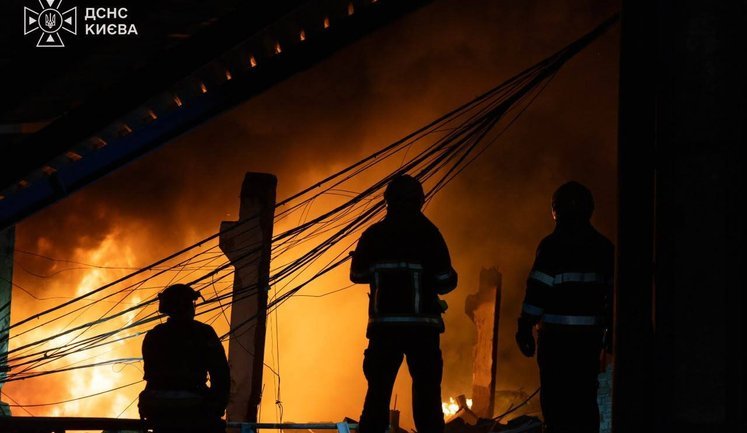
 Moscow is preparing for escalation, – Zelenskyy responds to Russia’s overnight strikes on Zaporizhzhia and Kyiv. PHOTOS Work has been ongoing since last night to clear up the aftermath of the Russian strike in Zaporizhzhia. 2 747 31 Previously in trend: Sanctions against Russia Russian attack on Zaporizhzhia Missile and drone attack on Kyiv
 Great Britain expanded sanctions against Russia: banks, companies and ships on list London has imposed a new package of sanctions against Russia. The restrictions target the banking sector, defense and energy companies, as well as tankers transporting Russian oil and LNG. 462 4 Previously in trend: Sanctions against Russia
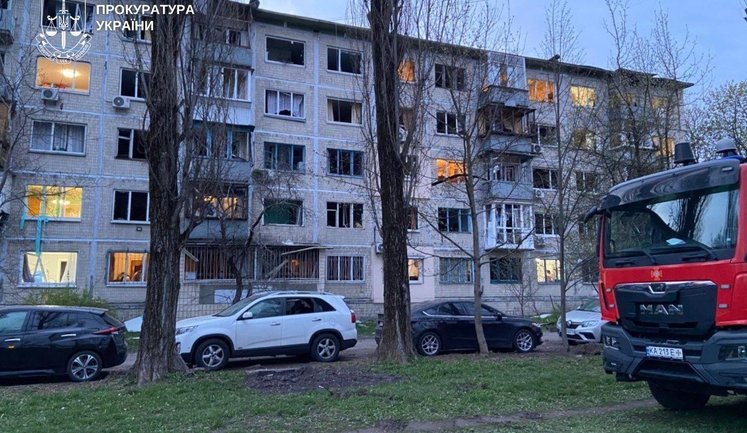
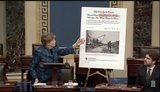 Photo of Philip Morris factory in Kharkiv shown in US Senate as evidence of Russian attacks on American businesses During the US Senate’s consideration of Senator Lindsey Graham’s bill to tighten sanctions against Russia, Senator Jeanne Shaheen cited the strike on the Philip Morris factory in Kharkiv as an example of Russian attacks on American businesses in Ukraine. 82 0 Previously in trend: Sanctions against Russia U.S. sanctions against Russia
 Stubb on Graham-Blumenthal sanctions: Tide of war is turning in Ukraine’s favor The President of Finland, Alexander Stubb, emphasised that for some time now the tide of the war has been turning in Ukraine’s favour. 857 0 Previously in trend: Sanctions against Russia
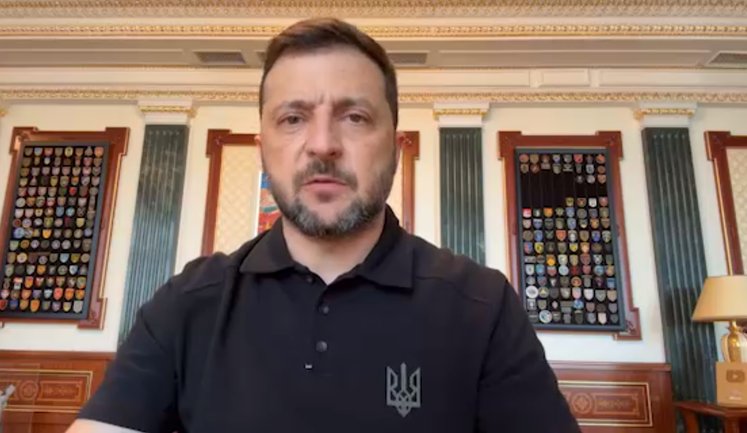
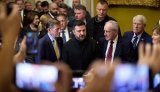 Powerful signal for Europe, - Zelenskyy on US sanctions bill against Russia According to Volodymyr Zelenskyy, the sanctions bill against Russia initiated by Senator Lindsey Graham will not only increase pressure on the aggressor country but will also send a clear signal to European partners and provide strong support for Ukraine. 2 188 15 Previously in trend: Sanctions against Russia
 "Your days of war are numbered": US Senate has explained how new sanctions will force Putin to negotiating table The US senators who drafted and voted in favour of the sanctions bill against Russia during the first procedural vote are convinced that the initiative passed by Congress will become an effective lever of pressure, forcing the Kremlin to come to the negotiating table and halt hostilities. 14 679 32 Previously in trend: Sanctions against Russia
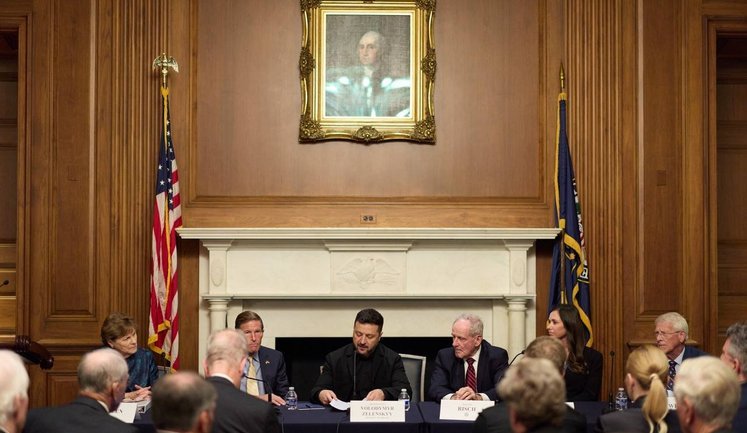
 US Senate has taken first step towards sanctions against Russia and Iran: Zelenskyy was present during vote. PHOTOS The US Senate held its first procedural vote on a bill imposing sanctions against Russia and Iran, which Republican Senator Lindsey Graham had been working on for over two years. Ukrainian President Volodymyr Zelenskyy was present in the US Senate during the vote count. 4 845 22 Previously in trend: Sanctions against Russia
 US senators agree on new sanctions against Russia: largest oil buyers could be targeted – Bloomberg A bipartisan agreement has been reached in the US Senate on a bill that paves the way for new sanctions against Russia and Iran. The legislation would allow President Donald Trump to impose restrictions on the largest importers of Russian oil and gas. 2 227 17 Previously in trend: Sanctions against Russia Sanctions against Iran
EU may abandon large-scale sanctions against Russia, - FT Brussels is reviewing its sanctions strategy. The European Union is considering changing its approach to imposing sanctions against Russia, moving away from large packages of restrictions in favor of smaller, targeted measures. 2 149 12 Previously in trend: Sanctions against Russia
 Russia may feign diplomacy to derail new sanctions decisions by Ukraine’s allies, - Sybiha Ukraine’s Foreign Minister Andrii Sybiha has called for vigilance regarding Russia’s attempts to use diplomacy as a pretext to thwart new sanctions imposed by Ukraine’s allies. 731 3 Previously in trend: Sanctions against Russia
 Ukraine begins preparations for 22nd sanctions package against Russia, Vlasiuk says Ukraine is already working on a new, 22nd package of sanctions against Russia. 845 11 Previously in trend: Sanctions against Russia
 EU has once again failed to agree on 21st package of sanctions against Russia, - media On Wednesday, 15 July, the Committee of Permanent Representatives of the EU (Coreper) was unable to reach a decision on the adoption of the EU’s new, 21st package of sanctions against Russia. Discussions are ongoing. 1 272 11 Previously in trend: Sanctions against Russia EU sanctions against Russia
 US Senate has called for immediate vote on Graham’s bill on sanctions against Russia A bill has been tabled in the US Senate that would significantly increase sanctions pressure on Russia. One of its main proponents was Republican Senator Lindsey Graham. 2 795 6 Previously in trend: Sanctions against Russia
EU ambassadors have failed to agree on 21st package of sanctions against Russia, - media At its meeting in Brussels on 14 July, the Committee of Permanent Representatives of the EU Member States (Coreper) was unable to reach a consensus and approve a new, 21st package of sanctions against the Russian Federation. 2 968 13 Previously in trend: Sanctions against Russia EU sanctions against Russia
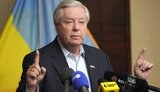 White House agrees to support bill on new US sanctions against Russia – Senator Graham US Senators Lindsey Graham and Richard Blumenthal have reached an agreement with the White House on their version of a bill imposing sanctions on Russia and countries that purchase Russian oil. 2 292 7 Previously in trend: Sanctions against Russia U.S. sanctions against Russia
 Canada has imposed new sanctions on Russia: 162 individuals and companies are now subject to restrictions Canada has stepped up sanctions pressure on Russia by imposing new restrictions on the shadow fleet, the energy sector, the defence industry and entities involved in spreading disinformation. 430 1 Previously in trend: Sanctions against Russia
 EU has imposed new sanctions against Russia’s defence industry and shadow fleet Today, 15 June, the EU Council adopted a series of restrictive measures to counter Russia’s war of aggression against Ukraine. 1 812 4 Previously in trend: Sanctions against Russia EU sanctions against Russia
Britain is preparing new strong sanctions against Russia, - Sybiha Ukrainian Foreign Minister Andrii Sybiha stated that the United Kingdom is preparing new, strong sanctions packages against Russia. 751 8 Previously in trend: Sanctions against Russia
 Russia cannot be normalized after attacks on Kyiv, - Zelenskyy Ukraine is calling for increased pressure on Russia following a missile strike on Kyiv that killed civilians, including children. There is a need for enhanced support for air defense and anti-ballistic systems. 2 151 24 Previously in trend: Sanctions against Russia Support for Ukraine Massive combined attack
 Canada expands sanctions against Russia over abduction of Ukrainian children Canada has announced an expansion of sanctions against individuals and organizations involved in the abduction and deportation of Ukrainian children. 502 2 Previously in trend: Sanctions against Russia Abduction of children by Russia
UK has imposed sanctions on Russia over abduction of Ukrainian children The United Kingdom has imposed sanctions on 85 individuals and organizations involved in the deportation, indoctrination, and militarization of Ukrainian children. The sanctions also target individuals involved in recent attempts to interfere in the upcoming elections in Armenia. 508 4 Previously in trend: Sanctions against Russia
 Britain to join EU’s €90 billion programme for Ukraine The UK plans to join a major European lending initiative to support Ukraine and strengthen defence cooperation. 1 622 11 Previously in trend: Sanctions against Russia Aid to Ukraine
 Easing US oil sanctions against Russia is mistake, - Volker Former U.S. Special Representative for Ukraine Kurt Volker believes that easing oil sanctions could temporarily strengthen Russia’s economic capabilities. 1 380 16 Previously in trend: Sanctions against Russia U.S. sanctions against Russia
 Ukraine steps up work with partners to synchronize sanctions, including on Russia’s "shadow grain fleet", Zelenskyy says President Volodymyr Zelenskyy held a meeting with Foreign Minister Andrii Sybiha on work with partners to synchronize sanctions and other contacts. 574 8 Previously in trend: Sanctions against Russia Russia’s shadow fleet
 US ends exemptions for Russian and Iranian oil, - Bessent The US does not plan to extend the exemption allowing the purchase of Russian oil and petroleum products currently in transit at sea. Furthermore, an extension of the one-off exemption for Iranian oil currently in transit at sea is completely out of the question. 11 596 21 Previously in trend: Sanctions against Russia Russian oil exports
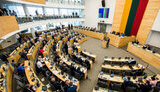 Lithuanian Seimas extends sanctions against citizens of Russia and Belarus and approves new military training ground The Lithuanian Seimas extended sanctions against citizens of Russia and Belarus until 2027 and approved the construction of a new military training ground in the Suwalki Corridor. 732 2 Previously in trend: Sanctions against Russia
 Implementation of agreement with EU on unblocking 90 billion euros for Ukraine and new sanctions package against Russia is already underway, Zelenskyy says The implementation of our agreement with the European Union on unblocking a support package for Ukraine worth 90 billion euros over two years, as well as a new package of sanctions against Russia over this war, is now effectively already underway. 2 356 25 Previously in trend: Sanctions against Russia Aid to Ukraine from Europe
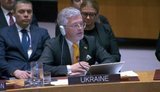 Ukraine calls for new sanctions against Russia at UN Ukraine’s Permanent Representative to the UN, Andrii Melnyk, has called on the US and Europe to tighten sanctions in the energy sector and to support a ceasefire. 1 379 8 Previously in trend: Sanctions against Russia
 Easing sanctions gives Russia $10 billion for new strikes on Ukraine, - Zelenskyy. VIDEO Volodymyr Zelenskyy stated that easing sanctions against Russia does not reflect the reality of the war. According to him, in just one week, Russian forces have deployed thousands of attack drones, guided bombs and missiles against Ukrainian cities. 1 831 20 Previously in trend: Sanctions against Russia Massive combined attack
 US has lifted sanctions on three ships flying Russian flag The United States has lifted sanctions against three container ships flying the Russian flag. 3 395 30 Previously in trend: Sanctions against Russia U.S. sanctions against Russia
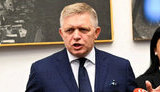 Fico threatens European Commission with blocking sanctions against Russia over "Druzhba": EC has done nothing to force Zelenskyy to take action Slovak Prime Minister Robert Fico has stated that the European Commission should forget about Slovakia’s support for the 20th package of sanctions against Russia if it "intends to continue prioritising Ukraine over Slovakia". 5 574 60 Previously in trend: Sanctions against Russia Robert Fico’s statements on Ukraine Oil transit via Druzhba pipeline
 Ukraine has imposed sanctions against companies and citizens of Russian Federation and Iran that serve Russian defence industry The President of Ukraine, Volodymyr Zelenskyy, has signed a decree implementing the decision of the National Security and Defence Council of Ukraine to impose sanctions on Russian and Iranian companies and citizens serving Russia’s military-industrial complex. 1 075 7 Previously in trend: Sanctions against Russia Supply of foreign components for Russian military intustry Sanctions against Iran Ukrainian sanctions against Russia
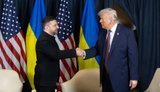 Zelenskyy wants to meet with Trump: there are some issues that remain unresolved Ukrainian President Volodymyr Zelenskyy stated that it is time to meet with U.S. President Donald Trump, as there are many issues that need to be discussed, while "some issues remain unresolved." 4 097 86 Previously in trend: Sanctions against Russia
 Zelenskyy: Russia, not world, will benefit from lifting oil sanctions The money Russia earns from oil exports will be funneled into the war effort, specifically into the production of drones that could end up in the Middle East and be used against the United States and its allies. 1 574 19 Previously in trend: Sanctions against Russia
 US decision to ease sanctions against Russia is wrong, - Merz German Chancellor Friedrich Merz, commenting on the U.S. decision to lift oil sanctions against Russia, called it a mistake. 1 927 19 Previously in trend: Sanctions against Russia
 UK will not ease sanctions against Russia like US did - Energy Minister Shanks The United Kingdom will not follow the US example in easing sanctions on Russian oil. 630 0 Previously in trend: Sanctions against Russia
Page 1 of 36
more news