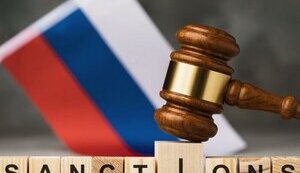
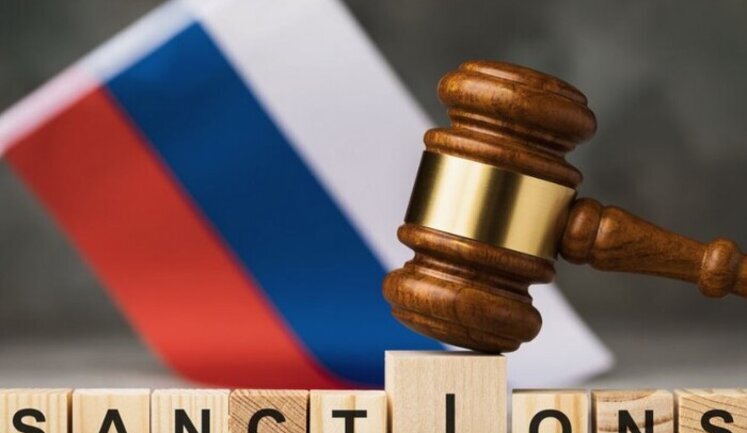
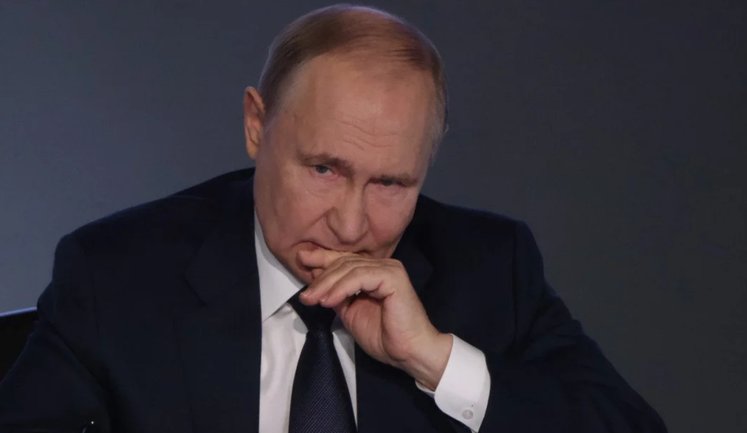
The lifting of sanctions against Russia has sparked significant discussions across various political and economic spheres. Recent reports indicate a substantial increase in Russia's oil revenues, with figures showing $12.8 billion earned in oil taxes during April, suggesting a doubling from previous months. This surge underscores the impact that easing sanctions might have on the global oil market and geopolitical stability. Meanwhile, differing opinions about the sanctions’ easing emerge: US Democratic senators urge continued restrictions, whereas President Volodymyr Zelenskyy argues for reimposition. Additionally, the US Treasury has lifted sanctions from some Russian-affiliated entities, but European leaders like French President Emmanuel Macron and Czech Foreign Minister Petr Macháček maintain a stance against easing the sanctions. The anticipated policies from the Trump administration and EU decisions will further shape the global political landscape amid ongoing debates on the strategic implications of these economic measures.
What impact have lifting sanctions had on Russia's economy?
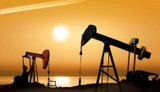
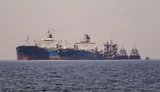
Lifting sanctions has significantly boosted Russia's economy, especially in the oil sector. In April alone, Russia's oil tax revenue reached $12.8 billion, more than doubling the amount from March and increasing daily income by over $100 million. This financial boost has major implications for Russia's economic strength and its global trade relations, especially in energy exports.
Why are some US senators opposing the lifting of sanctions?
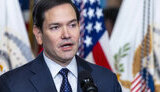
Several Democratic senators in the US Congress oppose the lifting of sanctions against Russia because they believe it could undermine US foreign policy objectives and embolden Russian tactics, particularly regarding their actions in Ukraine. They argue that maintaining restrictions is crucial for holding Russia accountable for geopolitical actions and ensuring international stability.
What is the current US administration's stance on Russian sanctions?
The Trump administration appears inclined to extend waivers on Russian oil, allowing countries to continue purchasing Russian petroleum products. However, this decision is met with domestic and international debate, affecting US relations with both allies and adversaries in complex geopolitical contexts.
How are European countries reacting to the lifting of sanctions?
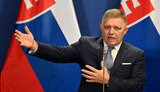
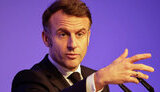
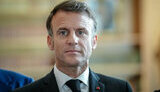
European countries display a range of reactions, with leaders like French President Emmanuel Macron and Czech Foreign Minister Petr Macháček advocating against easing sanctions, citing ongoing war concerns. Conversely, some European leaders like Slovakian Prime Minister Robert Fico express willingness to block additional sanctions if they negatively impact national interests, highlighting a division in the EU's stance.
What are Ukraine's views on lifting sanctions against Russia?
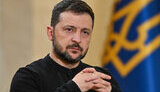
Ukrainian leaders, including President Volodymyr Zelenskyy, consistently express the perspective that sanctions against Russia should not be lifted while the conflict persists. They argue that these measures are necessary to pressure Russia into altering its aggressive policies and play a critical role in supporting Ukraine's position on the international stage.