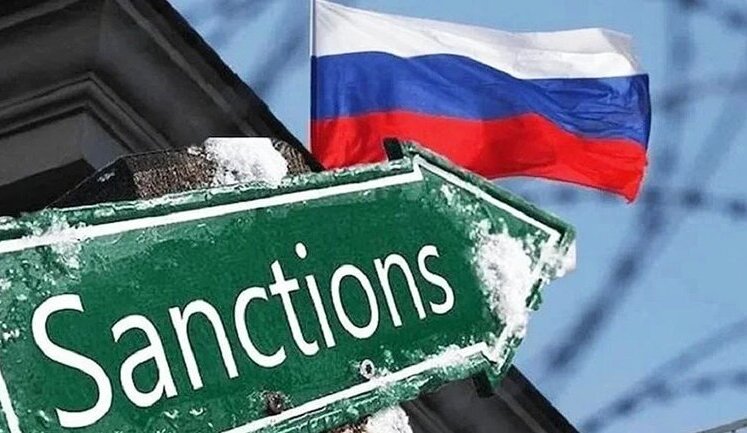
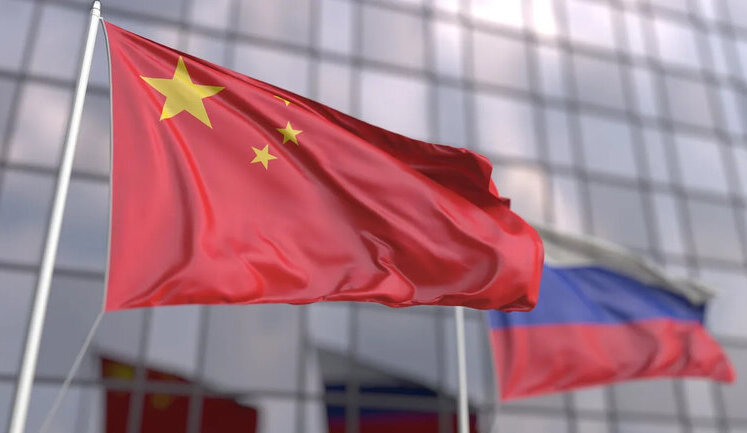
Sanctions circumvention has become a pressing issue as Russia collaborates with Vietnam to bypass oil price caps, ensuring $75 per barrel rates. Despite Western sanctions, Russian tankers traverse the Baltic Sea, carrying billions in oil. The Czech Republic is investigating companies for allegedly supplying sanctioned goods to Russia via third countries. Alarmingly, China is implicated as accounting for 80% of these circumvention routes, a claim it denies. Amid these schemes, Finnish Foreign Minister Valtonen highlights the severe costs Russia incurs to evade sanctions, affecting its economy significantly. These developments underscore the complex global dynamics in play.
How are Russia and Vietnam circumventing oil sanctions?
Russia and Vietnam have devised a scheme to bypass oil price caps, allowing Russia to sell oil at a minimum of $75 per barrel, thus circumventing international sanctions effectively. This collaboration highlights the strategic partnerships Russia is forming to maintain its oil revenue against global restrictions.
What role do Baltic companies play in Russian oil sanctions evasion?
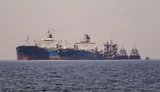
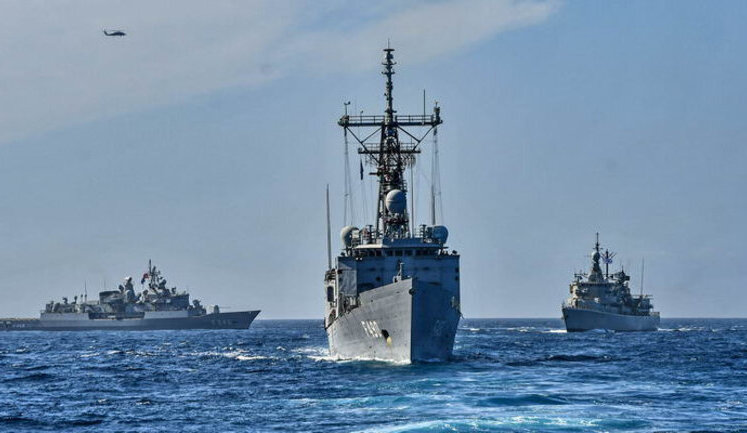
Baltic companies facilitate the transport of Russian oil through the Baltic Sea, despite stringent Western sanctions. This daily movement involves billions of dollars worth of oil, illustrating the challenges in enforcing international trade restrictions and the complexities of regional cooperation.
Why is the Czech Republic investigating local companies regarding sanctions?
The Czech Republic is investigating local companies for potentially violating sanctions by supplying goods to Russia through intermediaries in third countries, such as Serbia. This inquiry stems from customs data and Ukrainian government reports, highlighting the need for strict enforcement of international trade laws.
How significant is China's involvement in sanctions circumvention?
China, including Hong Kong, is allegedly responsible for 80% of the routes used to circumvent sanctions against Russia. Although China denies these allegations, their significant involvement raises concerns about global enforcement of sanctions and international diplomatic relations.
What are the financial implications for Russia in bypassing sanctions?
According to Finnish Foreign Minister Elina Valtonen, Russia faces significant financial costs in its efforts to circumvent Western sanctions. The expenses incurred not only affect Russia's economy but also highlight the growing complexity and reach of its global sanction circumvention strategies.