ENG




6142 visitors online
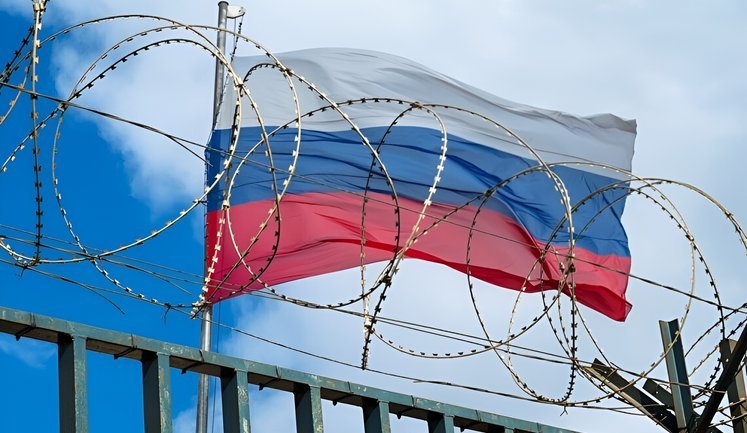
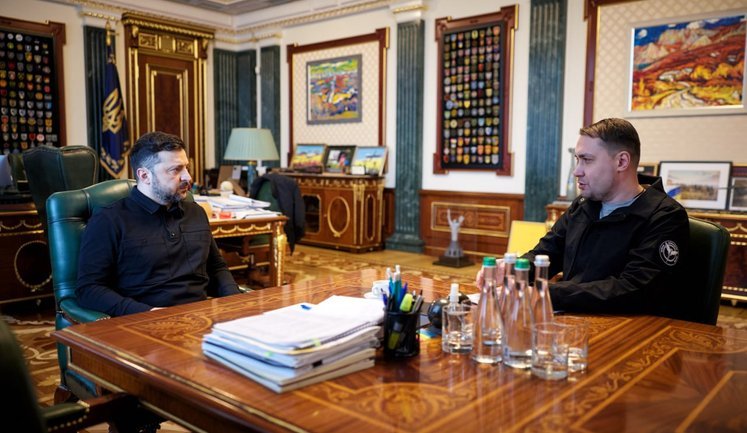
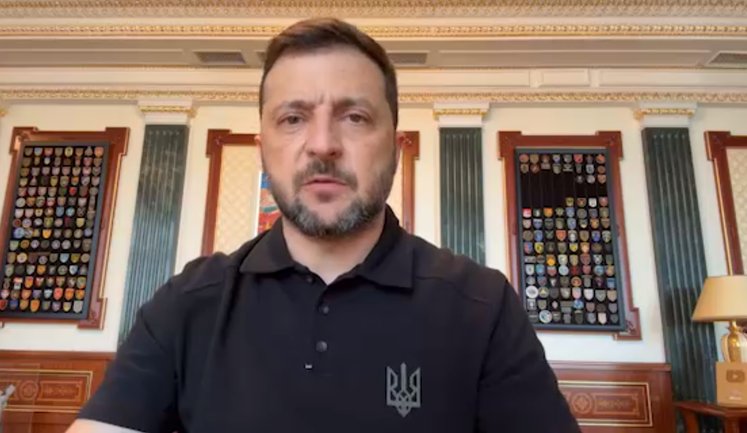
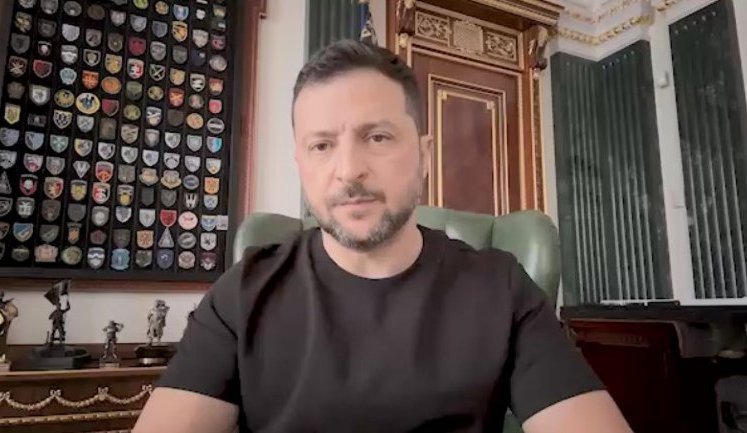
Sanctions against Russia remain a significant topic on the global stage. Ukraine's Permanent Representative to the UN, Andrii Melnyk, has urged the US and Europe to tighten sanctions in the energy domain to pressure Russia into a ceasefire. Meanwhile, Ukrainian President Volodymyr Zelenskyy emphasized that easing sanctions contradicts the grim realities of war, as Russia continues its aggressive campaigns with advanced weaponry. The United States' recent decision to lift sanctions on some Russian vessels has sparked debate, with leaders like German Chancellor Friedrich Merz criticizing the move, while others like UK Energy Minister Shanks maintain a firm stance against easing restrictions. As the European Union prepares to implement its 20th sanctions package, countries like Slovakia express dissent, highlighting the complex dynamics within the bloc. As sanctions impact Russia's economy, strategies evolve to maintain global security.
How have sanctions against Russia affected Ukraine's position?
Sanctions have been critical in supporting Ukraine by economically pressuring Russia. Ukrainian leaders emphasize the importance of maintaining and enhancing these sanctions to weaken Russia's war capabilities and bolster Ukraine's defense. Recent discussions at the UN highlight calls for tightening these measures, focusing on sectors like energy to reduce Russia's military advantage.
Why are some countries opposing the easing of sanctions on Russia?
Countries like Germany and the UK resist easing sanctions due to the ongoing conflict in Ukraine and the unyielding aggression from Russia. Leaders argue that easing sanctions would provide Russia with economic relief, undermining international efforts to curb its military operations and potentially enabling further aggression.
What role does the European Union play in sanctioning Russia?
The European Union plays a pivotal role by coordinating and implementing sanctions across member states. With packages targeting critical sectors like energy and finances, the EU aims to apply sustained economic pressure on Russia, seeking to bring about a peaceful resolution to the war in Ukraine through diplomacy and economic leverage.
How do sanctions impact global energy markets?
Sanctions on Russia's energy exports have significant implications for global markets. As one of the largest oil producers, restrictions can tighten global supply, influencing oil prices. Countries like China have adjusted by increasing imports from Russia, while Western nations explore alternative energy partnerships and supply diversification to mitigate disruptions.
What are the economic consequences of sanctions on Russia?
Sanctions induce severe economic pressures on Russia, potentially leading to budget deficits and decreased revenues from exports, particularly in the energy sector. These restrictions aim to suffocate funding for Russia's military operations, forcing the country to reconsider its foreign policy due to financial strains and diplomatic isolation.
Related TOP news Sanctions against Russia
 Russian social media Odnoklassniki and VKontakte to be banned in Ukraine President of Ukraine Petro Poroshenko has enacted the decision by the National Security and Defense Council of Ukraine (NSDC) on implementing sanctions against social media websites VKontakte and Odnoklasniki. The presidential decree has been published on the head of state's website. 506 720 3 002 Previously in trend: Sanctions against Russia
 Europe wins from countersanctions by Russia, European Commission says Europe has not suffered from the agricultural embargo imposed by Russia on food deliveries from Western countries. It has also increased volumes of food exports by 5 percent. This amounted to 105.6 billion EUR, which is by 4.8 billion more than over the period from August 2013 to May 2014. 171 577 1 784 Previously in trend: Sanctions against Russia
 Putin Prohibited Import of Goods from Countries that Have Imposed Sanctions Against Russia Russian President Vladimir Putin signed a decree "On the application of separate special economic measures to ensure the security of the Russian Federation." 141 797 1 519 Previously in trend: Sanctions against Russia
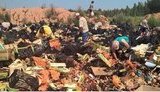 "This would make excellent bathtub gin!" - Russians prowl food destruction sites, pick remains of fruits. PHOTOS Residents of Krasnino district of the Smolensk region, Russian Federation take bags full of fruits from a landfill where food banned by sanctions has been destroyed. 172 286 1 415 Previously in trend: Sanctions against Russia
 US Introduces New Sanctions Against Russia including its Largest Companies Largest Russian companies became the subject of US sanctions. 270 427 1 313 Previously in trend: Sanctions against Russia
 Russia must suffer economic losses for violations of the Minsk agreements – Poroshenko The EU sanctions should be prolonged until the Mink Agreements are fulfilled. 76 287 1 290 Previously in trend: Sanctions against Russia
 "Black Tuesday" in Russia": Russians stormed stores getting rid of rubles. PHOTOS Russians are in a hurry to get rid of rubles. While some are trying to purchase foreign currency, others storm stores. People buy whatever they can before repricing, mainly home appliances, food, and clothing. 390 954 1 228 Previously in trend: Sanctions against Russia
 Russia’s Deputy Prime Minister Rogozin publicly threatened EU: "Tanks do not need visas" Deputy Prime Minister Dmitry Rogozin directly threatened the European Union in response to the sanctions and visa bans, saying that "the tanks do not need visas." 216 905 1 091 Previously in trend: Sanctions against Russia
 EU Lifts Sanctions Against Iran's Main Oil Tanker European Union sanctions on Iran's main oil tanker firm NITC have been annulled after the EU did not appeal against a court ruling that the measures should be lifted, the shipping group's lawyer said on Tuesday. 273 135 1 087 Previously in trend: Sanctions against Russia
U.S. expands sanctions against Russia US updated sanction lists by a number of businesses and individuals. 179 058 1 066 Previously in trend: Sanctions against Russia
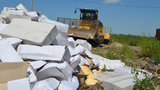 "There was a truckful of cheese. It was smashed by a 45-ton road roller," – food is savagely destroyed in Russia. PHOTOS+VIDEO The first batch of food banned by Russian counter sanctions was destroyed in the Belgorod region of the Russian Federation today: at least 10 tons of cheese, which importation to Russia had been prohibited, was crushed by bulldozers on domestic solid garbage dump. 176 135 1 066 Previously in trend: Sanctions against Russia
 Russia closes airspace to Ukrainian aircraft effective Oct. 25 Russia's Transport Ministry has instructed the Federal Air Transport Agency to notify Ukrainian airlines of closing Russian airspace effective Oct. 25. 151 476 1 030 Previously in trend: Sanctions against Russia
OPEC's Decision Triggered Fall of Ruble to New Historic Low US dollar and euro rate reached absolute maximum today during Moscow stock exchange evening trading due to OPEC's decision not to reduce oil production quotas. 217 174 1 015 Previously in trend: Sanctions against Russia
 New retaliatory sanctions discussed in Russia - European flowers and chocolate may be banned The extension of the food embargo to flowers and chocolate could favor Russian producers, Rosselkhoznadzor Deputy Head Alexey Alekseyenko said. 89 920 968 Previously in trend: Sanctions against Russia
US Wants to Subdue Russia But They Will Not Succeed, Putin Says Russian President Vladimir Putin says the United States does not want to humiliate Russia, but subdue it, however no one managed it and no one will. 122 255 930 Previously in trend: Sanctions against Russia
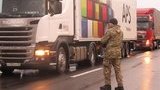 Zakarpattia region activists block Russian trucks heading for Europe. PHOTOS Activists have launched an indefinite blockade of Russian trucks at the entrance to the Zakarpattia region. 186 808 925 Previously in trend: Sanctions against Russia
 European Union Agreed on Third Tier Sanctions Against Russia European Union governments reached a deal on Tuesday to impose economic sanctions against Russia, targeting its oil industry, defence, dual-use goods and sensitive technologies. 233 722 919 Previously in trend: Sanctions against Russia
 Ukraine Considers Russian Gas Transit Ban - Yatsenyuk Ukraine may prohibit the transit of Russian gas through its territory. 155 267 900 Previously in trend: Sanctions against Russia
Russia can take no notice of another year of sanctions, - Bloomberg Russia can pay no regard to sanctions for another year, at least from the standpoint of bond market. 93 247 900 Previously in trend: Sanctions against Russia Economic disaster
Culprits in the Donbas troubles are the ones who imposed sanctions on Russia, Putin says Russian President Vladimir Putin says he believes those who initiated sanctions against Russia are responsible for the conflict in Ukraine. 105 473 887 Previously in trend: Russian aggression against Ukraine Sanctions against Russia
 Russia will not release Savchenko and will not let PACE delegation to visit her - Pushkov The contacts of PACE representatives with Savchenko became impossible after Russia's decision to cut off ties with the Assembly. 129 185 871 Previously in trend: Sanctions against Russia
 "Sanctions and cease-fire - this is what has been nearly disrupted by my political opponents," - Poroshenko commented on events in Parliament Today, at the NSDC meeting headed by the president, the parties discussed the expansion of special economic sanctions and other restrictive measures against the aggressor. 78 671 855 Previously in trend: Sanctions against Russia
Kremlin Threatens Retaliatory Sanctions Against EU - Ban on Imported Cars and Clothes Russia threatens to impose counter sanctions against the European Union. 91 233 855 Previously in trend: Sanctions against Russia
Putin Believes Western Pressure Will not Succeed and Reminds US That a Discord Between Two Nuclear Powers is Fraught with Consequence Russian President Vladimir Putin believes that the sanctions pressure from the West and the attempts to isolate Russia in connection with the situation in Ukraine will not take effect but only complicate the dialogue, including the one on the Ukrainian issue. 95 525 836 Previously in trend: Sanctions against Russia
 US might lift sanctions against Russia in case of complete cease-fire in the east of Ukraine - Kerry U.S. Secretary of State John Kerry does not rule out lifting of sanctions against Russia in future. 86 979 809 Previously in trend: Sanctions against Russia
Several Australian Officials Did Not Shake Hands with Putin Before Start of G-20 Not all Australian officials greeted the Russian leader Vladimir Putin upon his arrival in Brisbane. 270 754 786 Previously in trend: Sanctions against Russia
Russian tourists buy up artisanal cheeses in Europe's airports, - The New York Times Some Russians miss their Australian rib-eye, others their Norwegian salmon, still others their Italian pasta, but it’s cheese that most yearn for. Its absence from the dinner table is a singular symbol of the new time — the time of Russia’s war with the West. 83 813 777 Previously in trend: Sanctions against Russia
 Canada announced additional sanctions against Russia Additional economic sanctions and travel bans against three Russian individuals, and economic sanctions against 14 Russian entities, as well as an import/export ban covering illegally-occupied Crimea were introduced on Monday, June 29. 116 129 764 Previously in trend: Sanctions against Russia
French Senate calls on government to ease sanctions against Russia French Senate, the upper house of the National Assembly adopted a resolution with amendments calling the government for a gradual scaling down of the EU’s sanctions imposed against Russia on Wednesday. However, the resolution provides for maintaining restrictions until full implementation of the Minsk agreements. 100 904 747 Previously in trend: Sanctions against Russia
 London broke off almost all political contacts with Moscow, - Russian Ambassador to Great Britain Political ties between London and Moscow have been severed at the initiative of the British side in the wake of the events in Syria and Ukraine. 179 216 742 Previously in trend: War in Syria Russian aggression against Ukraine Sanctions against Russia
 Cabinet banned Russian airlines from Ukraine, - Yatseniuk In accordance with National Security and Defense Council decision, the Cabinet of Ministers bans Russian airlines, primarily Aeroflot and Transaero, from Ukraine. 96 782 736 Previously in trend: Sanctions against Russia
 UK defense minister: Putin’s new aggression could spark war with NATO forces British Defense Secretary Michael Fallon warned that Vladimir Putin was playing a ‘provocative and dangerous’ game by ordering Russian Bear bombers to fly over British waters. 201 431 734 Previously in trend: Sanctions against Russia
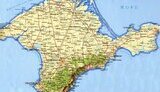 EU introduces new sanctions against Russian Federation for annexation of Crimea The Council of the European Union at the level of Foreign Ministers decided to extend the restrictive measures through the illegal annexation of Crimea and Sevastopol. 119 746 709 Previously in trend: Occupation of Crimea Sanctions against Russia
White House Recognizes Efficiency of the US and the EU Sanctions Against Russia Washington admits that the sanctions imposed on the Russian Federation have a significant negative effect on the Russian economy proving that current policy is successful. 49 919 698 Previously in trend: Sanctions against Russia
France Blocked Access on Mistral Board for Russian Sailors - Media A Russian Navy ship’s company was denied access on board the Mistral helicopter carrier Monday, which is now in the port of Saint-Nazaire. 86 152 687 Previously in trend: Sanctions against Russia
It is Too Early to Introduce Additional Sanctions Against Russia - Merkel German Chancellor Angela Merkel believes it is too early to impose additional sanctions against Russia in connection with the crash of the Boeing 777. 94 183 682 Previously in trend: Sanctions against Russia Russian terrorists downed MH17
 EU and G7 Threaten Russia with New Sanctions G7 member states and the European Union announced their intention to impose new sanctions against Russia in the case of non-compliance with the Minsk agreements. 81 913 681 Previously in trend: Sanctions against Russia
 Russian economy has substantially deteriorated - White House Falling oil prices and sanctions of the West are the main reasons for the deterioration of the Russian economy. Only the full implementation of the Minsk agreements can lead to lifting sanctions from the Russian Federation. 107 412 669 Previously in trend: Sanctions against Russia Economic disaster
 Ovsyannikov's propagandist in West presses pity and asks to lift sanctions for Russians: "There is no sugar on store shelves" Russian propagandist Marina Ovsyannikova, who went live with an anti-war poster on Channel One, called sanctions against Russia over the war in Ukraine "Russophobia" and asked Western countries to lift them. 57 657 660 Previously in trend: Sanctions against Russia
 Putin suspends Russia-US plutonium disposition accord, names conditions for renewal Russian President Vladimir Putin has signed a decree suspending the 2010 agreement under which sides commit to destroy tonnes of weapons-grade material. Russian side named Washington not implementing it and current tensions in relations between the two countries as reasons behind the suspension. 198 096 657 Previously in trend: Sanctions against Russia
EU's Punishment for Putin: Fall of Prices for Energy Resources Will Hurt Russia Much More than Sanctions The West has to respond to the Russia's open aggression against Ukraine with the actions aimed at reducing energy costs and eliminate the Russian ruble from international financial transactions. 210 954 656 Previously in trend: Sanctions against Russia
Obama imposed new sanctions against Russia U.S. President Baraсk Obama issued an Executive Order (E.O.) imposing new sanctions against Russia. Washington intends to block property of certain persons and prohibit certain transactions with respect to the Crimea region of Ukraine. 114 471 654 Previously in trend: Occupation of Crimea Sanctions against Russia
 Russia will hold responsibility for violating cease-fire - Psaki The U.S. Department of State confirmed that Russia would face consequences for violation of the cease-fire by the terrorists it supports. The decision on it will be made later. 83 381 643 Previously in trend: Sanctions against Russia
White House convenes the leadership of UK, Germany, France, and Italy to discuss sanctions against Russia Representatives of Italy, France, UK, and Germany to hold meeting on sanctions against Russia in the White House on Thursday, convened on the initiative of U.S. National Security Advisor Susan Rice. 95 104 629 Previously in trend: Sanctions against Russia
 "Ready to trade sanctions for Crimea and will additionally pay for damage caused by the occupation" - Ukrainian Foreign Ministry mocked Russia The Foreign Ministry of Ukraine kiddingly suggested the Russian Federation one of the options to get rid of Western sanctions. 123 499 623 Previously in trend: Occupation of Crimea Sanctions against Russia
 Kerry Says Pressure on Russia Will Increase if Minsk Agreement is Not Implemented US Secretary of State John Kerry today warned Russia that sanctions pressure could be intensified over the Ukraine crisis but urged Kyiv not to get drawn into "tit-for-tat" measures. 43 744 614 Previously in trend: Sanctions against Russia
Putin claims sanctions do harm to economy Russian president Vladimir Putin says such notion as sanctions should be removed from the international economic lexicon. 124 262 607 Previously in trend: Sanctions against Russia
European Council may Impose New Sanctions Against Russia on July 16 - Foreign Office The European Council may impose sanctions against Russia on July 16. Head of UK’s Foreign Office William Hague stated this to Ukraine’s Foreign Minister Pavel Klimkin during a telephone conversation. 64 302 605 Previously in trend: Russian aggression against Ukraine
Page 1 of 35
pager_more_top_news