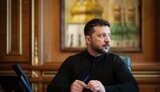
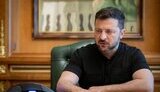
Ukraine's National Security and Defense Council (NSDC) has been actively enacting a series of sanctions in 2025, targeting individuals and entities in Russia, China, and Iran. These sanctions majorly affect companies tied to military production and defense industries. President Volodymyr Zelenskyy has signed multiple decrees aligning Ukrainian sanctions with six EU sanction packages, which further strengthens the economic embargo against possible threats to national security. Notably, the sanctions list includes companies involved in aviation, drone manufacturing, and those promoting anti-Ukrainian narratives. This strategic move aims to curtail adversarial advancements and reinforce national defense. With these measures, Ukraine seeks to amplify its sanction pressure in synergy with international allies like the EU and G7.
What is the purpose of NSDC sanctions imposed by Ukraine in 2025?
The NSDC sanctions imposed by Ukraine in 2025 aim to target and restrict companies and individuals from Russia, China, and Iran, particularly those involved in military production, defense industries, and promoting anti-Ukrainian narratives. These sanctions are crafted to fortify Ukraine’s national security and align with international allies' strategies to counteract threats.
How do the NSDC sanctions align with European Union measures in 2025?
In 2025, Ukraine's NSDC sanctions align with the European Union’s six sanction packages as a strategic maneuver to reinforce the effectiveness of economic restrictions. By synchronizing its sanctions with the EU, Ukraine aims to enhance international cooperation and exert collective pressure on adversarial nations, thus bolstering global security interests.
Who are the primary targets of Ukraine's 2025 sanctions?
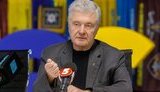
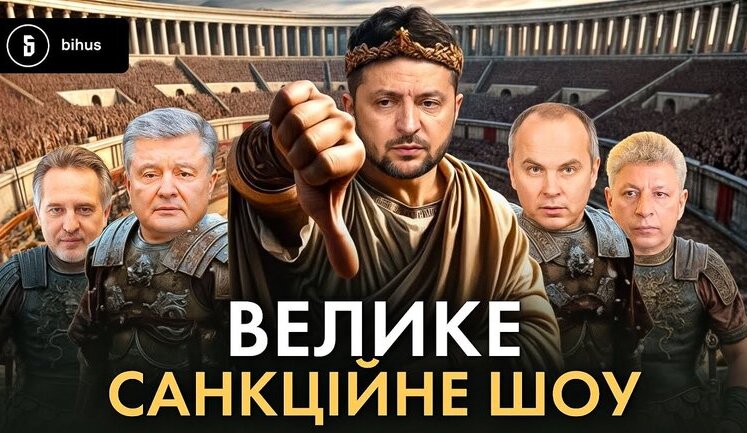
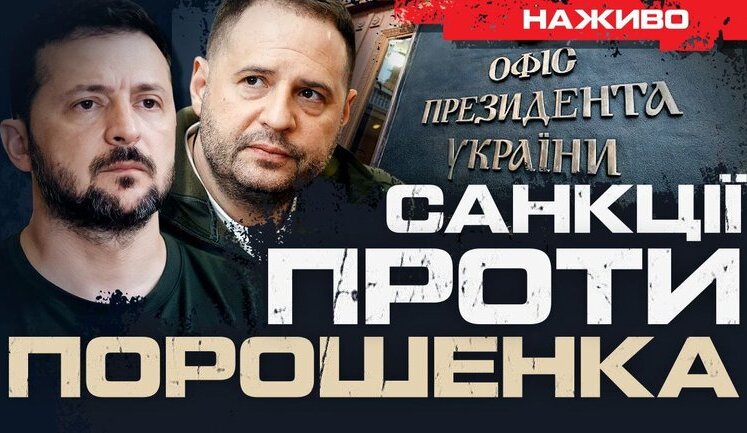
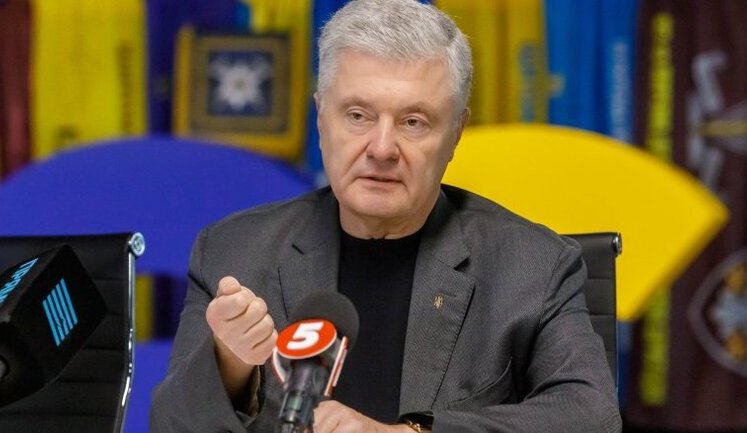
The 2025 sanctions primarily target Russian military production companies, individuals and entities from China and Iran involved in defense industries, and those promoting anti-Ukrainian propaganda. High-profile individuals like Petro Poroshenko and other pro-Russian figures have also been sanctioned, signaling a crackdown on perceived internal and external threats to Ukraine’s stability.
What significant effects do Ukraine's 2025 sanctions have on the defense industry?
The sanctions imposed by Ukraine in 2025 significantly impact the defense industries of countries like Russia by hindering the operations of more than 90 companies connected to military production and restricting technological advancements in drone manufacturing and aviation sectors. This strategy is intended to weaken military capabilities and limit aggressive postures towards Ukraine.
What role does President Zelenskyy play in the implementation of these sanctions?
President Volodymyr Zelenskyy plays a crucial role in implementing the NSDC sanctions by signing decrees that enact sanctions decisions. His leadership ensures that sanctions are applied effectively, reflecting Ukraine’s strategic objectives and aligning with international sanctions policies to safeguard national and regional security.
What is the reaction of international allies to Ukraine's sanctions in 2025?
International allies, including the European Union and G7 countries, have generally supported Ukraine's 2025 sanctions. By aligning with EU sanction packages, Ukraine demonstrates its commitment to global security, earning the backing of allied nations who seek to jointly exert pressure on countries undermining regional stability.
How do Ukraine's sanctions of 2025 affect businesses operating in occupied territories?
The sanctions of 2025 affect businesses operating in occupied territories by imposing strict restrictions on individuals and companies conducting trade or commerce in these regions. The aim is to disrupt economic activities that support occupation and challenge entities involved, thereby reinforcing Ukraine’s territorial sovereignty and economic stability.
What measures has Ukraine taken to prevent sanction circumvention in 2025?
To prevent sanction circumvention in 2025, Ukraine has strengthened its legal framework and enhanced cooperation with international bodies to track and penalize those attempting to bypass restrictions. These include investigations and enforcement actions against entities engaged in illicit schemes, further securing the sanctions' integrity and effectiveness.