



Naftogaz and Ministry of Foreign Affairs have provided diplomats from 31 countries with information on consequences of Russia’s attack on Druzhba pipeline
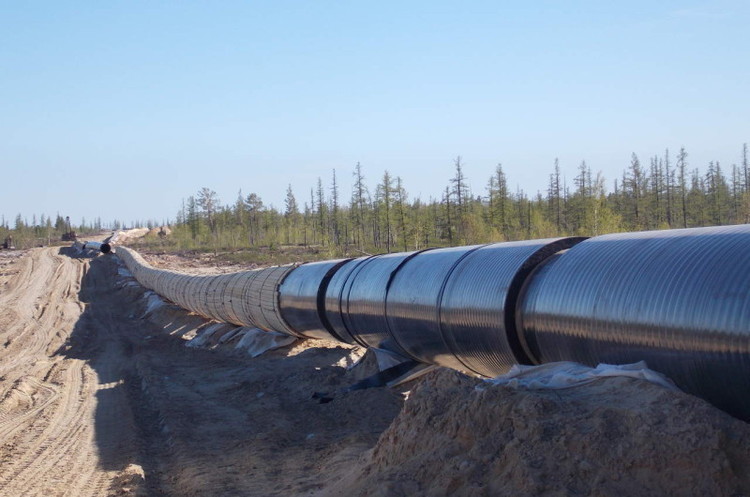
Naftogaz of Ukraine, in cooperation with the Ministry of Foreign Affairs of Ukraine, held a special briefing for representatives of foreign diplomatic missions on the consequences of Russian attacks on the infrastructure of the Druzhba oil pipeline.
Serhii Koretskyi, chairman of the board of Naftogaz, announced this on Facebook, according to Censor.NET.
Details of the briefing
It is noted that representatives from 31 countries, including the G7 nations and Ukraine’s European partners, took part in the meeting.
"We presented comprehensive materials on the nature of the attack and its consequences, including photos and videos from the scene. We also provided diplomats with detailed information about the challenges our colleagues are facing," Koretskyi said.
He emphasized that restoring such infrastructure is a complex technical process that requires time, specialized equipment, and work carried out under the constant threat of renewed Russian strikes.
Russia has carried out more than 400 attacks on Naftogaz facilities
Koretskyi added that since the start of the full-scale invasion, Russia has carried out more than 400 attacks on facilities belonging to the Naftogaz Group. In 2026 alone, more than 30 shelling incidents have already been recorded.
"The Naftogaz Group, together with the Ministry of Foreign Affairs, continues to brief international partners on the consequences of Russian attacks on Ukraine's energy infrastructure and on the progress of restoration work," the official said.
The conflict between Ukraine and Hungary over the Druzhba oil pipeline
The Druzhba oil pipeline is one of the world’s largest pipelines, transporting Russian oil to European countries. The oil travels through Ukraine to Hungary and Slovakia. This route is very important for Hungary, as a significant portion of its oil supply comes via this route.
- In 2025–2026, the transit of Russian oil through the Druzhba pipeline was halted several times.
- In January 2026, a section of the oil pipeline on Ukrainian territory was damaged.
The conflict between Ukraine and Hungary escalated in 2026 following the suspension of transit.
The Hungarian government is demanding that Ukraine resume transit or allow Hungarian inspectors access to the pipeline, and has even given Ukraine a few days to comply. Orbán accused Ukraine of blocking supplies and even leveled accusations of sabotage. Ukraine claims the damage was caused by the war and rejects the political accusations.
Kyiv has called Hungary's stance blackmail, as Budapest is using the oil issue to exert pressure on EU political matters.
Hungary and Slovakia have threatened to take legal action and block EU decisions related to support for Ukraine.
Ukraine proposed an alternative: transporting oil via the Odesa-Brody pipeline.


