



European Commission has stated that shutdown of Druzhba does not threaten energy security of Hungary and Slovakia
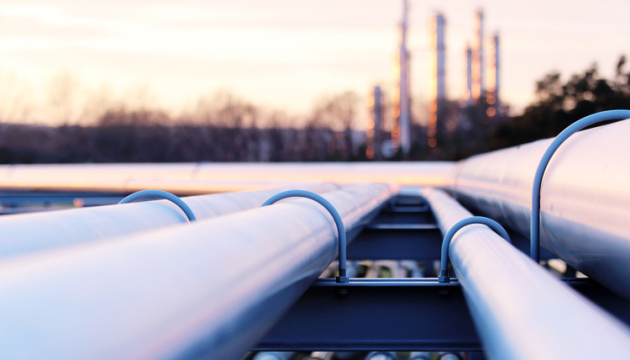
On Wednesday, February 25, the EU Coordination Group at the expert level, with the participation of Hungary, Slovakia, and Croatia, discussed the situation surrounding the Druzhba oil pipeline in a video conference. The EU concluded that the current shutdown of the Druzhba oil pipeline does not pose a threat to the energy security of the European Union.
This was stated by European Commission spokesperson on energy issues Anna-Kaisa Itkonen, according to EP, as reported by Censor.NET.
There are no threats to energy security.
It is reported that EU experts have concluded that the suspension of Russian oil shipments to Hungary and Slovakia via the Druzhba pipeline does not currently pose a threat to the energy security of these countries.
"This morning, the Coordination Group on Oil held a meeting to discuss the current state of supply security and any short-term risks, in particular those related to damage to the southern branch of the Druzhba oil pipeline... At this stage, there is no immediate risk to the security of supply in the EU, as both Hungary and Slovakia have oil reserves," said the EC spokeswoman.
According to Itkonen, Hungary and Slovakia have confirmed that they have begun using their emergency oil reserves.
Alternative routes
The group also considered alternative routes to ensure uninterrupted oil supplies to the countries concerned.
"There is an alternative supply route for Hungary and Slovakia – the Adria pipeline from Croatia. During the meeting, the Croatian side confirmed that crude oil of non-Russian origin is already being transported to Hungary and Slovakia via the Adria pipeline," said the European Commission spokeswoman.
She added that "additional shipments of non-Russian oil contracted by MOL Group are heading to Croatia's oil terminal, which will help maintain security of supply to Hungary and Slovakia."
"We continue to monitor the situation and maintain close contact with all relevant Member States, as well as with Ukraine. Contacts are taking place at the highest level of the Commission," Itkonen said.
She assured that the European Commission is taking "all possible measures at all levels to ensure security of supply to Hungary and Slovakia."
"In conclusion, we strongly condemn Russia's attacks on Ukraine's energy infrastructure," Itkonen added.
What preceded it?
- On January 27, Russian occupation forces struck a critical infrastructure facility belonging to the Naftogaz group in western Ukraine. The target of the attack was likely Ukraine's largest oil pumping station, located in Brody, which supplies the southern branch of the Druzhba oil pipeline.
- The prime ministers of Hungary and Slovakia, Viktor Orbán and Robert Fico, accused Ukraine of delaying the restoration of the oil pipeline due to "political motives," and on February 18, the authorities of these two countries announced the suspension of oil exports to Ukraine in response to Ukraine's halt of Russian oil transit.
- In addition, Fico warned that Slovakia would also reconsider its support for Ukraine's European integration and could suspend electricity supplies.
- At the same time, Hungary received permission to import Russian oil via an alternative maritime route through Croatia with subsequent transportation via pipeline.


