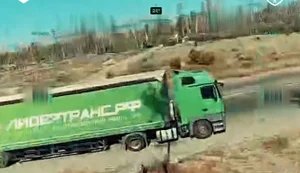
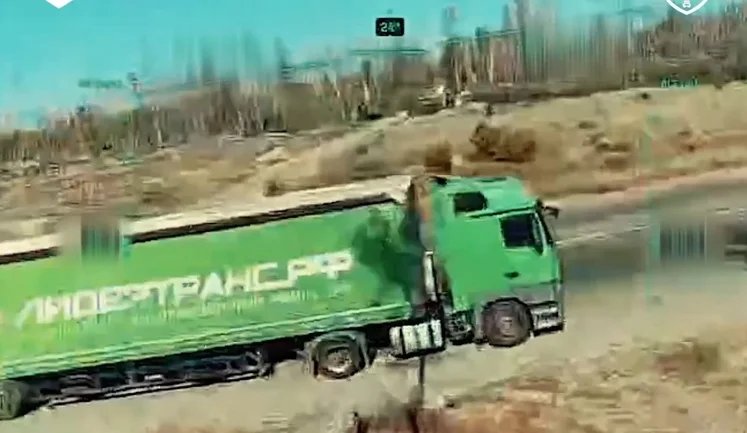
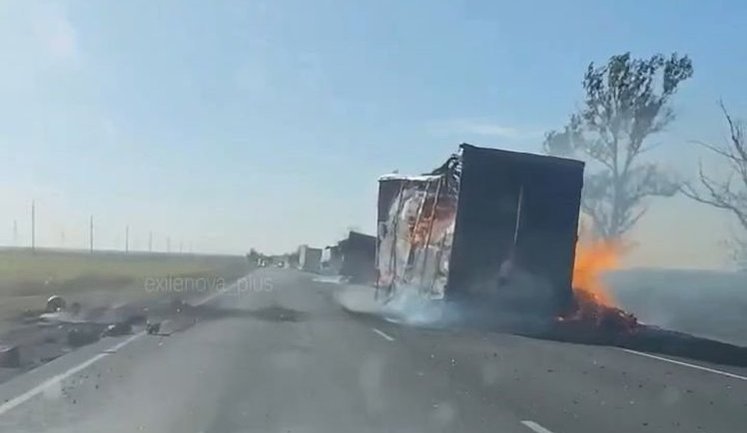
Cargo transportation remains a critical issue in Ukraine as it navigates challenges both domestically and internationally. Recent reports highlight illegal transport cases, such as a Ukrainian sentenced in Estonia for migrant smuggling, and drone strikes destroying Russian lorries supplying occupying forces. Additionally, the shadow transport market's growth raises significant concerns, while the ongoing war compels Ukraine to negotiate transport arrangements like the extended "visa-free regime" with Turkey. These issues are compounded by border tensions with Poland, revealing the multifaceted complexities facing Ukrainian cargo transport amid geopolitical pressures and logistic constraints. Stay informed about these pivotal developments affecting industry dynamics and regional stability.
What are the challenges facing Ukrainian cargo transportation?
Ukrainian cargo transportation faces numerous challenges, including illegal transport activities, as evidenced by incidents such as individuals being sentenced for smuggling migrants. Additionally, there are logistical hurdles due to conflict, such as drone strikes on supply vehicles. The shadow market's rise adds economic pressure, while geopolitical tensions, particularly with Poland, complicate cross-border transit. These factors collectively impact the industry's efficiency and economic stability.
How has drone warfare affected transportation in Ukraine?
Drone warfare has significantly disrupted cargo transportation in Ukraine, specifically targeting Russian logistics routes. Ukrainian drone units, like SIGNUM, have destroyed numerous lorries carrying supplies to occupying forces, demonstrating the strategic impact on military logistics. Such operations highlight the intertwined nature of military and civilian transport channels and underscore the evolving tactics in Ukraine's defense efforts.
What is the 'shadow transport market' in Ukraine?
The shadow transport market in Ukraine refers to unregulated and often illegal transportation services operating outside official oversight. This market can account for a substantial portion of international passenger transport, particularly during peak seasons. Operators in this market can earn significant revenues, yet they evade taxes and regulatory compliance, contributing to economic and legal challenges in Ukraine's transport industry.
What agreements have been made to facilitate international transport for Ukraine?
To facilitate international transport, Ukraine has entered into agreements like the "transport visa-free regime" with Turkey, which will remain effective until the war's end. Additionally, the EU-Ukraine Freight Liberalization Agreement aims to exempt Ukrainian drivers from international permit requirements, as supported by the European Commission. These agreements seek to mitigate transport barriers and promote continuity amid geopolitical tensions.
Why are there tensions between Ukraine and Poland regarding cargo transit?
Tensions between Ukraine and Poland regarding cargo transit are primarily due to differing transport policies and logistic blockades at the border. Polish carriers demand the restoration of transport permits, affecting negotiations. The protests have resulted in roadway blockages and long waiting times for freight, disrupting trade and requiring diplomatic intervention to address the complex regulatory landscape and economic implications for both nations.
What steps are being taken to combat illegal transportation in Ukraine?
Efforts to combat illegal transportation in Ukraine include legislative measures, enforcement actions, and international cooperation. Authorities are cracking down on smuggling networks and illicit operators, as seen in the detention of individuals illegally transporting migrants. Additionally, enhancing border security and leveraging technological solutions like surveillance drones are vital steps in preventing illegal activities and ensuring secure and legal transport channels.