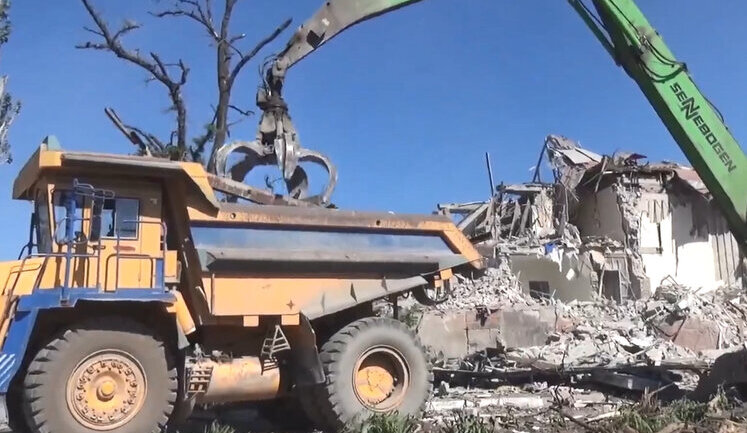
The theme of dismantlement and demolition in Ukraine has become a constant wave of actions that encompass historic, political, and infrastructural motives. Recently, Russian invaders announced plans to dismantle 50 apartment blocks in Siverskodonetsk. Similarly, the demolition of historic and cultural monuments remains a divisive issue, as seen with the illegal demolition of the Zelensky estate in Kyiv, prompting legal actions. Meanwhile, in Luhansk, memorials to the victims of past repressions were razed by occupying forces, highlighting the ongoing cultural erasure. Additionally, the private sector in Mariupol faces threats of extensive demolition by Russian authorities. These actions reflect deeper socio-political tensions and historical reinterpretations that continue to affect Ukrainian society.
What is the extent of demolition plans in Siverskodonetsk?
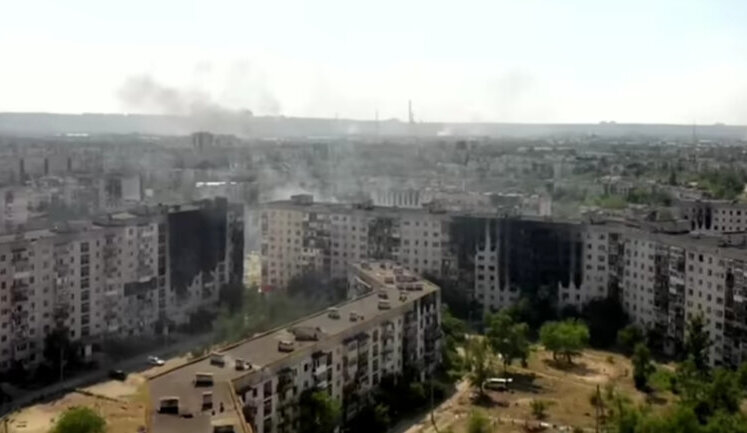
Russian forces intend to dismantle a significant portion of Siverskodonetsk, targeting 50 apartment buildings. This underscores the ongoing efforts to alter the urban landscape in occupied territories, reflecting broader political and strategic motives by the occupiers.
Why was the Zelensky estate in Kyiv demolished?
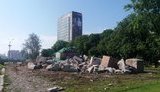
The Zelensky estate, a historic building in Kyiv, was demolished on the orders of its owner, leading to a legal notice of suspicion. The demolition violated laws protecting such historic sites and has prompted lawsuits demanding restoration.
What are the implications of monuments' demolition in Luhansk?
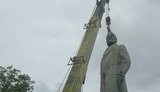
The memorials to victims of Stalinist repression and the Holodomor in Luhansk were demolished by occupying forces. This act is seen as an erasure of historical events significant to Ukrainian national memory and reflects the occupiers' agenda in rewriting history.
What are the plans for the private sector in Mariupol's demolition?
In Mariupol, Russian occupiers plan to demolish 30% of its private sector. Many buildings in this area hold historical value, and the demolition plans align with the strategic alterations following the conflict in the region.
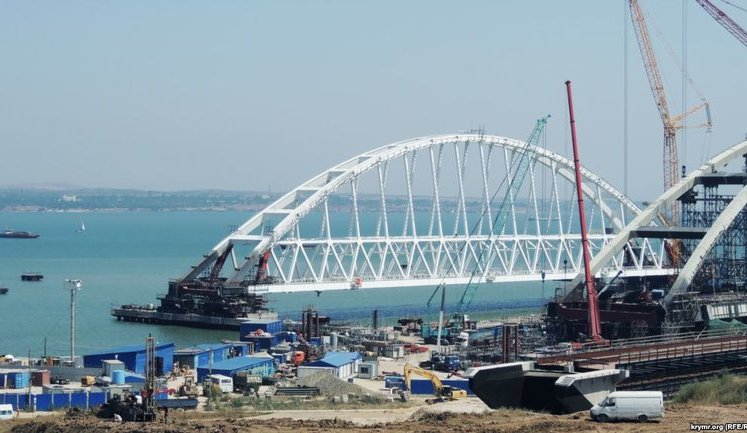
How do demolition actions affect cultural heritage in occupied Crimea?
In Crimea, Russian authorities have demolished numerous properties to pave the way for infrastructure projects like the Kerch bridge. Such actions further strain cultural and historic preservation efforts amidst ongoing geopolitical tensions.