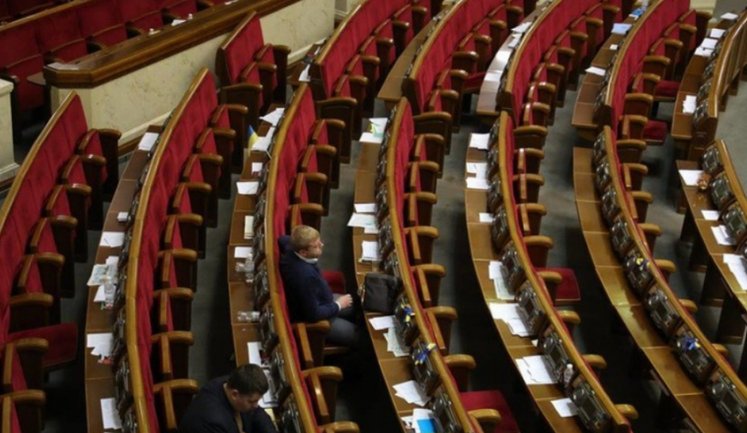
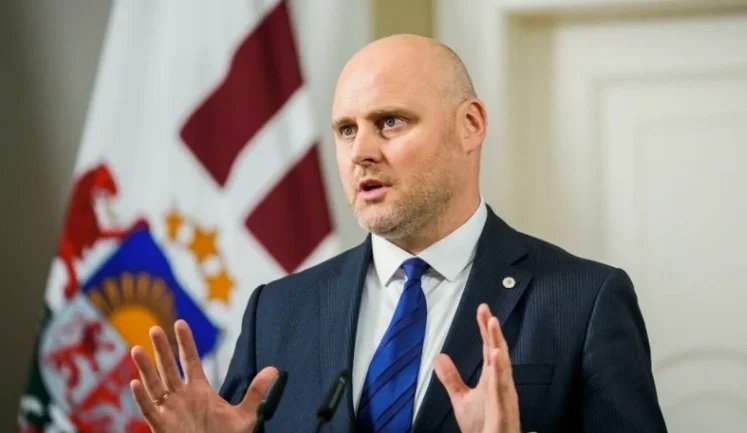
The trading landscape in 2026 is marked by significant treaties and tensions. Ukraine's Verkhovna Rada recently ratified a Free Trade Agreement with Turkey, signaling a boost in bilateral trade capabilities. This step is crucial as Ukraine navigates rebuilding efforts post-conflict, particularly seeking zero tariffs with the US. In contrast, Latvia aims to curtail its trade with Russia, reflecting an ongoing trend of countries reassessing ties due to geopolitical pressures. Another focal point is the EU's struggle to balance trade deals with the US amid rising tensions, as evidenced by the EU Parliament's discord over the EU-US trade pact. Furthermore, latent trade disparities persist, illustrated by European nations' cautious stance on trade with Russia. These developments underscore the complexity of international trade in a globalized yet politically fragmented world. Keywords like "free trade agreement," "Ukraine," and "trade with US" emphasize these dynamic shifts in global commerce.
How does the free trade agreement with Turkey impact Ukraine's economy?
Ukraine's free trade agreement with Turkey is expected to enhance bilateral trade by reducing tariffs and opening markets. This agreement facilitates the exchange of goods and services, bolstering Ukraine's economic recovery efforts. Moreover, it strengthens strategic ties between the two nations, potentially attracting investments and fostering economic growth by facilitating better trade conditions.
What are the implications of Latvia's trade policy shift towards Russia?
Latvia's decision to end trade with Russia reflects its support for economic sanctions against the Russian Federation. This shift could lead to economic realignment within Latvia, impacting sectors that depend on Russian imports or exports. Although exceptions might exist, the general policy signifies a stand against Russian military actions, aligning with broader European geopolitical strategies.
What challenges does the EU face with the US trade negotiations?
The EU faces significant challenges in its trade negotiations with the US, primarily due to diverging demands and political pressures. The EU perceives some US trade demands as excessive, risking potential trade disruptions. Aligning member state interests and navigating US policy changes are pivotal to securing a beneficial trade agreement, amidst underlying tensions of trade imbalances and political discord.
Why is Ukraine seeking zero tariffs with the United States?
Ukraine aims for zero tariffs with the United States to facilitate economic recovery and growth after military conflicts. Achieving a tariff-free trade agreement would enhance market access for Ukrainian products in the US, stimulating exports and bolstering economic resilience by integrating into the global supply chain more efficiently, while encouraging foreign investments.
How does continued EU-Russia trade affect Europe's political stance?
Despite political and military tensions, the ongoing trade between the EU and Russia illustrates a complex interdependence, especially in sectors like energy. While sanctions limit certain trade aspects, essential commodities continue flowing, underlining the economic dilemmas facing EU policymakers balancing economic needs against political and ethical considerations in the context of the Ukraine conflict.
What are the impacts of geopolitical tensions on global trade in 2026?
Geopolitical tensions in 2026 significantly impact global trade, manifesting as protectionist measures, trade disagreements, and realigned partnerships. Countries are increasingly revisiting trade agreements to enhance strategic autonomy, leading to altered supply chains and pacts like Ukraine-Turkey. Such tensions influence global markets, affecting economic stability and growth projections worldwide.