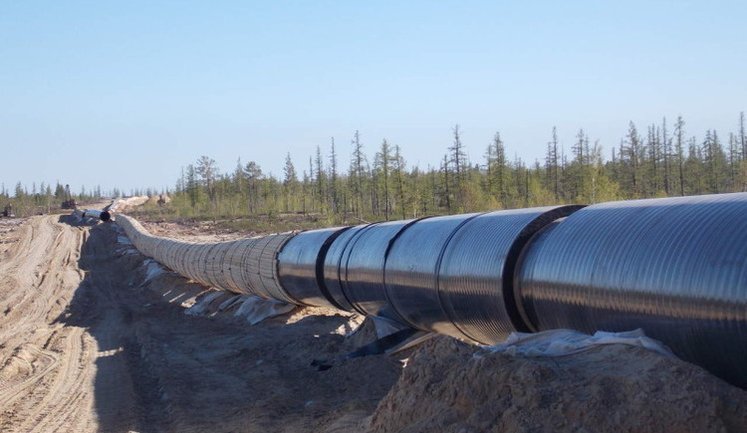
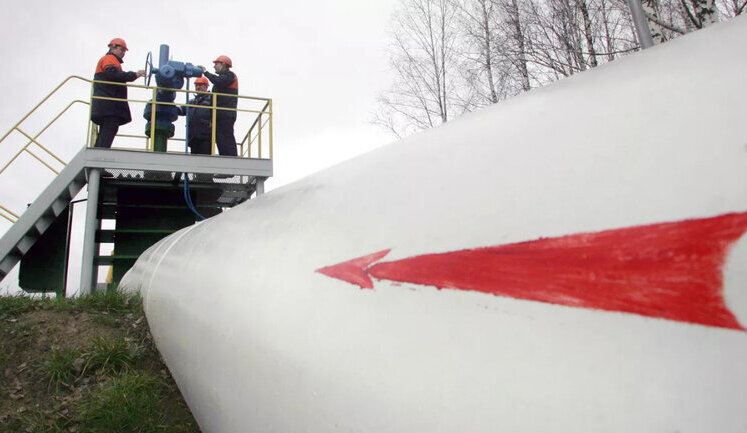
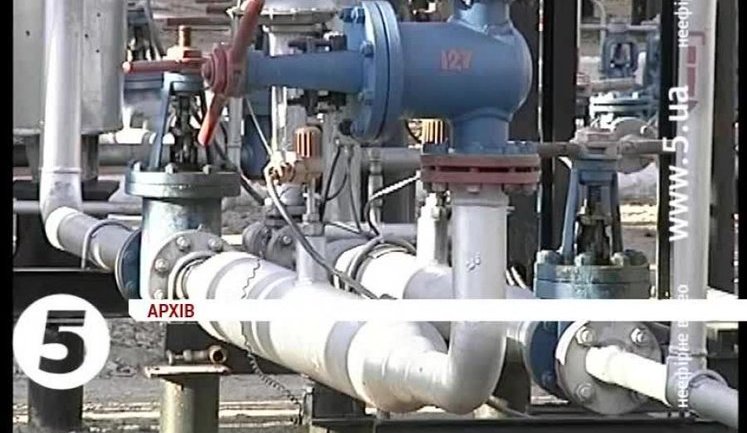
The transit of oil and gas through Ukraine remains a pivotal topic in global energy politics. Ukraine’s Prime Minister Denys Shmyhal highlights that halting oil transit violates treaties with the EU, underscoring the geopolitical implications. Hungarian and Slovak support of Russian interests further complicates Ukraine's EU ambitions, while EU Commissioner Simson announces potential transit stoppages through Ukraine's gas system. These issues reflect broader energy strategies and political tensions involving Russia, the EU, and Ukraine's aspirations. The intricate web of treaties, economic dependencies, and political maneuvers make transit a critical and ongoing concern for Europe’s energy security.
What are the recent developments in Ukraine's oil transit policies?
Ukraine's Prime Minister Denys Shmyhal asserts that stopping oil transit would breach international agreements with the EU. Despite tensions, Ukraine remains a vital conduit for Europe’s energy needs, balancing treaties and geopolitical pressures.
How does Hungary's stance impact Ukrainian transit routes?
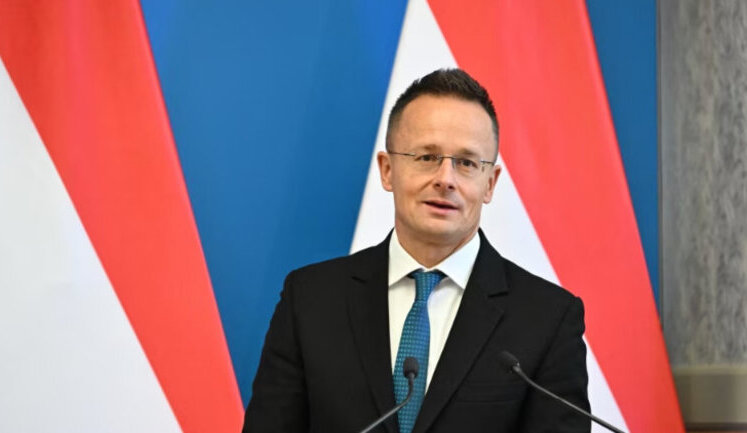
Hungary, led by Foreign Minister Péter Szijjártó, threatens to block Ukraine’s EU accession by halting Russian energy transit. This move underscores Hungary's leverage and complicates Ukraine’s strategic EU relationships amidst energy diplomacy.
What are the implications of the EU’s potential gas transit cessation through Ukraine?
The European Union’s readiness to stop Russian gas transit through Ukraine challenges regional energy stability. This decision emphasizes the EU's commitment to reducing dependency on Russian resources while affecting Ukraine’s economic interests and energy strategy.
What steps is Ukraine taking regarding the Lukoil transit situation?
Ukraine is poised for consultations with the EU on Lukoil's oil transit. This readiness signals Ukraine’s proactive approach in navigating EU relations and maintaining its role as a strategic energy partner amidst evolving market dynamics.
How is Belarus's approach to transit affecting regional tensions?
Belarus's aggressive posture towards cutting transit corridors through Lithuania adds a military dimension to regional transit conflicts. This stance complicates relations with Europe and highlights Belarus's alignment with Russian strategic interests.
How are geopolitical tensions reflecting in Ukraine's transit challenges?
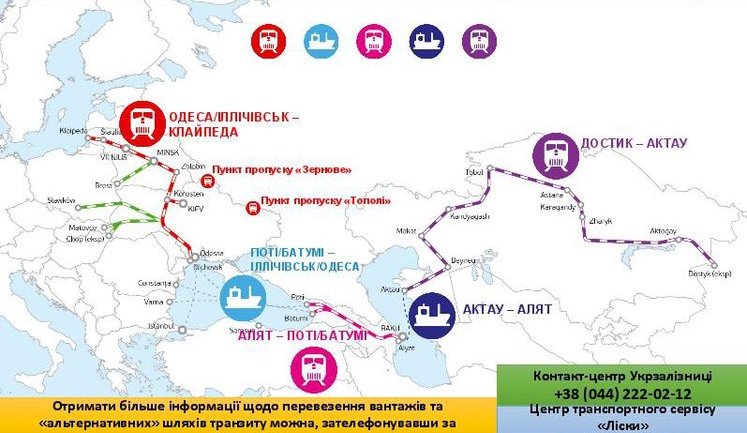
Ukraine's transit challenges mirror broader geopolitical dynamics, involving EU negotiations, Russian pressures, and internal legislative shifts. The strategic transit routes are battlegrounds for geopolitical influence, economic gains, and regional security.