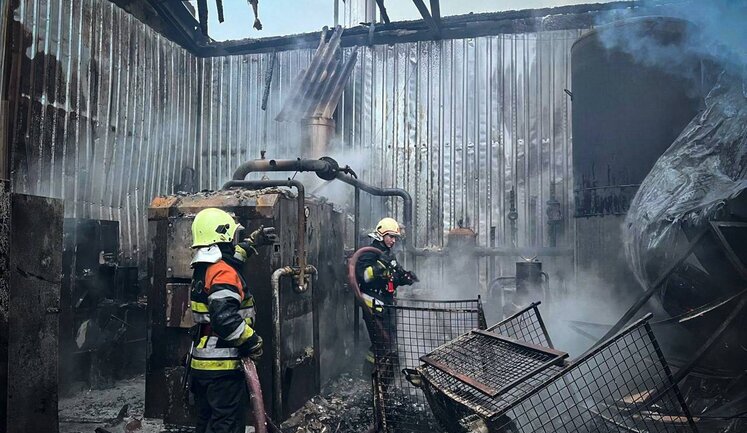
A significant fire broke out at a waste management centre in Fastivets, Kyiv region, affecting an area of 400 square metres. This incident highlights the pressing challenges faced by waste management facilities, including fire hazards and the need for improved safety measures. Emergency services worked tirelessly to extinguish the blaze, which had the potential to cause environmental damage and affect local communities. As urban areas continue to grow, effective waste management becomes ever more critical. Innovations in waste technology and stringent safety regulations are crucial to prevent such events and protect both the environment and human health. Stay informed on waste management strategies and safety protocols to understand and mitigate similar risks in the future.
What caused the waste management centre fire in Kyiv region?
The exact cause of the fire at the waste management centre in Fastivets is still under investigation. However, common factors in such incidents may include improper waste handling, electrical malfunctions, or flammable materials. Understanding these potential causes can help prevent future occurrences and improve safety protocols at waste management facilities.
What impact did the fire at the waste management centre have?
The fire impacted an area of 400 square metres and posed a risk to the environment and local community. Quick action from emergency services mitigated further damage. Such incidents emphasize the need for robust waste management practices and emergency preparedness to protect both human health and the environment from potential hazards.
How are waste management facilities safeguarded against fires?
Safeguarding waste management facilities against fires involves implementing strict safety measures such as regular equipment maintenance, proper waste segregation, and advanced fire detection systems. Training staff on emergency response procedures and adhering to regulatory compliance are also vital to minimize fire risks and ensure operational safety.
Why is waste management important in urban areas?
Waste management is crucial in urban areas due to the high population density and increased waste production. Effective waste management practices help reduce pollution, conserve resources, and support a sustainable environment. Proper waste handling and disposal also prevent public health issues and enhance the quality of life for urban residents.
What advancements are being made in waste management technology?
Innovations in waste management technology include smart waste collection systems, automated sorting technologies, and waste-to-energy plants. These advancements aim to reduce landfill usage, enhance recycling efficiency, and generate renewable energy. Embracing these technologies can lead to more sustainable and efficient waste management solutions for communities.
How can communities contribute to effective waste management?
Communities can play a significant role in effective waste management by practicing responsible waste disposal, recycling, and composting. Educating citizens on the importance of waste segregation and encouraging participation in local waste reduction initiatives also contribute to sustainable waste management practices, protecting the environment for future generations.