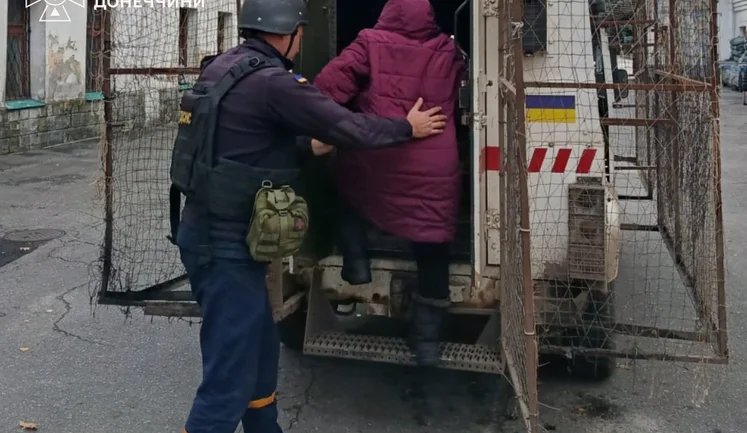
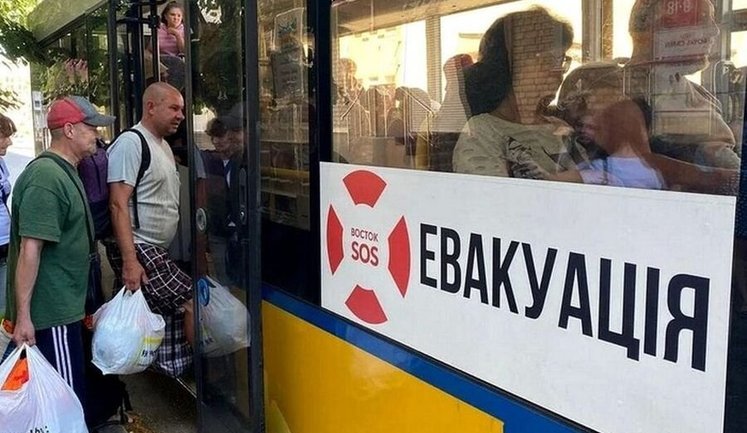
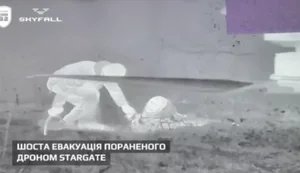
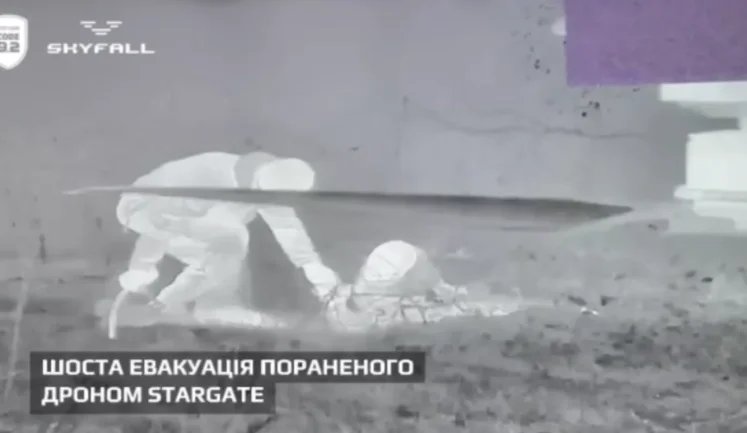
Recent evacuation efforts across Ukraine typically involve civilians and military personnel, often under threats from artillery or drone attacks. In Donetsk, 18 individuals, mostly nuns, were evacuated after a convent was bombed. In a separate incident in the Kherson region, humanitarian missions evacuated 105 animals, some requiring emergency surgery. The Kostiantynivka area remains volatile, with safety challenges complicating any evacuation plans. In the Zaporizhzhia region, evacuation is nearly impossible due to constant shelling. The use of advanced technology, such as the StarGate drone, is proving crucial in battlefield evacuations, demonstrating innovative approaches to aid those trapped in conflict zones.
What measures are being taken for evacuation in Ukraine?
Evacuations in Ukraine often involve coordinated efforts by military and civilian authorities to rescue individuals from conflict zones. This includes deploying advanced technological solutions like drones for emergency evacuations and conducting humanitarian missions under ceasefire agreements. Despite challenges such as continuous shelling and logistical hurdles, these missions are crucial for safeguarding civilians and military personnel.
How has technology impacted evacuation efforts in Ukraine?
Technology plays a significant role in evacuation efforts in Ukraine. The use of drones like the StarGate has enabled the safe extraction of wounded soldiers from battlefield areas that are otherwise inaccessible to ground vehicles. These drones can carry equipped soldiers over significant distances, showcasing a crucial advancement in emergency medical evacuations during ongoing conflicts.
What are the humanitarian challenges in areas like Kostiantynivka and Oleshky?
Humanitarian challenges in areas like Kostiantynivka and Oleshky include ongoing active conflicts, which complicate both evacuation and relief efforts. In Kostiantynivka, military strategizing is necessary just for basic evacuations due to sustained fighting. Meanwhile, in Oleshky, Russia's lack of cooperation on humanitarian efforts further compounds the difficulties in ensuring the safe passage of civilians to secure territories.
How do authorities determine mandatory evacuation zones?
Authorities in Ukraine determine mandatory evacuation zones based on the intensity of military activities and the direct threats posed to civilian populations. Regions experiencing persistent artillery and aerial assaults are prioritized, ensuring children and vulnerable individuals are evacuated first. Comprehensive assessments by military and regional administrations guide these decisions, emphasizing civilian safety above all.
What role do international agreements play in evacuations?
International agreements and cooperation are critical in conducting evacuations, especially when involving occupied regions or cross-border relocations. These agreements facilitate ceasefire arrangements and negotiation channels, essential for ensuring the safe movement of evacuees without triggering further conflict. Despite challenges, maintaining dialogue between conflicting parties underpins many successful evacuation operations in Ukraine.
Are there any innovations aiding animal evacuations in conflict zones?
Innovations are increasingly important in animal evacuation efforts from conflict zones. Recently, successful missions in the Kherson region involved rescuing over 100 pets, some of which required surgeries and extensive care. Operations are carefully coordinated with humanitarian groups, ensuring animals are transported safely and receive necessary medical attention in shelter facilities.
What challenges exist for evacuation in occupied or frontline regions?
Evacuation in occupied or frontline regions like the Donetsk region is fraught with challenges such as ongoing artillery fire, restricted access due to military control, and complex negotiations for safe passage. These obstacles demand meticulous planning and often require international oversight to mitigate risk and ensure humanitarian aid reaches those in need of evacuation efficiently.
How effective are temporary ceasefires for humanitarian missions?
Temporary ceasefires can be effective in facilitating humanitarian missions, offering crucial windows for safe evacuation of civilians and delivery of aid. They require strict adherence by all involved military parties to prevent violations. Such agreements need careful planning and supervision by international bodies to ensure compliance and maximize effectiveness in conflict zones like the Donetsk and Kherson regions.
How do geopolitical factors influence evacuation efforts?
Geopolitical factors significantly influence evacuation efforts, often affecting negotiations for safe passage and international support for humanitarian activities. Regions under foreign occupation or with contested borders face heightened diplomatic hurdles. Ensuring civilian safety thus requires intricate coordination and support from multiple governments and international humanitarian organizations.
What are the psychological impacts of evacuations on civilians?
Evacuations carry profound psychological impacts on civilians, dealing with the trauma of fleeing homes under duress, the anxiety of uncertain futures, and the stress associated with displacement. Long-term consequences include mental health challenges, adjustment issues in new settlements, and enduring emotional scars, highlighting the need for comprehensive psychological support alongside physical safety measures.