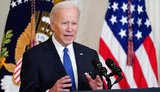
The increasing gas tariffs in Ukraine have become a significant issue, impacting both the economy and residential consumers. Recently, the National Energy Regulation Commission raised the minimum tariff for residential consumers by 3.3 times, making it harder for many households to manage their budgets. This change drives a rise in utility costs, with rates reaching up to 7,188 hryvnia for a thousand cubic meters during the summer. As Ukraine grapples with limited resources, the possibility of maintaining low utility tariffs becomes more challenging. Additionally, the global situation, including international accusations, such as those from President Biden against President Putin, alleging the latter's influence on fuel price hikes, further complicate matters. This situation necessitates careful navigation to mitigate economic strain while ensuring residents have affordable access to gas.
How has the gas tariffs increase affected Ukrainian households?
The increase in gas tariffs by the National Energy Regulation Commission has significantly impacted households in Ukraine by raising utility costs. The escalation in tariffs means higher monthly expenses for consumers, notably during peak seasons, resulting in financial strain for many families. As a measure of control, households may need to adjust their consumption patterns and budget allocations to cope with the rising costs.
What was the exact increase in gas tariffs announced by the NERC?
The National Energy Regulation Commission announced a 3.3 times increase in the minimum tariff for gas supplied to residential consumers. This adjustment raised the tariff to 3,600 hryvnia per thousand cubic meters. This change is reflective of a broader effort to align tariffs with market conditions while tackling existing financial challenges within the energy sector.
Why did President Biden accuse President Putin of raising fuel prices?
President Biden accused President Putin of influencing rising fuel and food prices in the United States as part of broader geopolitical tensions. These accusations emerged amid ongoing international conflicts that tend to affect global energy supply chains, potentially contributing to increased costs in related sectors like fuel and food. Biden's comments underscore the interconnected nature of global markets and the potential for international actions to have far-reaching economic impacts.
What are alternative measures Ukraine is considering to handle rising utility costs?
Facing limited resources to control utility costs, Ukraine is exploring a range of measures. These may include seeking international assistance, strengthening energy efficiency programs, and bolstering domestic energy production capabilities. Moreover, the government continues efforts to return crucial exports, like grain, to world markets to stabilize its economy. Structural reforms and potential financial assistance from partners are also possibilities being considered.
What impact do rising gas tariffs have on Ukraine's economy overall?
The rise in gas tariffs presents several challenges for Ukraine's economy. It places additional financial pressure on both individual consumers and industries, potentially slowing economic growth. Inflationary pressures may intensify as industries face higher production costs, potentially impacting exports and local markets. However, if managed well, tariff adjustments could lead to more sustainable energy practices and policy reforms, providing long-term economic stabilization opportunities.
How does the global situation influence Ukraine's energy market?
Global geopolitical dynamics significantly impact Ukraine's energy market. For instance, international sanctions, supply chain disruptions, and diplomatic relations all play roles in determining accessibility and pricing of energy resources. Additionally, ongoing tensions between major global players, like the US and Russia, can lead to shifts in energy policies and market volatility, indirectly influencing national tariffs and energy availability within Ukraine.