Understanding GDP is crucial in evaluating economic health. Ukraine's GDP could exceed Russia's in the next decade, according to US Secretary of State Marco Rubio. This optimism is fueled by substantial economic contributions from Ukrainian refugees in Poland, accounting for 2.7% of Polish GDP. Also, NATO is considering a 5% GDP defense spending target, including support for Ukraine. Meanwhile, global investment banks express concerns about a potential recession in the US due to new tariffs. Moreover, the mass deportation proposed in the US could shrink GDP by 8%, reflecting the significant socioeconomic role of every demographic segment.
How does Marco Rubio see Ukraine's GDP surpassing Russia's?
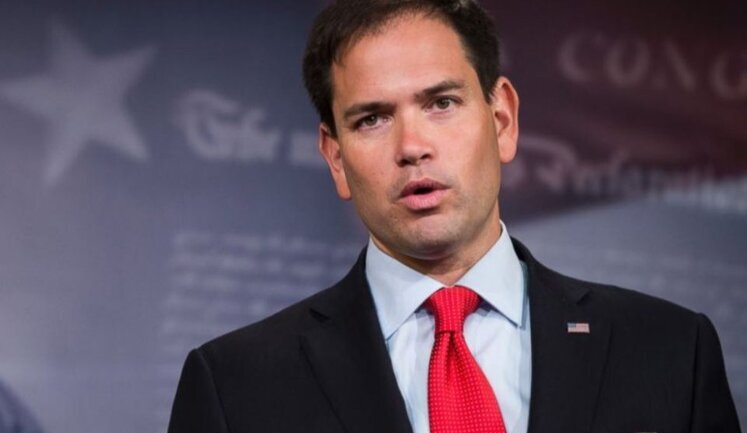
Marco Rubio predicts that if strategic measures are maintained, Ukraine's GDP could surpass Russia's within a decade. This optimism is based on Ukraine's ongoing economic reforms and international support, combined with the significant contribution of the displaced Ukrainian workforce in neighboring countries, which bolsters regional economies and boosts overall growth prospects.
What impact do Ukrainian refugees have on Poland's GDP?
Ukrainian refugees positively impact Poland's GDP, contributing approximately 2.7% to its growth. Their integration into Poland's labor market has not only filled workforce gaps but also stimulated economic activities, representing a significant factor in sustaining the country's economic growth and stability amidst global uncertainties.
What is NATO's proposed defense spending in relation to GDP?
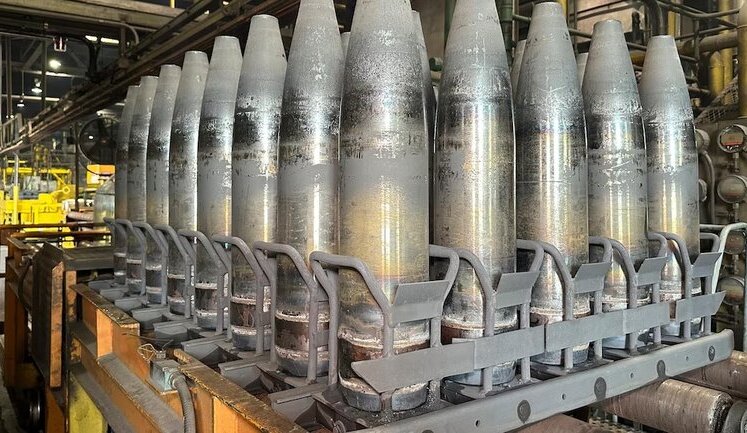
NATO is currently in discussions to raise its defense spending target to 5% of GDP. This increase is aimed at strengthening collective defense and supporting allies, including Ukraine, in response to evolving global security challenges. Enhancing military capabilities aligns with the strategic interest of NATO members and enhances regional security.
Why is there a recession risk in the US economy?
Global investment banks have increased their recession risk estimates for the US due to the economic policies implemented under the Trump administration, particularly tariffs that impact trade dynamics. Such policies may disrupt international supply chains, increase costs for businesses, and adversely affect economic stability, leading to potential recessions.
What could happen to US GDP if mass deportations occur?
The proposed large-scale deportations in the US may lead to an 8% decline in GDP. This scenario underscores the extensive economic contributions of immigrant communities, whose labor and consumption are integral to various sectors. Reducing this demographic could shrink the workforce, decrease consumption, and stifle economic growth significantly.