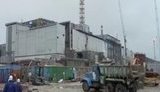
The Chornobyl Nuclear Power Plant, site of one of the world's worst nuclear disasters, remains a focus of confinement efforts. Recently, Norway committed over EUR 9 million to restore the damaged confinement structure over Chornobyl NPP, highlighting the international community's continuous efforts to ensure safety. This follows earlier significant achievements such as the completion of the New Safe Confinement in 2016, engineered to contain the radioactive remnants of reactor 4. Despite the years since the disaster, these initiatives are crucial for minimizing radiation risks and protecting the environment, underlining the importance of robust confinement measures.
What measures are in place to restore Chornobyl's confinement?
Norway has allocated over EUR 9 million to restore the Chornobyl Nuclear Power Plant's confinement structure that was damaged by a Russian drone, highlighting ongoing international efforts to enhance the site's safety.
What was the objective of the New Safe Confinement project at Chornobyl?
The New Safe Confinement project aimed to safely enclose the remains of Chornobyl's reactor 4. The ambitious engineering feat was completed in 2016, designed to protect against radiation leakage and allow for safe future dismantling of the old sarcophagus.
How does Norway's financial contribution aid Chornobyl's safety?
Norway's contribution of over EUR 9 million aids in repairing the confinement structure at Chornobyl NPP, supporting efforts to maintain containment and prevent further radiation exposure following damage from external threats.
What is the significance of the confinement structure over Chornobyl's reactor 4?
The confinement structure plays a crucial role in containing radioactive materials from Chornobyl's reactor 4, which was destroyed in the 1986 nuclear disaster. It prevents the release of radiation into the environment, safeguarding public health and ecological integrity.
Why is international aid important for Chornobyl's confinement efforts?
International aid, like Norway's recent financial support, is vital for maintaining and upgrading confinement structures at Chornobyl. It ensures sustainable safety measures are in place to manage residual radiation risks and mitigate environmental impacts over the long term.