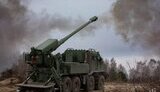
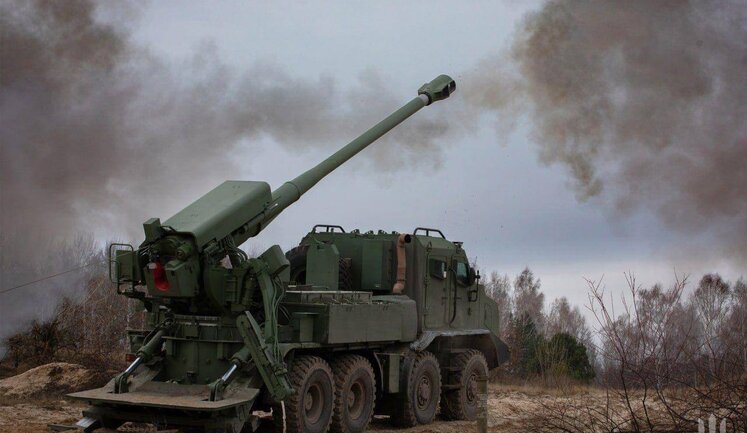
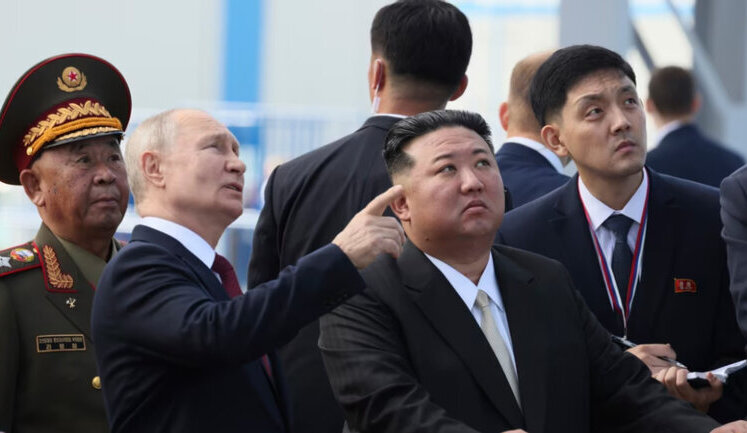
The effectiveness of Ukraine's Bohdana self-propelled gun (SPG), with a potential range of 42 km, is hindered by the lack of long-range rounds. Currently, the Ministry of Defence supplies primarily M107 shells, which only cover a 15 km distance. Shockingly, long-range rounds constitute merely 5% of the Ministry's purchases, raising significant concerns about strategic capabilities. In light of Rheinmetall CEO Papperger's comments, it is evident that for a tangible shift in the war efforts against Russian aggression, an increased supply of artillery shells, beyond the Taurus missiles, is imperative. Additionally, recent reports indicate the Russian army's heavy reliance on North Korean-supplied shells, raising questions about the ongoing supply chain dynamics and tactical dependencies in the conflict.
Why is the Bohdana SPG critical for Ukraine's defense?
The Bohdana SPG is essential for Ukraine due to its 42 km operational range, providing critical fire support over extensive distances. This capability allows for strategic advantages by striking at long-range targets. However, current limitations in ammunition supply, particularly the shortage of long-range rounds, curtail its effectiveness. Maximizing the Bohdana's potential requires addressing this ammunition shortfall.
What are the challenges in supplying long-range shells?
The primary challenges in supplying long-range shells include budget constraints, procurement priorities, and logistical hurdles. With only 5% of purchases dedicated to long-range rounds, the existing supply strategy limits the operational effectiveness of artillery systems like the Bohdana SPG. Overcoming these challenges necessitates revisiting procurement policies and enhancing logistical frameworks to ensure adequate supply.
How do Taurus missiles compare to artillery shells in this context?
Taurus missiles, despite their advanced technology, lack the ability to substantially shift the war's dynamics due to their different use cases and limited numbers. Artillery shells, particularly long-range ones, allow for sustained bombardment, increasing battlefield pressure. Therefore, while Taurus missiles have their role, a steady supply of artillery shells is more essential for altering the operational landscape in Ukraine.
What impact do North Korean shells have on the conflict?
The supply of shells from North Korea to the Russian army significantly impacts the conflict by maintaining Russian artillery fire at the Ukrainian front. With reports indicating heavy dependence on these shells, their provision ensures a sustained operational capability for Russia. This dependence also highlights the geopolitical relationships and supply chain vulnerabilities that influence the war's progression.
What strategic measures can Ukraine take to address shell shortages?
To tackle shell shortages, Ukraine can re-evaluate its defense procurement strategy, prioritizing long-range artillery acquisitions. Fostering international partnerships for defense support and developing indigenous production capabilities are crucial steps. Additionally, enhancing supply chain logistics to efficiently deliver ammunition across front lines will be vital in bolstering Ukraine's defensive and offensive military operations.