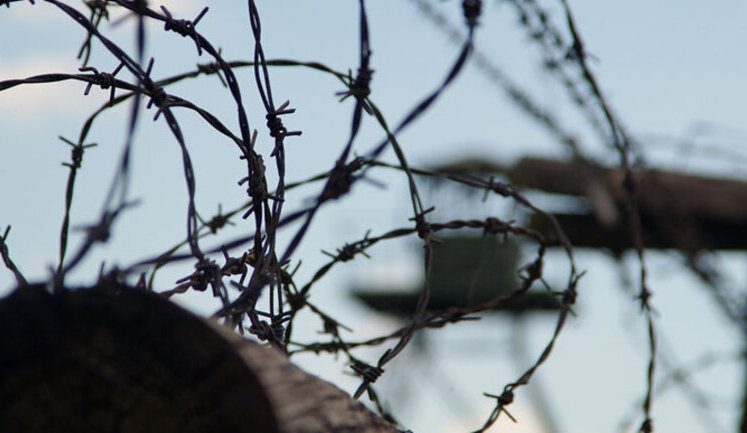
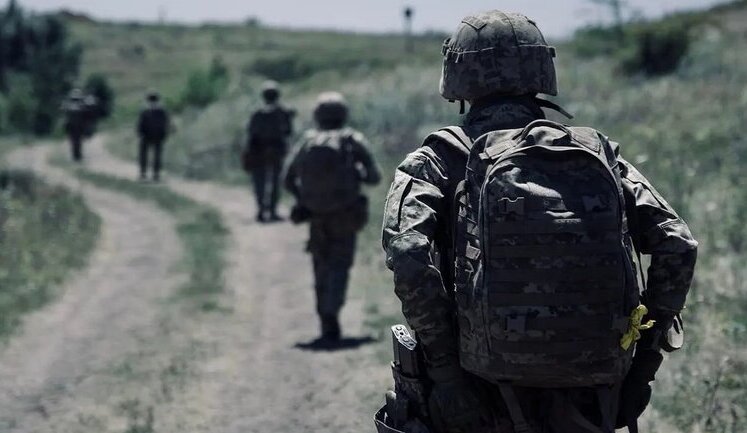
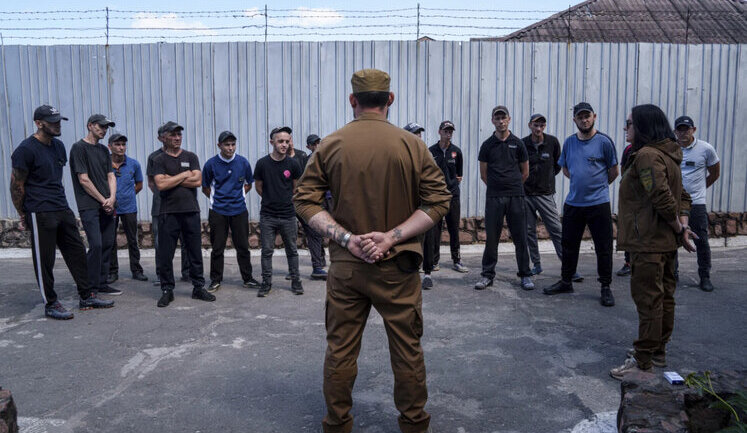
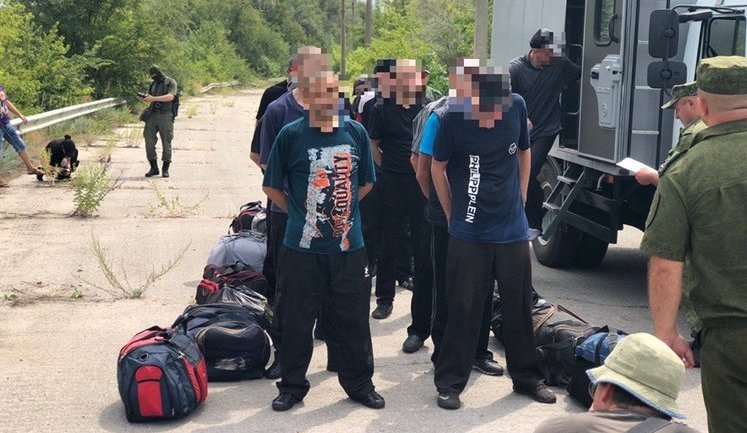
The situation of prisoners in the Ukraine conflict is a complex narrative involving numerous facets, from mobilization efforts to forced deportations. Notably, the Prosecutor General's Office has documented the deportation of 1,800 prisoners by Russia, seeking justice through the International Criminal Court. Domestically, Ukraine's Ministry of Justice reports over 8,500 former convicts have joined the Armed Forces, revealing the integration challenges and mobilization effects. Additionally, instances of Russia recruiting upwards of 180,000 prisoners for military deployment underscore the international humanitarian concerns. The unfortunate circumstances concerning prisoners signal a broader geopolitical strategy impacting war efforts and international law adherence.
How many former prisoners have joined the Ukrainian Armed Forces?
Over 8,500 former prisoners have joined the Ukrainian Armed Forces, according to the Ministry of Justice. The enlistment includes a careful review process ensuring the systematic integration of these individuals into military roles, with additional applications still under review.
What are the international legal actions taken regarding prisoner deportations?
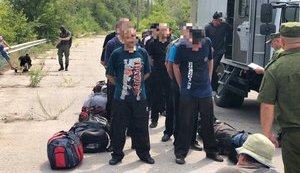
The Office of the Prosecutor General of Ukraine has submitted documentation to the International Criminal Court regarding Russia's deportation of 1,800 prisoners. This action aims to hold accountable those responsible for the forced transfer of prisoners from Ukrainian territories to Russia, emphasizing the breach of international humanitarian laws.
How has Russia's recruitment of prisoners impacted the conflict in Ukraine?
Russia's recruitment of between 140,000 to 180,000 prisoners for participation in the war against Ukraine has intensified the conflict. This strategy not only disrupts international norms but also highlights the exploitation of incarcerated individuals as military assets, raising significant ethical and legal concerns.
What legislative measures are in place for the mobilization of prisoners in Ukraine?
Legislative measures in Ukraine, such as proposals for conditional early release for military service, aim to regulate the mobilization of prisoners. These involve criteria about military positions they can hold, reflecting the blend of legal and military strategic considerations in forceful mobilization efforts.
What challenges arise from the mobilization of female prisoners in Russia?
Mobilizing female prisoners in Russia for military duties against Ukraine poses numerous humanitarian challenges. The National Resistance Center reports women being recruited from penal colonies, reflecting on ethical breaches and the desperation in manpower recruitment strategies. The implications are significant, affecting both domestic and international legal perspectives.
How are prisoner transfers between occupied territories handled?
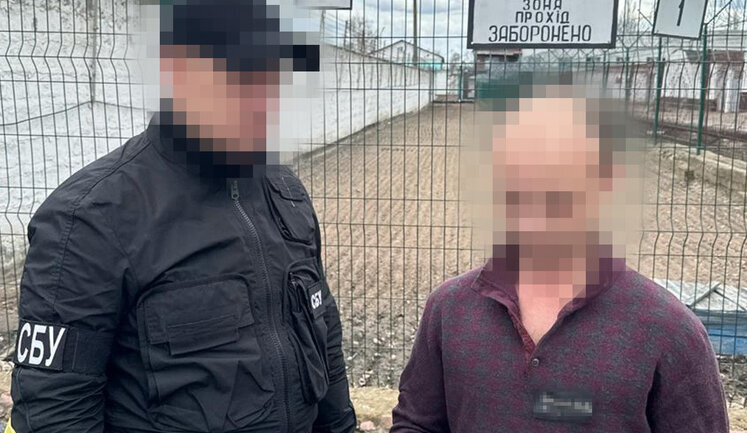
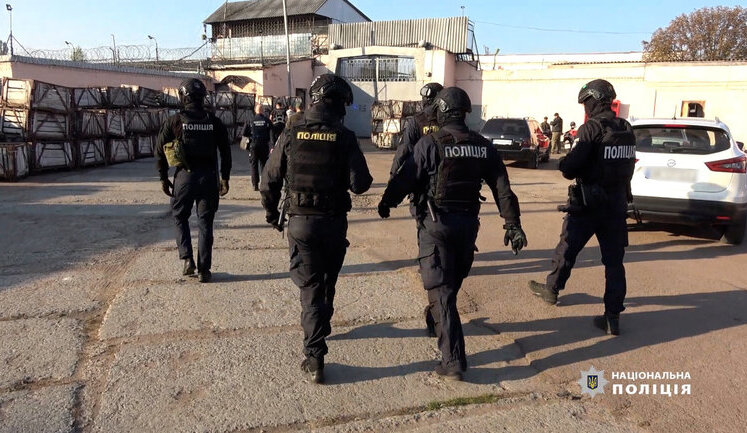
Prisoner transfers from occupied territories involve complex negotiations. The Ukrainian government has managed to transfer numerous convicts back from territories like Luhansk to government-controlled areas. These processes are vital in asserting state sovereignty and fulfilling international human rights obligations.
Why is the mobilization of prisoners significant in Ukraine's societal and military context?
The mobilization of prisoners reflects significant military and societal implications in Ukraine, addressing manpower shortages in the Armed Forces while potentially aiding rehabilitation. However, ethical and logistical challenges continue to persist, influencing broader military strategies and justice system policies.
What is the status of Ukrainian prisoners deported to Russia?
Ukrainian prisoners deported to Russia have faced immediate re-detention upon release due to alleged migration law violations. This underscores the ongoing violations of international law regarding the treatment and deportation of prisoners, prompting international critiques and continual monitoring.