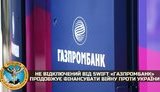
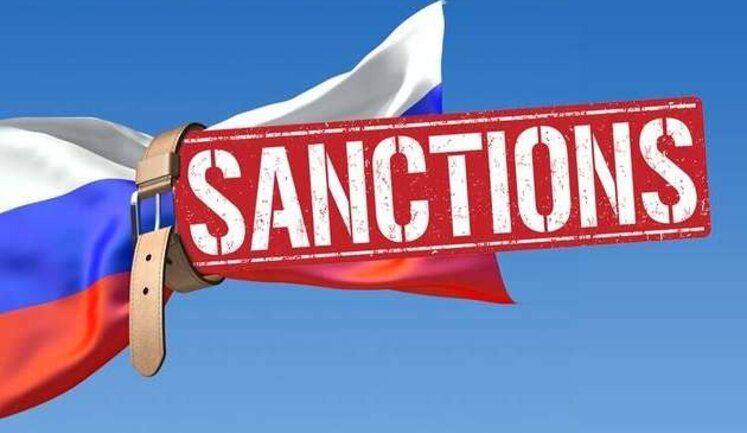
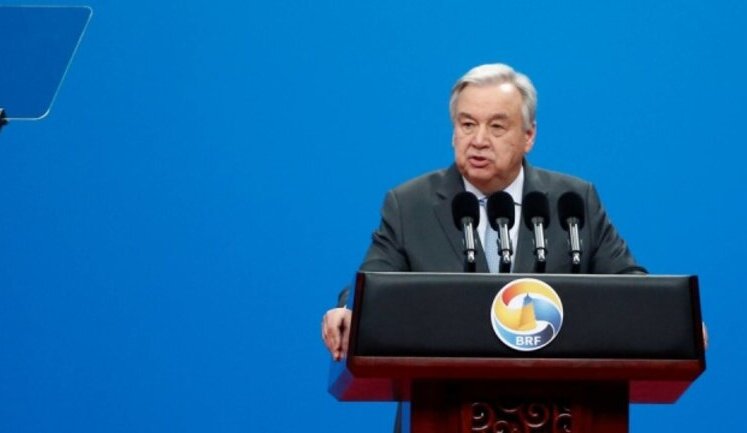
The European Union is intensifying its sanctions regime by targeting over 20 Russian banks for exclusion from the SWIFT system. This bold move is part of a larger strategy to drive Russia towards ending its aggressive policies in Ukraine. Additionally, discussions are underway to potentially lower the oil price cap and ban the Nord Stream gas pipeline, significantly heightening economic pressure on Moscow. Meanwhile, despite a United Nations proposal to link a subsidiary of Russia's Rosilkhozbank to SWIFT, the Russian government has shown no response, indicating a continued standoff. Concurrently, Iran and Russia have interconnected their banking systems to bypass the SWIFT embargo, highlighting a pivotal shift in financial strategies amidst global tensions. As Switzerland enacts its own sanctions, including an oil embargo, the EU remains committed to leveraging its economic power to push back on Russian militarism.
What is the purpose of excluding banks from the SWIFT system?
Excluding banks from the SWIFT system is intended to limit their ability to conduct international transactions. By disconnecting Russian banks from this vital communication network, the European Union aims to apply economic pressure on Russia, restricting its capability to finance its operations, particularly in Ukraine, thus pushing for a resolution to the conflict.
How does the SWIFT system impact global banking?
The SWIFT system is a massive network that facilitates secure messaging for cross-border transactions, essentially allowing banks to communicate swiftly and efficiently across the world. Its removal from a country's banks can severely impair their ability to conduct international business, affecting trade and economic stability.
Why is the European Union considering an oil price cap amendment?
The European Union is considering lowering the oil price cap to further reduce Russia's oil revenue, a crucial income source for its economy. This strategy is part of broader sanctions aimed at diminishing Russia's financial resources to weaken its ability to sustain prolonged military engagements and influence its policy direction.
What alternatives are Russia and Iran using to replace SWIFT?
In response to being excluded from SWIFT, Russia and Iran have created an inter-connected banking system to facilitate interbank communications without relying on international networks. This effort allows them to maintain economic operations and mutual trade relations, circumventing global sanctions.
What actions has Switzerland taken in response to Russia's actions?
Switzerland has imposed its sixth package of sanctions against Russia, which includes an embargo on Russian oil and the disconnection of four Russian banks from the SWIFT system. These measures align with the broader international effort to curtail Russia’s economic and military activities, reflecting Switzerland's stance in the geopolitical landscape.