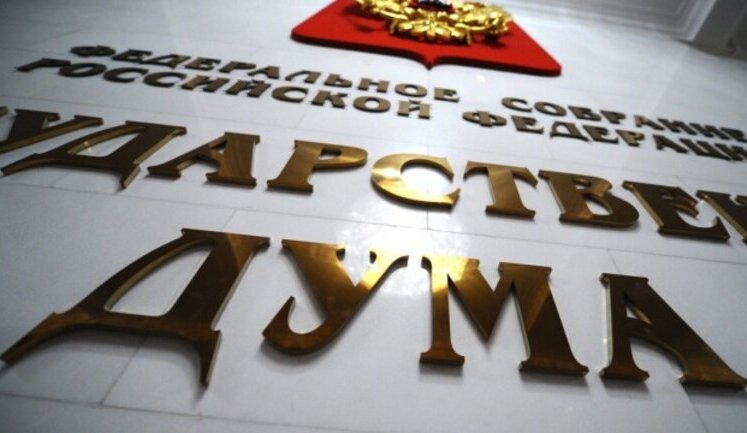
The State Duma has been at the center of controversy in recent events. Serhii Arbuzov, once a top official in Ukraine, now holds a seat in the Russian Duma. Approximately one-fifth of the current Duma members are veterans of the conflict with Ukraine, indicating the war's impact on Russian politics. The elections held in occupied Ukrainian territories are widely perceived as illegitimate, with Lithuania and the European Union refusing recognition. This situation underscores the geopolitical tensions surrounding the Duma and its workings. The Duma continues to play a pivotal role in shaping Russia's aggressive foreign policies and internal governance strategies.
Why did Serhii Arbuzov join the Russian State Duma?
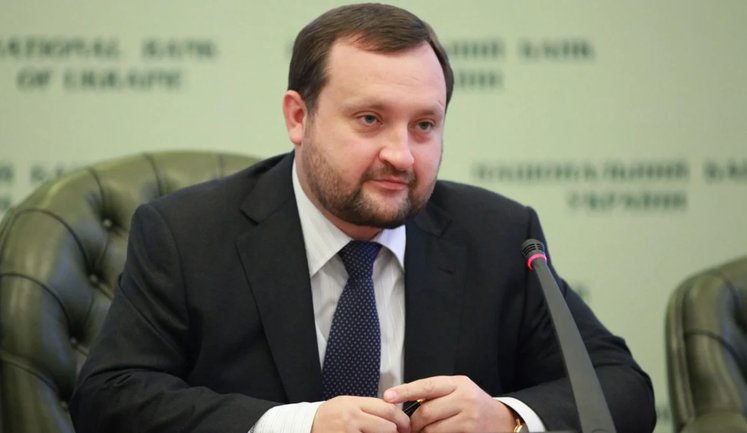
Serhii Arbuzov, a former Ukrainian official under Viktor Yanukovych, recently became a member of the Russian State Duma, joining the "Fair Russia" party. His election highlights the complexities of political affiliations and shifting allegiances within the region. Arbuzov's transition to the Russian political arena is emblematic of broader geopolitical movements and Russia's integrated approach toward incorporating former Ukrainian elites.
What percentage of the new State Duma are veterans from the Ukraine war?
The latest composition of the Russian State Duma includes 20% of its members being war veterans from the conflict against Ukraine. This significant proportion illustrates how deeply intertwined military involvement is with Russian politics, indicating the government's prioritization of military experience in legislative roles.
What is Lithuania's stance on the Russian State Duma elections in Ukraine?
Lithuania has firmly rejected the legitimacy of Russian State Duma elections conducted in Ukraine's occupied territories. Lithuania views these elections as a violation of international law and an encroachment on Ukraine's sovereignty. The refusal to recognize these election results signifies a clear stance against perceived Russian encroachments.
How has the European Union responded to the elections in Crimea?
The European Union does not recognize the elections to the Russian State Duma held in Crimea. These elections, which took place in September, are not acknowledged due to Crimea's status as an internationally recognized part of Ukraine illegally annexed by Russia. The EU's position emphasizes its commitment to Ukraine's territorial integrity.
What claims have been made about Russia's State Duma's military strategy in Ukraine?
Russia's State Duma has persistently advocated for a decisive victory in Ukraine, with some members suggesting continued military action until all objectives are met. Such statements reflect the aggressive military posture of the Russian government and highlight the political motives behind prolonging the conflict.
What was the response to the State Duma elections in occupied Ukrainian regions?
International responses to the State Duma elections in occupied Ukrainian regions were overwhelmingly critical. Many countries and bodies, including Lithuania and the EU, refused to acknowledge the legitimacy of these elections as they contravene international norms and further underscore the ongoing issues regarding territorial occupation and sovereignty violations.