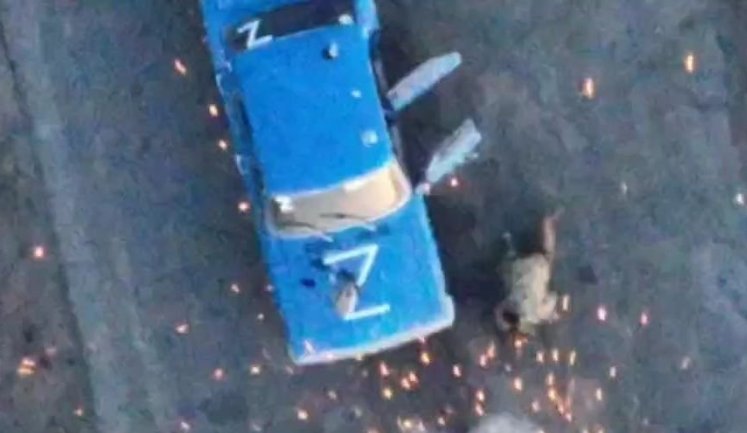
The tag "alcohol" encompasses a range of news highlighting issues related to both alcohol consumption and regulation. Notably, a bizarre strike destroyed a car carrying drunk occupiers at a Russian checkpoint, demonstrating the intersection of alcohol and geopolitical tensions. In Ukraine, the uncovering of an underground workshop in Kryvyi Rih producing fake alcohol worth 50 million hryvnias indicates a significant economic and safety issue. Meanwhile, Russia’s decision to increase excise taxes on alcohol aims to bolster its budget amidst the ongoing conflict. These stories underline the complex impact of alcohol on regional economies, crime, and international relations. Awareness of such dynamics is imperative for effective policy formulation and public education.
How does alcohol taxation affect economic policies in Russia?
Raising excise taxes on alcohol is a strategy employed by the Russian government to boost state revenue, amid its ongoing military expenditures. This policy not only targets augmenting the budget but also may influence alcohol consumption patterns and illegal trade. An understanding of these economic measures is critical for comprehending the broader financial strategies during geopolitical tensions.
What was the outcome of the counterfeit alcohol operation in Ukraine?
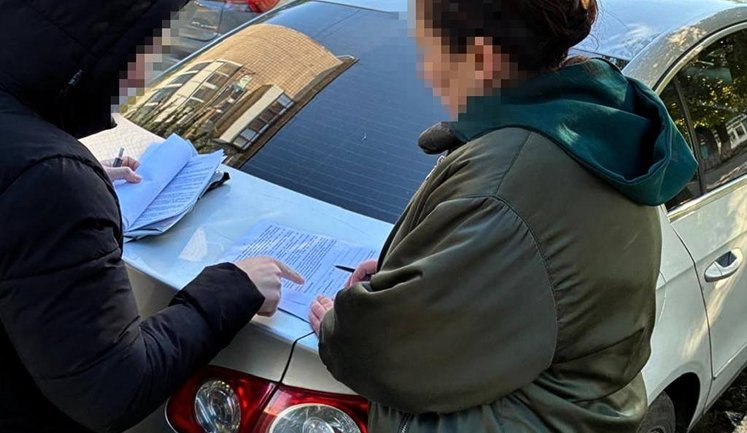
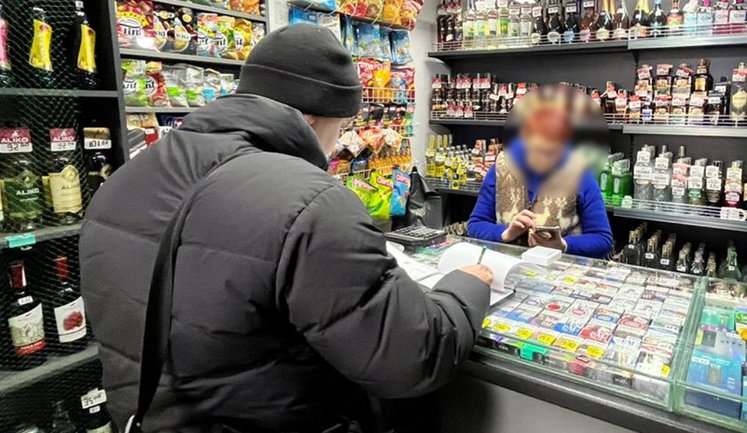
Authorities in Kryvyi Rih uncovered and dismantled an underground network illegally producing and selling counterfeit alcohol and cigarettes valued at 50 million hryvnias. This bust highlights ongoing issues with illicit trade affecting public safety and regional economy. Successfully addressing such networks can help reduce health risks and economic losses.
What measures are taken to curb drunk-driving incidents in Ukraine?
Ukraine has strengthened penalties and legal frameworks to curtail drunk driving. Legislative measures aim to enhance public safety by imposing stricter fines and suspensions for offenders. These actions reflect a commitment to reducing road accidents caused by alcohol, highlighting the government's focus on transportation safety and law enforcement.
What are the implications of alcohol consumption among military personnel?
Incidents involving drunk military personnel, such as damaging public property or engaging in unlawful conduct, underline the challenges of alcohol misuse within armed forces. Such behavior can undermine discipline and operational effectiveness, necessitating stricter regulations and awareness programs to maintain high standards of conduct and accountability.
How does the production of fake alcohol affect public health?
Fake alcohol poses significant health risks as it often contains harmful substances leading to mass poisonings and fatalities. The spread of counterfeit spirits in regions like Kharkiv and Mykolaiv underscores the danger to consumer safety. Combating fake alcohol production is vital for safeguarding public health and enforcing food and drug safety regulations.