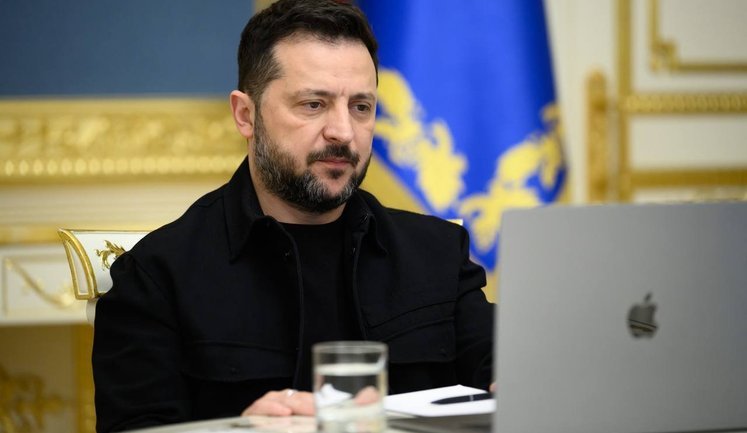
As discussions about freezing the war in Ukraine intensify, Germany's Merz emphasizes Ukraine's strengthened position, urging Russia to negotiate. A proposed 30-kilometer demilitarized zone is seen differently by key figures. President Zelenskyy dismisses it as impractical, while others, like former US Ambassador Kellogg, see it as a realistic element in freezing the war. Meanwhile, reports suggest Putin's internal struggles hinder any overt move towards peace. NATO's Dragone argues that a frozen conflict is disadvantageous, advocating instead for long-term peace solutions. These perspectives reflect the complex dynamics of prioritizing strategic freezes versus achieving durable peace amidst global pressures.
Why is Ukraine in a stronger position now?
Ukraine's diplomatic and military resilience have considerably bolstered its negotiating position. With increased backing from the international community and successful defense operations, Ukraine is asserting its strength to pressure Russia towards peace negotiations.
What is the proposed 30-kilometer demilitarized zone?
The proposed 30-kilometer demilitarized zone is intended as a buffer along the current front line between Ukrainian and Russian forces. This aims to reduce hostilities, enabling political discussions. However, its viability is debated, given concerns over enforceability and strategic implications.
What are the potential consequences for Russia if the war is frozen?
If Russia agrees to freeze the war, significant political ramifications may ensue. Internally, it could challenge Putin's authority, possibly leading to unrest or shifts in power dynamics. Externally, such a move might improve Russia's international relations but could also imply concessions.
What is NATO's stance on freezing the conflict?
NATO, particularly through statements by Military Committee Chairman Dragone, suggests caution towards merely freezing the conflict. Emphasis is placed on securing a long-lasting peace rather than settling for a pause that does not address root issues and may lead to future hostilities.
How does the freezing of the war impact Ukraine's path to peace?
Freezing the war could offer Ukraine temporary stability, providing a platform to pursue further diplomatic engagements. However, it risks prolonging unresolved issues and might hinder a comprehensive peace settlement, leaving underlying tensions unaddressed, complicating true reconciliation.
What obstacles does the peace negotiation process face?
The peace negotiation process is fraught with hurdles including mutual distrust, geopolitical interests of external parties, and the complex socio-political landscapes of the interested countries. Each stakeholder's priorities need reconciling, requiring delicate diplomacy and strategic patience.
Why is there skepticism about the demilitarized zone proposal?
The skepticism regarding the demilitarized zone proposal stems from concerns about compliance, security, and effectiveness. Questions arise regarding how such a zone could be enforced, whether it truly guarantees safety, and if it effectively addresses the current power imbalances.
What role does international community play in freezing the conflict?
The international community, including entities like the US and NATO, plays a crucial role in mediating the conflict and applying pressure for cessation. Diplomatic, economic, and military assistance to Ukraine aims to create a conducive environment for freezing hostilities, potentially leading to peace agreements.
What are the arguments against freezing the war?
The arguments against freezing the war focus on its potential to stall comprehensive peace efforts, risking a 'cold conflict' status that ignores core issues. Critics advocate for complete cessation and reconciliation mechanisms that address political, social, and economic grievances underpinning the conflict.