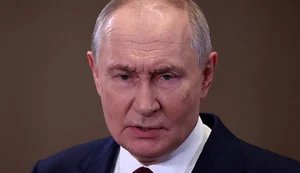
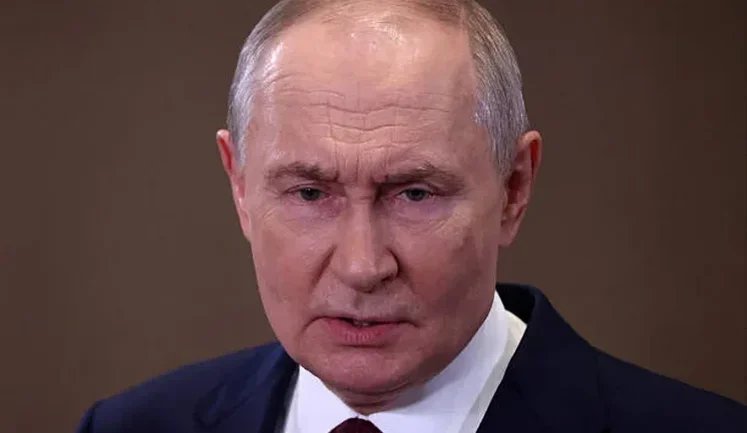
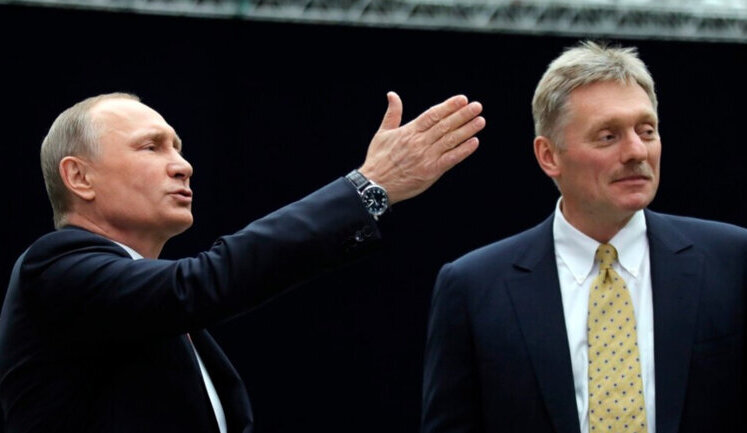
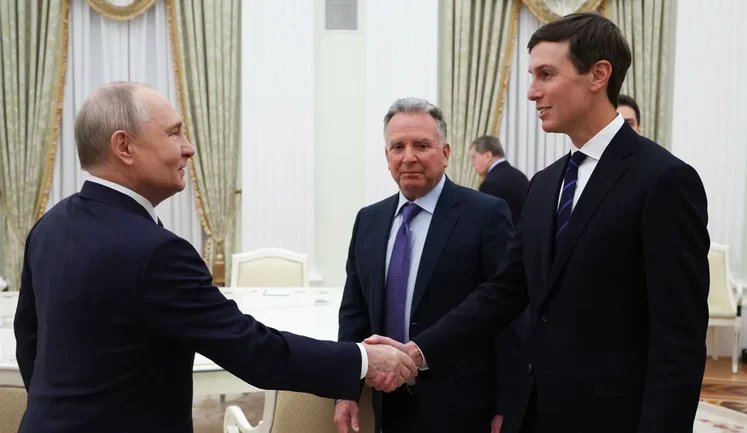
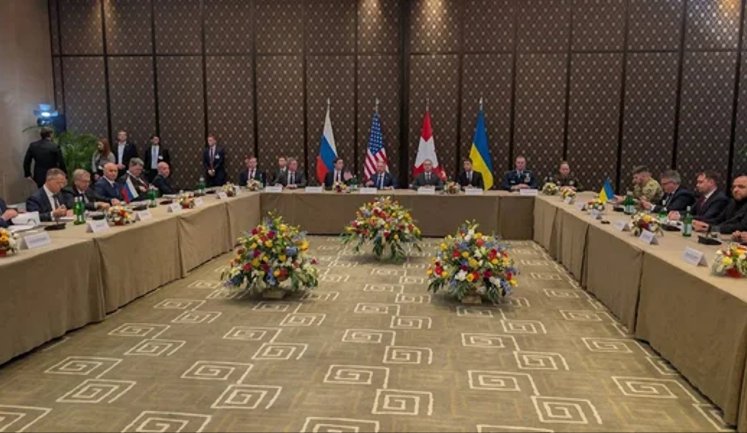
Russia’s demands to end the war against Ukraine have seen Moscow putting increased pressure on NATO to reduce its military presence to 1997 borders and discontinue military support to Ukraine. The Kremlin’s insistence on these points was reiterated at recent peace talks, highlighting Russia’s resolve to secure favorable terms in its “special military operation.” Russia's leadership, including President Vladimir Putin, has articulated the need for a security zone and the cessation of Western arms supplies to Ukraine as part of its conditions for peace. Furthermore, Russia dismissed the possibility of territorial swaps or halts along the frontline, claiming it would undermine their wartime achievements. Diplomatic discussions continue, but Moscow’s current demands leave little room for compromise, highlighting both the strategic significance and geopolitical stakes involved in the ongoing conflict.
What new demands has Russia made in its peace talks with Ukraine?
Russia's latest demands in peace talks include NATO's withdrawal to its 1997 borders and the cessation of military aid to Ukraine. These conditions, alongside others such as maintaining a "security zone," are part of the Kremlin's broader strategy. The expectations demonstrate Russia's intent to renegotiate the security architecture in Europe, emphasizing a rollback of influence by NATO and Western states in the region.
How does Russia justify its ongoing military operations against Ukraine?
Russia’s justification for its ongoing military operations frequently revolves around claims of self-defense against perceived Western aggression, predominantly NATO expansion. Russian leadership often cites the protection of Russian-speaking populations and the need to rectify alleged historical injustices. These narratives are leveraged to validate the continuation of hostilities while dismissing Ukrainian sovereignty claims.
What territorial changes does Russia propose in its peace negotiations?
Russia has ruled out territorial swaps with Ukraine. Instead, the focus has been on expanding its control in conflict zones. The Kremlin insists on maintaining current territorial gains and potentially expanding buffer zones, reflecting its strategic interests. This immovable stance plays a key role in diplomatic stalemates and poses significant challenges in negotiation processes.
Why is NATO expansion a significant concern for Russia amid the Ukraine conflict?
NATO's expansion is a central concern for Russia as it perceives the alliance's enlargement as a direct security threat. Russia views the movement of NATO's border closer to its territory as an encroachment that could undermine its influence and strategic depth. This fear has fueled Russia's demands for NATO's withdrawal to pre-1997 borders as a non-negotiable condition for ending military confrontations in Ukraine.
What are the geopolitical stakes involved in Russia's conflict with Ukraine?
The geopolitical stakes in Russia's conflict with Ukraine encompass territorial control, influence over Eastern Europe, and redefining security arrangements. For Russia, achieving its objectives would mean asserting dominance in former Soviet territories and challenging Western influence. Conversely, the conflict poses risks of broader escalation, potentially drawing in other states and impacting global stability.