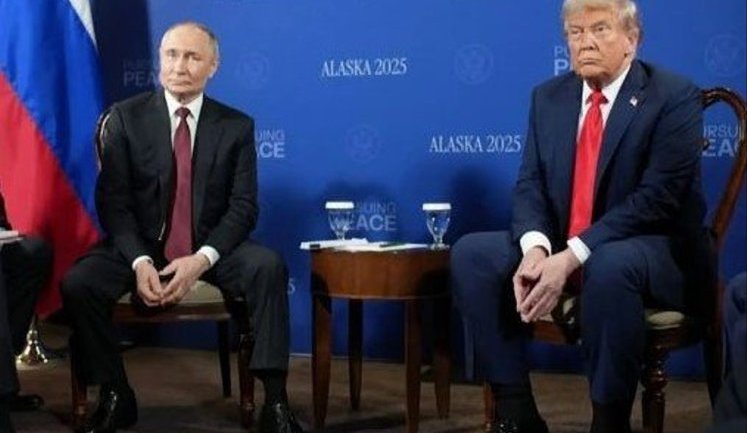
In a significant development, Russian leader Vladimir Putin ruled out peace talks with Ukraine during a recent phone conversation with U.S. President Donald Trump. This interaction underscores the ongoing complexities and strained dynamics between the two nations. While Putin remains steadfast in his approach, the U.S. has taken a parallel path by issuing a temporary license for Russian diesel supplies to global markets. President Trump's dialogue with Putin has hovered around both economic deals and geopolitical tensions, further intensifying as they deliberate on large-scale diesel exchanges. The intertwined issues of diplomacy and resources echo loudly in the broader geopolitical landscape.
What were the main topics of discussion between Trump and Putin?
The conversation between U.S. President Donald Trump and Russian leader Vladimir Putin predominantly centered on the ongoing conflict in Ukraine and the supply of Russian diesel fuel. Putin made it clear that he was not open to peace negotiations with Ukraine, which marks a significant point of contention between the two leaders. Additionally, they discussed the global distribution of Russian diesel, a topic that bears strategic importance in the context of current global energy needs.
Did Donald Trump and Vladimir Putin discuss any potential peace plans for Ukraine?
During the conversation, Putin decisively rejected the notion of initiating peace talks with Ukraine. Despite Trump's interest in exploring paths to peace, the Kremlin's stance suggests an unwavering commitment to maintain its current military actions in Ukraine. This highlights the persistent challenges in achieving diplomatic progress and underscores the geopolitical rift between the U.S. and Russia regarding the Ukrainian conflict.
What was the outcome of discussions on Russian diesel supplies?
As a significant aspect of their discussions, the U.S. Treasury Department issued a temporary general license facilitating Russian diesel fuel's entry into the global market. This agreement marks a crucial development in the energy sector, aiming to stabilize supply amidst global demands. The negotiations underscore both countries' interest in economic dealings despite prevailing political tensions.
How do Trump's sentiments reflect on the prospects for peace talks in Ukraine?
President Trump expressed a willingness to explore diplomatic avenues with Russia to address the situation in Ukraine; however, Putin's outright disinterest in peace discussions dampens any immediate hopes for progress. Trump's prior engagements hinted at a desire to foster dialogue, yet the recent rejection signals persistent hurdles in altering the Kremlin's current position regarding the conflict.
Are there any implications for U.S.-Russia relations following this conversation?
The conversation between Trump and Putin is likely to influence U.S.-Russia relations on multiple fronts. While the economic component involving diesel supplies indicates some cooperation, the geopolitical deadlock presents significant challenges. The unresolved differences regarding Ukraine are expected to perpetuate tensions, further impacting diplomatic strategies and bilateral engagements moving forward.
How does the temporary diesel license affect global oil markets?
The U.S. Treasury's decision to issue a temporary license for Russian diesel supplies is poised to influence global oil markets significantly. By authorizing these supplies, the U.S. effectively aims to mitigate potential disruptions and stabilize the energy sector. Such measures could balance supply and demand, especially in markets sensitive to fluctuations in fossil fuel availability, thus promoting a degree of economic equilibrium amidst geopolitical strife.
What are the broader geopolitical ramifications of Putin's stance on Ukraine?
Putin's refusal to engage in peace negotiations with Ukraine has broader geopolitical ramifications, affecting global diplomatic dynamics and reinforcing existing alliances. This stance not only prolongs the humanitarian crisis in Ukraine but also impacts international relations and the strategic calculus of Western powers seeking to address the conflict comprehensively. Such positions present significant challenges to achieving lasting peace and stability in the region.
Is there any consensus or common ground between Trump and Putin?
Despite the divisive issue of the Ukrainian conflict, Trump and Putin found common ground regarding the economic topic of Russian diesel supplies. This indicates a limited scope of cooperation primarily focused on strategic economic interests. However, the lack of alignment on major geopolitical issues, such as peace in Ukraine, underscores the relational complexity and suggests that any consensus remains narrowly defined and issue-specific.