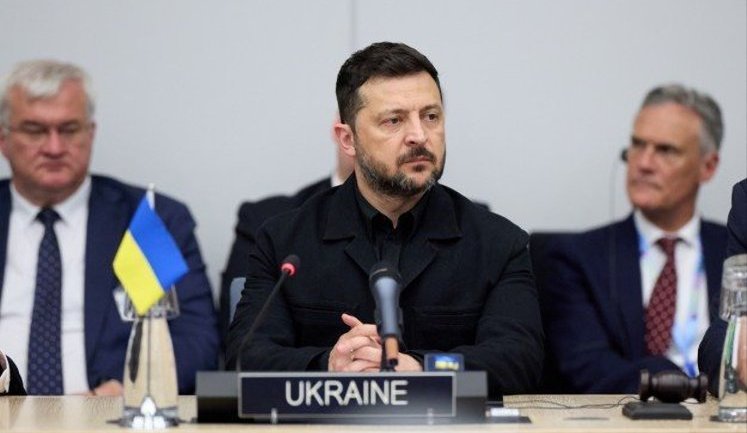
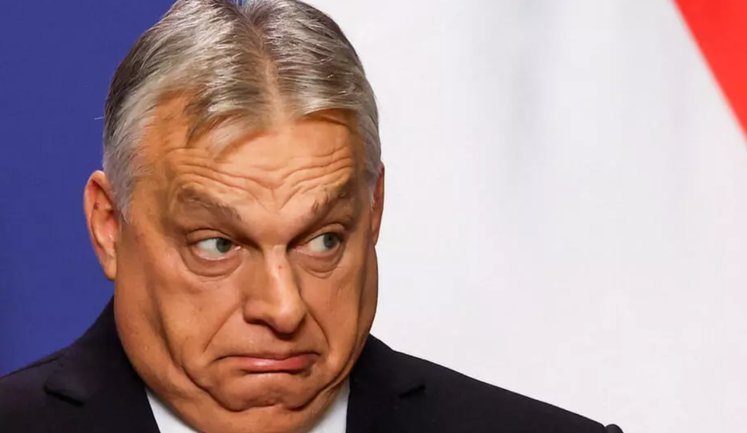
Ukraine's pursuit of EU membership has faced a significant hurdle in Hungary's stance. Following Viktor Orbán's leadership, the Hungarian government demanded the protection of Hungarian minorities in Ukraine, particularly in Transcarpathia, before agreeing to the start of negotiations for Ukraine's EU membership. Despite the fall of Orbán's pro-Russian government, Ukraine acknowledges it has maintained its dignity while navigating these challenges. Hungary's new approach includes the potential dissolution of agencies established under Orbán that were critical of Ukraine. As Ukraine moves forward with EU negotiations, the country prioritizes meeting key European Union requirements while ensuring that national minority rights are respected, aligning with Hungarian demands.
Why does Hungary oppose Ukraine’s EU membership?
Hungary's opposition stems from concerns over the protection of Hungarian minorities in Ukraine, particularly in Transcarpathia. The Hungarian government demands that Ukraine incorporate protections for these minorities into its EU Action Plan. This demand is tied to broader concerns about regional stability and Hungary's historical ties to Russia.
What conditions has Hungary set for Ukraine's EU membership?
Hungary has set conditions that Ukraine must meet to begin EU negotiations. These include the incorporation of protections for Hungarian minorities in Ukraine—specifically granting them rights equivalent to those enjoyed by minorities in EU countries—as part of Ukraine's commitments to the EU Action Plan.
What impact does Hungary's position have on EU-Ukraine relations?
Hungary's position significantly affects EU-Ukraine relations by delaying Ukraine's EU accession process. Hungary's veto power can block progress, prompting calls within the EU to possibly reconsider the unanimity rule for decision-making, which Hungary, along with some other countries, opposes.
How has Ukraine responded to Hungary's demands?
Ukraine has engaged in dialogue and negotiations to address Hungary's demands, emphasizing dignity and regional cooperation. Ukrainian leaders, including President Zelenskyy, have stated that their path to EU membership is irreversible and are working to ensure their policies meet EU mandates while addressing minority rights.
What changes have occurred in Hungary's policy after Orbán's government?
After the fall of Orbán's government, Hungary's Fidesz party proposed dissolving the Sovereignty Protection Office, an institution critical of Ukraine. These changes indicate a shift towards engaging constructively with the EU and Ukraine, albeit still with some nationalistic cautions regarding minority protections.
What role did Viktor Orbán play in the EU membership debate?
Viktor Orbán, during his tenure, was a significant opponent of Ukraine's EU accession, citing impacts on Hungary's economy and foreign policy alignment with Russia. His government held referendums and consultations, fostering public opinion against Ukraine's EU membership, leading to delays in negotiations and regional tension.