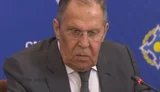
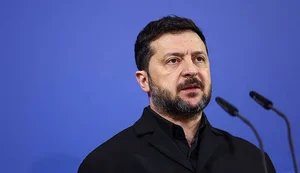
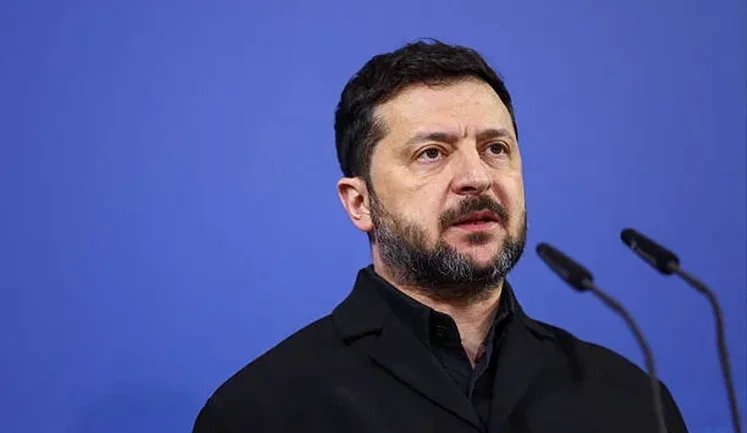
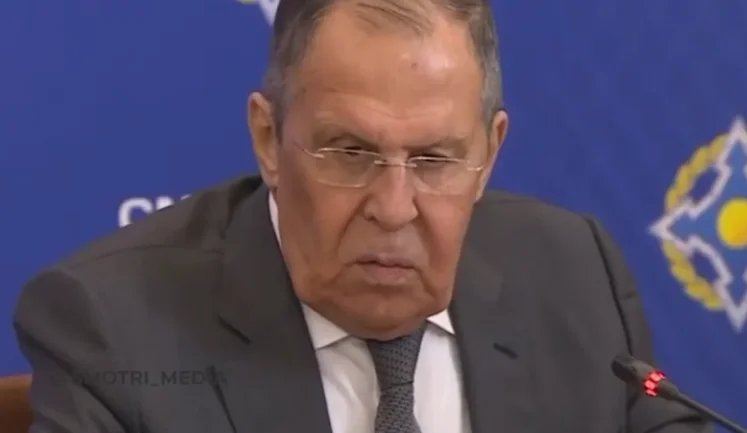
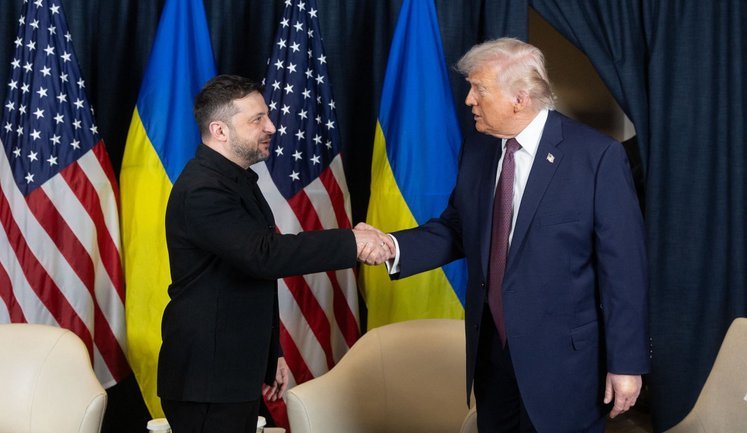
Amid the ongoing conflict in Ukraine, negotiations around a ceasefire have faced significant hurdles. Ukrainian President Volodymyr Zelenskyy highlighted Russia's consistent rejection of ceasefire proposals aimed at de-escalating tensions. Efforts include discussions involving the United States and other international partners, specifically focusing on an air ceasefire to prevent further hostilities. Meanwhile, Russia's Foreign Minister Sergey Lavrov reiterated that Moscow would not agree to a ceasefire merely for the sake of negotiations. Despite these challenges, the international community, including the EU and the United States, remains dedicated to finding a diplomatic solution. As tensions rise, Finnish President Alexander Stubb remains optimistic, asserting that a peace agreement stands closer than ever in the last four years.
What is the current status of ceasefire talks between Ukraine and Russia?
The ceasefire negotiations between Ukraine and Russia remain ongoing, with significant challenges due to Russia's rejection of various proposals. Discussions involve international partners, with an emphasis on achieving an air ceasefire to reduce hostilities. Despite rejections, diplomatic efforts persist to bring both parties to an agreement.
How have international efforts been involved in the ceasefire negotiations?
International efforts have been pivotal in the ceasefire negotiations, involving key players such as the United States, European Union, and other global stakeholders. These efforts include diplomatic discussions, proposals for de-escalation, and fostering dialogue between the conflicting parties to achieve a lasting peace agreement.
What are the primary obstacles in reaching a ceasefire agreement?
The primary obstacles in reaching a ceasefire agreement include Russia's consistent rejection of de-escalation proposals and the differing views on negotiation terms. Russian leaders have stated that they would not agree to a ceasefire for mere negotiation purposes, complicating talks aimed at finding middle ground.
What role does the European Union play in the ceasefire negotiations?
The European Union plays a supporting role in the ceasefire negotiations by facilitating discussions and supporting Ukraine's involvement in talks with the United States. The EU aims to bring both parties to the table to discuss potential peace agreements and de-escalation strategies as part of a coordinated international effort.
How optimistic are leaders about reaching a peace agreement soon?
Some leaders, such as Finnish President Alexander Stubb, express optimism that a peace agreement is closer than it has been in the past four years. However, the road to a ceasefire remains fraught with challenges due to persistent disagreements and geopolitical tensions that require careful diplomatic maneuvering.
What are the security priorities for Ukraine in negotiations?
In negotiations, Ukraine prioritizes security and humanitarian issues, aiming to protect its sovereignty and ensure the safety of its citizens. These priorities include maintaining territorial integrity, securing energy infrastructure, and addressing humanitarian concerns related to the ongoing conflict.
What proposals have been made for the location of future negotiations?
Proposals for the location of future negotiations have included Geneva, as suggested by German Chancellor Friedrich Merz, and other international hubs such as the Vatican. These locations are considered neutral grounds where discussions can proceed with minimal external influence and potential for constructive dialogue.
How have other countries reacted to the ceasefire negotiation process?
Countries like Greece and Finland have shown support for Ukraine's involvement in the discussions. Greece's PM emphasized the importance of EU-US talks in ending the conflict, while Finland's President expressed optimism about the negotiation process. These reactions highlight international solidarity in resolving the conflict.