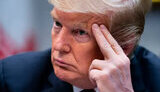
President Donald Trump has made headlines with his declaration that cancelling his imposed tariffs could lead to economic disaster for the US. These tariffs, pivotal in global trade policies, were initially introduced to protect American industries and ensure fair trade practices. Critics argue that while they may bolster domestic sectors in the short term, the long-term global economic implications can hinder international business relationships, increase costs for consumers, and stimulate retaliatory measures from affected nations. This discussion is crucial for understanding Trump's legacy in reshaping economic strategies and its enduring impact on international trade dynamics in 2025.
How have Trump's tariffs influenced global trade since their introduction?
Trump's tariffs have substantially altered global trade by disrupting traditional supply chains and triggering trade tensions. While aimed at protecting US industries, they have prompted retaliation from trading partners, impacting the global economy by increasing goods prices and decreasing trade volumes.
What are the potential risks if Trump's tariffs are cancelled?
Cancelling Trump's tariffs could risk undermining domestic protection for US industries, potentially leading to economic instability. It might also create uncertainty in global trade markets, affecting international business confidence and economic relationships established during the tariff era.
Why does Trump believe tariffs are crucial to the US economy?
Trump asserts that tariffs are vital as they offer protection to American industries from foreign competition, ensuring job retention and fair trade. He believes these duties help balance trade deficits and secure US economic interests globally by making foreign goods less competitive in the market.
What are the counterarguments to Trump's tariff policy?
Critics argue that Trump's tariffs lead to higher consumer prices and strained international relations. They stress that such measures disrupt global supply chains, invite foreign retaliatory tariffs, and may result in decreased export competitiveness and overall economic growth restraint.
Have Trump's tariffs been beneficial to any specific US sectors?
Trump's tariffs have primarily benefited sectors like steel and aluminum by limiting foreign competition. These industries experienced initial growth and potential job preservation. However, benefits have been uneven across sectors and often outweighed by retaliatory challenges and trade tension aftermath.