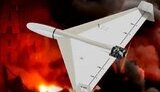
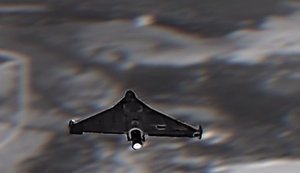
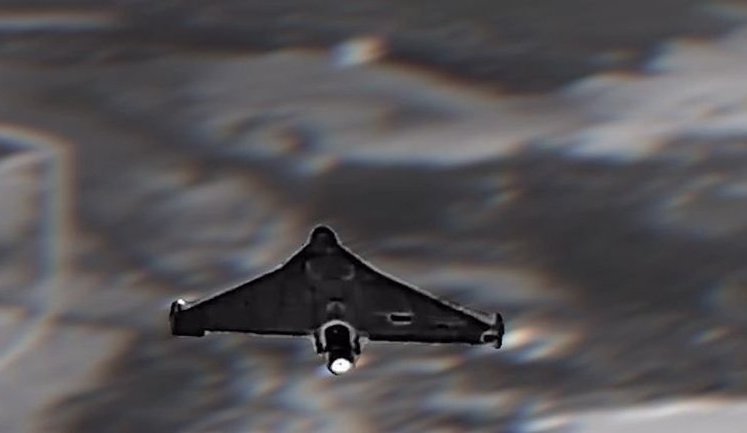
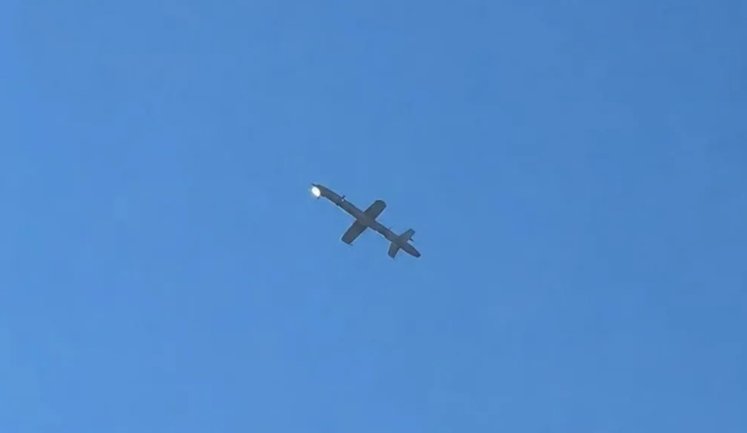
The use of jet-powered Shahed drones by Russian forces has surged dramatically over recent months, challenging Ukraine's air defense systems. In September alone, approximately 3,500 such UAVs were deployed, a significant increase from June's figures. To combat this growing threat, Ukrainian forces have relied on advanced interception tactics, notably with the successful use of STING S interceptor drones by the 1020th Anti-Aircraft Brigade's "Chyzh" crew. Additionally, installations of automated turrets in Kyiv represent a broader defense strategy to manage these escalated drone attacks. There are also advancements in Ukrainian interceptors currently undergoing testing to enhance defensive capabilities. Meanwhile, Russian upgrades to their UAVs, such as the Geran-4 model with new warheads, amplify the challenges facing Ukraine. Air defense authorities predict that the share of jet-powered drones in Russian strikes could rise to 80%, underscoring the need for continued adaptation and innovation in countermeasure tactics.
What is the significance of jet-powered Shahed drones in the conflict?
Jet-powered Shahed drones are significant due to their increased speed, range, and ability to carry heavier payloads. Their deployment by Russian forces has intensified air attacks on Ukraine, prompting urgent updates in air defense systems. The drones’ potential to strike key infrastructure adds another layer of strategic threat, compelling Ukraine to innovate rapidly in response.
How has Ukraine's air defense adapted to counter jet-powered drones?
Ukraine's air defense has adapted by deploying advanced interception drones such as the STING S, using automated turrets, and testing new interceptors to improve response capabilities. Additionally, there is a coordinated effort among various defensive systems to intercept and neutralize these threats, significantly contributing to Ukraine's resilient defense strategy.
What advancements have been made in Ukrainian drone interception tactics?
Ukrainian forces have enhanced their interception tactics with the use of advanced interceptor drones like the STING S and the integration of automated turrets in key areas like Kyiv. These advancements, together with ongoing tests of new interceptors, are critical to evolving their defensive measures against the increasingly rapid and complex attacks by jet-powered Shahed drones.
Why has Russia increased its use of jet-powered drones against Ukraine?
Russia has increased its use of jet-powered drones due to their improved ability to bypass traditional defenses and inflict strategic damage through high-speed attacks. This escalation aims to overwhelm Ukraine’s air defense systems, indicating a shift in tactical focus to create broader disruption and potentially secure strategic advantages in the conflict.
How many jet-powered Shahed drones were deployed by Russia in September?
In September, Russian forces deployed approximately 3,500 jet-powered Shahed drones in their operations against Ukraine. This marked a significant escalation from earlier months and showcased the increasing reliance on such drones to exert pressure and achieve military objectives within the conflict zone.
What are the challenges faced by Ukraine’s air defense in light of recent UAV attacks?
Ukraine's air defense faces numerous challenges, including the need to counter higher quantities of faster and more maneuverable jet-powered UAVs. These drones require comprehensive detection and interception strategies and advanced technical solutions like new interceptor drones and automated defenses, posing resource and technological challenges for Ukraine.