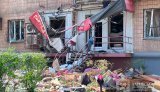
In a double blow to the Kharkiv region, recent attacks targeted key areas such as Kharkiv and Izium, resulting in 13 injuries, including a 14-year-old victim. The situation is further aggravated by bad weather conditions, complicating rescue operations and efforts to address the aftermath. Local authorities are striving to manage the crisis, as regional infrastructure struggles under the strain of ongoing military aggression and severe weather disruptions. The combination of poor weather and attacks reinforces the urgent need for coordinated relief efforts across the area.
How is the bad weather affecting Kharkiv region?
The severe weather has significantly hampered rescue operations and emergency services in Kharkiv and surrounding areas. It complicates transportation, limits visibility, and deters timely aid, thereby exacerbating the impact of recent attacks and slowing recovery efforts.
What recent events have occurred in the Kharkiv region?
Recently, Kharkiv and Izium were targeted by Russian military forces leading to injuries among the populace. Alongside human casualties, the region faces infrastructural damage amidst ongoing hostilities, which is further compounded by poor weather conditions.
What measures are being taken to counter the impact of the weather and attacks?
Authorities are mobilizing emergency response teams and coordinating with local organizations to provide aid. Despite the adverse weather, efforts continue to clear debris, restore services, and ensure the safety of residents while mitigating further risks from ongoing hostilities.
How do the attacks and weather affect daily life in Kharkiv?
Daily life in Kharkiv is heavily disrupted as residents face challenges in accessing basic services, safe shelter, and transportation. The combined stress of attacks and harsh weather heightens the sense of insecurity, impeding routine activities, and necessitating robust community support networks.
What support is available for those affected in Kharkiv and Izium?
Local and international humanitarian aid organizations are working to provide essential supplies, medical assistance, and psychological support. The focus remains on addressing immediate needs while planning for long-term assistance to re-establish stability and rehabilitate affected communities.